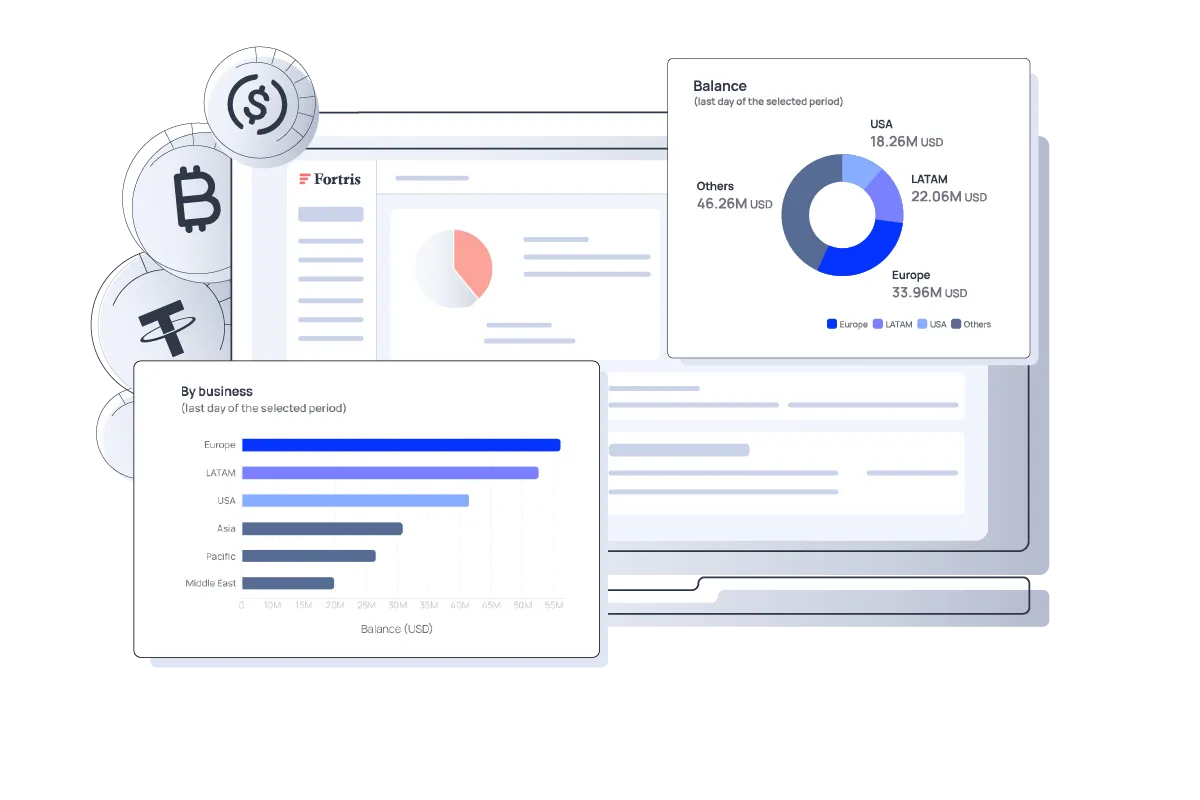
What transparent treasury analytics means
Transparent treasury analytics is the practice of using real-time data visibility and onchain verification to monitor a company’s financial position. Unlike traditional treasury management, which often relies on static, end-of-day reports from disparate bank statements, this approach provides a live, unified view of liquidity and risk. It transforms treasury operations from reactive accounting into proactive strategy by making every transaction traceable and auditable.
The core difference lies in timing and granularity. Traditional methods aggregate data periodically, creating a lag that can obscure emerging cash flow issues. Transparent analytics ingest data from multiple sources—including bank feeds, ERP systems, and onchain ledgers—instantaneously. This allows finance teams to see exactly where capital is moving, who holds it, and what the immediate exposure is, rather than guessing based on yesterday’s closing balances.
This visibility extends beyond simple balance checks. It involves analyzing the quality and timing of cash flows, verifying the authenticity of onchain assets, and ensuring that every movement of funds aligns with compliance standards. By anchoring decisions in verified, current data, organizations can mitigate counterparty risk and optimize working capital with precision.
Tracking real-world asset tokenization
to Transparent Treasury Analytics works best as a clear sequence: define the constraint, compare the realistic options, test the tradeoff, and choose the path with the fewest hidden costs. That order keeps the advice usable instead of decorative. After each step, pause long enough to check whether the recommendation still fits the reader's actual situation. If it depends on perfect timing, unusual access, or a best-case budget, include a simpler fallback.
The simplest way to use this section is to write down the real constraint first, compare each option against it, and choose the path that still works outside ideal conditions.
Onchain credit strategies and risk
Transparent treasury analytics shifts the foundation of credit assessment from static credit scores to verifiable, real-time cash flow data. Traditional lending often relies on lagging indicators, whereas onchain protocols can assess counterparty risk by observing actual treasury movements. This visibility allows lenders to underwrite based on liquidity health rather than historical reputation.
| Feature | Traditional Treasury Visibility | Onchain Transparent Analytics |
|---|---|---|
| Data Source | Audited financial statements (quarterly) | Real-time onchain transaction logs |
| Risk Assessment | Static credit scores and ratios | Dynamic liquidity and flow analysis |
| Verification | Third-party auditor review | Cryptographic proof and smart contract logic |
| Update Frequency | Low (monthly/quarterly) | High (per-block/real-time) |
By using live data, lenders can implement more precise risk controls. Institutions typically use gap analysis and value at risk models to manage exposure src-serp-5. Onchain analytics applies these principles directly to wallet activity, offering clear visibility into asset allocation and potential insolvency risks before they become critical src-serp-6.
Market context
Understanding the volatility of underlying assets is essential for calculating onchain credit exposure. The following chart provides technical context for the market conditions influencing these treasury strategies.
Key metrics for treasury transparency
Transparency in treasury management isn't about dumping data on stakeholders; it's about providing the specific data points that allow CFOs and treasury managers to assess risk and efficiency in real-time. When stakeholders can see exactly how liquidity is deployed and where yield is generated, trust replaces speculation. The following metrics serve as the primary indicators of a healthy, transparent treasury function.
Liquidity Ratios
Liquidity ratios measure the ability to meet short-term obligations without disrupting operations. For treasury analytics, this means tracking the current ratio and quick ratio against internal benchmarks, not just industry averages. A transparent treasury reports these figures daily, highlighting any deviations from the target range. This allows for immediate corrective action rather than reactive firefighting at quarter-end.
Yield Curves
Monitoring the yield curve provides insight into market expectations and the relative value of different maturities. By visualizing the spread between short-term instruments (like T-bills) and long-term bonds, treasury teams can identify arbitrage opportunities or risks associated with interest rate shifts. This metric is essential for optimizing the timing of cash deployments and ensuring that idle cash is working efficiently.
Settlement Times
Settlement times track the duration between a trade execution and the actual transfer of funds or securities. In an era of instant payments, lingering settlement delays signal operational inefficiencies or counterparty risk. Transparent reporting on average settlement times across different asset classes and counterparties helps identify bottlenecks and negotiate better terms with financial institutions.
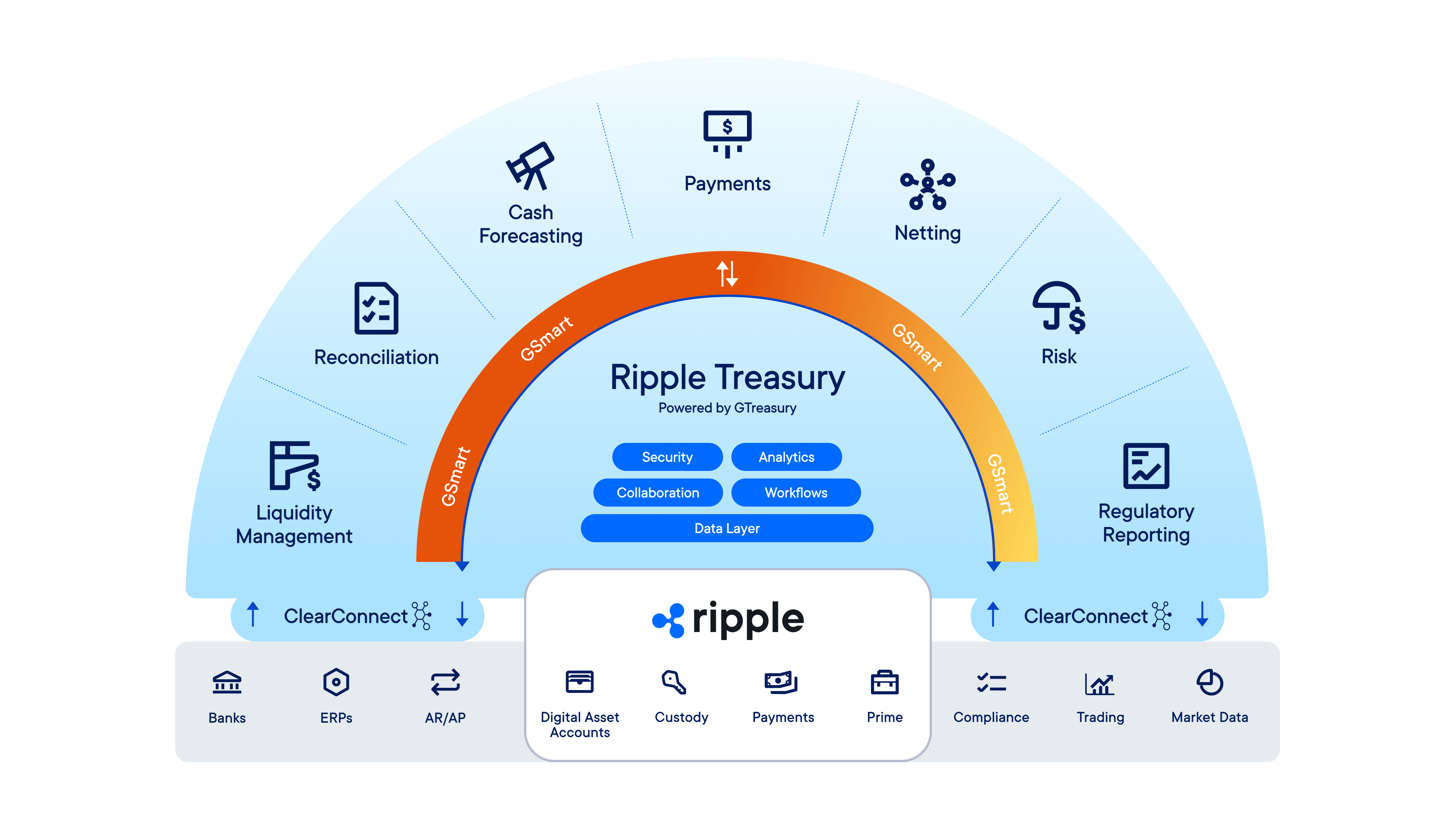
Counterparty Exposure
Counterparty exposure metrics detail the total amount of funds or securities held with each financial institution. Transparency here prevents concentration risk. By breaking down exposure by institution, sector, and geography, treasury managers can ensure compliance with internal limits and regulatory requirements, such as those outlined by the U.S. Department of the Treasury regarding data transparency and risk management.
Cash Flow Forecasting Accuracy
This metric compares predicted cash flows against actuals over a rolling window. High accuracy indicates robust modeling and reliable data inputs. Low accuracy signals gaps in the forecasting process, whether due to unexpected outflows or delayed inflows. Regularly reporting this variance helps refine models and improves the reliability of future liquidity planning.
Implementing transparent analytics in 2026
Treat this step as a welfare screen for to Transparent Treasury Analytics. Compare the source, the animal's visible condition, the seller's care knowledge, the paperwork, and the transport plan before you commit. A good purchase path should make the dragon's health easier to verify, not harder. Pause before paying if any part of the chain is unclear. Confirm the exact animal, pickup or shipping timing, heat-pack plan when relevant, return policy, and the supplies you need at home for the first week.
-
Verify the sourceUse this as a welfare screen: confirm the breeder, rescue, store, or private seller can explain care history and answer basic husbandry questions.
-
Check health signsLook for clear eyes, alert behavior, healthy weight, clean vent area, and no obvious swelling, wounds, or stuck shed.
-
Prepare the enclosureHave heat, UVB, substrate, hides, food, and temperature checks ready before pickup or shipping day.
-
Plan transportConfirm pickup timing, shipping weather, packaging, and the first-week settling plan before paying.
No comments yet. Be the first to share your thoughts!