The transparency gap in treasury analytics
Transparent treasury analytics bridge the disconnect between traditional balance sheets and real-time onchain data. For finance leaders managing trade policy volatility, this visibility is not just a reporting feature; it is a risk mitigation tool. Without it, treasury teams operate on lagging indicators, unable to see how tokenized assets or onchain credit positions affect liquidity in real time.
The core constraint is data integrity. When tracking real-world asset (RWA) tokenization, the analytics must reconcile onchain ledger entries with offchain legal ownership records. A discrepancy here turns transparency into a liability. If the onchain representation of a treasury bond does not match the underlying custodial records, any derived yield or risk metric becomes unreliable.
Consider the deliverable baskets used in Treasury futures. Platforms like CME Group provide analytics that list the securities within a basket and calculate implied yields. This level of granularity is the standard for traditional derivatives. In the RWA space, you need equivalent clarity: which specific tokenized bonds back a credit position, and what is their current onchain liquidity?
Without this granular transparency, "onchain credit infrastructure" remains a black box. You cannot accurately forecast cash flows or hedge exposure if you cannot trace the asset back to its source. The goal is to move from aggregate portfolio views to line-item visibility, ensuring that every tokenized asset in your treasury has a clear, auditable trail.
Transparent treasury analytics choices that change the plan
Choosing the right transparent treasury analytics platform requires balancing visibility against operational complexity. As organizations move toward tracking real-world asset tokenization and onchain credit infrastructure, the definition of "transparency" shifts from simple ledger access to deep, auditable data streams. The goal is not just to see where funds are, but to understand the underlying credit mechanics and liquidity constraints in real time.
Evaluating these tools involves comparing how they handle data granularity, integration depth, and regulatory reporting. A platform that offers superior tokenization tracking may lack the robustness needed for traditional fiat forecasting, while a legacy treasury management system might struggle with the immutable audit trails required by onchain protocols. Below is a comparison of the primary tradeoffs finance leaders face when selecting a transparency layer.
| Evaluation Factor | Onchain-First Platforms | Hybrid Treasury Suites | Traditional TMS |
|---|
Ultimately, the choice depends on your primary risk exposure. If your treasury is heavily weighted toward tokenized real-world assets, prioritize platforms with native onchain analytics. If your core operations remain fiat-based with small digital asset allocations, a hybrid suite that can bridge both worlds without sacrificing traditional reporting standards is likely the more pragmatic solution.
Choose the next step: Turn the research into a practical decision framework
Treasury analytics tools like CME Group’s Quikstrike provide the raw data—deliverable baskets, implied yields, and volatility metrics—but they do not automatically translate into a strategy for tokenized real-world assets (RWA) or onchain credit. You must bridge the gap between traditional market data and blockchain infrastructure. This section outlines the specific checks required to move from passive tracking to active deployment.
Traditional treasury data often suffers from batch processing delays. For RWA tokenization, you need near-real-time visibility into the underlying asset’s status. Ensure your analytics provider integrates directly with custodial APIs or blockchain oracles to confirm that onchain token balances match the offchain treasury holdings. Without this sync, your credit infrastructure is based on stale data.
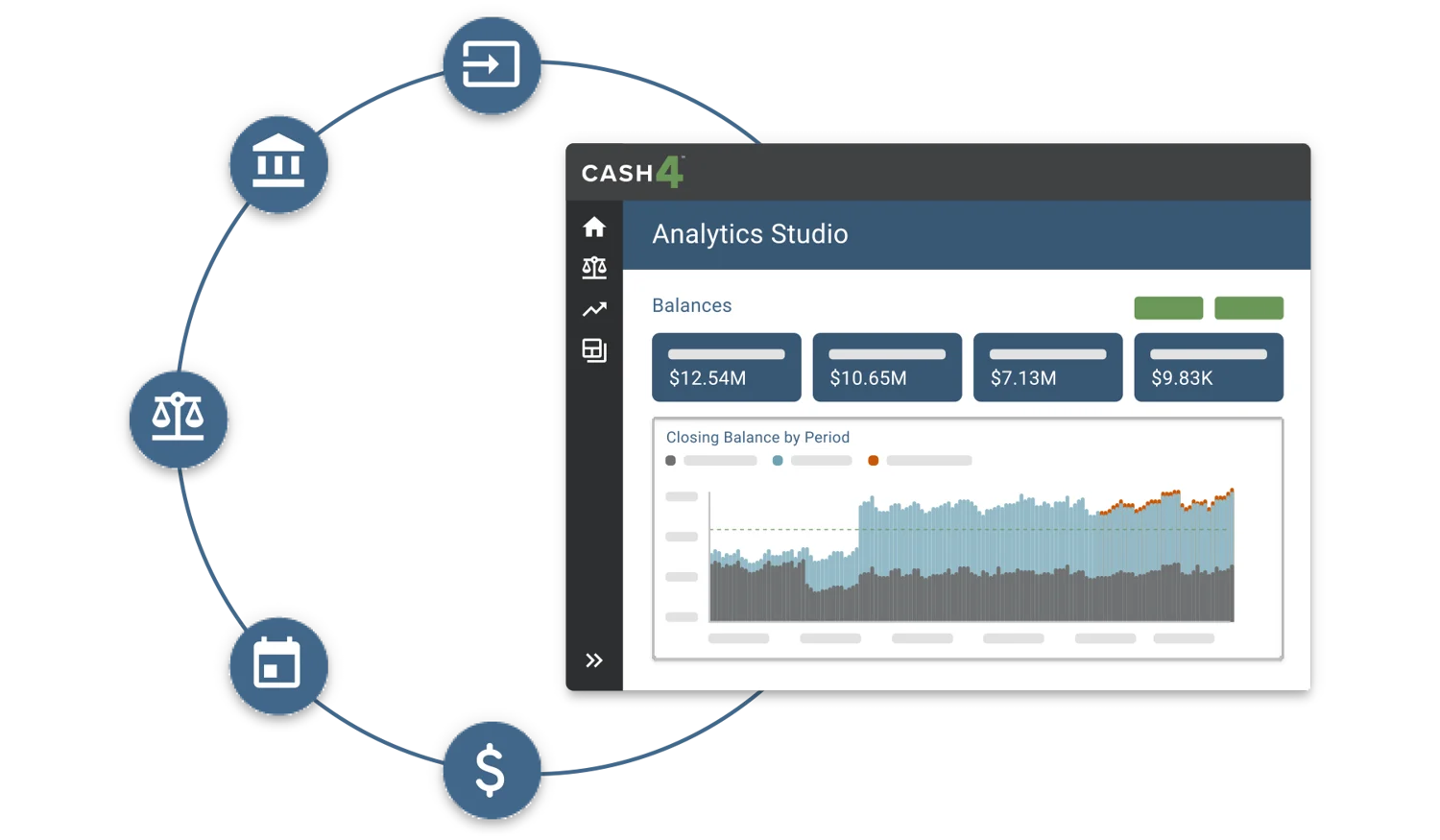
Use treasury analytics to model how interest rate shifts impact the value of your tokenized assets. If you are issuing credit against treasury bills, you must calculate the exact liquidation thresholds required to protect lenders. Tools that offer implied yield curves and duration analysis help you set dynamic collateralization ratios that adjust to market stress, preventing under-collateralization during sudden rate hikes.
Onchain credit infrastructure requires explicit audit trails for KYC/AML and securities laws. Verify that your analytics dashboard can tag transactions with regulatory metadata. This means distinguishing between qualified institutional buyers and retail participants in the data layer. If the analytics tool cannot filter data by investor accreditation status, it cannot support a compliant credit market.
Global trade policy changes can instantly alter the liquidity of certain treasury instruments. Use historical analytics to simulate how past trade wars affected your specific treasury baskets. Apply these scenarios to your onchain credit models to see if your smart contracts would trigger forced liquidations or if they can absorb the shock. This proactive testing prevents systemic failures when external economic shocks hit.
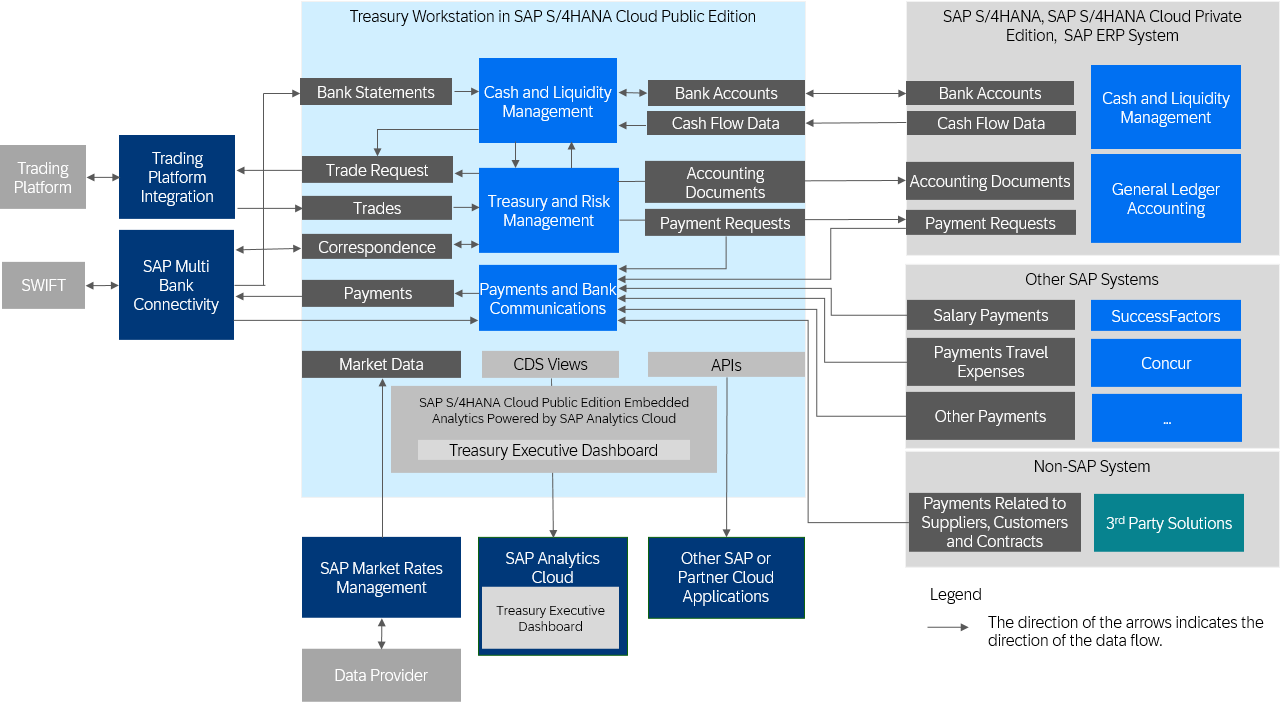
Your analytics should not live in a silo. Ensure the platform offers robust API connectivity to your enterprise resource planning (ERP) system. This allows finance leaders to view treasury performance alongside operational cash flow in a single view. Seamless integration reduces manual reconciliation errors and provides a holistic view of the organization’s financial health.
Spot the Weak Options in Treasury Analytics
When evaluating platforms for real-world asset tokenization and onchain credit infrastructure, not all "transparent" claims hold up. The market is flooded with tools that look sophisticated but lack the depth needed for high-stakes financial decisions. To separate signal from noise, you need to scrutinize three common weak options that appear in many modern treasury analytics dashboards.
The Deliverable Basket Black Box
Many platforms claim to offer full transparency by listing deliverable baskets for Treasury products. However, the critical data often hides in plain sight. As noted by CME Group, these tools are designed to show analytics like implied yields and security lists, but they frequently omit the real-time stress-test scenarios that determine actual liquidity during volatility. If a platform doesn't clearly show how the basket adjusts under stress, it’s a weak option. Look for providers that expose the underlying mechanics, not just the static list.
Cash Flow Forecasting Without Volatility Buffers
A common mistake is relying on treasury analytics that manage trade policy uncertainty but ignore cash flow volatility. Some tools promise data-driven decisions but fail to integrate real-time volatility buffers into their forecasting models. This creates a false sense of security. A robust system must account for sudden shifts in trade policy or market liquidity. If the forecast doesn't show how it reacts to a 10% swing in currency or rate volatility, it’s not ready for prime time.
Static Charts in a Dynamic Market
Finally, avoid platforms that rely on static, historical charts for current market analysis. In the world of onchain credit infrastructure, data moves instantly. A static chart of Treasury yields from last month is useless for today’s tokenization decisions. You need provider-backed widgets that reflect live market conditions. For instance, using a live TechnicalChart for NASDAQ:AAPL or a PriceWidget for BTC allows you to see real-time correlations between traditional treasuries and digital assets. If your analytics tool doesn’t offer this level of live integration, it’s holding you back.
Transparent treasury analytics: what to check next
Treasury teams face unique hurdles when integrating real-world asset tokenization and onchain credit into existing systems. These questions address the practical friction points between legacy infrastructure and emerging blockchain protocols.
No comments yet. Be the first to share your thoughts!