What transparent treasury analytics means
Transparent treasury analytics is the practice of using onchain data to verify the backing of tokenized assets in real time. In this context, "transparent" does not refer to quarterly financial statements or offchain audits. It refers to a system where the reserves supporting a token are visible on the blockchain as they happen.
Traditional treasury reporting relies on centralized data sources. Banks and financial institutions provide statements that are often delayed, aggregated, or opaque. CFOs and analysts must trust these third-party reports. There is no direct way to verify the assets exist or that they match the reported value at any given second.
Onchain analytics changes this dynamic. By reading the blockchain directly, users can see the exact composition of a treasury. They can verify that the tokens in circulation are fully backed by the underlying real-world assets (RWA). This creates a single source of truth that is accessible to anyone with an internet connection.
This shift from trust-based reporting to verification-based transparency is critical for the RWA market. It reduces counterparty risk and allows investors to assess the health of a project without waiting for official disclosures.
The distinction matters because the speed of crypto markets demands immediate visibility. A delay in reporting can mask liquidity crunches or solvency issues. Onchain data eliminates this lag, providing a live window into the financial health of tokenized entities.
Why tokenized assets need onchain proof
The bridge between traditional finance and blockchain relies on trustless verification. In the real-world asset (RWA) market, investors cannot rely on periodic PDF reports or opaque custodial statements to assess risk. They need real-time visibility into collateral quality to mitigate counterparty risk. Onchain proof provides this by anchling asset data directly to the ledger, ensuring that the token’s value is always backed by verifiable, up-to-date evidence.
This demand for transparency is not new to traditional markets, but it has historically been fragmented. U.S. regulators have long pushed for clearer post-trade data. FINRA recently enhanced transparency initiatives to improve transaction reporting in the U.S. Treasury securities market, recognizing that delayed or hidden data increases systemic risk FINRA. The government also emphasizes data transparency in tax and policy areas to ensure accountability U.S. Department of the Treasury.
Tokenization solves this by making the "proof" immutable and instant. Instead of waiting for a monthly audit, investors can view collateral status, ownership, and compliance status on-chain. This shift from periodic reporting to continuous verification is the primary driver for adopting onchain analytics in the RWA sector.
Key metrics for treasury verification
Transparent Treasury Analytics works best as a clear sequence: define the constraint, compare the realistic options, test the tradeoff, and choose the path with the fewest hidden costs. That order keeps the advice usable instead of decorative. After each step, pause long enough to check whether the recommendation still fits the reader's actual situation. If it depends on perfect timing, unusual access, or a best-case budget, include a simpler fallback.
The simplest way to use this section is to write down the real constraint first, compare each option against it, and choose the path that still works outside ideal conditions.
Market Trends in RWA Data Transparency
The crypto finance sector is undergoing a structural shift toward standardized, provider-backed data feeds. This move mirrors traditional finance’s push for post-trade transparency, aiming to reduce friction and build institutional trust in real-world asset (RWA) markets. As regulatory bodies like FINRA enhance reporting requirements for U.S. Treasury securities, onchain markets are responding by adopting similar rigor for tokenized assets FINRA 2024.
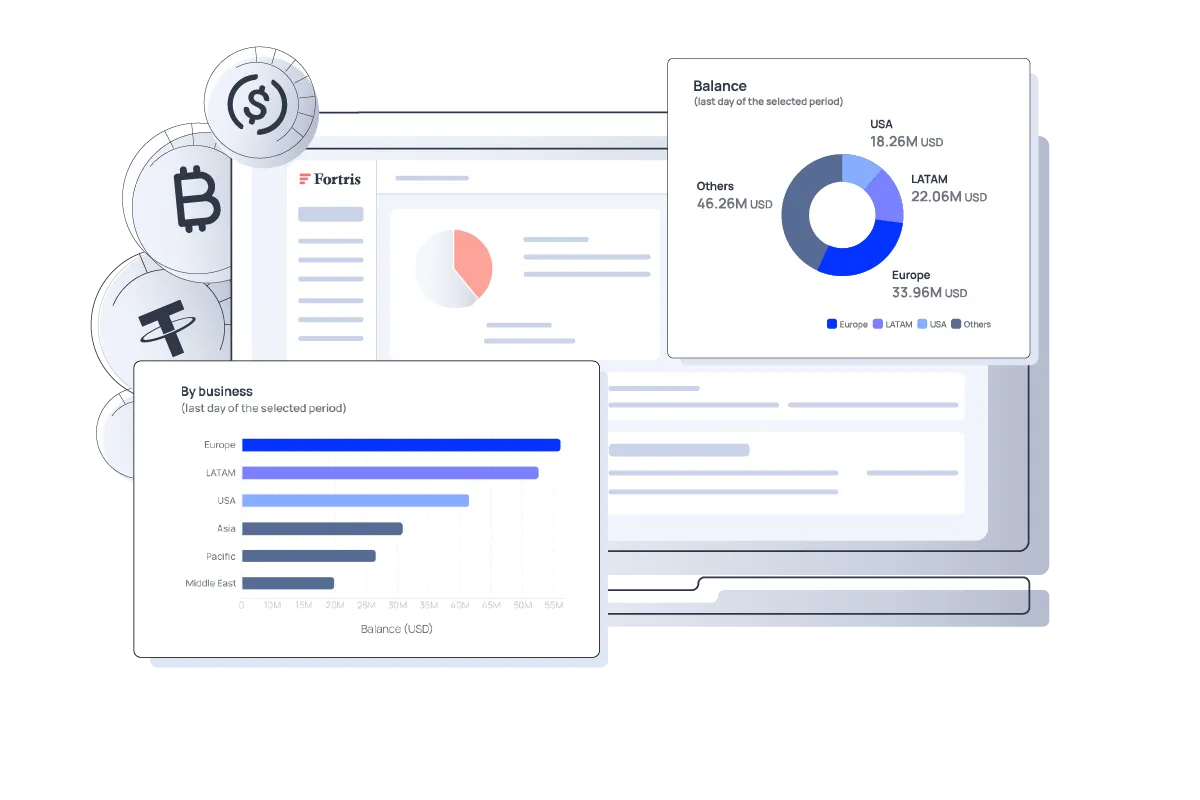
Standardization is no longer optional; it is the primary driver of liquidity. When data feeds are consistent and auditable, secondary market transactions become more efficient, fostering deeper understanding of market activity. This alignment between onchain transparency and offchain regulatory expectations is creating a new baseline for RWA valuation and trading.
To visualize this maturation, we can look at the broader market context where data integrity directly influences asset performance.
Choosing the right analytics provider
Selecting a treasury analytics platform requires verifying two core capabilities: the reliability of its data sources and the speed of its updates. For onchain real-world asset (RWA) markets, where asset-backed tokens settle across multiple blockchains, the gap between a transaction’s occurrence and its reporting in your dashboard defines your operational risk.
Do not rely on platforms that scrape public mempool data alone. Ensure the provider connects directly to official issuer APIs or trusted oracles. This direct integration confirms that the onchain data matches the legal entity’s actual treasury position, preventing discrepancies between reported assets and real-world value.
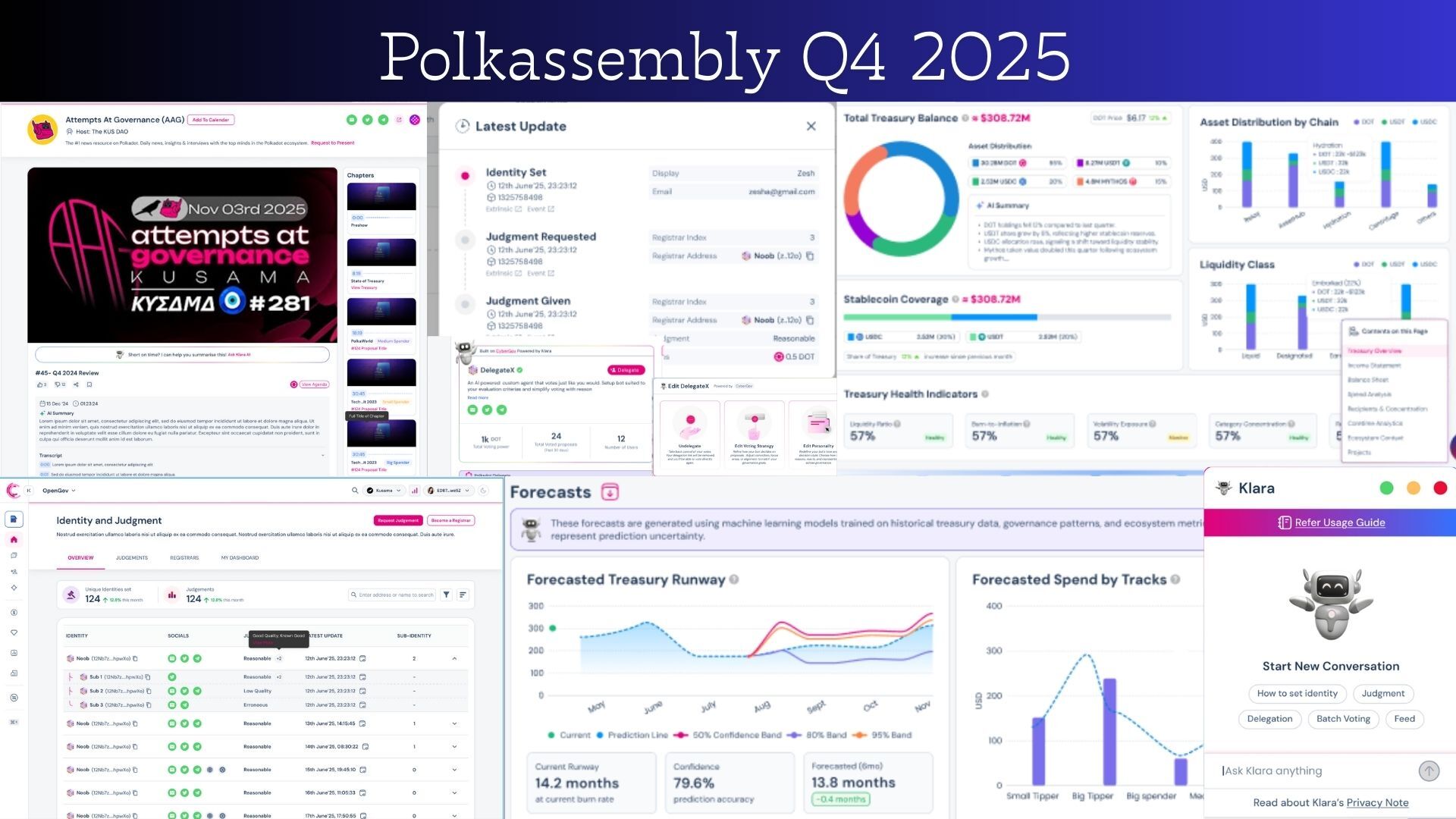
In high-stakes treasury management, stale data is a liability. Choose a provider that offers real-time or near-real-time settlement tracking. If your RWA holdings are subject to rapid market shifts, a delay of even a few hours can obscure liquidity risks. Look for providers with transparent update logs and low-latency data pipelines.
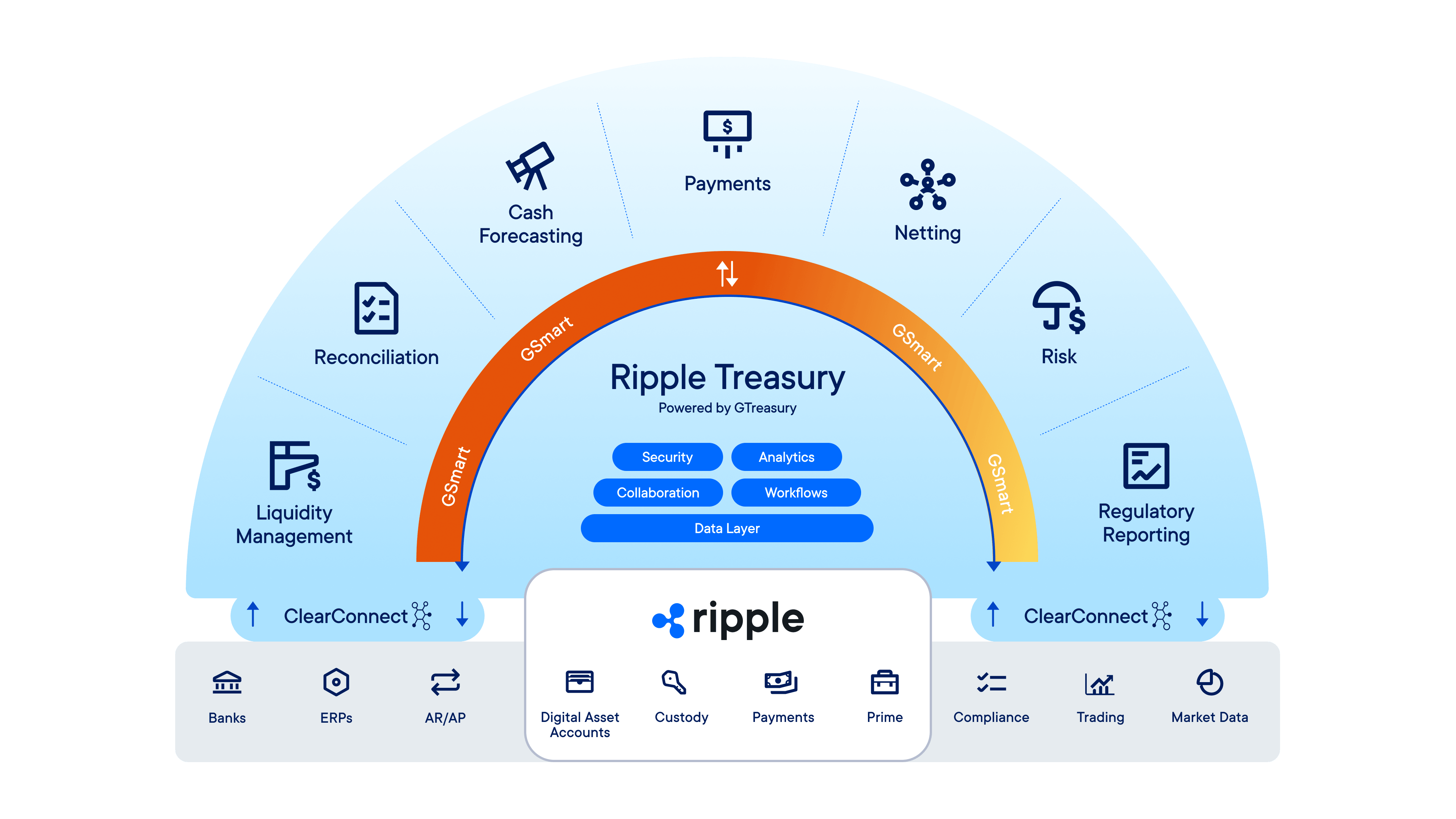
Your analytics tool must support the specific token standards of your RWA portfolio. Whether you hold tokenized bonds, real estate, or commodities, the platform should automatically parse and categorize these assets. Standardized reporting ensures you can view your entire treasury in a single dashboard without manual reconciliation of different token formats.
| Feature | Basic Analytics | Advanced RWA Analytics |
|---|---|---|
| Data Source | Public Web Scraping | Official API/Oracle Integration |
| Update Frequency | Daily/Weekly Batches | Real-Time/Near-Real-Time |
| Asset Standardization | Manual Tagging | Automated Token Parsing |
A robust analytics provider acts as the single source of truth for your treasury. By prioritizing official data integration and real-time capabilities, you ensure that your onchain RWA investments are transparent, accurate, and actionable.
Common questions about treasury data
When researching tokenized assets, verifying the integrity of onchain treasury data is as critical as the asset itself. Users frequently ask how onchain metrics relate to traditional market benchmarks and whether the data streams they rely on are truly real-time.
How does onchain data latency compare to traditional benchmarks?
Onchain treasury analytics often operate on a different timeline than traditional financial markets. While traditional benchmarks like those provided by CME Group update based on exchange settlement cycles, onchain data reflects transaction finality as it occurs on the blockchain. This can create a perception of latency if the oracle or indexing layer is not optimized, but the data is often more immediate than daily NAV reports.
Are onchain treasury sources as reliable as institutional feeds?
Reliability in onchain treasury verification depends on the provenance of the data. Institutional feeds, such as those from CME Group, offer high trust scores for traditional treasury products. In contrast, onchain data relies on smart contract audits and oracle networks. For tokenized RWA, the most reliable sources combine onchain verification with off-chain attestations from the asset issuer, ensuring the digital token matches the underlying reserve.
Why do treasury analytics tools show different yield figures?
Discrepancies in yield calculations usually stem from the difference between implied yields and actual realized returns. Traditional tools may show implied yields based on futures curves, while onchain treasury dashboards track the actual distribution of yield to token holders. Understanding this distinction is vital for accurate valuation, as one represents market expectation and the other represents cash flow reality.
No comments yet. Be the first to share your thoughts!