Transparent Treasury Analytics Strategy
Treasury analytics has shifted from internal reporting to public accountability. For tokenized real-world assets (RWA) and onchain credit, transparency is no longer a feature—it is the product. Investors and regulators demand to see the ledger, not just the summary. A clear treasury analytics strategy ensures that every dollar, debt obligation, or collateralized asset is traceable on-chain in real time.
This approach requires more than just publishing data. It demands structural integrity in how treasury operations are recorded and verified. The strategy rests on three non-negotiable pillars: verifiable liquidity, auditable debt structures, and real-time collateralization ratios. Without these, tokenized RWA remains speculative rather than institutional.
1. Verifiable Liquidity Streams
Liquidity must be proven, not promised. In traditional finance, this meant bank statements. Onchain, it means showing the actual cash flows and reserve accounts that back the token. Use on-chain dashboards to track incoming payments and outgoing obligations directly from the treasury wallet. This eliminates the lag between "reported" and "actual" cash positions.
2. Auditable Debt Structures
Debt obligations in tokenized formats must be fully transparent. This involves disclosing the maturity dates, interest rates, and covenants associated with each onchain credit instrument. Smart contracts should automatically enforce these terms, making the debt structure self-auditing. This reduces counterparty risk and builds trust with institutional lenders.
3. Real-Time Collateralization Ratios
Collateralization is the backbone of onchain credit. A transparent strategy requires live tracking of the collateral-to-debt ratio. If the ratio drops below a certain threshold, the system should automatically trigger liquidation or margin calls. This dynamic monitoring prevents the buildup of hidden leverage that plagues traditional treasury management.
Evaluate transparent treasury analytics choices that change the plan
As 2026 mandates push corporate treasuries beyond simple operational efficiency, the focus has shifted to deeper risk visibility and data transparency. When selecting tools for tracking tokenized real-world assets (RWA) and onchain credit, you must weigh the concrete tradeoffs between speed, accuracy, and compliance.
The following comparison highlights the primary strategic considerations for implementing transparent treasury analytics in a high-stakes financial environment.
| Factor | Onchain RWA Tracking | Traditional Fiat Treasury | Hybrid Bridge |
|---|---|---|---|
| Latency | Real-time settlement visibility | T+1 or T+2 batch processing | Near-real-time with reconciliation lag |
| Auditability | Immutable public ledger proof | Internal ledger with limited external view | Dual-ledger with cross-reference hashes |
| Liquidity Access | 24/7 global market access | Business hours and banking corridors | Restricted by custodian hours |
| Compliance Burden | High smart contract audit requirements | Standard regulatory reporting | Complex dual-regime monitoring |
| Data Granularity | Transaction-level detail | Aggregated account balances | Detailed onchain with fiat aggregation |
Onchain visibility vs. reconciliation complexity
Onchain treasury analytics offer unparalleled granularity. Every transaction is recorded on a public ledger, providing an immutable proof of existence that traditional bank statements cannot match. This level of analytical transparency is critical for verifying the backing of tokenized RWA in real-time.
However, this visibility comes with a tradeoff. The raw data is often noisy and requires significant computational overhead to reconcile with offchain fiat accounts. Treasuries must invest in robust middleware to bridge the gap between onchain events and traditional accounting standards, adding a layer of technical complexity that can delay final reporting.
Latency and liquidity access
Traditional treasury systems are bound by banking hours and settlement cycles, typically T+1 or T+2. This lag can obscure real-time liquidity positions, making it difficult to react swiftly to market shifts or credit events.
Onchain infrastructure operates 24/7, providing immediate access to global liquidity pools. This continuous access allows for more dynamic cash management and faster response to yield opportunities. The tradeoff is that constant market exposure increases the risk of price volatility and requires sophisticated automated safeguards to prevent unintended liquidations or exposure during off-hours.
Compliance and audit requirements
Regulatory scrutiny is intensifying. The new transparency mandate for corporates in 2026 requires treasurers to provide clear, auditable trails for all assets, including those held onchain. Traditional systems benefit from established regulatory frameworks and familiar reporting structures.
Onchain assets, however, require new compliance paradigms. Smart contracts must be audited, and identity verification (KYC/AML) must be integrated directly into the tokenization layer. Hybrid approaches attempt to mitigate this by maintaining a dual-ledger system, where onchain activity is hashed and referenced in traditional compliance reports, though this introduces its own reconciliation challenges.
Build a transparent treasury analytics framework
Tokenized real-world assets (RWAs) and onchain credit infrastructure shift treasury management from static reporting to real-time visibility. To track these assets effectively, you need a decision framework that prioritizes data integrity and operational clarity. This approach ensures that every tokenized bond or credit facility is auditable and aligned with traditional treasury standards.
Implementing this framework requires moving beyond simple balance sheet checks. You must verify how liquidity is modeled, how risk is priced, and how compliance data flows from the blockchain to your internal systems. The following steps outline the essential checks for building a robust analytics layer.
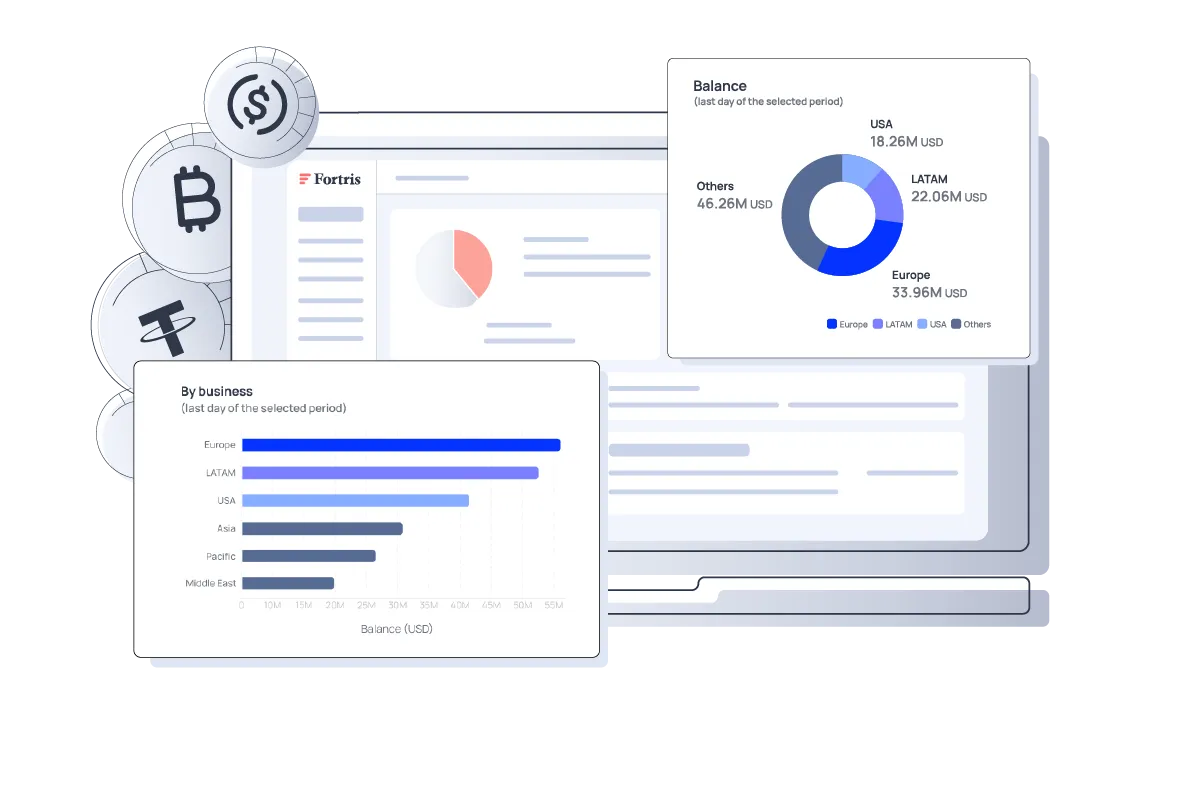
Before analyzing tokenized RWAs, confirm that the underlying smart contracts provide immutable, timestamped records of ownership and transfers. Use block explorers to trace the flow of assets from issuance to secondary trading. This step ensures that your analytics platform is pulling from a single source of truth, preventing discrepancies between onchain activity and offchain reporting.
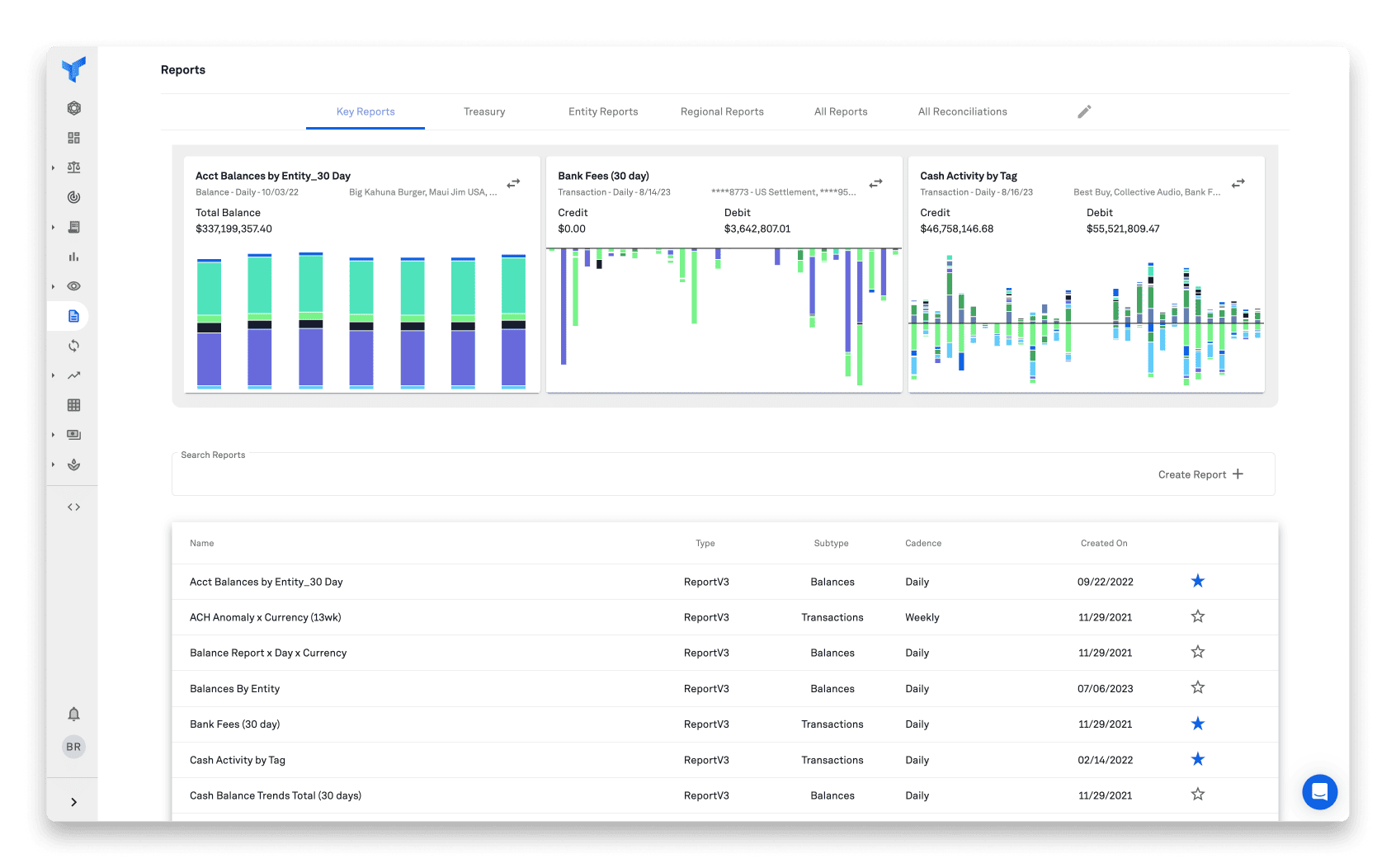
Tokenized credit instruments often settle differently than traditional bonds. Define how your treasury software handles atomic settlements versus T+1 or T+2 cycles. Create a mapping layer that converts onchain settlement events into your internal cash flow forecasts. This prevents liquidity shortfalls by aligning your available cash with the actual settlement timing of tokenized assets.
Onchain credit infrastructure requires dynamic risk pricing. Integrate oracle feeds that provide real-time interest rate benchmarks and credit spreads. Your analytics framework should automatically adjust the valuation of tokenized bonds based on these live inputs. This allows you to monitor mark-to-market exposure continuously rather than relying on end-of-day snapshots.
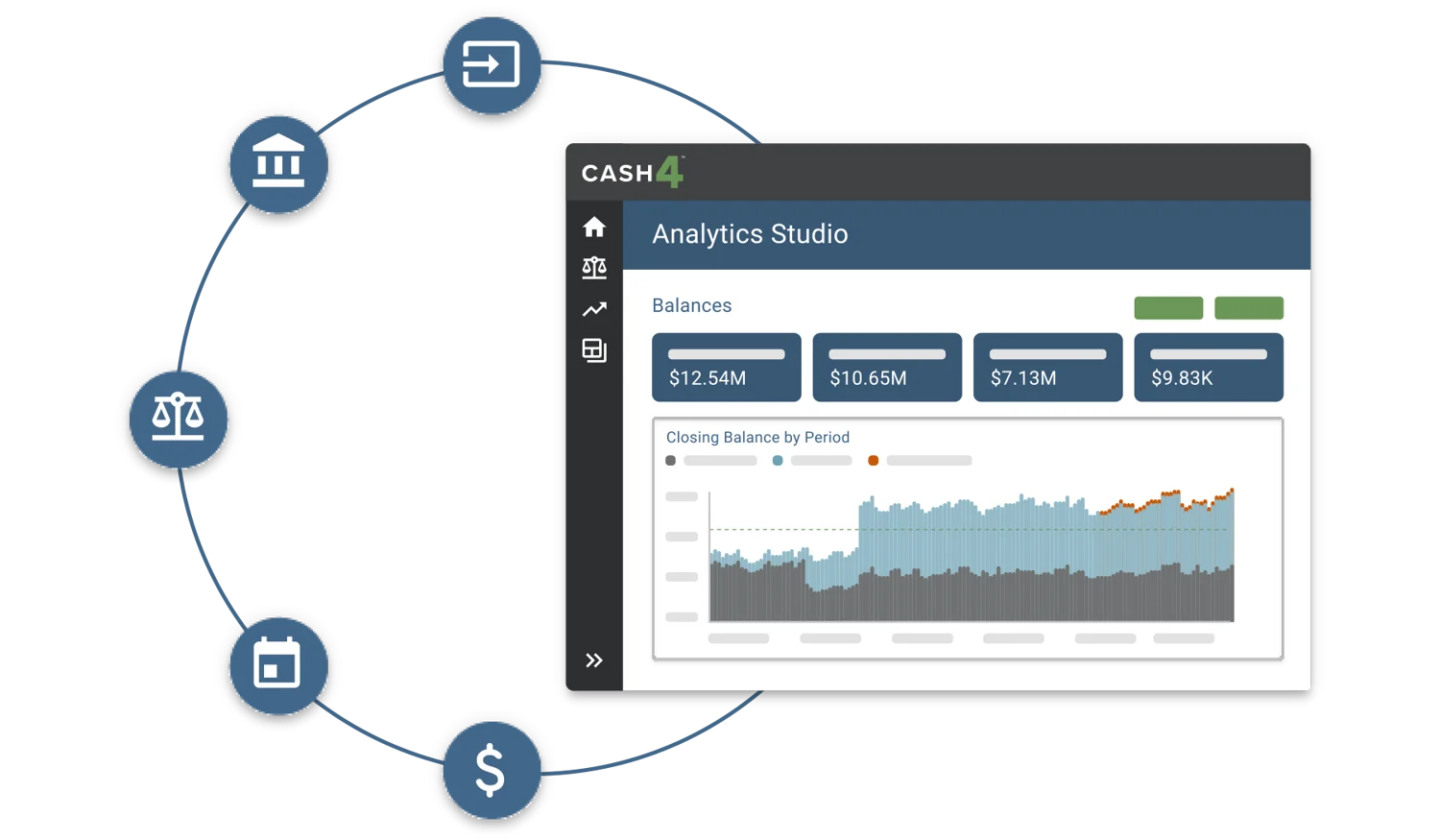
Regulatory compliance is non-negotiable for institutional treasury operations. Ensure your analytics platform can generate audit-ready reports that link onchain transactions to offchain KYC/AML data. Use smart contract tags or metadata standards to categorize transactions by jurisdiction and asset class. This simplifies regulatory reporting and reduces the manual effort required for compliance checks.
| Feature | Traditional Treasury | Onchain RWA |
|---|---|---|
| Settlement | T+1 to T+2 | Atomic/Real-time |
| Data Source | Centralized ledgers | Blockchain explorers |
| Risk Updates | End-of-day | Live oracle feeds |
| Audit Trail | Manual reconciliation | Immutable timestamps |
Watchouts for misleading claims
Treasury analytics for tokenized real-world assets (RWA) and onchain credit infrastructure promises real-time visibility, but the market is full of weak options and misleading claims. Tracking these assets requires distinguishing between superficial dashboards and systems that actually verify underlying collateral. A misleading claim often centers on the promise of "full transparency" without explaining how data is sourced or verified. Analytical transparency means providing a full account of how inferences are drawn from data, linking empirical claims directly to the underlying sources. Without this, you are looking at a black box.
The primary keyword cluster here is "transparent treasury analytics." When evaluating tools, look for systems that expose their data lineage. If a platform claims to track tokenized RWA but does not disclose which custodians or oracle providers feed its data, treat this as a red flag. Many platforms conflate price data with asset validity. Price fluctuations are easy to track; verifying that the token is fully backed by the underlying real-world asset is the hard part. Weak options often skip this verification step, leaving you exposed to counterparty risk.
Common mistakes include relying on a single data source for critical treasury decisions. Diversifying your data inputs is essential. If one oracle fails or provides stale data, your analytics become misleading. Additionally, many tools fail to integrate seamlessly with existing treasury management systems, creating data silos. This fragmentation undermines the very transparency you are seeking. Ensure any tool you adopt supports standard data formats and APIs for easy integration.
Finally, be wary of platforms that overpromise on automation. While automation can reduce manual errors, it cannot replace human judgment in complex financial scenarios. Treasury analytics should augment, not replace, expert analysis. Look for tools that provide clear, auditable logs of all automated actions. This ensures you can trace any discrepancy back to its source, maintaining the integrity of your treasury operations.
No comments yet. Be the first to share your thoughts!