Transparent treasury analytics limits to account for
Treasury analytics for tokenized real-world assets (RWAs) relies on the same fundamental mechanics as traditional fixed-income futures, but with stricter data transparency requirements. In conventional markets, the "Cheapest to Deliver" (CTD) bond determines the effective yield of a futures contract, calculated as the current bond price minus the settlement price multiplied by the conversion factor. This calculation assumes opaque, off-chain settlement data that rarely updates in real-time. Tokenized RWAs remove this opacity by anchoring cash flows and collateral states directly to the blockchain, forcing treasury models to process on-chain data at every block.
This shift creates a specific constraint: the analytics engine must reconcile traditional financial metrics with immutable on-chain records. You cannot simply pull end-of-day bank statements; you must parse smart contract events that reflect liquidity movements, collateral ratios, and yield distributions instantly. The goal is to maintain the precision of traditional treasury data analytics while adapting to the speed of tokenized markets.
To monitor credit risks effectively, your analytics stack must prioritize three concrete checks. First, verify the real-time liquidity coverage ratio of the RWA pool against on-chain debt obligations. Second, track the implied yield of the tokenized basket by comparing spot token prices to the underlying asset's benchmark yield. Third, monitor the conversion factor dynamics if the tokenization structure includes deliverable baskets similar to Treasury futures. These checks replace static reports with live, verifiable data points that prevent hidden leverage buildup.
The constraint is not just technical; it is operational. Treasury teams accustomed to monthly reconciliation cycles must adapt to continuous verification. This means shifting from retrospective analysis to predictive monitoring, where on-chain anomalies trigger immediate risk alerts rather than end-of-quarter surprises. The transparency that makes tokenization attractive also removes the buffer of time that traditional treasuries rely on to correct errors.
Transparent treasury analytics choices that change the plan
When monitoring onchain credit risks in tokenized RWAs, transparency is not a binary state. It is a spectrum of data availability that directly impacts liquidity, valuation accuracy, and regulatory compliance. Treasury analytics must balance the depth of real-time visibility against the complexity of integration and the privacy constraints of institutional counterparties.
The following comparison breaks down the concrete tradeoffs between different tiers of transparency. This framework helps treasury teams evaluate which level of data granularity is necessary for their specific risk profile and operational capacity.
| Factor | Full Onchain Transparency | Partial/Oracle-Relied | Minimal/Offchain |
|---|---|---|---|
| Valuation Accuracy | Real-time NAV updates based on actual onchain balances and yield accruals. | ||
| Valuation Accuracy | Delayed pricing dependent on oracle update frequency; potential for stale data. | ||
| Valuation Accuracy | Static NAV or monthly reports; significant lag in reflecting market shifts. | ||
| Liquidity Depth | High. Instant settlement and atomic swaps attract algorithmic and HFT liquidity. | ||
| Liquidity Depth | Moderate. Friction from oracle latency and bridge risks limits high-frequency trading. | ||
| Liquidity Depth | Low. Traditional settlement cycles (T+1/T+2) restrict liquidity to institutional players. | ||
| Data Privacy | Low. All transaction histories are public; sensitive counterparty data is exposed. | ||
| Data Privacy | Medium. Zero-knowledge proofs or selective disclosure can mask specific details. | ||
| Data Privacy | High. Traditional banking privacy applies; offchain data is not publicly auditable. | ||
| Implementation Cost | High. Requires building custom indexers, node infrastructure, and smart contract audits. | ||
| Implementation Cost | Medium. Relies on third-party oracle services and middleware APIs. | ||
| Implementation Cost | Low. Uses existing ERP and treasury management systems with standard integrations. |
The choice between these tiers often dictates the speed at which a treasury can react to market shocks. Full transparency offers the fastest signal-to-noise ratio for risk management but introduces significant compliance hurdles for regulated entities. Conversely, minimal transparency protects institutional privacy but creates blind spots in real-time credit exposure monitoring.
For tokenized RWAs, the "partial" model is currently the most pragmatic compromise. By relying on verified oracles for price feeds while keeping detailed transaction data offchain or privacy-preserving, treasuries can maintain operational efficiency without sacrificing all visibility. However, this introduces counterparty risk to the oracle provider itself, a new vector of credit risk that must be actively monitored.
Ultimately, the tradeoff is not just technical but strategic. Treasuries must decide how much data they are willing to expose to gain the benefits of onchain liquidity and efficiency. The most robust analytics frameworks do not seek maximum transparency at all costs, but rather the optimal level of visibility that aligns with their risk tolerance and regulatory obligations.
Choose the next step
Treasury analytics for tokenized real-world assets (RWAs) requires a structured approach to onchain credit risk. Unlike traditional corporate treasuries, tokenized systems demand real-time visibility into collateral health, smart contract exposure, and liquidity fragmentation. The following framework turns raw data into actionable decisions.
Tokenized treasuries often mirror futures mechanics where the "Cheapest to Deliver" (CTD) bond dictates value. Use analytics to isolate which underlying asset is most expensive to hold versus cheapest to deliver. This calculation—Current Bond Price minus Settlement Price times the Conversion Factor—determines your effective exposure. Ignoring CTD dynamics can lead to unintended leverage or margin calls.

Onchain liquidity is fragmented across protocols. Consolidate data from bank statements, cash flow statements, and onchain liquidity pools into a single view. Hybrid bank connectivity allows you to see offchain reserves alongside onchain tokenized assets. This comprehensive visibility prevents liquidity traps where onchain tokens are backed by stale or insufficient offchain reserves.
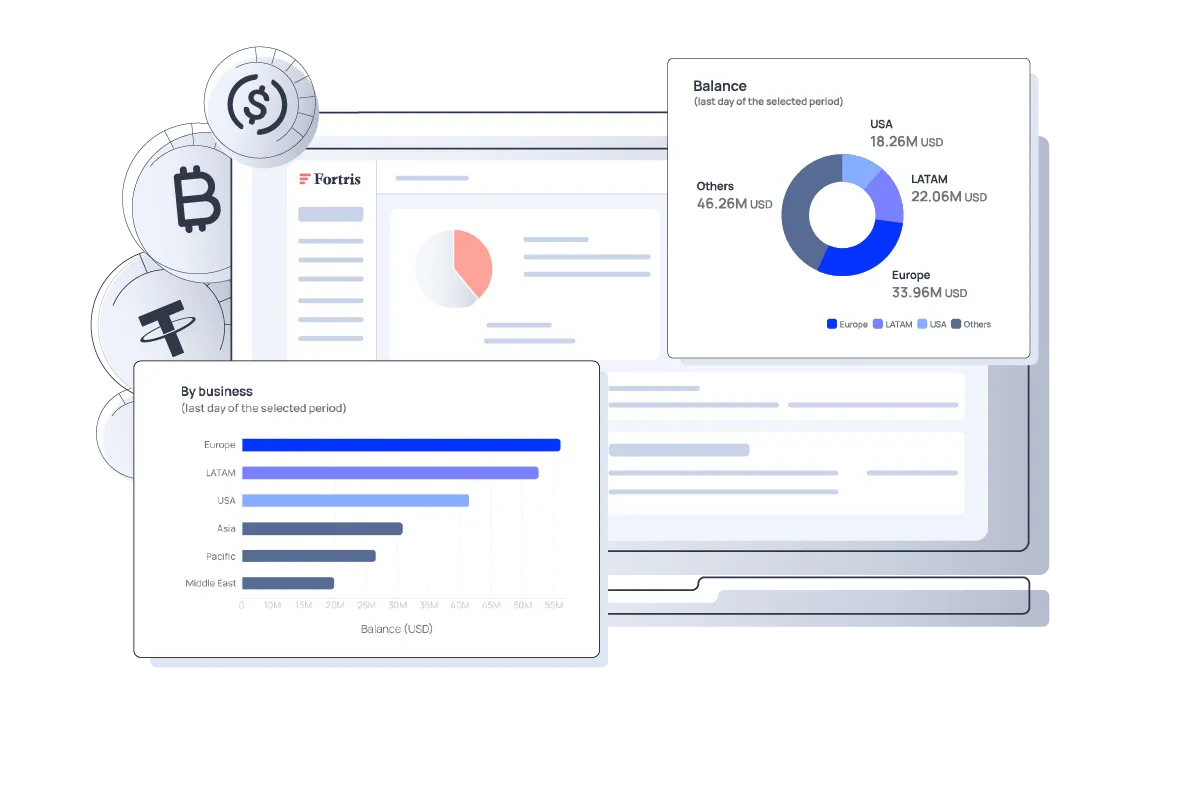
Manual reconciliation fails in high-velocity tokenized markets. Implement automated general ledger reconciliation to close books faster and reduce operational risk. Data-driven automation enhances forecast accuracy by matching onchain transaction hashes with offchain banking records. This step is critical for maintaining audit trails and ensuring that tokenized RWAs remain fully backed at all times.
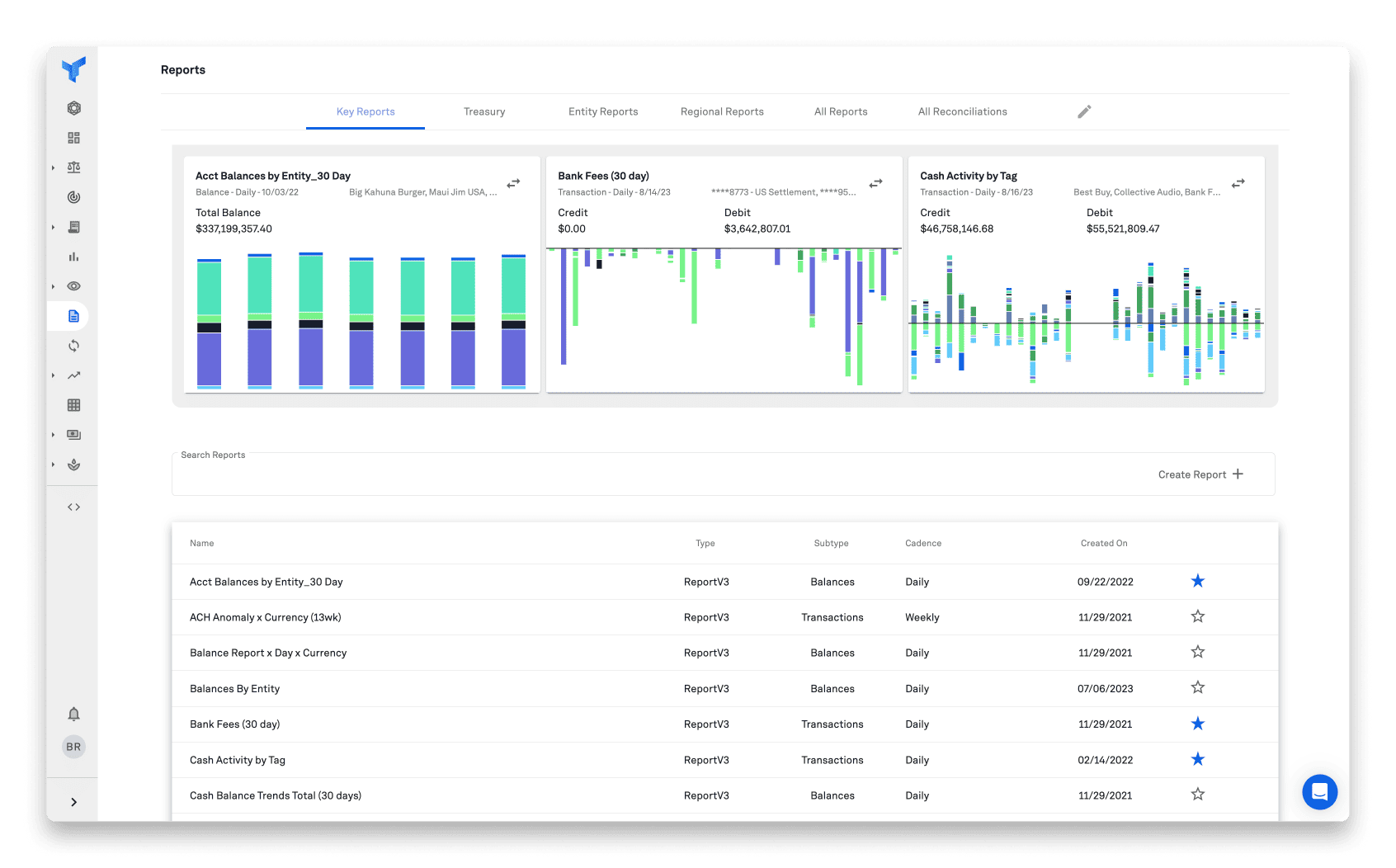
Credit risk in tokenized RWAs is inseparable from code risk. Monitor smart contract vulnerabilities, upgradeability risks, and oracle dependencies. Use technical analysis tools to track protocol health metrics alongside traditional financial ratios. If a protocol's treasury management system lacks transparency, treat it as a high-stakes credit event rather than a technical glitch.
Watchouts: Misleading Claims and Weak Options
Treasury analytics for tokenized RWAs often hides complexity behind polished dashboards. Before trusting a platform’s output, verify how it handles the cheapest to deliver (CTD) bond. CTD is the least expensive security deliverable on a futures contract, calculated as the current bond price minus the settlement price times the conversion factor. Platforms that ignore conversion factors or use stale settlement prices will misprice your RWA exposure, leading to significant hedging errors.
Another common trap is relying on platforms that only aggregate bank statements. True treasury data analytics requires processing cash flow statements, financial reports, and real-time market data simultaneously. If a tool lacks hybrid bank connectivity or automated cash pooling, it cannot provide the liquidity visibility needed for tokenized assets. Legacy systems often fail to close the books quickly, delaying critical risk decisions.
Finally, ensure your team possesses the necessary skills. A treasury analyst needs expertise in cash flow management, financial risk modeling, and advanced Excel. Without these skills, even the best analytics platform becomes a liability. Prioritize tools that support automated general ledger reconciliation and data-driven forecasting to avoid manual errors.
Transparent treasury analytics: what to check next
Before committing to onchain RWA monitoring tools, it helps to clarify what these systems actually track and how they differ from traditional methods. The following answers address common objections regarding cost, skill requirements, and data integrity.
No comments yet. Be the first to share your thoughts!