Defining transparent treasury analytics
Transparent treasury analytics is the practice of using onchain data to provide real-time, verifiable visibility into an organization’s cash and collateral. Unlike legacy treasury management systems that rely on batched bank statements and delayed reporting, this approach treats the blockchain as a single source of truth.
In the context of 2026, the focus has shifted from simple cash tracking to auditing real-world asset (RWA) credit strategies. The "transparent" aspect refers specifically to onchain verifiability of collateral and cash flows, ensuring that every dollar is accounted for without opaque intermediaries.
This shift allows treasurers to move beyond identifying patterns and trends, as described by Kyriba, toward immediate risk mitigation. By leveraging live onchain data, organizations can monitor liquidity positions with the same precision they apply to equity markets, reducing the latency that often obscures financial risk.
While traditional tools help predict future conditions, transparent analytics confirm current states. This distinction is critical for high-stakes financial decisions where data integrity is non-negotiable.
Managing risk during trade policy volatility
Treasury analytics tools are the first line of defense when trade policies shift overnight. In 2026, the new transparency mandate means finance leaders can no longer rely on static reports to navigate sudden tariff changes or FX fluctuations. Instead, real-time data integration allows teams to model the impact of regulatory adjustments before they hit the balance sheet.
This level of visibility transforms risk management from a reactive exercise into a proactive strategy. By automating regulatory compliance checks and tracking cross-border transaction flows, analytics platforms ensure that every trade-related movement is documented and compliant. This reduces the operational drag that usually accompanies sudden market shifts.
The live data feeds provided by these tools are essential for understanding current market conditions. For instance, tracking US 10Y Treasury Futures helps treasurers gauge the cost of hedging and the broader interest rate environment, which often moves in sympathy with trade tensions.
PriceWidget
Onchain credit infrastructure mechanics
Transparent Treasury Analytics works best as a clear sequence: define the constraint, compare the realistic options, test the tradeoff, and choose the path with the fewest hidden costs. That order keeps the advice usable instead of decorative. After each step, pause long enough to check whether the recommendation still fits the reader's actual situation. If it depends on perfect timing, unusual access, or a best-case budget, include a simpler fallback.
| Factor | What to check | Why it matters |
|---|---|---|
| Fit | Match the option to the primary use case. | A good deal still fails if it does not fit the job. |
| Condition | Verify age, wear, and service history. | Hidden condition issues erase upfront savings. |
| Cost | Compare purchase price with likely upkeep. | The cheapest option is not always the lowest-cost option. |
Implementing treasury best practices
Adopting a transparent treasury analytics guide requires more than just purchasing software; it demands a structural shift in how data flows through your organization. Finance leaders must bridge the gap between legacy banking silos and modern onchain visibility. This section outlines the operational steps to integrate these systems effectively.
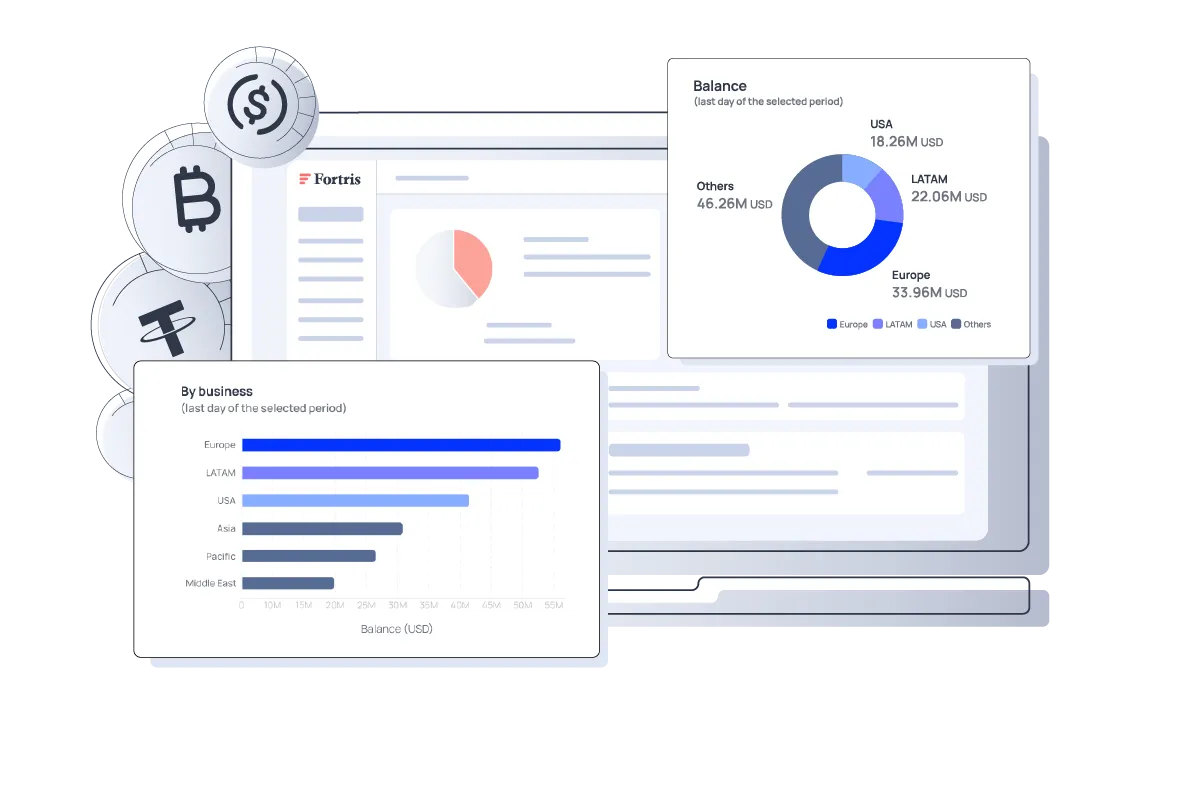
Begin by mapping every cash position, whether held in traditional bank accounts or digital asset custodians. Transparent analytics fails if data sources are fragmented. Identify which systems currently hold your liquidity data and determine how to unify these streams into a single source of truth for real-time reporting.
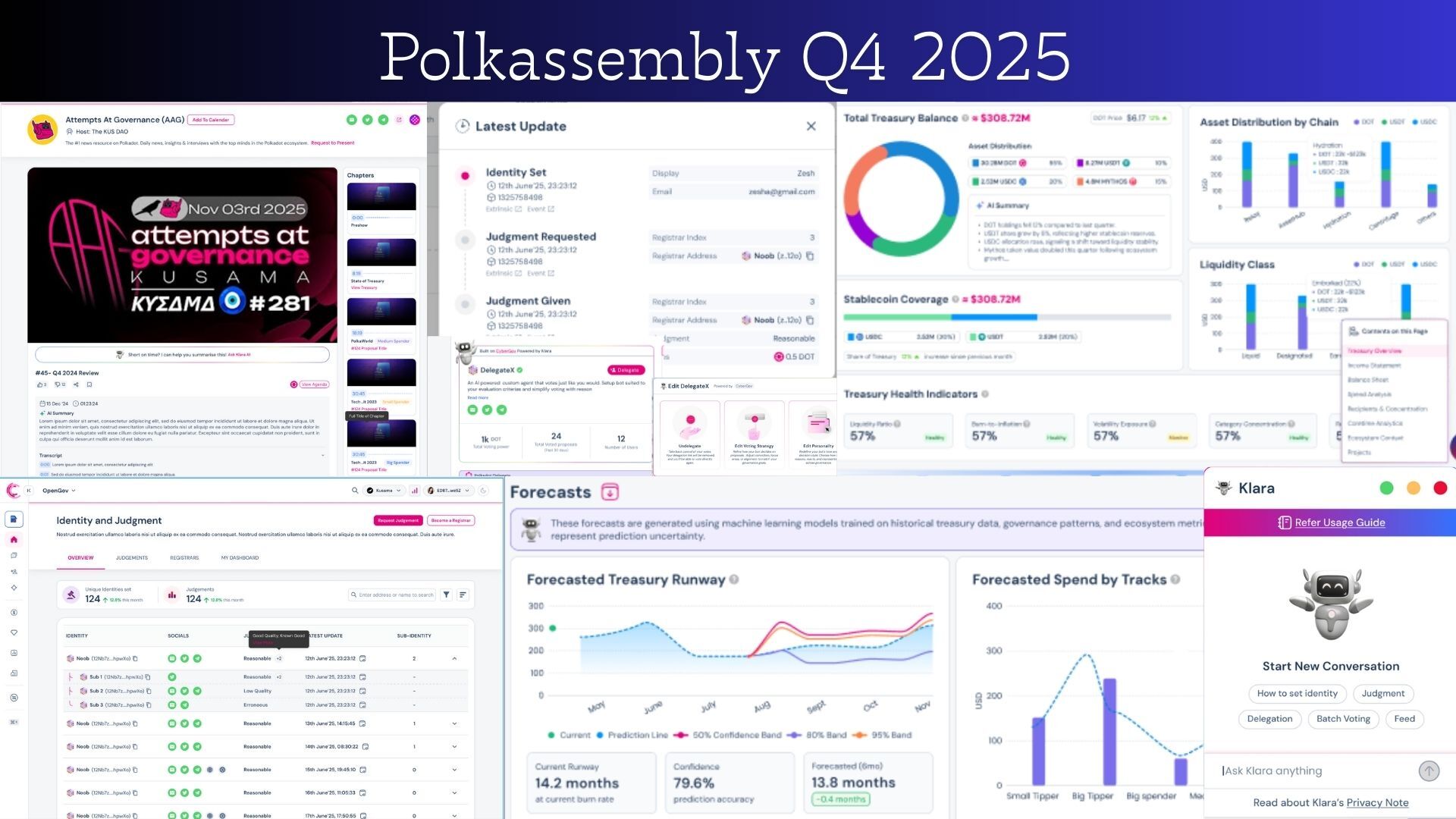
Move beyond legacy interfaces that require manual reconciliation. Implement hybrid bank connectivity to automate cash pooling and FX risk management. This integration ensures that your treasury dashboard reflects actual liquidity positions instantly, reducing the lag time that often leads to suboptimal capital allocation decisions.
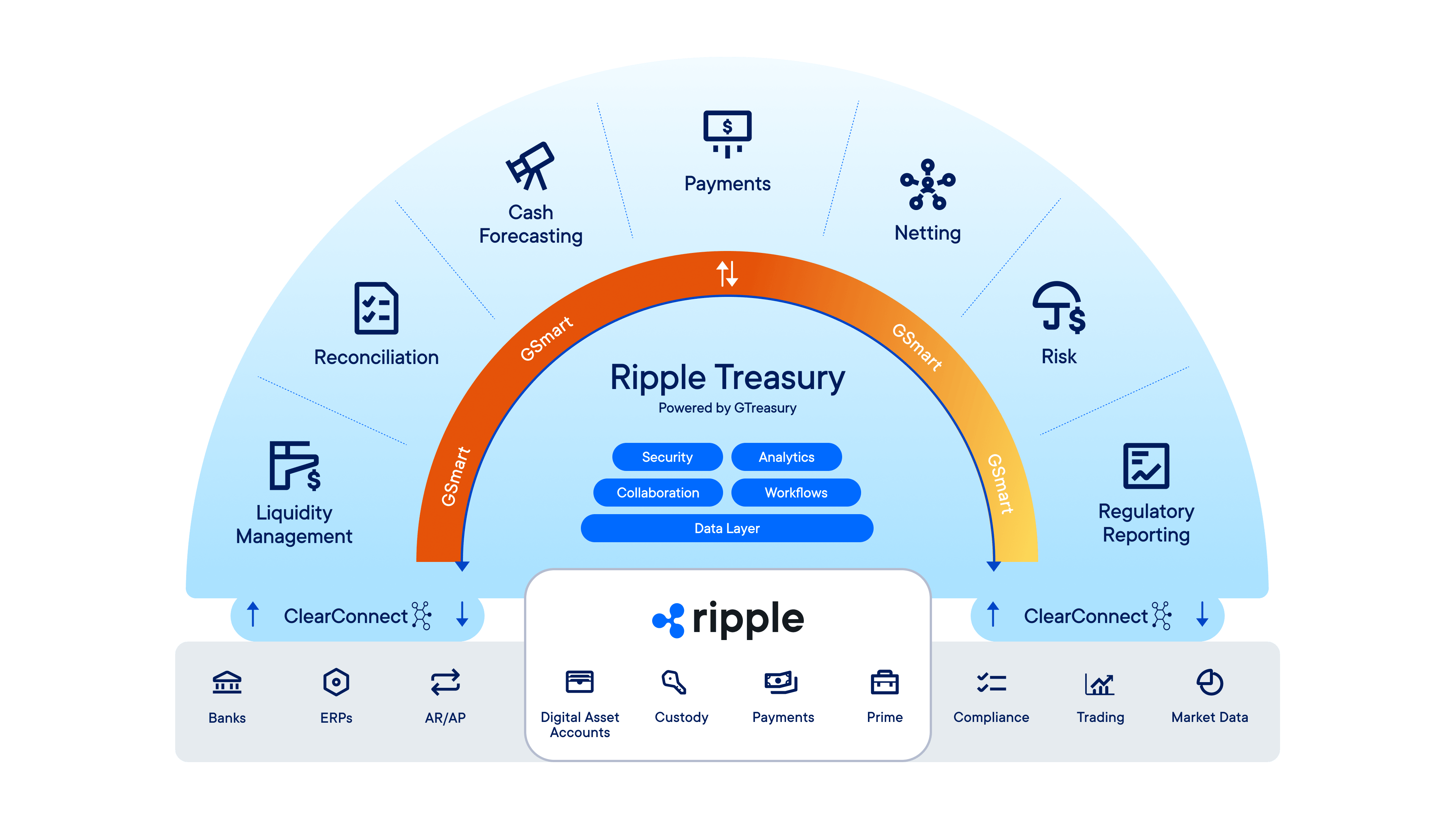
Manual general ledger reconciliation is a bottleneck for transparency. Deploy automated workflows that match onchain transaction hashes with traditional banking statements. This automation not only speeds up the close process but also provides an immutable audit trail, satisfying both internal compliance teams and external auditors.
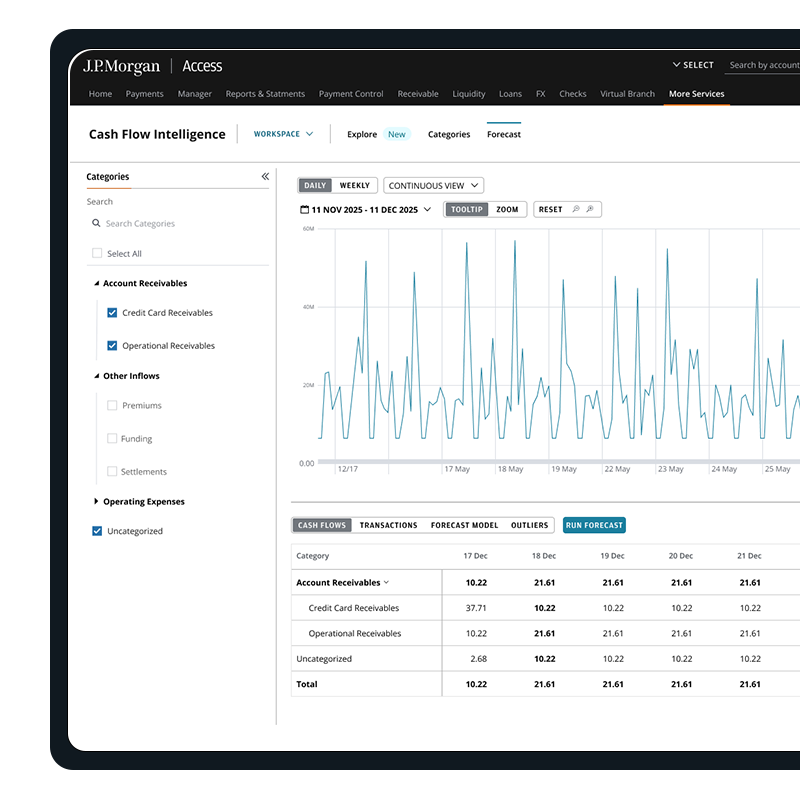
Your team needs more than just Excel proficiency. Treasury analysts must develop expertise in financial risk management and familiarity with treasury management systems that support digital assets. Invest in training that bridges traditional corporate finance with the technical nuances of onchain data verification.
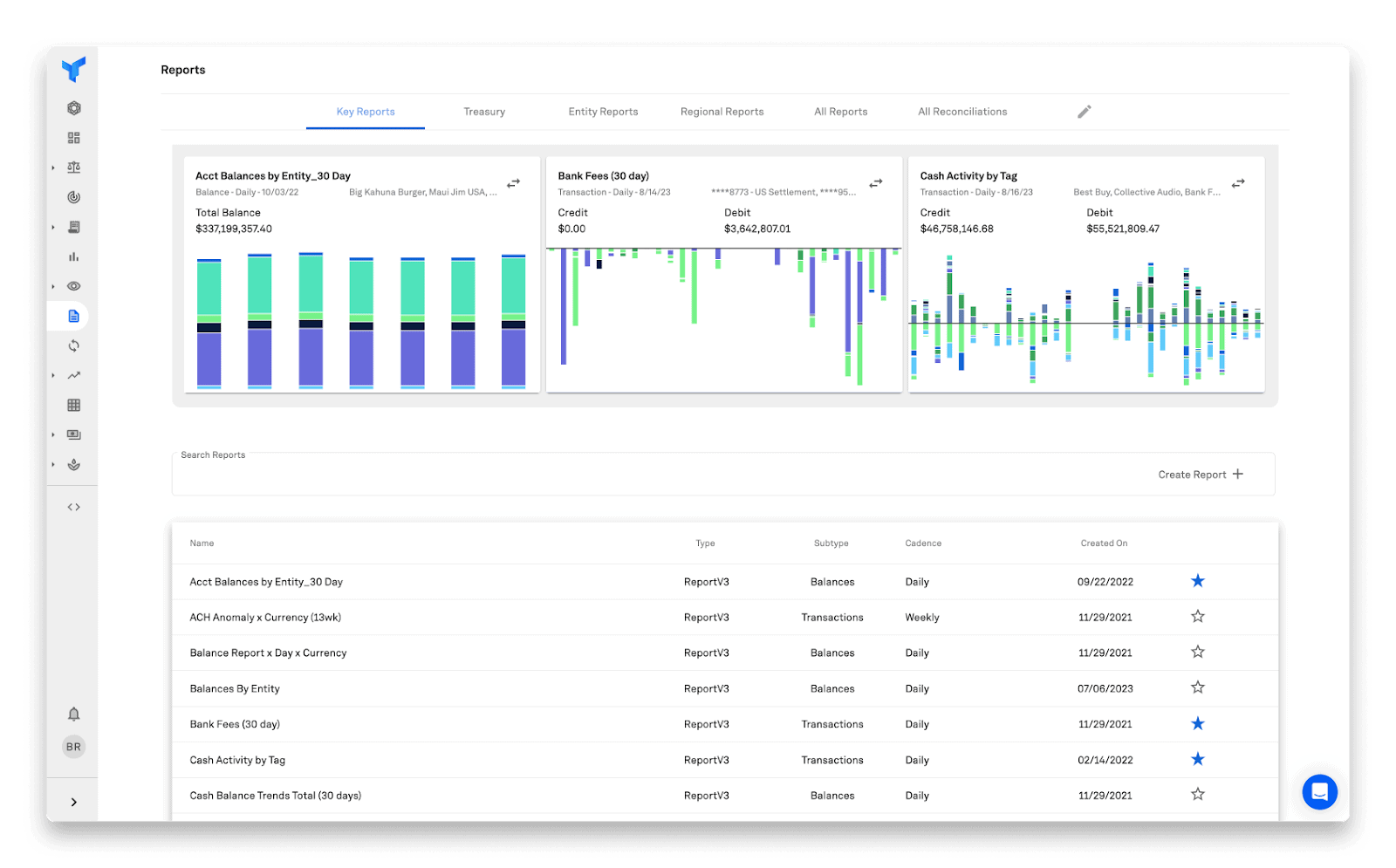
Transparency is not a one-time setup. Implement continuous monitoring protocols that flag anomalies in real-time. Use the analytics platform to set alerts for liquidity thresholds and counterparty risks, ensuring that your treasury operations remain resilient against market volatility and operational errors.
| Metric | Traditional Treasury | Transparent Analytics |
|---|---|---|
| Cash Visibility | Delayed (T+1 or T+2) | Real-time |
| Data Sources | Silos (Bank portals, spreadsheets) | Unified (Onchain + Offchain) |
| Reconciliation | Manual, error-prone | Automated, immutable |
| Risk Management | Reactive, periodic | Proactive, continuous |
Frequently asked: what to check next
These questions address the core mechanics of treasury analytics, specifically how onchain data intersects with traditional fixed-income concepts like CTD, and what skills are required to navigate this evolving landscape.
No comments yet. Be the first to share your thoughts!