The constraint of transparent treasury analytics
Transparent treasury analytics is not just about seeing data; it is about verifying the integrity of that data across fragmented systems. When tracking tokenized real-world assets (RWAs) or onchain credit, the primary constraint is often the disconnect between legacy financial reporting and real-time blockchain ledgers. Without a unified view, treasurers risk operating on stale or unverified snapshots of liquidity and exposure.
This friction creates a "blind spot" risk. For instance, while CME Group’s QuikStrike provides detailed analytics for Treasury futures—including deliverable baskets and implied yields—these insights remain siloed within the derivatives market. They do not automatically reconcile with spot market holdings or onchain stablecoin reserves. The constraint, therefore, is the lack of a single pane of glass that normalizes these disparate data streams into a coherent risk profile.
To overcome this, modern treasury analytics must bridge the gap between traditional accounting standards and onchain verification. The Governmentwide Spending Data Model (GSDM) offers a precedent for standardizing federal financial data, but private sector adoption remains uneven. Effective analytics require pulling from bank statements, cash flow reports, and market data simultaneously, ensuring that every tokenized asset has a clear, auditable counterpart in the traditional ledger. Without this alignment, transparency becomes an illusion rather than a tool for risk management.
Transparent treasury analytics choices that change the plan
Choosing a treasury analytics framework means balancing visibility against implementation friction. Whether you are tracking onchain credit for tokenized RWAs or managing fiat liquidity, the tradeoffs usually come down to data latency, standardization, and cost. You cannot optimize for all three simultaneously; you must pick the priority that aligns with your risk profile.
Latency and Finality
Onchain treasury tools offer near-real-time visibility into asset movements, which is critical for high-frequency trading or arbitrage strategies. However, this speed comes with the risk of reorgs or network congestion. Fiat treasury systems, often relying on traditional banking APIs, provide finality but introduce latency. For institutions, the gap between a transaction occurring and it being reflected in a ledger can be hours or days. You must decide if real-time data is worth the operational overhead of managing multiple liquidity pools.
Standardization and Interoperability
Data fragmentation is the biggest hidden cost in treasury analytics. Onchain data is open but often unstructured, requiring significant engineering to normalize. Fiat data, while structured, is siloed across different banking partners. The GSDM offers a standardized framework for federal agencies, but similar standards are still emerging in the private sector. When evaluating analytics platforms, check if they support universal data schemas. Without standardization, integrating onchain RWA data with traditional balance sheets becomes a manual, error-prone exercise.
Cost and Complexity
Building an in-house treasury analytics engine requires specialized talent in both blockchain infrastructure and traditional finance. This is expensive. Commercial platforms reduce this burden but often charge premiums for deep data access. For example, CME Group’s Treasury Analytics tools provide institutional-grade pricing and yield calculations for treasury futures, but they are expensive and complex. For smaller entities, simpler, open-source tools might suffice, but they lack the robustness needed for regulatory reporting. Weigh the cost of development against the subscription fees of enterprise solutions.
| Factor | Onchain Analytics | Fiat Treasury | Hybrid Systems |
|---|---|---|---|
| Latency | Low (Seconds) | High (Days) | Medium |
| Data Standardization | Low (Fragmented) | High (Structured) | Medium |
| Implementation Cost | High (Dev Heavy) | Medium (API Fees) | Very High |
| Regulatory Compliance | Evolving | Established | Complex |
Choose the next step
Treasury analytics has evolved from simple cash tracking to a complex ecosystem of onchain data and tokenized real-world assets (RWAs). To navigate this shift, you need a decision framework that separates signal from noise. The following steps outline how to evaluate your current infrastructure and select the right tools for transparency and yield optimization.
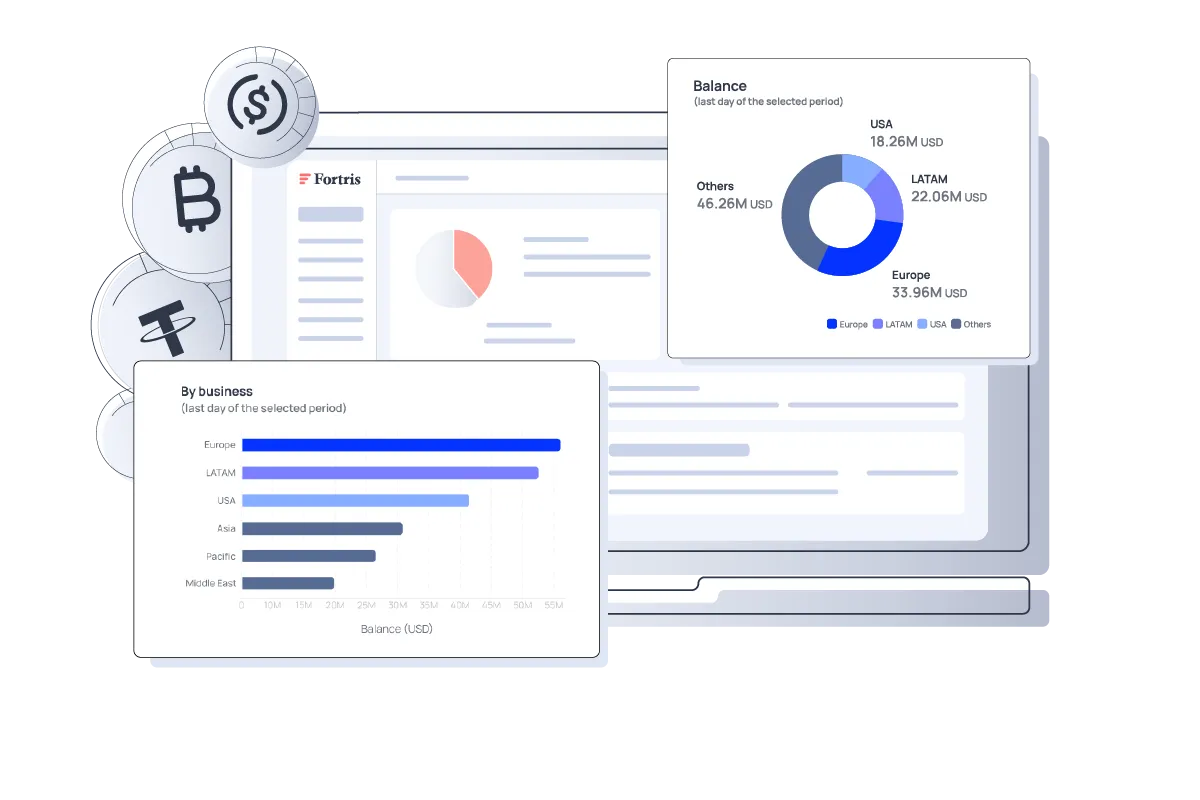
Start by mapping where your treasury data lives. Traditional finance relies on bank statements and ERP systems, while crypto treasuries depend on onchain explorers and wallet monitors. Identify gaps where manual reconciliation creates risk. If you are tracking tokenized RWAs, ensure your analytics platform can ingest both offchain bank feeds and onchain transaction hashes without siloing the data.
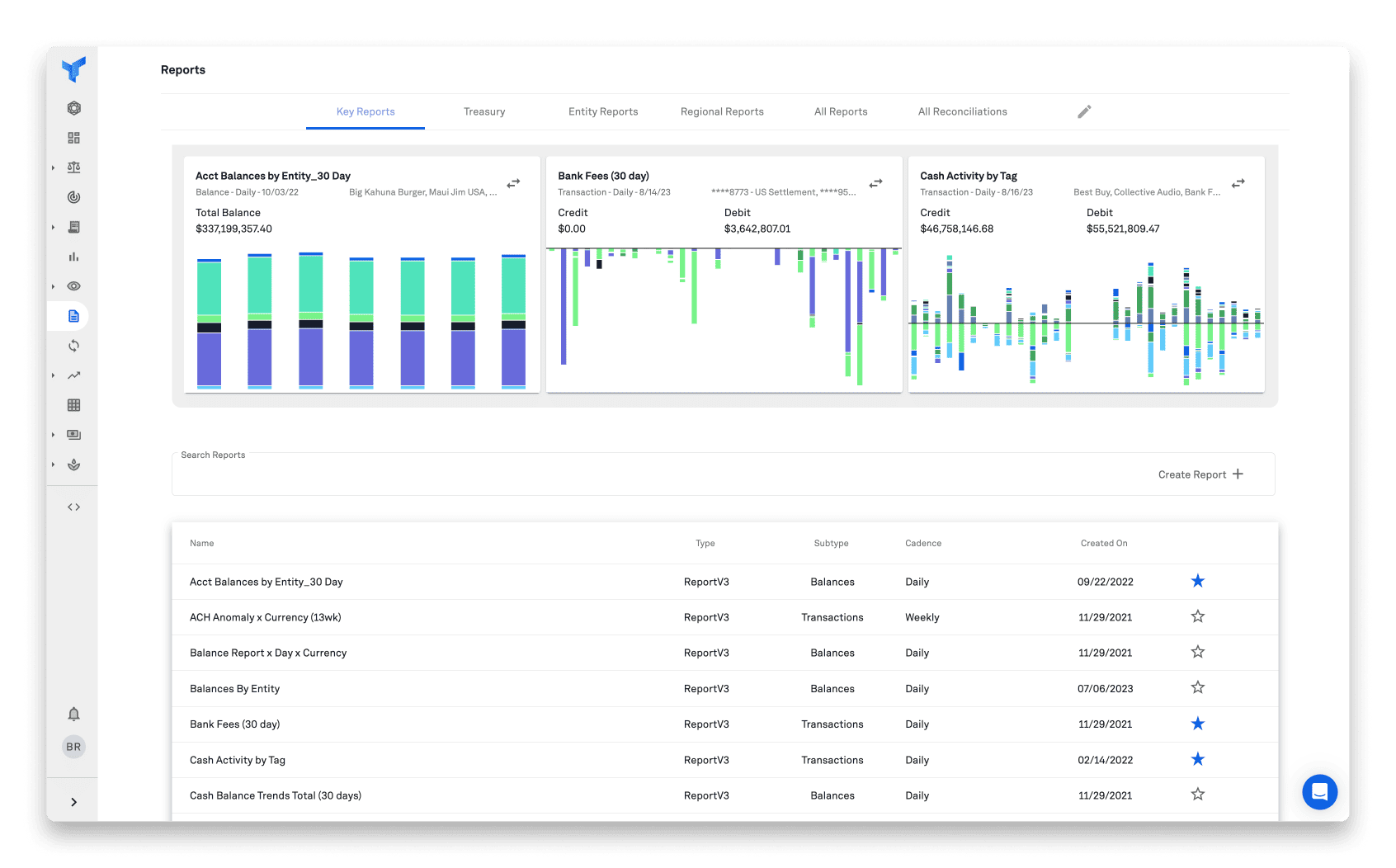
Not all RWAs carry the same risk profile. Government bonds tokenized on a regulated chain differ significantly from private credit instruments. Establish clear criteria for what constitutes "safe" collateral. Use analytics dashboards to monitor liquidity depth and counterparty exposure. If your treasury strategy involves high-yield private credit, you need real-time alerts on issuer health, not just static balance sheet snapshots.
For those holding treasury futures, understanding the Cheapest to Deliver (CTD) bond is essential for hedging efficiency. The CTD is the cash security with the lowest cost to deliver against the futures contract, influenced by accrued interest and conversion factors. Use dedicated analytics platforms, such as CME Group’s QuikStrike, to track implied yields and basket composition. This precision prevents basis risk from eroding your treasury returns.
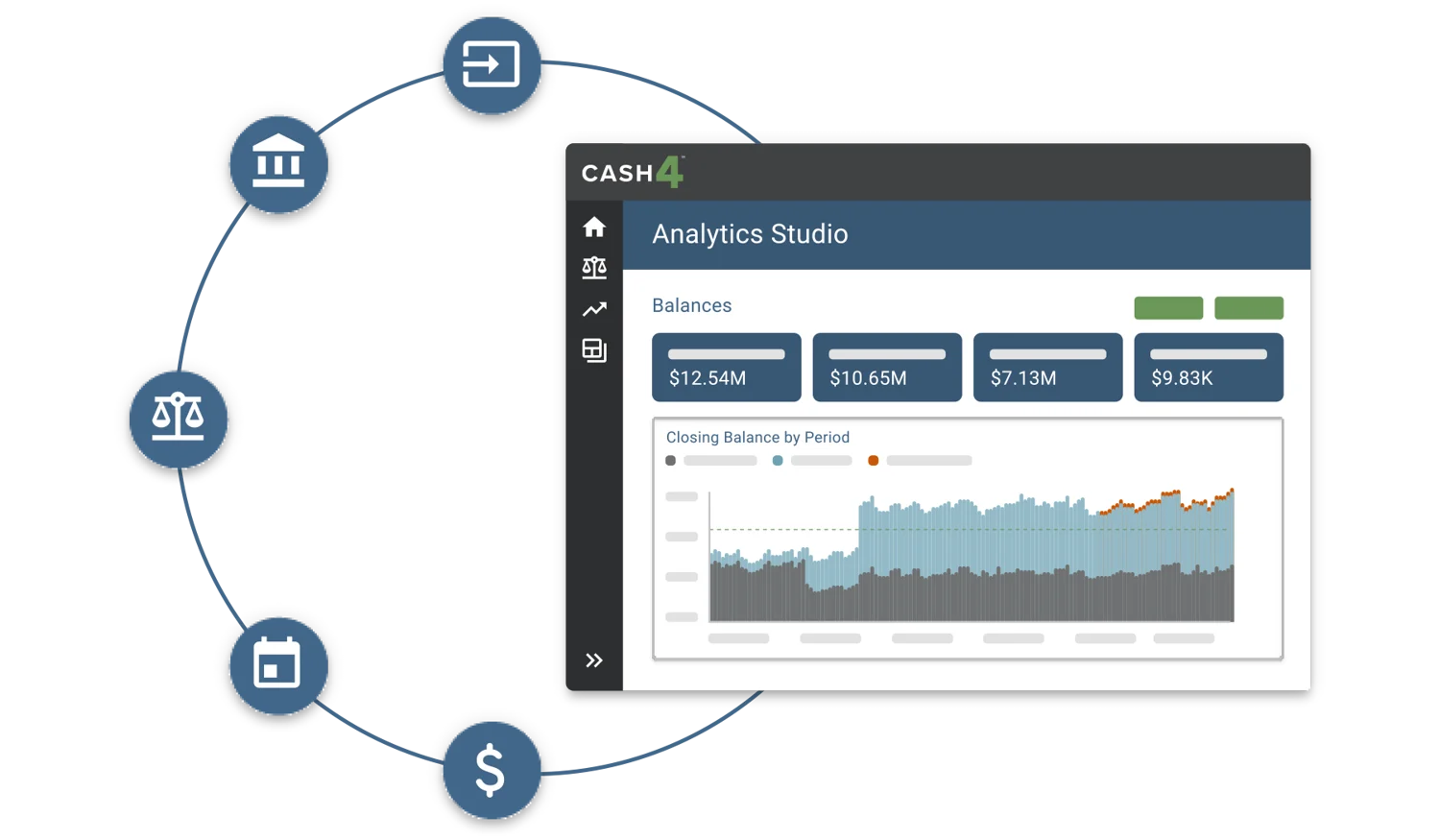
Transparency is no longer optional. Regulatory bodies are increasingly demanding granular visibility into digital asset flows. Choose analytics tools that generate audit-ready reports automatically. These reports should trace the provenance of tokenized assets back to their onchain origin, ensuring compliance with evolving standards where applicable. Automation reduces the manual overhead of proving asset legitimacy to auditors.
By following these steps, you move from reactive tracking to proactive treasury management. The goal is not just to see where your money is, but to understand the yield, risk, and compliance implications of every asset in your portfolio.
Watchouts in treasury analytics
Treasury analytics tools promise clarity on onchain credit and tokenized RWAs, but the landscape is littered with misleading claims. Many platforms conflate simple cash flow reporting with actual risk modeling. They display raw balances without adjusting for settlement latency or counterparty exposure. This creates a false sense of security for institutions tracking complex derivative positions.
The CME Group’s Cheapest to Deliver (CTD) mechanism is often misunderstood. It is not merely the bond with the lowest nominal price. It is the specific cash security with the lowest cash flow cost after accounting for accrued interest and differing maturities. Ignoring these nuances can lead to significant basis risk in futures hedging strategies.
Another common mistake is ignoring data standardization. The GSDM exists to provide authoritative terms and structures for federal spending data. When proprietary treasury platforms ignore such standards, their data becomes siloed and unreliable. Always verify that your analytics provider adheres to established industry models rather than inventing their own.
Finally, avoid tools that lack transparency in their yield calculations. Implied yields must be derived from observable market data, not black-box assumptions. If a platform cannot explain how it calculates the deliverable basket’s implied yield, treat its analytics with skepticism.
Transparent treasury analytics: what to check next
Treasury analytics has moved from back-office reporting to a front-line risk tool. As onchain credit and tokenized real-world assets (RWAs) enter mainstream portfolios, the data required to track them becomes more fragmented and complex. Readers often ask how these traditional and digital systems intersect, or how to interpret specific market mechanics like CME deliverables.
The following answers address the most common practical objections and definitions. They focus on the mechanics of data collection, the specific rules of Treasury futures, and the federal standards that underpin modern financial transparency.
These distinctions matter because the infrastructure for tracking digital assets is still evolving. While the GSDM provides a rigid framework for federal data, the private sector relies on a mix of official sources and proprietary tools to maintain transparency. Understanding the CTD mechanism is essential for anyone trading Treasury futures, as it dictates the actual settlement value of the contract.
No comments yet. Be the first to share your thoughts!