Understanding treasury analytics for tokenized assets
Treasury analytics has moved from a niche reporting function to a core requirement for managing tokenized real-world assets (RWAs) and onchain credit. The primary constraint is not technical capability, but the fragmentation of data sources that prevents a single source of truth. Without standardized inputs, analytics remain reactive rather than predictive.
Treasury analytics involves collecting, processing, and analyzing data from bank statements, cash flow statements, and blockchain ledgers. The goal is to monitor, evaluate, and optimize treasury operations by combining historical, predictive, and prescriptive insights. This integration improves cash management and shortens the Cash Conversion Cycle, but only if the underlying data is reliable and unified.
Transparency in trading and treasury management is central to market fairness and efficiency. It ensures widespread availability of information regarding current opportunities and completed trades. For CFOs and financial researchers, this means moving beyond siloed spreadsheets to systems that provide real-time visibility into liquidity and risk exposure across both traditional and digital asset classes. The Office of Financial Research (OFR) highlights that standardized data collection is critical for maintaining financial stability, a principle now applying directly to enterprise treasury infrastructure.
Transparent treasury analytics market choices that change the plan
When selecting a platform for tokenized real-world assets and onchain credit infrastructure, the primary tension lies between granular visibility and operational friction. Treasury data analytics involves collecting, processing, and analyzing data from multiple sources, including bank statements and cash flow statements, but onchain environments add a layer of cryptographic verification that traditional systems lack [[src-serp-1]].
Market transparency is generally regarded as central to both the fairness and efficiency of a market, particularly regarding liquidity and price formation [[src-serp-2]]. However, achieving this transparency in treasury operations requires choosing between different architectural models. Below, we compare the three dominant approaches used by modern finance teams.
The choice between these models dictates how your organization handles post-trade transparency. Reports on enhancing post-trade transparency for U.S. Treasuries highlight that the current structure often lacks the real-time visibility needed for modern risk management [[src-serp-4]]. A hybrid ledger may offer the best balance, allowing institutions to maintain compliance while leveraging the speed of onchain settlement.
To contextualize these tradeoffs, consider the performance of long-term treasury instruments. The chart above tracks the iShares 20+ Year Treasury Bond ETF, a common proxy for interest rate risk in treasury portfolios. Understanding how these assets move helps determine whether your analytics stack needs to prioritize latency (DEX) or stability (CEX).
How to choose a treasury analytics framework
Treasury analytics is no longer just about reporting what happened. It is about monitoring, evaluating, and optimizing cash management in real time. For organizations tracking tokenized real-world assets or onchain credit infrastructure, the standard must shift from static spreadsheets to live, auditable data streams.
Choosing the right framework requires a systematic evaluation of your current data gaps. The goal is to build a system that combines historical context with predictive insights to improve the Cash Conversion Cycle. Use the following steps to audit your current infrastructure and select a solution that meets your transparency requirements.
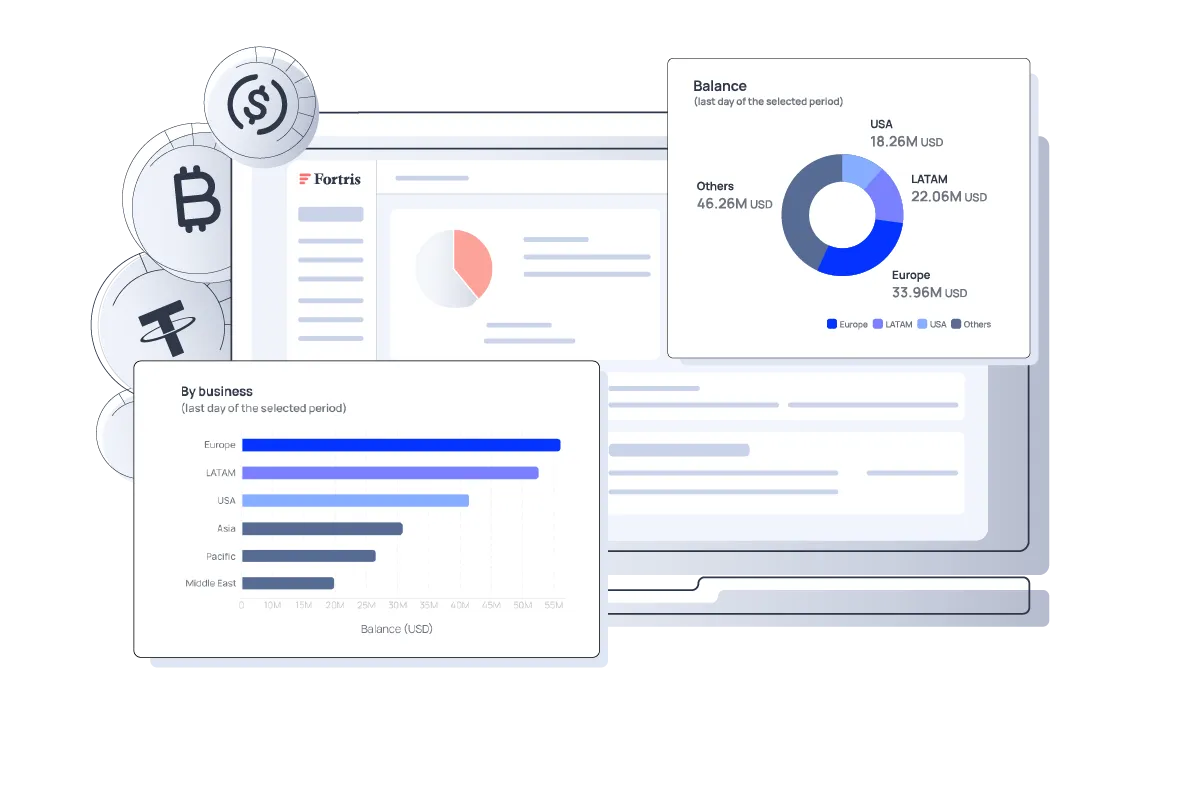
Start by mapping every source of treasury data. This includes bank statements, cash flow reports, and any onchain transaction logs. If your data is siloed, you cannot achieve true transparency. Identify which data points are manual and which are automated. Manual entry is the primary source of error in treasury reporting.
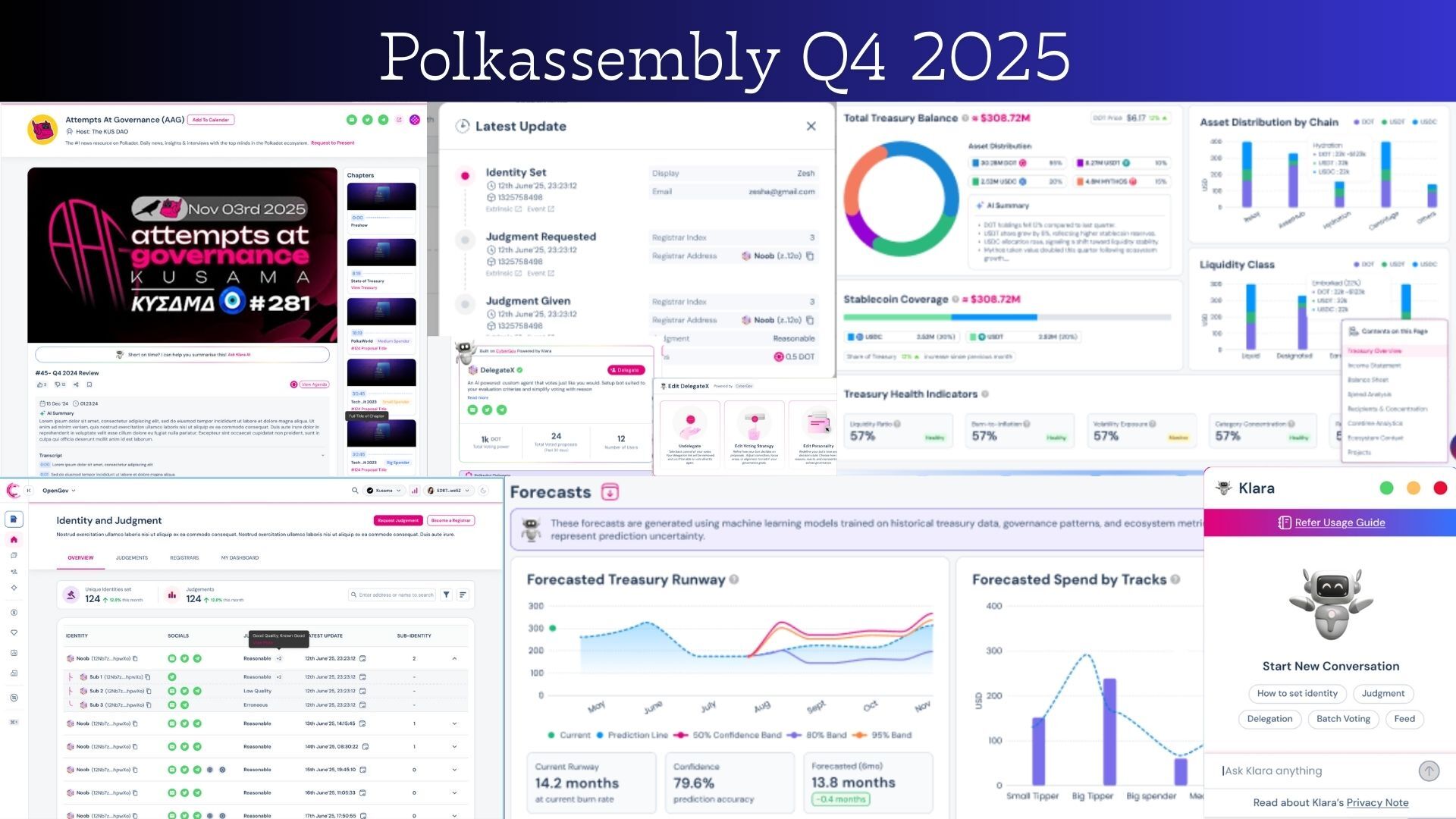
Treasury analytics relies on the Office of Financial Research (OFR) model: collecting and standardizing data to make it accessible. Ensure your chosen platform can ingest diverse data formats and normalize them into a single source of truth. Without standardization, comparing tokenized asset performance against traditional cash positions is impossible.
Market transparency means the widespread availability of information about current trading opportunities and completed trades. Your framework must provide an immutable audit trail. For tokenized assets, this means verifying onchain proofs. For traditional assets, it means clear, timestamped logs of every reconciliation.
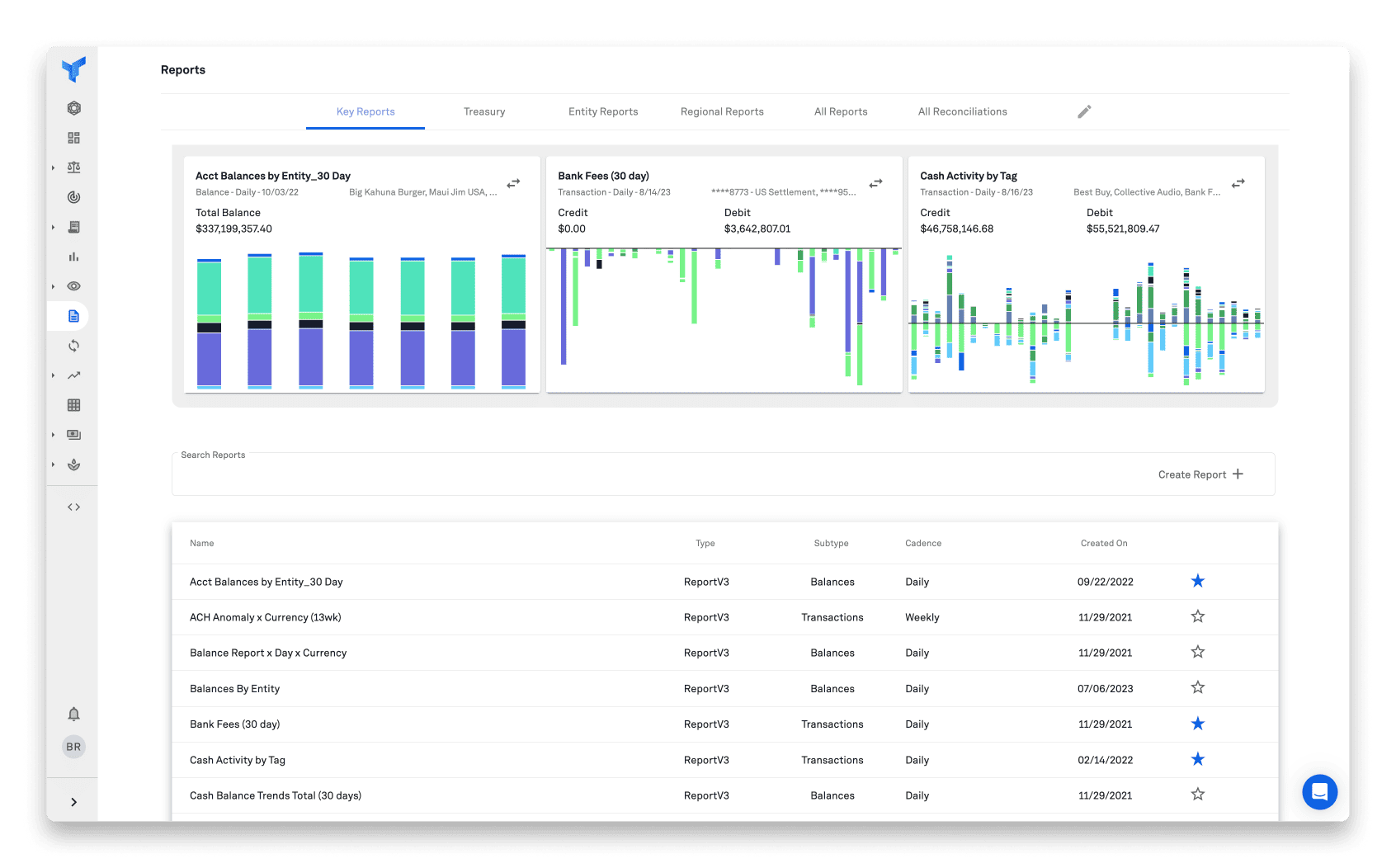
Move beyond descriptive analytics. The best frameworks offer predictive insights to forecast cash flow and prescriptive actions to optimize working capital. Look for tools that simulate scenarios, such as a sudden drop in liquidity or a shift in interest rates. This transforms treasury from a back-office function into a strategic asset.
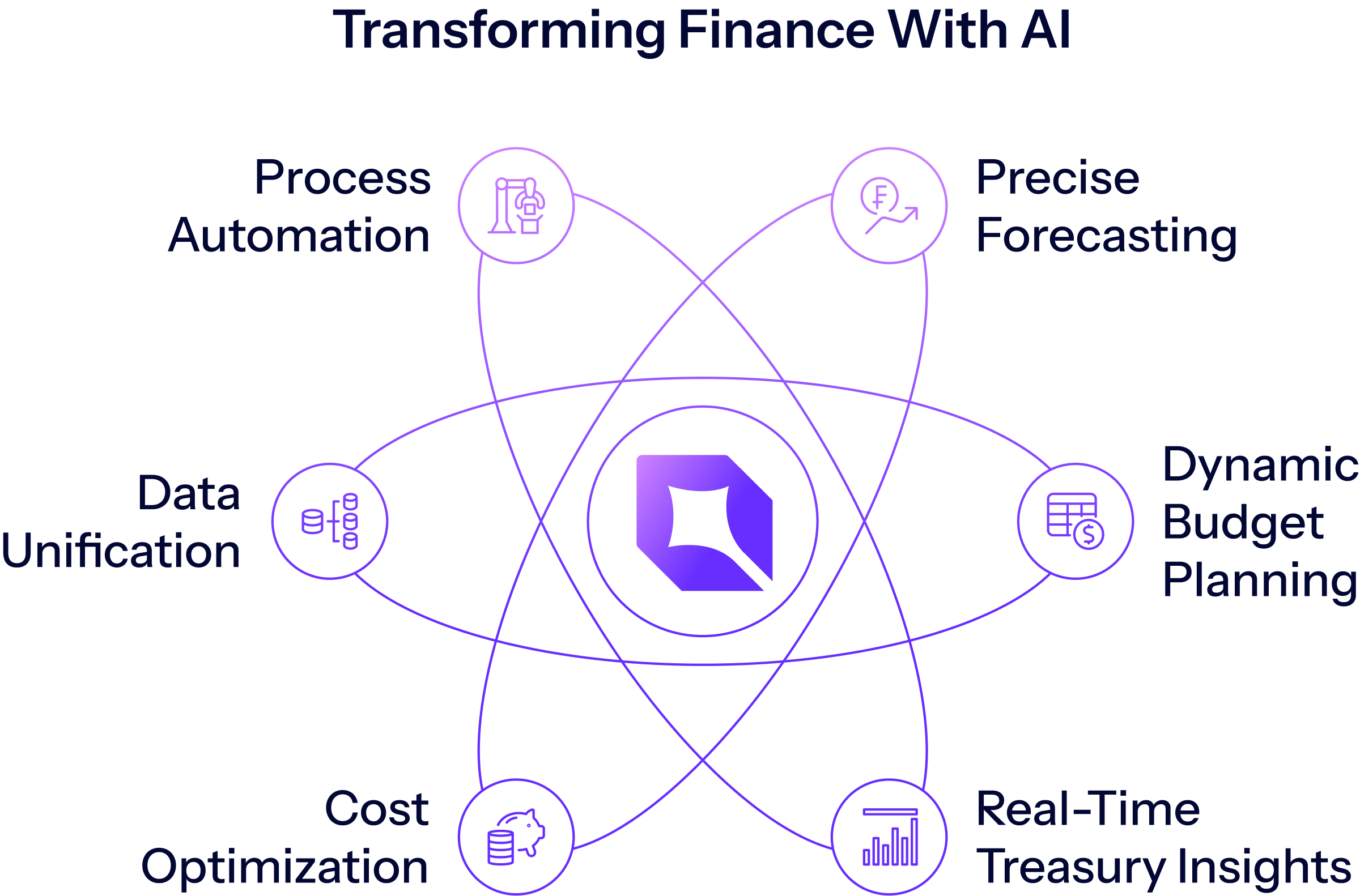
Set up real-time dashboards that alert you to anomalies. Treasury analytics is a continuous process, not a quarterly report. Ensure your system can handle the volume of transactions from tokenized assets without latency. Continuous monitoring allows you to react to market changes before they impact your bottom line.
Proof checks for your selection
Before finalizing your treasury analytics framework, validate it against these concrete checks. These steps ensure your choice aligns with the high-stakes nature of modern financial infrastructure.
| Feature | Traditional Treasury | Onchain-Enabled Treasury |
|---|---|---|
| Data Latency | T+1 or batch | Real-time |
| Audit Trail | Manual logs | Immutable ledger |
| Asset Coverage | Cash and deposits | Cash, RWA, and credit |
| Predictive Power | Historical trends | AI-driven scenarios |
Spotting Misleading Claims in Tokenized Asset Tracking
Treasury analytics for tokenized real-world assets (RWAs) promises real-time visibility, but the infrastructure is still maturing. Many platforms conflate data aggregation with actual on-chain verification. When tracking tokenized credit or RWAs, you need to distinguish between reported metrics and auditable ledger entries.
Common Mistakes in RWA Reporting
The biggest risk is accepting pre-aggregated summaries without checking the source. A dashboard might show "total liquidity" or "yield," but if it doesn't link back to the underlying smart contract or custodian, the number is just a claim. Always verify that the data source provides a direct path to the blockchain explorer or the original issuance document.
Another frequent error is ignoring latency. On-chain data is real-time, but off-chain reporting layers often introduce delays. If your analytics tool shows a snapshot from hours ago, it may miss critical liquidity shifts or settlement failures. This is particularly dangerous in on-chain credit markets where collateral values can fluctuate rapidly.
How to Verify On-Chain Credit Data
To avoid being misled, focus on the transparency of the data pipeline. Look for tools that integrate directly with the Office of Financial Research (OFR) standards or similar official frameworks where available. The OFR’s role in standardizing financial data means that platforms adhering to these norms are more likely to provide accurate, comparable metrics.
Check if the platform distinguishes between "on-chain" and "off-chain" data sources. A robust analytics solution will clearly label which metrics are derived from smart contracts and which are imported from traditional banking systems. This distinction is crucial for understanding the true risk profile of your treasury holdings.
Proof Checks for Treasury Analytics
When evaluating a treasury analytics provider, ask for a sample report that includes raw data points. If they can only provide polished charts without the underlying data, be cautious. Real transparency means you can drill down into the individual transactions or asset tokens that make up the aggregate figures.
Also, verify the update frequency. For tokenized RWAs, daily updates may not be sufficient. Look for platforms that offer near-real-time data feeds, especially for assets with high volatility or complex settlement structures. This ensures your decisions are based on the current state of the market, not yesterday's news.
What to check next in treasury analytics research
Before committing to a new analytics stack or tokenized asset infrastructure, it helps to clear up the foundational definitions. The market is often cluttered with vague promises, so grounding your research in precise mechanics matters.
No comments yet. Be the first to share your thoughts!