Defining onchain treasury analytics
Traditional corporate treasury analytics has long relied on internal data silos. As Kyriba notes, it focuses on forecasting cash flows and optimizing working capital based on historical and predictive insights. The goal is visibility into what has already happened or what is likely to happen within the closed loop of a company’s bank accounts and ERP systems.
Onchain treasury analytics shifts this paradigm entirely. Instead of relying on periodic bank statements or internal ledgers, it leverages the public, immutable nature of blockchain data. This allows for real-time verification of asset backing and liquidity across tokenized real-world assets (RWA). Where traditional methods ask, "How much cash do we have?", onchain analytics asks, "Can we prove exactly what assets back this position right now?"
This distinction is critical for finance professionals navigating the RWA market. Traditional tools are excellent for internal liquidity management but blind to the external, tokenized layers of capital. Onchain analytics bridges that gap, providing a transparent, auditable trail of value movement that traditional banking data cannot replicate.
The result is a more robust framework for risk management. By integrating onchain data, treasurers can monitor exposure to tokenized assets with the same rigor they apply to traditional bank balances, creating a unified view of corporate liquidity.
Why transparency matters for tokenized assets
The push for onchain credit and Real World Asset (RWA) markets isn't just about technology; it's about trust. For tokenized Treasuries to move from niche experiments to mainstream institutional staples, the market needs the same level of post-trade visibility that equity markets have enjoyed for decades. Without clear, accessible data on who holds what and at what price, institutional investors face a significant compliance and risk hurdle.
Regulators are closing the gap between traditional finance and blockchain. In 2018, the U.S. Treasury Department began extensive outreach to understand the risks and benefits of additional public transparency for secondary market transactions [1]. This momentum culminated in 2024 when FINRA began disseminating individual transactions in active U.S. Treasury securities at the end of the day [2]. This shift raises the baseline for what "transparent" means, setting a precedent that tokenized assets must meet to gain regulatory approval.
For treasury analytics, this means moving beyond simple balance sheets. You need real-time visibility into liquidity, pricing, and counterparty risk. The market is demanding a system where every transaction is auditable, not just at the end of the day, but as it happens.



As an Amazon Associate, we may earn from qualifying purchases.
[1] Federal Register: Notice Seeking Public Comment on Additional Transparency for Secondary Market Transactions [2] FINRA: Enhances Post-Trade Transparency in U.S. Treasury Securities Market
Key metrics for onchain treasury analysis
Evaluating the health of tokenized treasury products requires shifting from static balance sheets to real-time data streams. In onchain markets, liquidity depth and yield curves aren't just numbers; they are live indicators of market confidence and operational efficiency. CFOs and analysts must track specific KPIs that bridge traditional treasury management with the transparency of decentralized finance.
The core challenge lies in comparing legacy metrics with their onchain equivalents. Traditional treasury analytics often rely on end-of-day snapshots, whereas onchain products offer continuous proof of reserves. The table below contrasts these approaches, highlighting how real-time visibility replaces periodic reconciliation.
| Metric | Traditional Treasury | Onchain RWA | Analytical Impact |
|---|---|---|---|
| Cash Visibility | End-of-day batch processing | Real-time wallet tracking | Reduces settlement risk |
| Reserve Proof | Audited quarterly statements | Onchain cryptographic proof | Enables instant liquidity |
| Yield Calculation | Accrued interest models | APY from smart contract state | Transparent fee structures |
| Liquidity Depth | Bank credit lines | AMM pool reserves | Predictable slippage |
Beyond visibility, yield curve analysis is critical for assessing the cost of capital in tokenized markets. Unlike traditional bonds, onchain yields can shift rapidly based on liquidity pools and algorithmic incentives. Analysts should monitor the difference between base yield and incentive-driven returns to distinguish sustainable value from temporary arbitrage.
Liquidity depth further determines the stability of these products. Shallow pools can lead to significant price impact during large transactions, a risk less common in institutional bank lines. By tracking onchain volume against total value locked (TVL), you can gauge whether a treasury product can handle institutional-sized flows without destabilizing its yield profile.
The chart above illustrates how traditional treasury ETFs react to macroeconomic shifts, providing a baseline for understanding volatility. Onchain RWA products should exhibit similar sensitivity to interest rate changes but with added layers of smart contract risk. Comparing these charts helps identify where onchain premiums or discounts emerge relative to their offchain counterparts.
Ultimately, the goal is to build a dashboard that integrates these metrics. By combining real-time reserve proofs with yield curve data, you gain a comprehensive view of treasury health that static reports simply cannot provide. This approach aligns with best practices for selecting treasury metrics that are tied to clear objectives and focused on progress.
Tools for analyzing treasury products
Tracking treasury products requires more than just watching spot prices; you need to understand the underlying mechanics of futures and onchain data. The infrastructure for this analysis has matured significantly, offering professionals both traditional derivatives analytics and modern onchain transparency.
CME Group Analytics
For futures-based treasury products, CME Group’s QuikStrike is the industry standard. This tool provides detailed analytics for Treasury products, including the composition of deliverable baskets and implied yields. It is particularly useful for identifying the Cheapest to Deliver (CTD) security, a critical metric for hedging and arbitrage strategies. By visualizing these relationships, analysts can better assess the cost of funding and the efficiency of their hedges.
Onchain Explorers
On the digital asset side, onchain explorers provide real-time visibility into treasury movements for tokenized real-world assets (RWA). These tools allow you to track wallet balances, transaction histories, and smart contract interactions. Unlike traditional markets, where data may be delayed, onchain data is transparent and immediate, offering a unique window into the liquidity and health of treasury products.

Market Data Widgets
To ground this analysis in current market conditions, we can look at live price action for key Treasury futures contracts. These widgets provide immediate context for the analytics discussed above.
The chart above illustrates the price discovery process for long-term Treasury futures. Notice how volume spikes often correlate with significant yield shifts, highlighting the importance of combining price data with volume analytics for a complete picture.
Building a transparent treasury strategy
Integrating transparent analytics into your treasury operations requires moving beyond simple cash visibility to a holistic view of data integrity and risk. When finance leaders adopt onchain credit principles, they treat treasury data with the same rigor as public market assets: every transaction is traceable, verifiable, and immutable. This shift reduces the "black box" risk that often plagues traditional multi-bank environments.
To build this foundation, start by auditing your current data sources. Ensure that every cash flow, liability, and asset is mapped to a single source of truth. This isn't just about consolidation; it's about creating a lineage for every data point so that when you report on working capital or liquidity, you can trace it back to the original transaction.
Next, implement real-time monitoring for trade policy volatility and currency fluctuations. As noted by the Cash Management Association, treasury analytics are essential for navigating these uncertainties by enhancing cash flow forecasting and mitigating risks through data-driven decisions. Use provider-backed tools to track these external factors alongside your internal liquidity positions.
Finally, establish clear metrics that align with your strategic objectives. The Association for Financial Professionals emphasizes that effective treasury metrics must be tied to clear objectives and focused on progress. Avoid vanity metrics; instead, track forecast accuracy, funding buffer efficiency, and the percentage of payments succeeding on the first attempt. These indicators provide a transparent view of operational health.
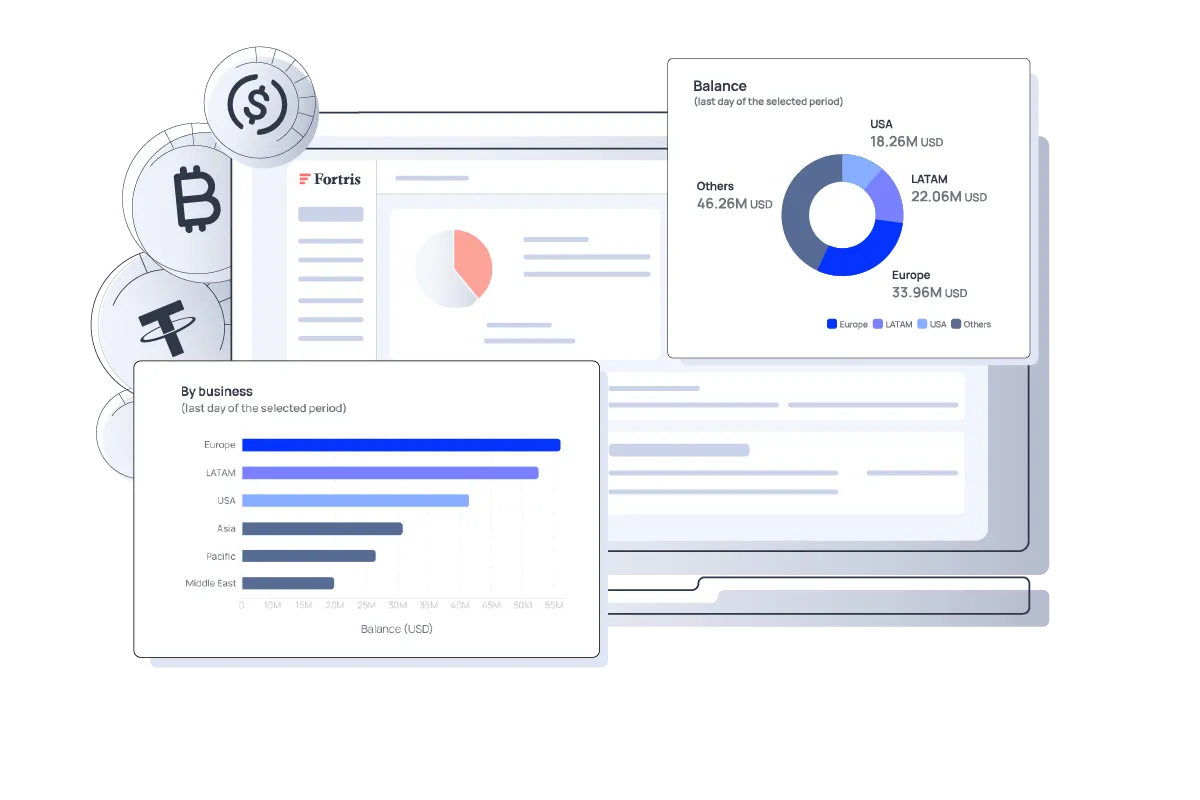
Map every cash flow and asset to a single source of truth. Verify that data lineage is intact from the originating transaction to the final report, ensuring no unverified intermediaries exist in your reporting chain.
Integrate live feeds for trade policy changes and currency fluctuations. Use these inputs to stress-test your cash flow forecasts against current market realities, allowing for proactive rather than reactive adjustments.
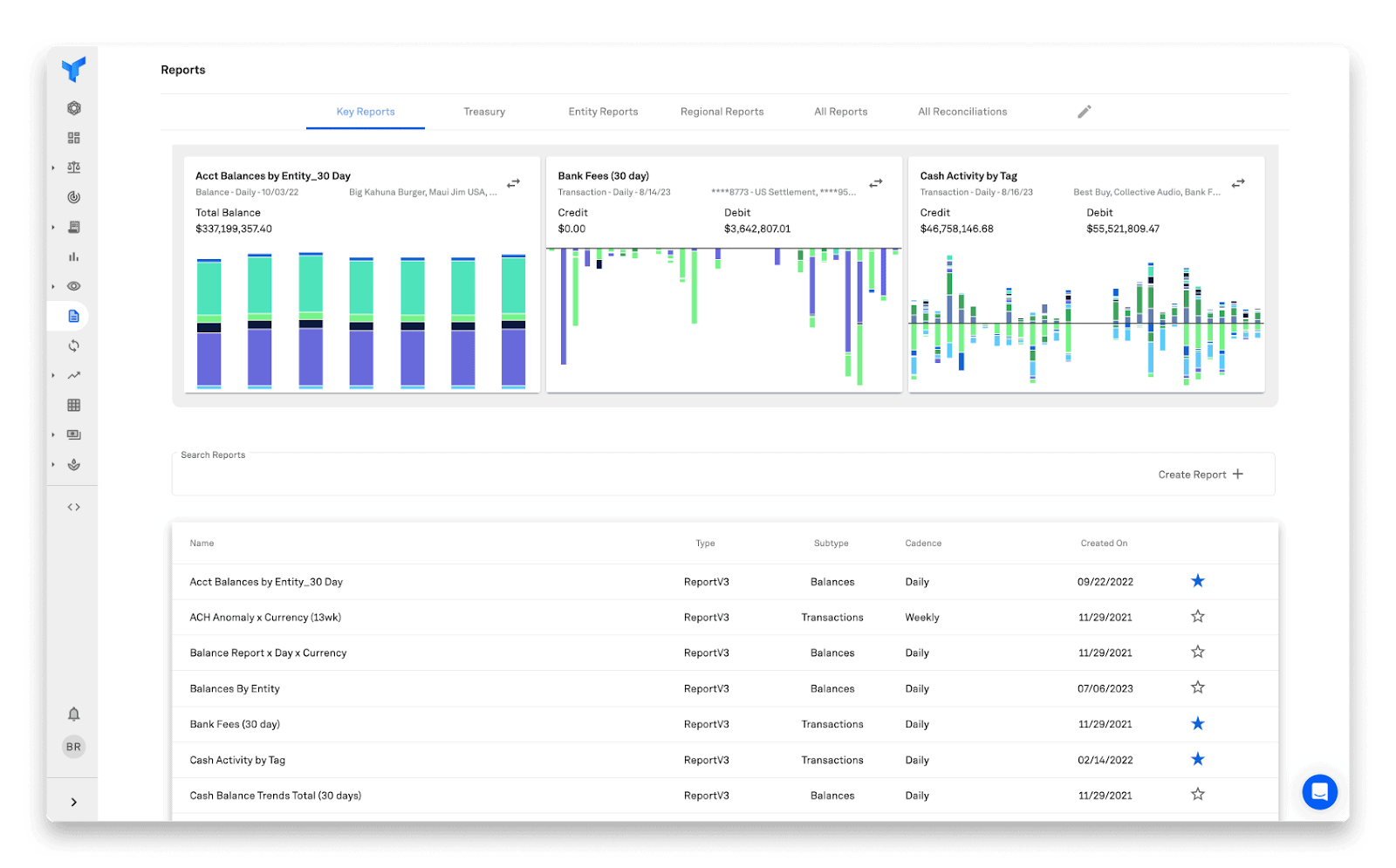
Select metrics that directly reflect operational efficiency, such as forecast error rates and payment success percentages. Regularly review these against strategic goals to ensure your treasury analytics drive tangible business value.
Frequently asked: what to check next
Treasury analytics bridges the gap between raw financial data and strategic decision-making. For finance professionals, understanding these mechanics is essential for managing risk and optimizing capital efficiency in both traditional and onchain environments.
These answers address the core mechanics of treasury management. For real-time market context, you can track relevant asset performance using the widgets below.
No comments yet. Be the first to share your thoughts!