Defining transparent treasury analytics
Treasury analytics leverages advanced data analysis to monitor, evaluate, and optimize an organization's treasury operations. It moves beyond simple reporting by combining historical, predictive, and prescriptive insights to improve cash management and working capital efficiency [src-serp-6]. In high-stakes financial management, this means shifting from retrospective accounting to real-time visibility and forward-looking strategy.
This approach integrates real-time data streams with predictive modeling to provide a comprehensive view of an entity's financial health. For organizations managing onchain credit and real-world asset (RWA) liquidity, transparency is a requirement. By leveraging provider-backed tools and official sources, treasury teams ensure analytics are grounded in accurate, verifiable data rather than estimates or lagged indicators.
The core value of transparent treasury analytics lies in its ability to reduce uncertainty. By providing clear insights into cash positions, credit exposures, and liquidity flows, it empowers CFOs and treasury managers to make informed decisions quickly. This clarity is essential in volatile markets where the cost of delayed or inaccurate information can be significant.
Tracking onchain credit and RWA liquidity
Treasury analytics has moved beyond simple cash balancing. The focus has shifted toward tracking onchain credit and RWA liquidity, where traditional balance sheets meet decentralized markets. For financial professionals, this means monitoring assets that actively participate in lending protocols, yield farms, and tokenized debt instruments.
Visibility is the core challenge. Unlike traditional bank accounts, onchain credit is fragmented across multiple protocols. A treasury might hold tokenized US Treasuries in one vault and lend them out in a money market protocol simultaneously. Without unified analytics, these positions can appear as isolated silos, masking true liquidity risk. You need a single pane of glass to see how these assets interact when market conditions shift.
The "Cheapest to Deliver" (CTD) dynamic, long familiar in futures markets, now applies to onchain credit. When multiple tokenized assets are eligible for settlement or collateral, the system naturally gravitates toward the least expensive option. This can create sudden liquidity drains in specific pools. Understanding which assets are being pulled as CTD helps treasuries anticipate cash flow gaps before they become solvency issues.
To manage this, treasuries are adopting tools that track real-time liquidity depth, not just static balances. This involves monitoring order book depth, protocol utilization rates, and the speed at which tokenized assets can be converted back to cash without significant slippage. The goal is to maintain operational flexibility while maximizing yield on idle capital.
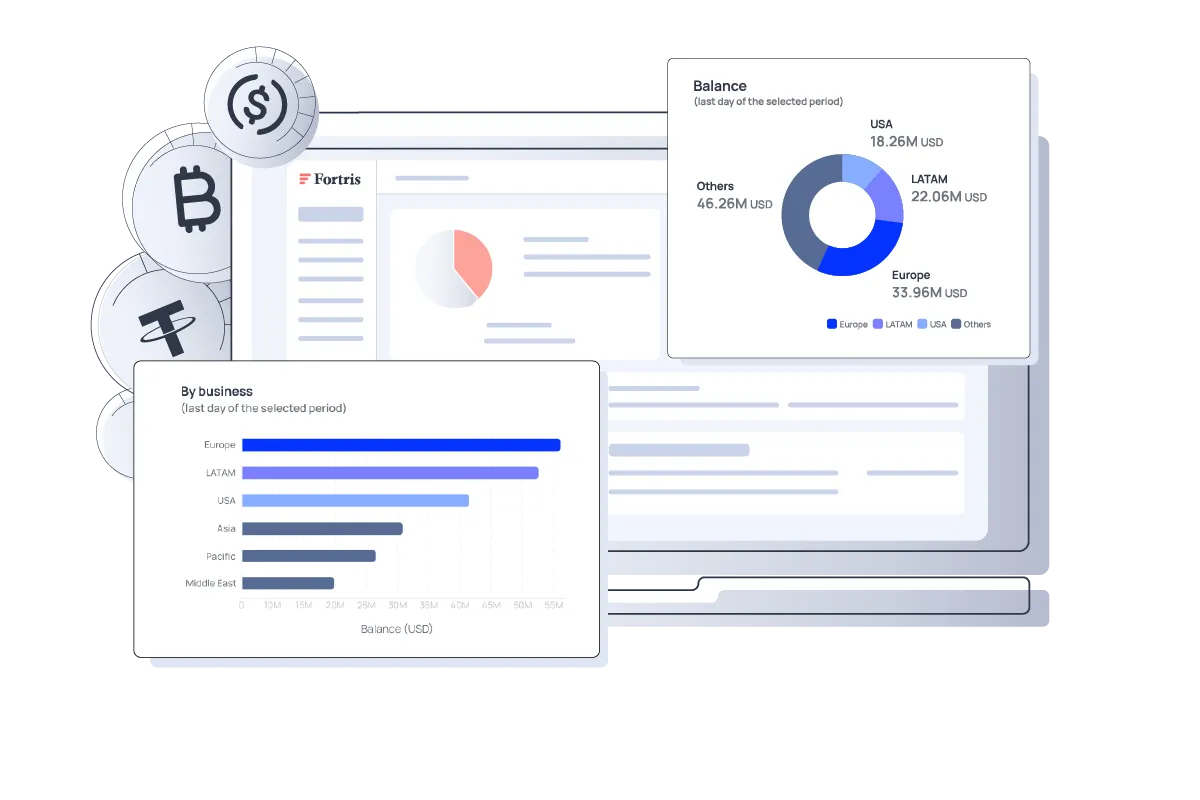
The integration of these analytics requires a shift in mindset. It is no longer enough to know what you own; you must know how liquid it is under stress. This means tracking onchain credit and RWA liquidity as dynamic variables, not static line items. By focusing on these metrics, treasuries can manage the complexities of decentralized finance with the same rigor applied to traditional markets.
Using CTD metrics for treasury hedging
Transparent Treasury Analytics works best as a clear sequence: define the constraint, compare the realistic options, test the tradeoff, and choose the path with the fewest hidden costs. That order keeps the advice usable instead of decorative.
After each step, pause long enough to check whether the recommendation still fits the reader's actual situation. If it depends on perfect timing, unusual access, or a best-case budget, include a simpler fallback.
| Factor | What to check | Why it matters |
|---|---|---|
| Fit | Match the option to the primary use case. | A good deal still fails if it does not fit the job. |
| Condition | Verify age, wear, and service history. | Hidden condition issues erase upfront savings. |
| Cost | Compare purchase price with likely upkeep. | The cheapest option is not always the lowest-cost option. |
Best practices for treasury systems
Building a treasury analytics system is less about buying software and more about structuring how your finance team interacts with data. The goal is to move away from static spreadsheets toward a live, integrated environment where treasury professionals own the analytics rather than deferring to IT.
When defining the scope and objectives of a treasury management system (TMS) project, focus on four specific areas that drive immediate value:
- Out of the box API integration: Ensure the system connects seamlessly with your banking partners and ERP without custom code delays.
- Faster time-to-market: Choose platforms that allow you to deploy new reporting or forecasting models quickly.
- Real-time payment capabilities: Enable real-time visibility into cash positions to react instantly to market shifts.
- Improved cash flow certainty: Use predictive analytics to reduce the variance in your cash forecasts.
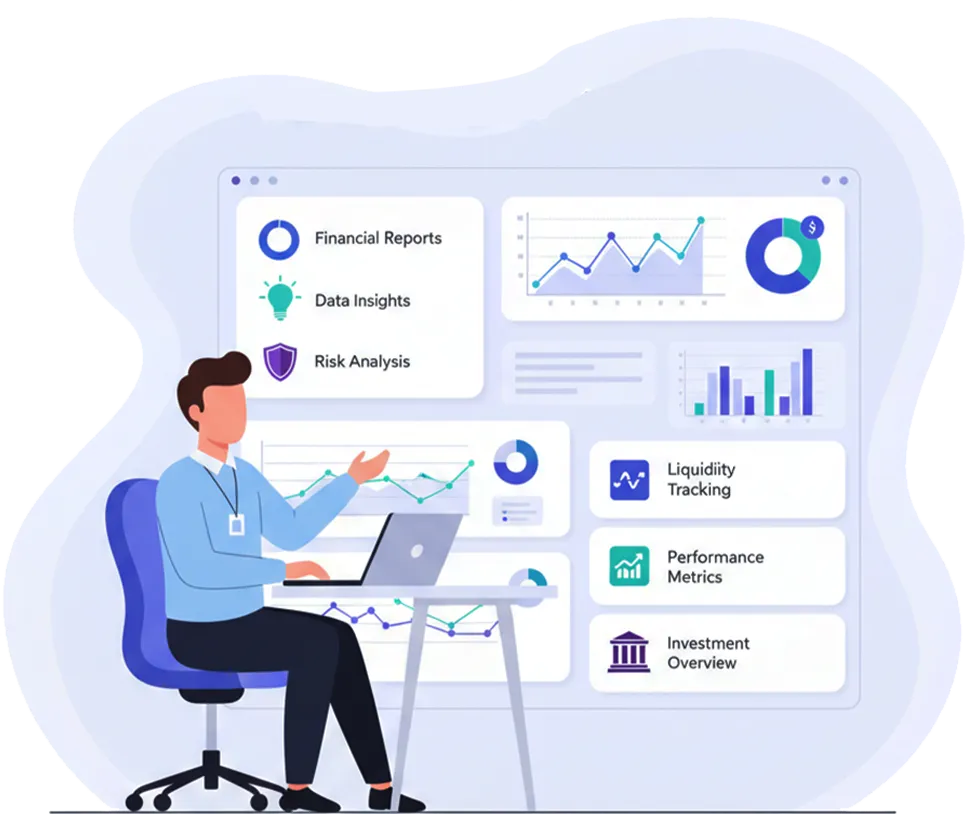
Treasury analytics is a discipline that can no longer be left to the IT team. As noted by industry experts, finance leaders must directly engage with these tools to manage trade policy volatility and mitigate risk effectively Cash Management Association. When treasurers understand the data layer, they can make data-driven financial decisions that protect the company’s liquidity.
For organizations dealing with complex instruments, understanding concepts like the Cheapest to Deliver (CTD) is essential for accurate treasury view and working capital analytics. A robust system should handle these nuances automatically, providing prescriptive insights rather than just historical data.
-
Audit existing API connections for real-time data flow
-
Verify forecasting models account for trade policy volatility
-
Confirm treasury team has direct access to analytics tools
-
Test integration with primary banking partners
Common questions about treasury analytics
Understanding how onchain credit and RWA liquidity function requires clarity on both market mechanics and system design. Below are the most frequent technical queries regarding CTD dynamics and treasury infrastructure.
No comments yet. Be the first to share your thoughts!