
Transparent treasury analytics strategy limits to account for
Treasury analytics for tokenized real-world assets (RWAs) must solve a specific problem: proving that digital tokens match the underlying off-chain assets. Without this link, tokenization is just a ledger entry with no real-world anchor. The strategy constraint is simple—data must be verifiable, not just visible.
Most treasury teams start with fragmented data. Cash, securities, and receivables sit in different systems. Tokenization adds another layer. If your analytics cannot pull from all these sources in real time, you are flying blind. Modernizing for strategic advantage means consolidating this data first. Only then can you use AI or automation to make decisions.
The goal is not just reporting. It is proving solvency and liquidity to investors and regulators. Your analytics stack must answer three questions instantly: What do we own? Where is it? Is it tokenized correctly? If you cannot answer these, your treasury is not transparent—it is opaque.
Start by mapping your data sources. Identify which assets are tokenizable and which are not. Build a single view that combines traditional treasury data with on-chain token data. This unified view is your foundation for trust.
Evaluating transparent treasury analytics choices that change the plan
Choosing a transparent treasury analytics strategy requires balancing visibility against operational friction. For tokenized real-world assets, the goal is to make ledger data legible without slowing down settlement or exposing sensitive counterparty details. The tradeoffs usually center on data granularity, integration depth, and compliance overhead. You must decide which metrics justify the cost of real-time reporting and which can remain aggregated.
Data granularity vs. privacy
High-frequency, granular data provides immediate insight into cash positions and asset utilization but increases the attack surface for data leaks. Tokenized assets often require off-chain data to explain on-chain movements, creating a privacy paradox. If you expose every transaction detail, you risk revealing competitive intelligence to competitors or regulators. The tradeoff is between real-time auditability and controlled disclosure. Most mature strategies use zero-knowledge proofs or hashed references to verify data without revealing the underlying transaction content.
Integration depth vs. implementation speed
Deep integration with core banking systems and ERP platforms ensures data accuracy but extends implementation timelines significantly. Shallow integrations, such as API-based snapshots, are faster to deploy but prone to latency and reconciliation errors. For treasury analytics, consistency matters more than speed. A delayed report on tokenized asset yields is less useful than a slightly delayed but accurate one. Evaluate whether your current tech stack can support real-time data pipelines or if batch processing is a more realistic starting point.
Compliance overhead vs. automation
Automated compliance checks reduce manual effort but require sophisticated rule engines that can be costly to maintain. Manual reviews are cheaper initially but do not scale with the volume of tokenized transactions. The tradeoff lies in the long-term cost of regulatory adherence. As regulations like MiCA evolve, manual processes become a liability. Organizations must weigh the upfront investment in automated compliance tools against the recurring cost of manual audits and potential regulatory penalties.
Cost of transparency vs. strategic value
Building or licensing transparent analytics platforms involves significant capital expenditure. The value proposition must be clear: does the transparency drive better investment decisions, lower borrowing costs, or improve investor confidence? If the data does not directly influence treasury strategy, the cost may outweigh the benefits. Start with a pilot program focusing on high-value asset classes to measure ROI before expanding to the entire treasury.
| Factor | Benefit | Drawback | Mitigation |
|---|---|---|---|
| Granularity | Real-time visibility | Privacy risks | Zero-knowledge proofs |
| Integration | Data accuracy | Long implementation | Phased rollout |
| Compliance | Scalability | High upfront cost | Automated rule engines |
| Cost | Strategic insight | High ROI uncertainty | Pilot programs |
Build a practical decision framework
Treasury data analytics for tokenized real-world assets (RWA) requires moving beyond basic reporting to active strategy. The goal is to link on-chain token performance with off-chain treasury liquidity. This framework turns raw data into actionable decisions, ensuring your treasury remains compliant and efficient as asset classes evolve.
Identify every data feed feeding your treasury dashboard. For tokenized RWAs, this includes oracle prices, smart contract states, and traditional banking APIs. Consolidate these into a single source of truth. Fragmented data leads to delayed decisions, which is critical when managing high-stakes regulatory environments.
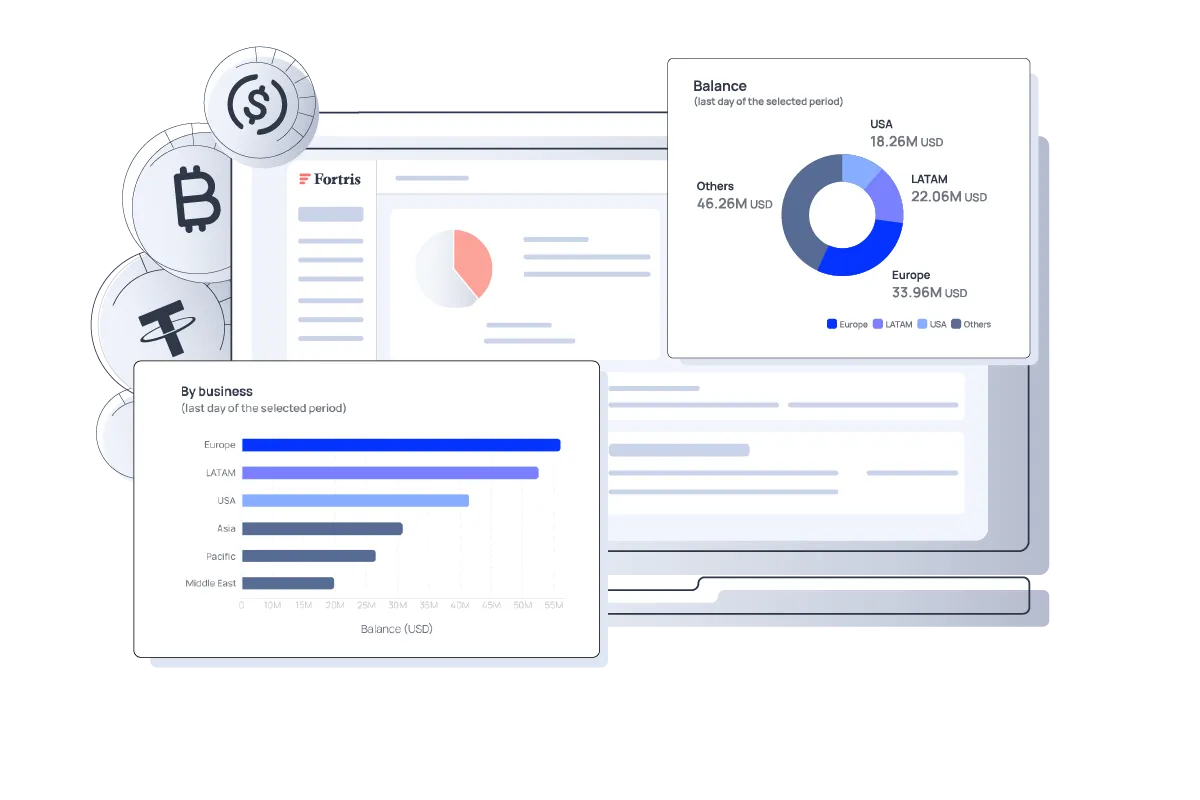
Standard treasury metrics like cash flow do not fully capture RWA value. Add specific KPIs such as token velocity, secondary market liquidity depth, and on-chain governance participation. These metrics reveal how well the tokenized asset is performing in the market versus its underlying physical value.
Manual reporting is unsustainable for tokenized assets. Implement automated scripts that pull data from blockchain explorers and bank statements to generate regulatory reports. This reduces human error and ensures that every transaction is auditable. Automation allows your team to focus on strategy rather than data entry.
Tokenized RWAs can face sudden liquidity drops if market sentiment shifts. Use historical data to simulate stress scenarios. Ask: What happens if 20% of tokens are sold in an hour? What if the underlying asset’s valuation drops by 10%? These tests reveal vulnerabilities in your treasury structure before they become crises.


As an Amazon Associate, we may earn from qualifying purchases.
By following these steps, you create a robust framework that supports both strategic growth and regulatory compliance. The key is consistency: treat your treasury analytics as a living system that adapts to market changes, not a static report.
Common Pitfalls in Tokenized Treasury Analytics
Treasury teams adopting tokenized real-world assets (RWA) often face implementation hurdles that stem from unclear data strategies rather than technical limitations. The following points highlight frequent errors and weak options that can derail these projects.
Overreliance on Aggregated Dashboards
Many platforms offer high-level dashboards that hide the underlying ledger details. This "black box" approach prevents auditors from tracing individual token movements back to the source asset. Without granular, immutable records, compliance teams cannot verify ownership or liquidity events, creating significant regulatory risk.
Ignoring Interoperability Standards
Selecting a platform that does not support universal standards like ERC-3643 or ISO 20022 for messaging creates data silos. When treasury systems cannot communicate seamlessly with blockchain networks, manual reconciliation becomes necessary. This defeats the purpose of automation and introduces human error into high-value transactions.
Underestimating Oracle Latency
Tokenized assets often rely on oracles to price underlying real-world assets. Assuming real-time price feeds are always accurate is a dangerous oversight. Network congestion or oracle failures can lead to stale pricing, causing incorrect collateral calls or settlement errors. Teams must implement fallback mechanisms and stress-test these data feeds under extreme market conditions.
Weak Governance Models
Tokenized securities require robust governance to manage upgrades and parameter changes. Many early adopters use simple multi-sig wallets without clear voting procedures. This lack of formalized control can lead to unauthorized changes or frozen assets if key holders are unavailable. Establishing clear, on-chain governance protocols from day one is essential for long-term stability.
Transparent treasury analytics strategy: what to check next
Choosing tokenized real-world assets requires more than just adopting new technology; it demands a rigorous approach to data visibility and compliance. Treasury teams must balance the speed of blockchain settlement with the auditability required by regulators. These questions address the practical hurdles of integrating transparent analytics into your treasury stack.
No comments yet. Be the first to share your thoughts!