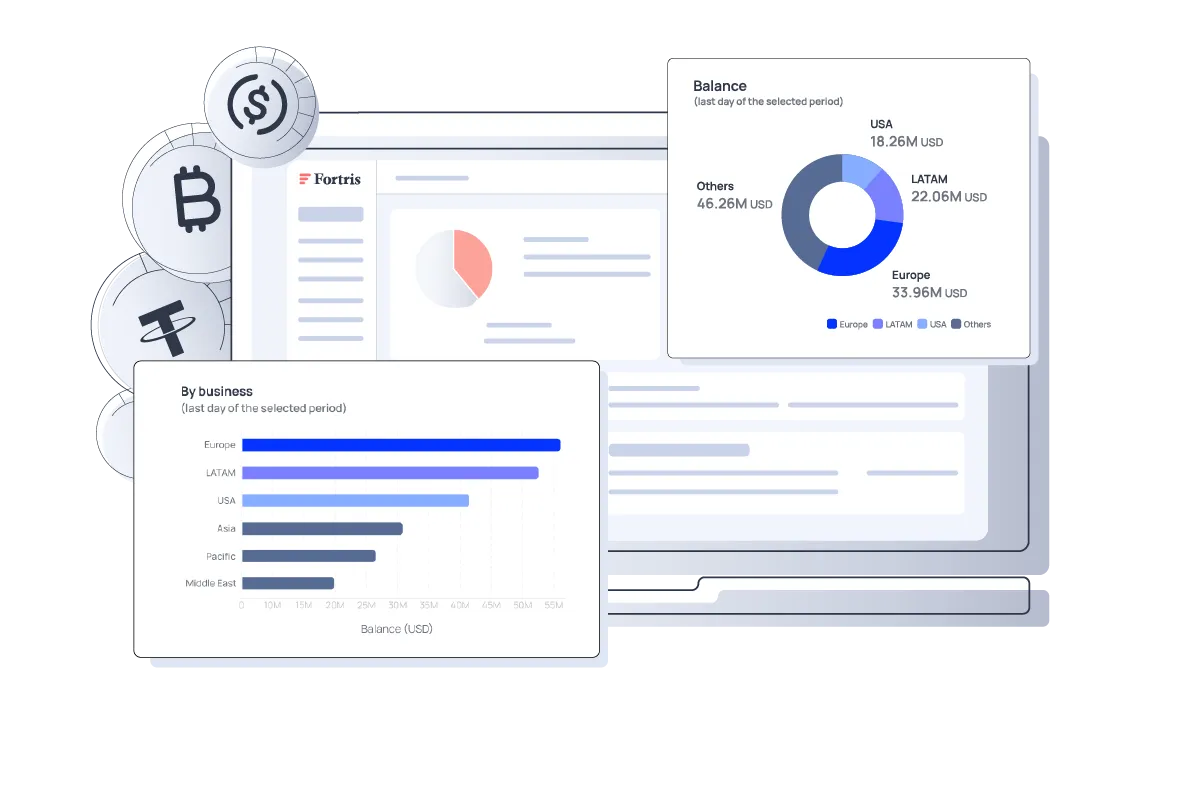
Why transparent treasury analytics matter
Treasury data analytics involves collecting, processing, and analyzing data from multiple sources, including bank statements, cash flow statements, and financial instruments [[src-serp-2]]. For modern treasury teams, this means moving beyond simple cash positioning to understanding the full credit profile of the organization. By tracking onchain credit and tokenized real-world assets (RWA), treasurers can see liquidity and liabilities in real time, reducing the lag between transaction and reporting.
The constraint is not just data availability, but data integrity. Without transparent analytics, a treasury cannot accurately assess the risk of its counterparties or the true value of its tokenized holdings. Tools like CME Group's Treasury Analytics User Guide highlight the need for clear visibility into deliverable baskets and implied yields [[src-serp-1]]. This transparency allows for better hedging decisions and more accurate stress testing.
In practice, this means integrating onchain data with traditional treasury management systems. The goal is a single source of truth that reflects both fiat and digital asset positions. This integration is critical for high-stakes environments where liquidity constraints can quickly escalate into solvency issues.
Key components of transparent treasury analytics
To build a robust transparent treasury analytics framework, focus on these three core components:
- Real-time cash flow visibility: Aggregate data from all bank accounts, payment processors, and crypto wallets into a unified dashboard. This allows for instant identification of liquidity gaps.
- Onchain credit tracking: Monitor the creditworthiness of counterparties and the health of tokenized RWA pools. Use onchain data to verify collateralization ratios and default risks.
- Integrated RWA valuation: Combine traditional asset valuation methods with onchain price feeds for tokenized assets. This ensures that the treasury's balance sheet reflects the true market value of all holdings.
These components work together to provide a comprehensive view of the treasury's financial health. By focusing on transparency, treasurers can make more informed decisions and mitigate risks more effectively.
Evaluate transparent treasury analytics choices that change the plan
Implementing transparent treasury analytics requires balancing visibility against operational overhead and data integrity. As corporate transparency mandates tighten in 2026, organizations must decide which metrics warrant real-time onchain or on-ledger exposure. The goal is not total openness, but targeted clarity where it reduces risk and cost.
When selecting analytics layers, consider the latency, compliance burden, and technical debt each option introduces. Below is a comparison of common implementation approaches.
| Factor | Onchain Treasury | Hybrid Ledger | Traditional ERP |
|---|---|---|---|
| Data Latency | Near-real-time | Batch (daily) | End-of-day |
| Compliance Burden | High (public audit) | Moderate (private ledger) | Standard (internal audit) |
| Implementation Cost | High (smart contracts) | Moderate (API integration) | Low (existing tools) |
| Data Granularity | Transaction-level | Account-level | Aggregate reporting |
| Interoperability | Low (chain-specific) | High (API-driven) | Medium (ERP-specific) |
Choose the model that aligns with your risk appetite. Onchain offers maximum transparency but introduces public exposure risks. Hybrid ledgers balance privacy with auditability, while traditional systems remain reliable for less dynamic cash management.
Turn Research into a Decision Framework
Transparent treasury analytics are useless if they don't guide action. You are tracking onchain credit and tokenized real-world assets (RWA) to reduce risk, not just to fill a dashboard. The goal is to build a practical decision framework that filters noise and highlights liquidity risks or yield opportunities before they become problems.
Start by defining your risk thresholds. What level of onchain exposure triggers a rebalance? How much tokenized RWA debt can your treasury hold before it impacts your credit score? Without these hard limits, analytics are just historical records. Set clear triggers for when to hold, sell, or diversify.
Next, integrate data sources into a single view. If these silos remain separate, you will miss correlations. Use tools that aggregate cash flow statements with onchain credit metrics to see your true liquidity position.
Finally, automate reporting for key stakeholders. CFOs and auditors need to see the same numbers you do. Build a routine where critical metrics—like implied yields from deliverable baskets or tokenized asset valuations—are reported weekly. This turns raw data into a strategic asset, allowing you to react to market shifts in real time rather than reacting to last month’s balance sheet.
Watchouts for Transparent Treasury Analytics
Treasury analytics platforms promise real-time visibility into cash positions and credit exposure, but the reality of onchain credit tracking and tokenized RWA infrastructure requires a sharper eye. Many vendors conflate simple reporting with true transparency, leaving CFOs exposed to data silos and opaque risk models.
1. Confusing Yield Aggregation with Credit Health Many dashboards aggregate implied yields from deliverable baskets without disclosing the underlying credit quality. A high yield often masks concentrated exposure to lower-rated issuers. Verify that the platform breaks down credit ratings by issuer and sector, rather than presenting a single weighted average. Relying on aggregated yield figures can lead to overestimating portfolio safety.
2. Ignoring Onchain Data Latency Tokenized RWAs are marketed as real-time, but settlement layers and oracle feeds introduce delays. If a platform claims instant liquidity for tokenized assets, check the source of the price feed. Delays in updating collateral values can trigger false margin calls or hide liquidity crunches. Ensure the analytics engine accounts for settlement finality times, not just market price snapshots.
3. Overlooking Standardization Gaps Different issuers use varying data schemas for tokenized bonds and loans. Without standardized metadata, cross-portfolio comparisons become unreliable. Look for platforms that enforce consistent tagging for maturity dates, coupon structures, and covenants. If the tool requires manual data entry or custom connectors for every new asset class, it fails the transparency test.
Transparent treasury analytics: what to check next
Treasury data analytics involves collecting, processing, and analyzing data from multiple sources, including bank statements, cash flow statements, and market intelligence, to improve financial resilience [src-serp-2]. As corporate transparency mandates tighten in 2026, CFOs are shifting from reactive reporting to proactive risk management [src-serp-4]. Below are the most common practical objections and how to resolve them.
The key is not just collecting data, but ensuring it is accessible and actionable. By focusing on real-time visibility, organizations can better manage the complexities of the modern financial landscape.
No comments yet. Be the first to share your thoughts!