What transparent treasury analytics actually means
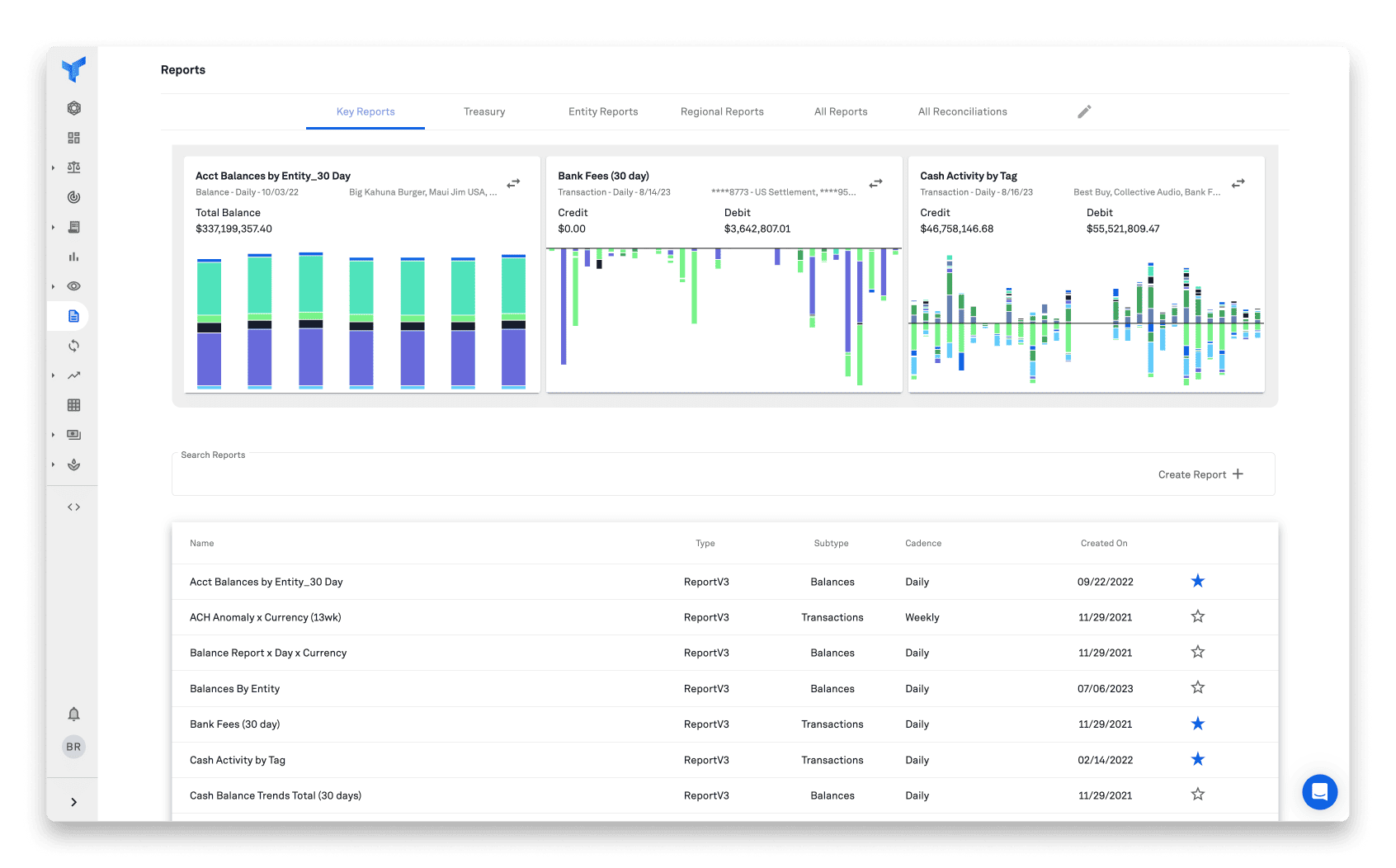
Transparent treasury analytics uses data tools to make cash positions, debt obligations, and liquidity reserves visible in real time. Instead of relying on end-of-day bank statements or siloed spreadsheets, companies aggregate data from multiple sources to see exactly where capital sits and how it moves. This visibility is critical for managing onchain credit facilities and tokenized real-world assets (RWAs), where settlement times and collateral requirements change rapidly.
The core function involves collecting, processing, and analyzing data from bank statements, cash flow statements, and internal ERP systems. By unifying these streams, treasury teams can identify idle cash, forecast shortfalls, and optimize working capital. For example, a CFO might use analytics to determine if excess liquidity should fund a new RWA issuance or repay high-interest debt, rather than letting it sit in low-yield accounts.
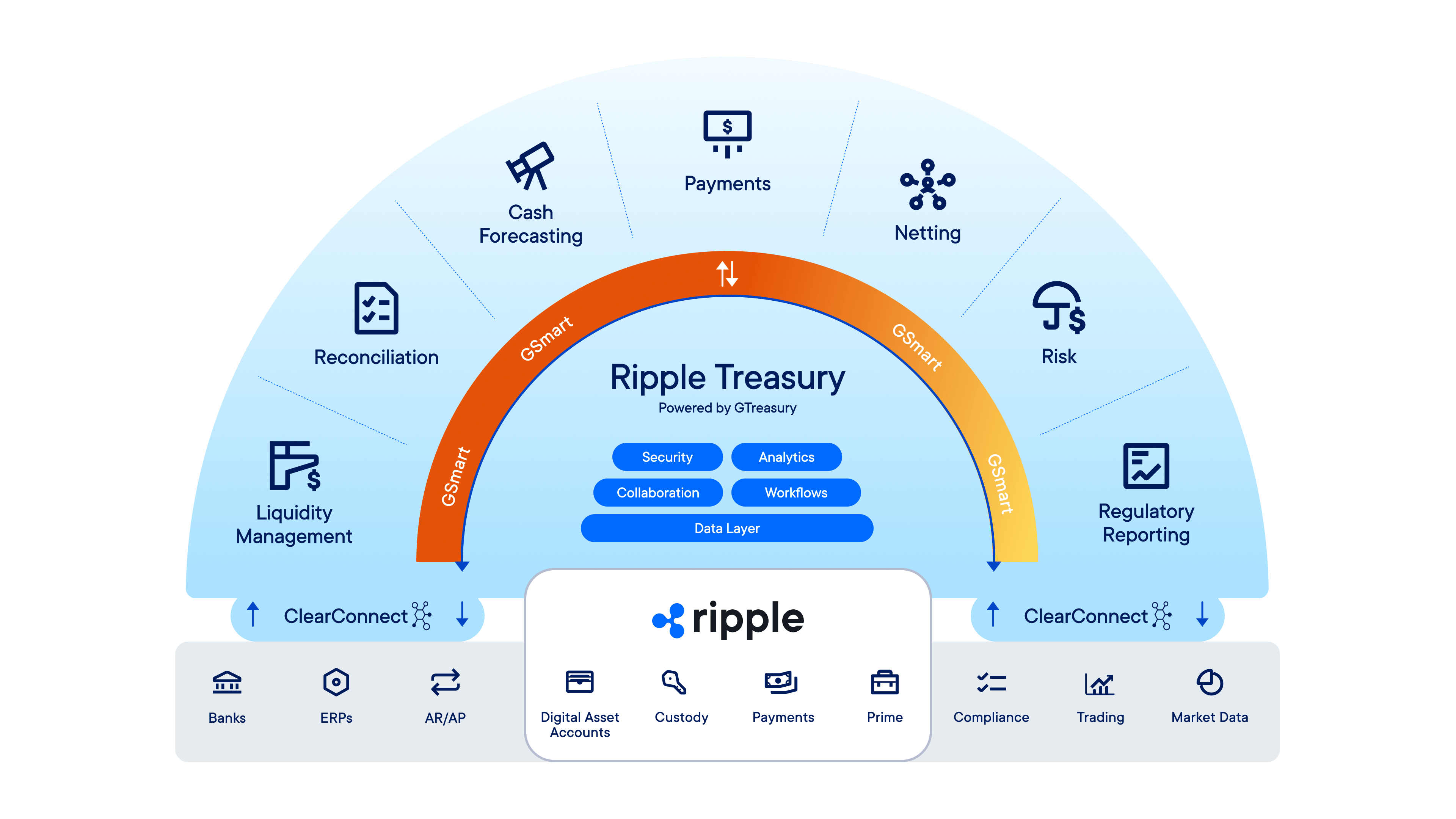
In the context of onchain finance, this transparency extends beyond traditional banking. Analytics platforms now integrate with blockchain data to track collateralized loans, tokenized bonds, and decentralized credit positions. This allows for a single pane of glass view that combines offchain fiat liquidity with onchain asset performance. Without this unified view, managing the hybrid nature of modern treasuries becomes a high-risk exercise in guesswork.
Key components of this analytics framework include:
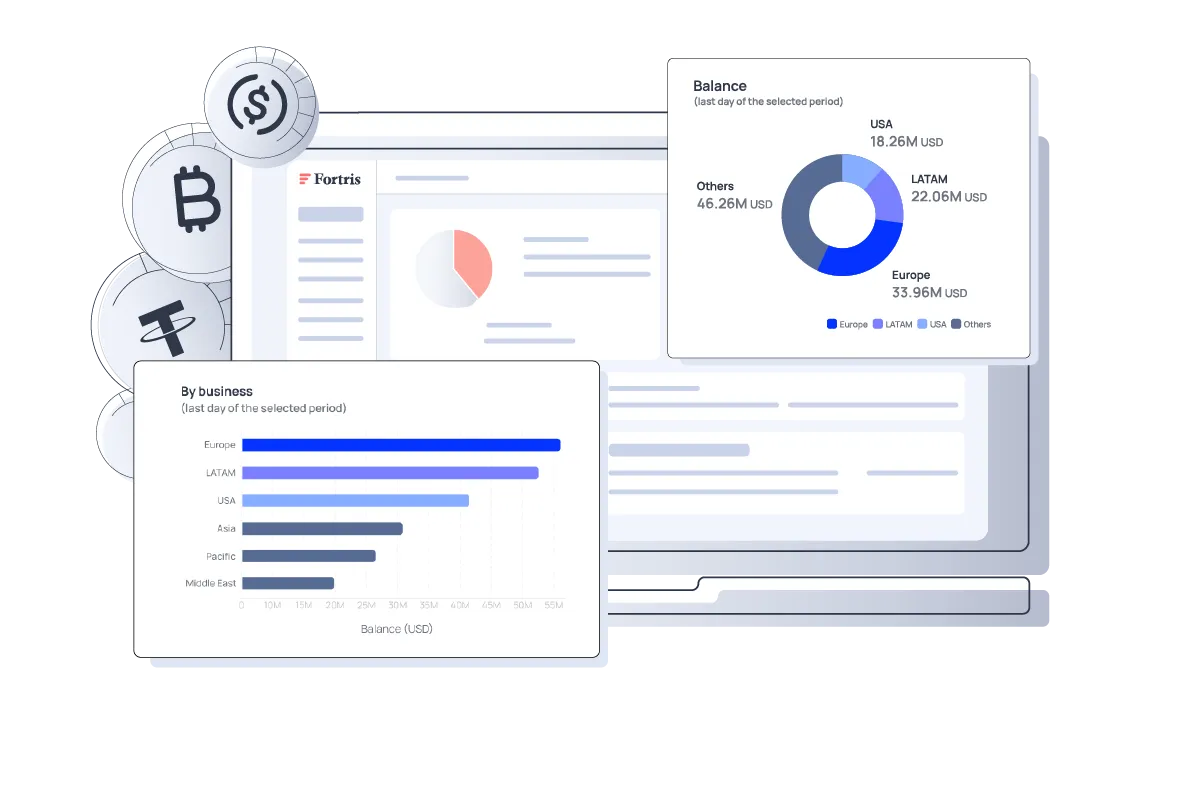
- Real-time cash positioning: Aggregating balances across multiple banks and custodians to provide an accurate, up-to-the-minute view of available funds.
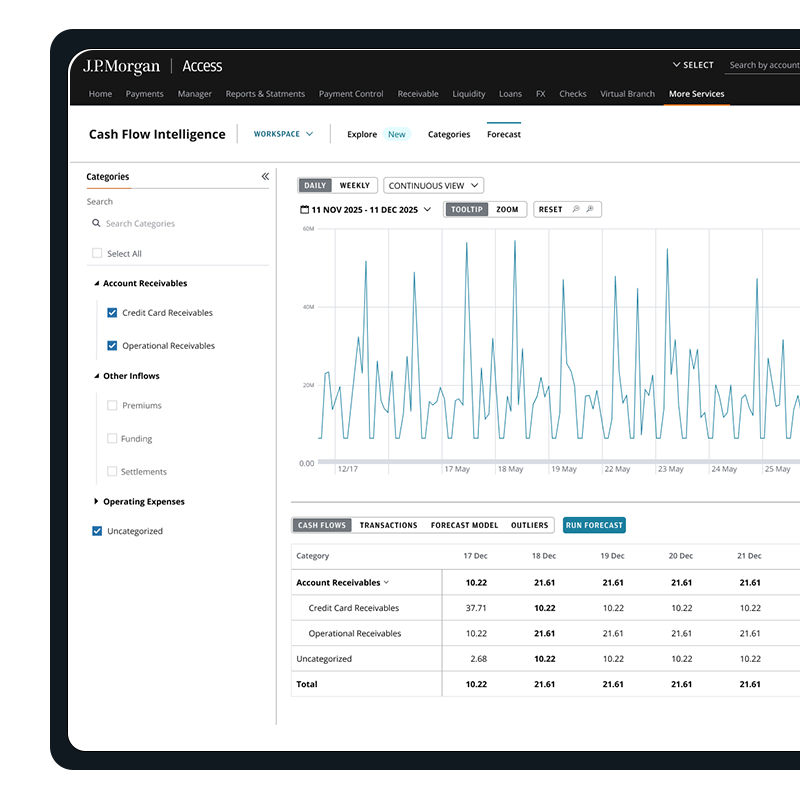
- Liquidity forecasting: Using historical data and machine learning to predict future cash flows, helping treasurers anticipate funding needs for RWA settlements.
- Risk exposure tracking: Monitoring interest rate, currency, and counterparty risks across both traditional and digital asset holdings.
- Automated reconciliation: Reducing manual errors by automatically matching internal records with external bank and blockchain data.
By implementing these transparent analytics, organizations can move from reactive cash management to proactive capital allocation, ensuring that every dollar is working efficiently in a complex financial landscape.
Transparent treasury analytics choices that change the plan
2026 guide: Navigating Onchain Credit and Tokenized RWAs with Transparent Treasury Analytics works best as a clear sequence: define the constraint, compare the realistic options, test the tradeoff, and choose the path with the fewest hidden costs. That order keeps the advice usable instead of decorative. After each step, pause long enough to check whether the recommendation still fits the reader's actual situation. If it depends on perfect timing, unusual access, or a best-case budget, include a simpler fallback.
| Factor | What to check | Why it matters |
|---|---|---|
| Fit | Match the option to the primary use case. | A good deal still fails if it does not fit the job. |
| Condition | Verify age, wear, and service history. | |
| Cost | Compare purchase price with likely upkeep. | The cheapest option is not always the lowest-cost option. |
Choosing the right onchain credit analytics
Treasury analytics for tokenized RWAs and onchain credit don’t fit a single template. You need a framework that matches your specific risk profile, whether you are assessing protocol liquidity, evaluating tokenized bond performance, or monitoring treasury health. Below are five practical approaches to structure your decision-making process.
Tokenized assets often suffer from thin order books. Check the spread between bid and ask prices across multiple decentralized exchanges. If the spread exceeds 50 basis points, the asset may be illiquid for large positions. Prioritize protocols with deep, audited liquidity pools over those relying on single-market makers.
Onchain credit instruments are only as stable as their legal backing. Review the special purpose vehicle (SPV) documentation to confirm how the token relates to the real-world asset. Look for clear redemption rights, bankruptcy remoteness clauses, and regular attestation reports from independent auditors. Ambiguous legal wrappers are a primary source of depegging risk.
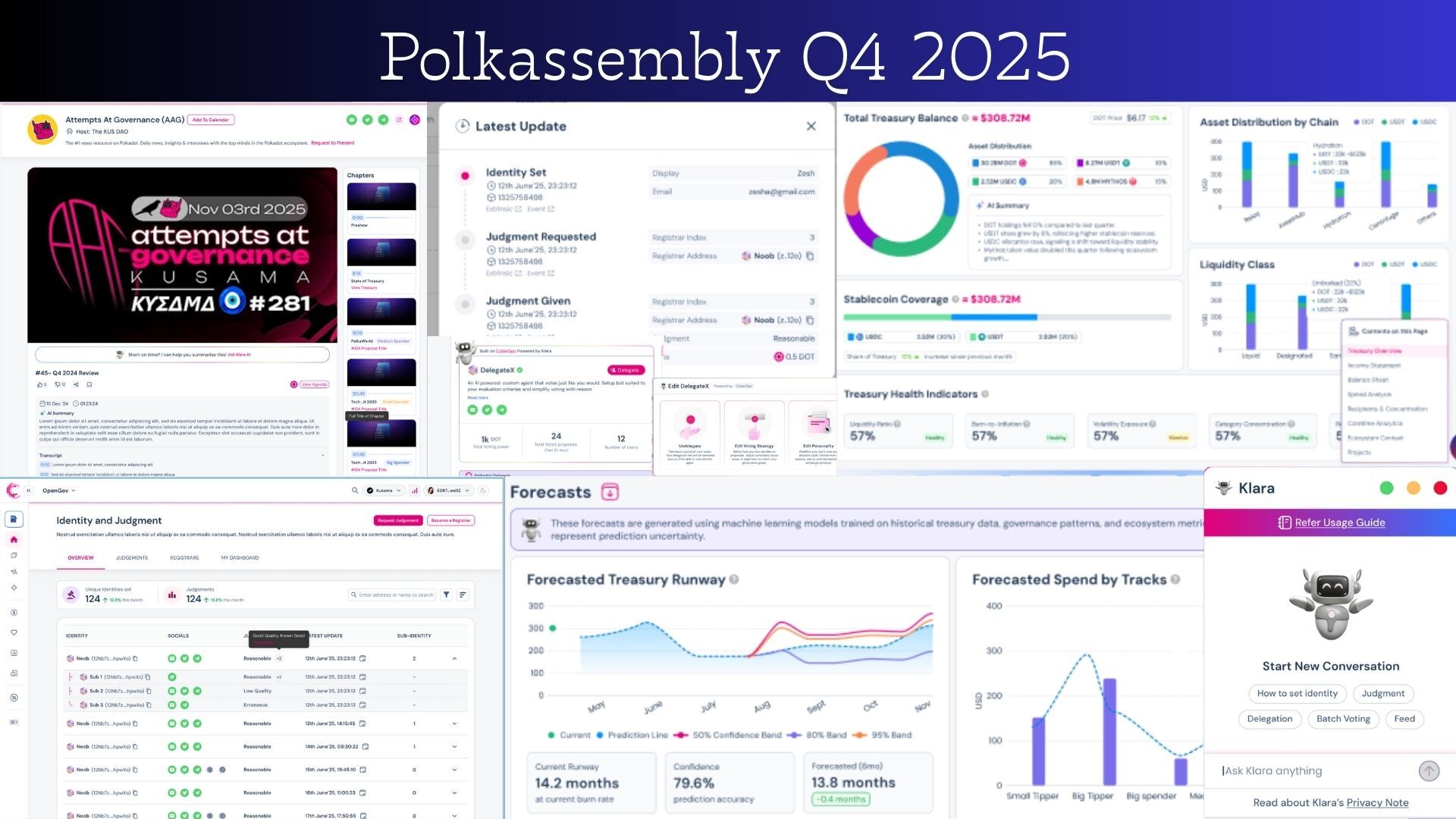
Use analytics dashboards to track the protocol’s reserve ratios and collateralization levels in real time. Focus on metrics like total value locked (TVL) relative to outstanding debt, and the frequency of treasury rebalancing events. A healthy treasury maintains a buffer above minimum requirements, even during market stress. Sudden drops in collateral ratios often precede liquidation cascades.
Price feeds drive onchain credit decisions. Evaluate the oracle network’s decentralization and update latency. Centralized oracles with long update intervals can lead to stale pricing, exposing the protocol to arbitrage attacks or unfair liquidations. Prefer oracle networks with multiple independent data sources and rapid, cryptoeconomically secured updates.
Tokenized RWAs are sensitive to interest rate changes and credit events. Run scenarios where rates rise by 200 basis points or default rates increase significantly. Check how the protocol’s smart contracts handle these conditions. Do they automatically adjust collateral requirements? Are there circuit breakers to pause trading? Protocols without stress-tested mechanisms are vulnerable to systemic failures.
Watchouts for Misleading Onchain Credit and RWA Claims
Onchain credit and tokenized real-world assets (RWAs) promise transparency, but the current landscape is littered with weak options and misleading metrics. Before integrating these solutions into your treasury stack, scrutinize the underlying data sources and yield assumptions. The gap between marketing copy and actual onchain verifiability is where most capital gets trapped.
1. The "Real-Time" Liquidity Mirage
Many platforms claim instant liquidity for tokenized treasuries. In reality, secondary markets for specific RWA tranches are often thin. A token might show a high volume on a single DEX pool, but this can be artificial liquidity or wash trading. Always verify if the liquidity is backed by actual onchain reserves or just synthetic price feeds. If the order book depth doesn't match the total supply, you are holding a liability, not an asset.
2. Yield That Doesn't Match the Underlying
Tokenized RWAs often advertise yields that seem too good to be true, especially when compared to traditional Treasury bills. This discrepancy usually comes from hidden leverage or unstable stablecoin yields layered on top. Check the source of the yield. Is it coming from the actual bond coupon, or is it subsidized by protocol incentives? Subsidies dry up; bond coupons do not. If the yield drops significantly once incentives end, the option is weak.
3. Opaque Oracle Dependencies
Transparency is the selling point of onchain finance, but many RWA protocols rely on centralized oracles to report asset performance. If the oracle fails to update or is manipulated, your onchain credit position could be liquidated or devalued without warning. Look for protocols that use decentralized oracle networks or direct onchain attestations from the asset issuer. If the data feed is a black box, the "transparency" is an illusion.
4. Regulatory Gray Areas
Tokenized RWAs often operate in regulatory gray zones. A protocol might claim to be fully compliant, but without clear legal wrappers, your claim to the underlying asset could be unenforceable in a bankruptcy scenario. Check if the token is backed by a legal trust or special purpose vehicle (SPV) that is clearly identified. If the legal structure is vague, the asset is effectively unsecured credit disguised as a token.
5. Smart Contract Risk in Yield Strategies
Many onchain credit strategies involve complex smart contracts that auto-compound yields. These contracts are often unaudited or only partially audited. A single bug can drain the entire treasury. Always prioritize protocols with multiple reputable audits and a history of responsible disclosure. If the code is proprietary and closed-source, you are taking on unquantifiable risk.
Transparent treasury analytics: what to check next
Onchain credit and tokenized real-world assets (RWAs) shift treasury management from static reporting to real-time visibility. This section addresses common practical concerns about data integrity and system integration.
How is onchain treasury data verified?
Transparency relies on on-chain proofs rather than internal audits. Projects typically link their treasury addresses to block explorers like Etherscan or integrate with oracle networks that pull verified transaction data. This allows investors to see tokenized asset reserves in real time, reducing the lag between reported balance and actual liquidity.
What are the limitations of current treasury analytics?
Most current tools aggregate data from multiple sources, including bank statements and on-chain wallets, but they often lack standardized formats. As noted by Kyriba, this fragmentation can make it difficult to get a single source of truth. Without unified APIs, manual reconciliation is still required to catch discrepancies between off-chain bank data and on-chain token movements.
Can treasury analytics predict liquidity crunches?
Analytics provide visibility, not crystal balls. By monitoring inflow and outflow rates across tokenized RWAs, treasury managers can model stress scenarios. However, market volatility can still cause sudden liquidity drops. Tools like CME Group’s Treasury Analytics help model these risks by analyzing implied yields and deliverable baskets, but they cannot eliminate market risk entirely.
Is historical treasury data reliable for forecasting?
Historical data on onchain credit is sparse and often unstandardized. Unlike traditional finance, where decades of audited records exist, onchain treasury history is fragmented across chains and protocols. This makes long-term forecasting less reliable. Investors should focus on current liquidity ratios and real-time monitoring rather than relying solely on past performance trends.
No comments yet. Be the first to share your thoughts!