Get transparent treasury analytics right
Start to Transparent Treasury Analytics with the constraint that matters most in real life: space, timing, budget, skill level, maintenance, or availability. That first constraint should shape the rest of the plan instead of appearing as an afterthought. Keep the first pass simple enough to verify. Compare the main options against the same criteria, remove choices that only work in ideal conditions, and save optional upgrades for later.
The simplest way to use this section is to write down the real constraint first, compare each option against it, and choose the path that still works outside ideal conditions.
Work through the steps
Building a transparent treasury analytics stack requires moving from raw data ingestion to actionable visibility. This sequence walks you through setting up the infrastructure, validating data accuracy, and implementing the controls necessary for real-time oversight.

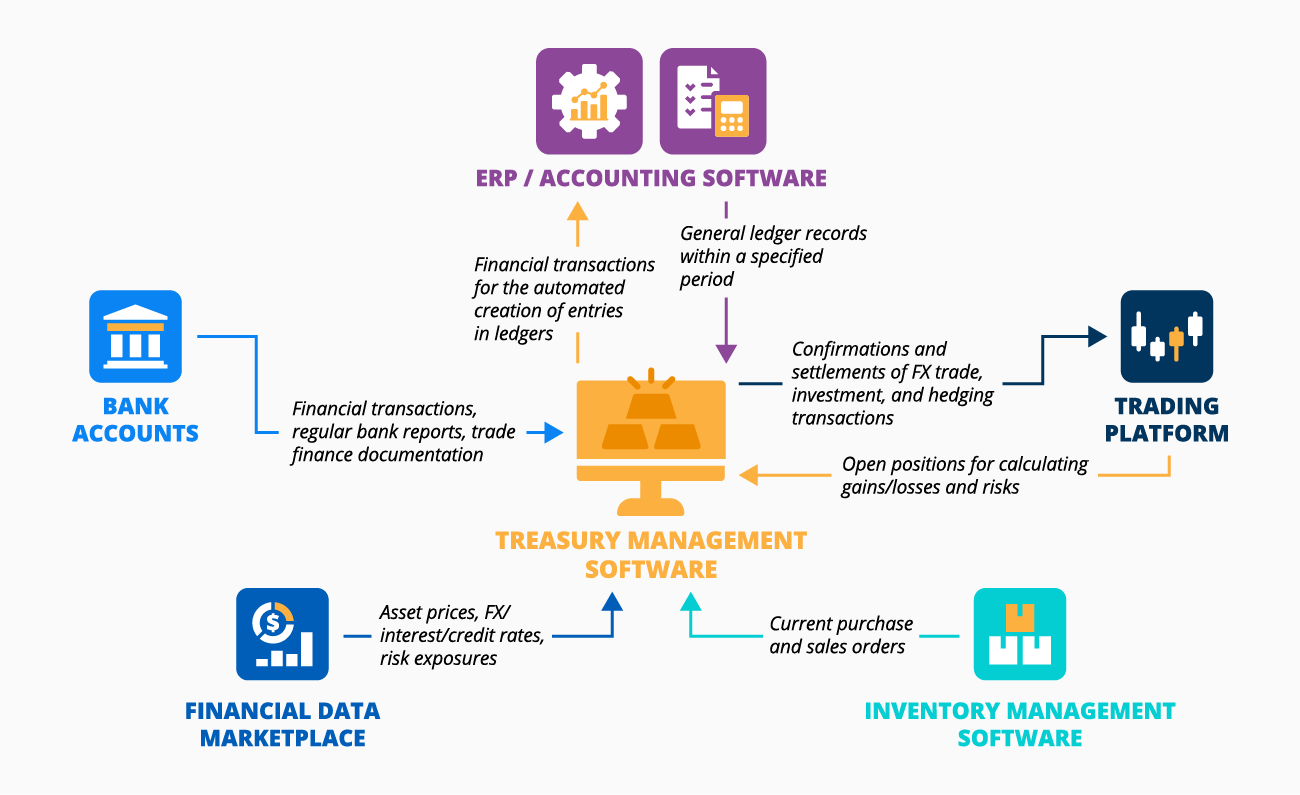
Start by linking your core banking APIs and ERP systems. Treasury analytics tools must pull directly from source-of-truth platforms like SAP, Oracle, or primary bank portals to avoid manual reconciliation errors. Verify that your connection supports real-time or near-real-time data streaming, as daily batch uploads introduce latency that undermines transparency.
Ingest your current cash balances, short-term investments, and outstanding debt obligations. A transparent view requires seeing these assets and liabilities in a unified ledger. Ensure the analytics platform can handle multi-currency conversions and account for restricted cash that cannot be freely deployed. This step creates the baseline snapshot of your financial health.
Connect to reliable market data providers to track interest rates, FX rates, and commodity prices. Tools like CME Group’s QuikStrike provide essential analytics for treasury products, including implied yields and deliverable basket compositions. Without live market data, your treasury models cannot accurately forecast exposure or hedge effectiveness against current economic conditions.
Define clear thresholds for cash balance minimums, debt covenants, and liquidity ratios. Configure the system to trigger alerts when metrics deviate from these targets. This proactive layer ensures that treasury managers are notified of potential liquidity crunches or interest rate spikes before they impact operations, shifting the focus from reactive reporting to active management.
Perform a rigorous audit of the end-to-end data flow. Compare the analytics dashboard figures against your general ledger and bank statements to ensure parity. Look for discrepancies in timing, currency conversion rates, or missing transactions. A transparent treasury system is only as good as its data integrity; regular audits prevent silent errors from skewing strategic decisions.
-
Verify API connectivity with primary bank partners
-
Confirm multi-currency support is active
-
Test market data feed latency
-
Set initial liquidity alert thresholds
-
Run first full reconciliation with GL


As an Amazon Associate, we may earn from qualifying purchases.
Fix common mistakes
to Transparent Treasury Analytics troubleshooting should start with a clear boundary: what is actually broken, and what still works normally. Check the display, network connection, paired devices, app access, and recent updates before assuming the whole system needs a reset. A small connection failure can make the main screen feel unreliable even when the core system is fine. Work from low-risk checks to deeper resets. Confirm power state, safe parking, account access, and signal first. Then restart the interface, wait for it to reload completely, and test the original symptom. Avoid changing multiple settings at once because that makes it harder to know which step actually fixed the problem. If the issue affects safety information, repeats after every restart, or appears with warning messages, treat the reset as a temporary diagnostic step rather than the final fix. Document the symptom and move to official support instead of stacking more DIY attempts.
The simplest way to use this section is to keep the setup small, verify each change, and record the stable configuration before adding optional accessories.
No comments yet. Be the first to share your thoughts!