Why tokenized treasuries need onchain transparency
Traditional treasury management operates on a lag. CFOs and treasurers rely on batched bank statements, end-of-day settlements, and periodic reconciliations to understand cash positions. This opacity creates a significant blind spot when assessing real-time liquidity and credit risk. In a volatile market, waiting 24 hours for data is not just inconvenient; it is a liability.
Tokenized real-world assets (RWA) change this dynamic by bringing treasury data onchain. Instead of relying on delayed reports, investors and issuers can access verifiable, real-time data about the underlying treasury holdings. This transparency is the bridge between the stability of traditional finance and the liquidity of decentralized finance.
Without onchain transparency, tokenized treasuries remain black boxes. Investors cannot verify if the collateral backing the token exists, is segregated, or is being used elsewhere. Onchain analytics solve this by providing an immutable ledger of transactions and holdings. This allows for continuous auditing rather than periodic checks, reducing counterparty risk and increasing trust in the asset class.
The shift from offchain opacity to onchain clarity is not just a technical upgrade; it is a fundamental requirement for institutional adoption. As treasury data becomes programmable and transparent, the efficiency of capital allocation improves, enabling faster settlement and more accurate risk pricing.
Track real-time yield and liquidity data
Monitoring tokenized treasuries requires more than just watching price movements; you need to understand the underlying yield curves and liquidity depth. Unlike traditional bond funds, onchain treasury products offer near-instant visibility into their net asset value (NAV) and the health of their liquidity pools. This transparency allows investors to gauge performance in real time, rather than waiting for end-of-day reports.
Monitoring Yield Curves
The yield curve is the primary indicator of a tokenized treasury's health. It reflects the interest rates for different maturities, directly impacting the income generated by the underlying short-term government bonds. Tools like CME Group's Treasury Analytics provide detailed views of implied yields and deliverable baskets, which serve as a benchmark for evaluating onchain products. By comparing a tokenized fund's yield against these official benchmarks, you can identify arbitrage opportunities or signs of inefficiency.
Assessing Liquidity Depth
Liquidity depth determines how easily you can enter or exit a position without significant slippage. For tokenized treasuries, this is often visible through onchain metrics such as pool reserves and trading volume. A deep liquidity pool suggests that the product can absorb large trades while maintaining a stable price relative to its NAV. If liquidity dries up, the spread between the market price and the actual value of the underlying assets widens, increasing risk for traders.
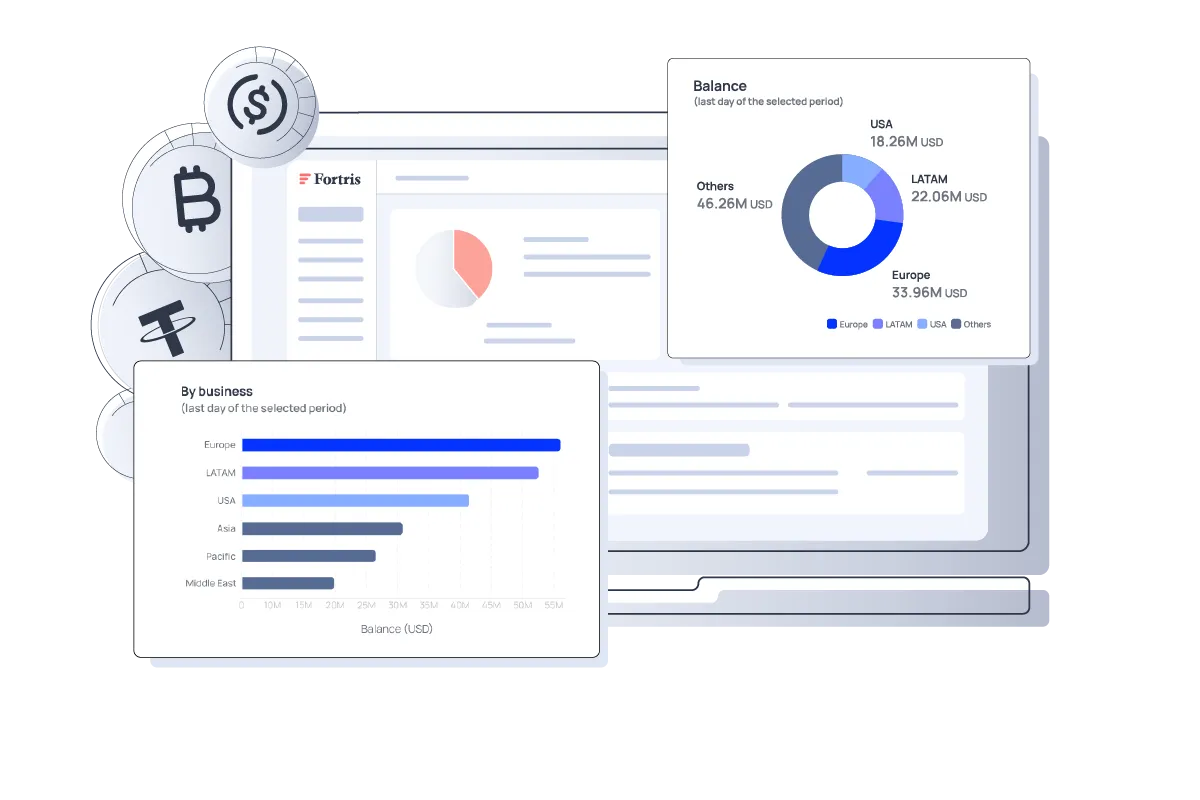
Comparing Onchain vs. Traditional Metrics
While traditional treasury ETFs like SHY provide reliable yield data, tokenized versions often trade on decentralized exchanges with different liquidity dynamics. It is essential to cross-reference onchain prices with official fund NAVs. Discrepancies can arise from temporary liquidity imbalances or network congestion. Regularly tracking these differences helps investors understand the true cost of trading and the efficiency of the tokenized vehicle.
Comparing onchain treasury management platforms
Selecting the right infrastructure for tokenized real-world assets (RWA) requires matching your operational needs with a platform’s specific strengths. While general treasury analytics tools focus on broad cash flow monitoring, specialized onchain platforms prioritize asset-backed verification, regulatory compliance, and liquidity management. The following comparison evaluates three leading platforms based on their data transparency, audit frequency, and supported asset classes.
The table below contrasts how these platforms handle the core requirements of transparent treasury management.
| Platform | Data Transparency | Audit Frequency | Supported Assets |
|---|---|---|---|
| Ondo Finance | Real-time onchain ledger | Quarterly third-party attestation | US Treasuries, Money Markets |
| Maple Finance | Smart contract verified data | Annual institutional audit | Corporate Credit, Syndicated Loans |
| Centrifuge | Full invoice-level granularity | Monthly proof-of-reserves | Real Estate, Trade Finance, NFTs |
Ondo Finance specializes in institutional-grade tokenized government securities. Its transparency model relies on real-time onchain ledgers that mirror traditional custodial records, providing immediate visibility into holdings. This approach aligns with recent industry guidance from SIFMA and EY on clearing compliance, ensuring that tokenized treasuries meet evolving regulatory standards for central clearing. The platform’s quarterly third-party attestations offer a balance of speed and verification, making it suitable for investors prioritizing sovereign-grade assets.
Maple Finance takes a different approach, focusing on decentralized credit markets. Its transparency is derived from smart contract-verified data, meaning all loan terms and repayment schedules are immutable and publicly auditable. With annual institutional audits, Maple caters to sophisticated investors seeking exposure to corporate credit and syndicated loans. The platform’s strength lies in its ability to tokenize complex credit instruments while maintaining rigorous underwriting standards.
Centrifuge distinguishes itself through granular, invoice-level transparency. By providing full visibility into underlying assets like real estate and trade finance invoices, Centrifuge enables investors to assess risk at the individual asset level. Its monthly proof-of-reserves mechanism ensures that the tokenized value is always backed by verified real-world collateral. This high-frequency verification model is particularly valuable for platforms managing illiquid or heterogeneous asset pools.
When evaluating these options, consider your primary constraint: speed of settlement (Ondo), credit yield (Maple), or asset diversity (Centrifuge). Each platform offers a distinct path to transparent treasury management, and the choice depends on whether you prioritize regulatory alignment, credit exposure, or operational granularity.
Assessing credit risk through onchain signals
Tokenized treasuries promise the safety of government debt with the transparency of blockchain. But "safe" in DeFi doesn't mean risk-free; it means the risk is visible. Unlike traditional bond markets where credit data can be opaque or delayed, onchain signals provide real-time visibility into the health of the treasury vehicle. Investors can assess credit risk by monitoring collateralization ratios and withdrawal rates, turning abstract financial concepts into concrete, trackable metrics.
Collateralization Ratios
The collateralization ratio is the first line of defense. In a tokenized treasury, this metric confirms that the digital tokens backing the investment are fully secured by the underlying U.S. Treasury assets. A ratio of 100% or higher indicates that for every token in circulation, there is an equivalent value of treasuries held in reserve.
Deviations from this 1:1 peg are immediate red flags. If the ratio drops below 100%, it suggests either a loss of underlying assets or a loss of confidence driving the token price down. Monitoring this ratio allows investors to distinguish between market volatility and actual structural insolvency. Unlike traditional bonds, where you might wait for a quarterly report to see if the issuer is meeting its obligations, onchain collateralization data is available every block.
Withdrawal Rates and Liquidity Stress
Withdrawal rates offer a forward-looking view of investor sentiment and liquidity stress. In traditional finance, large redemptions from a money market fund are often reported with a lag. Onchain, every redemption is a public transaction. A sudden spike in withdrawal volume can signal that institutional investors are exiting positions due to perceived risks or better opportunities elsewhere.
Sustained high withdrawal rates can strain the treasury's ability to meet obligations without selling assets at a discount. While U.S. Treasuries are highly liquid, rapid, unmanaged outflows can force the underlying fund to sell securities in a falling market, potentially realizing losses. Tracking these flows helps investors gauge whether the treasury is experiencing temporary noise or a systemic loss of confidence.
Integrating Signals for Decision Making
Neither metric tells the whole story in isolation. A high collateralization ratio is reassuring, but if withdrawal rates are climbing, the asset might be overvalued relative to its liquidity. Conversely, stable withdrawals with a dropping collateralization ratio suggest a pricing inefficiency rather than a credit event. By combining these onchain signals, investors can build a more robust picture of credit risk than what is available in traditional secondary markets, where transparency is often limited by regulatory constraints and reporting delays.
Steps to audit your treasury analytics setup
Treasury analytics tools must provide verifiable transparency to justify their use in managing tokenized real-world assets. An audit verifies that data sources are official, trails are immutable, and updates are real-time. Use this checklist to validate your setup.
Confirm that your analytics platform pulls directly from primary sources like bank APIs or official custodian ledgers. Avoid tools that rely on secondary aggregators or manual CSV uploads, which introduce latency and potential for human error. As Kyriba notes, treasury analytics involves collecting data from multiple sources, including bank statements and cash flow statements, to ensure accuracy.
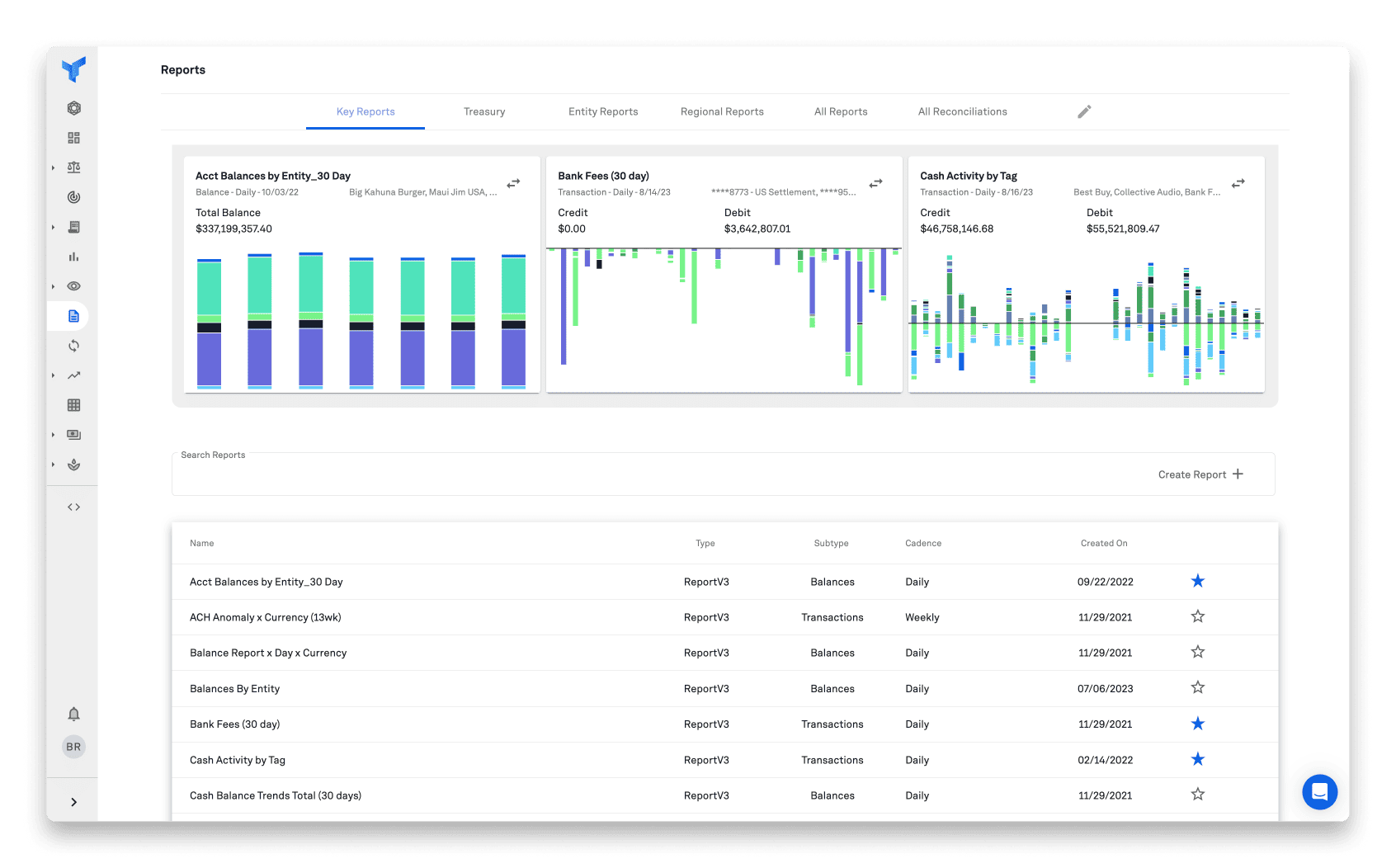
Ensure every data point has a timestamped, unchangeable history. For tokenized assets, blockchain-based audit trails are ideal. Verify that the tool logs every modification, including who made the change and when, allowing you to trace discrepancies back to their origin without relying on opaque internal logs.
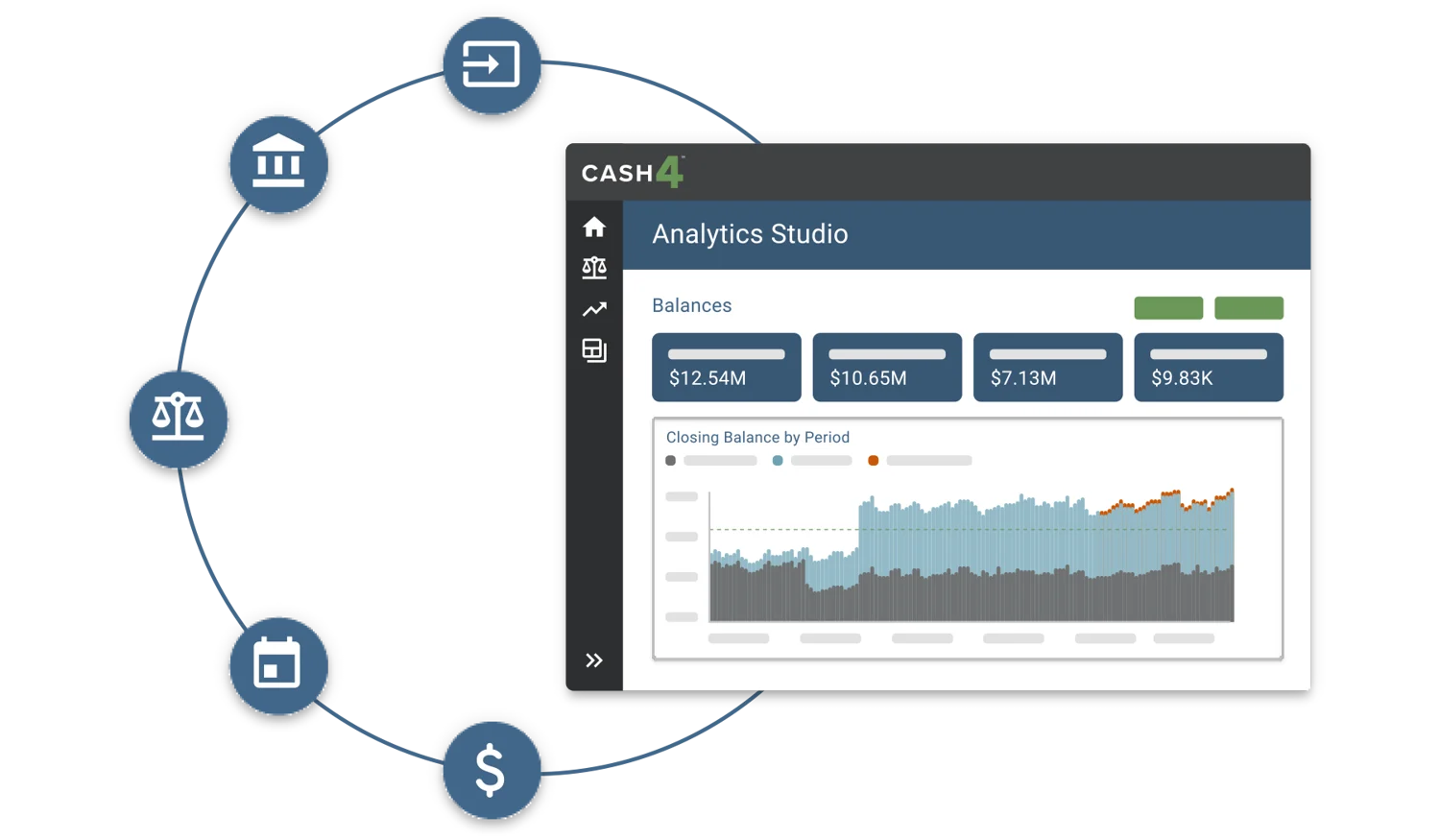
Treasury decisions require current data. Test the tool’s latency by comparing its displayed balances against live bank feeds. If updates are delayed by more than a few minutes, the tool may not be suitable for high-stakes liquidity management. Real-time visibility prevents decisions based on stale information.
No comments yet. Be the first to share your thoughts!