Transparent treasury analytics limits to account for
Transparent treasury analytics requires a clear sequence: define the constraint, compare realistic options, test the tradeoff, and choose the path with the fewest hidden costs. This order keeps the advice usable instead of decorative.
After each step, pause to check whether the recommendation still fits the actual situation. If a strategy depends on perfect timing, unusual access, or a best-case budget, include a simpler fallback.
The simplest way to use this section is to write down the real constraint first, compare each option against it, and choose the path that still works outside ideal conditions.
Transparent treasury analytics choices that change the plan
Transparent treasury analytics works best as a clear sequence: define the constraint, compare the realistic options, test the tradeoff, and choose the path with the fewest hidden costs. That order keeps the advice usable instead of decorative.
After each step, pause long enough to check whether the recommendation still fits the reader's actual situation. If it depends on perfect timing, unusual access, or a best-case budget, include a simpler fallback.
| Factor | What to check | Why it matters |
|---|---|---|
| Fit | Match the option to the primary use case. | A good deal still fails if it does not fit the job. |
| Condition | Verify age, wear, and service history. | Hidden condition issues erase upfront savings. |
| Cost | Compare purchase price with likely upkeep. | The cheapest option is not always the lowest-cost option. |
Choose the next step
Transparent treasury analytics works best as a clear sequence: define the constraint, compare the realistic options, test the tradeoff, and choose the path with the fewest hidden costs. That order keeps the advice usable instead of decorative.
After each step, pause long enough to check whether the recommendation still fits the reader's actual situation. If it depends on perfect timing, unusual access, or a best-case budget, include a simpler fallback.
Watch out for misleading yield claims
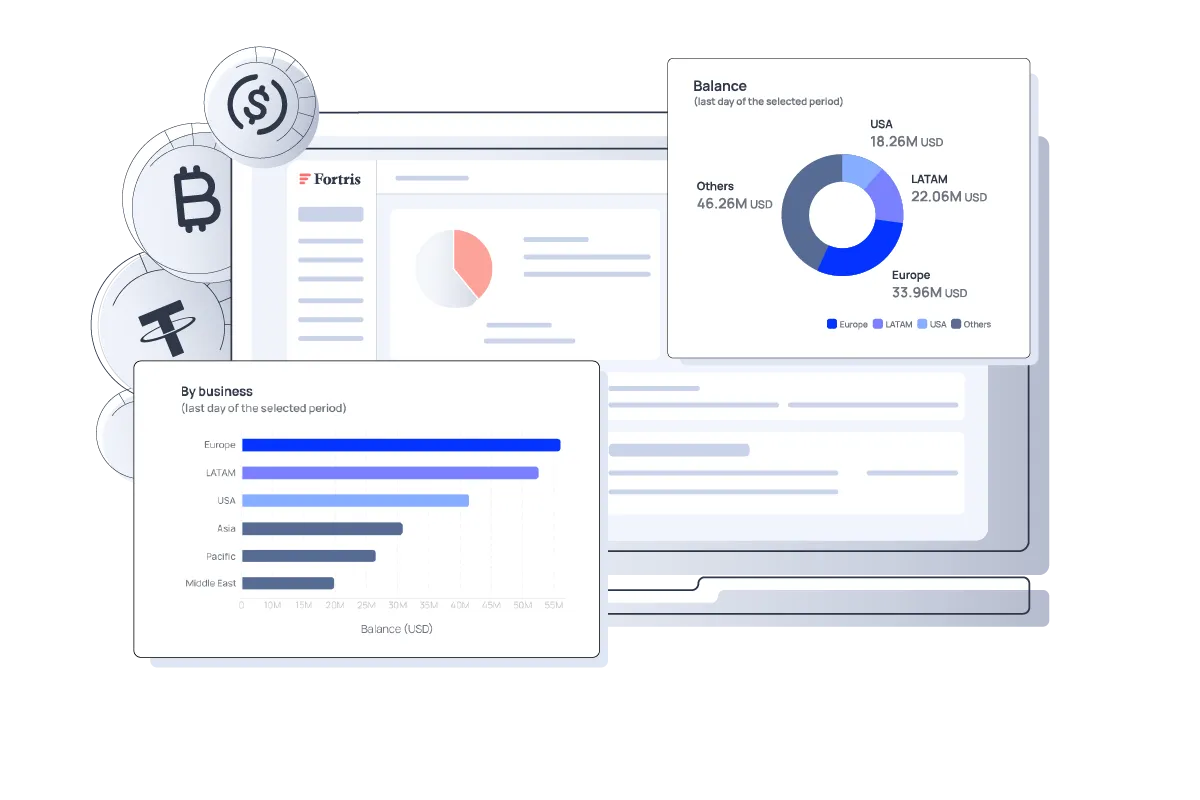
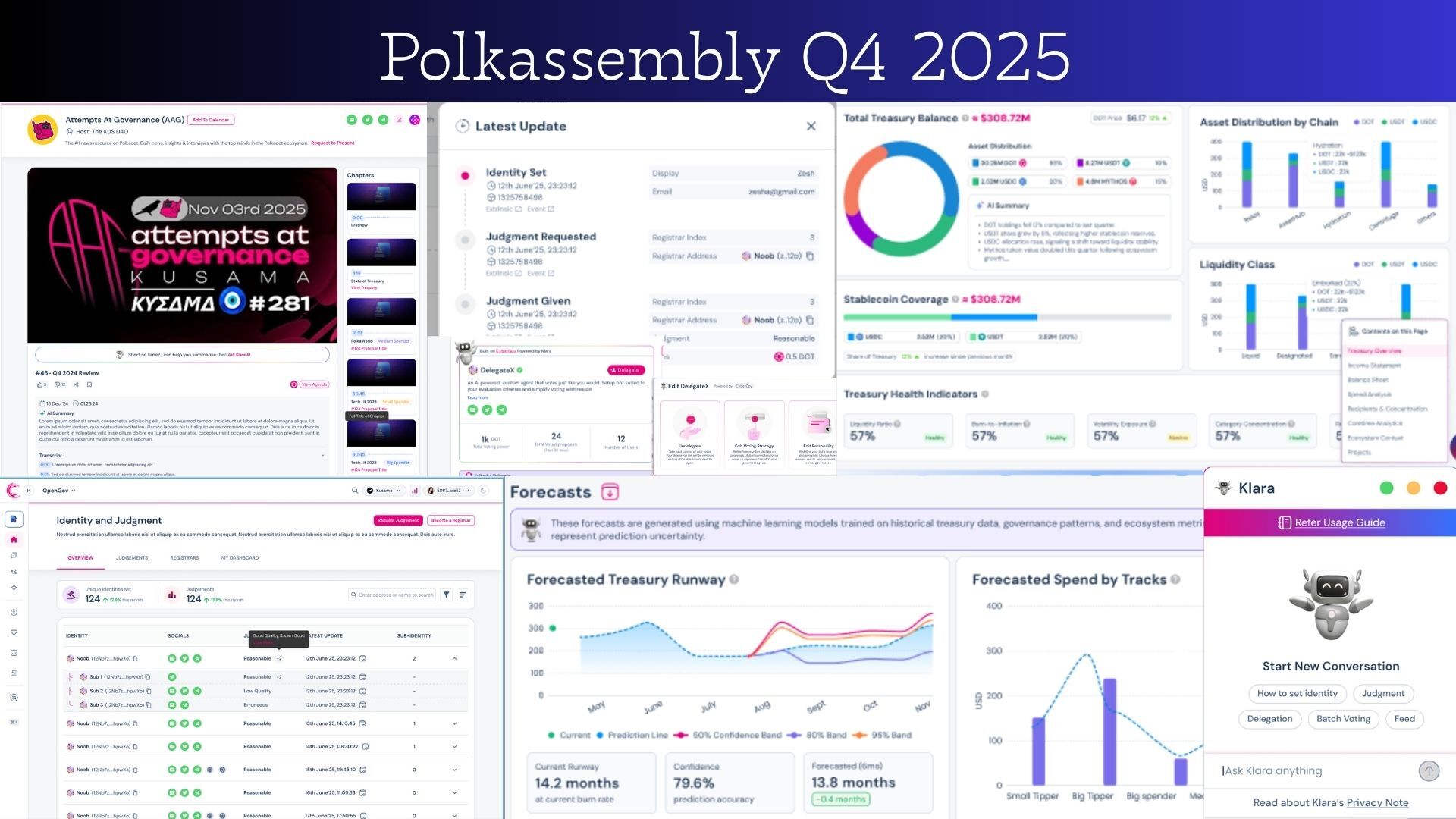
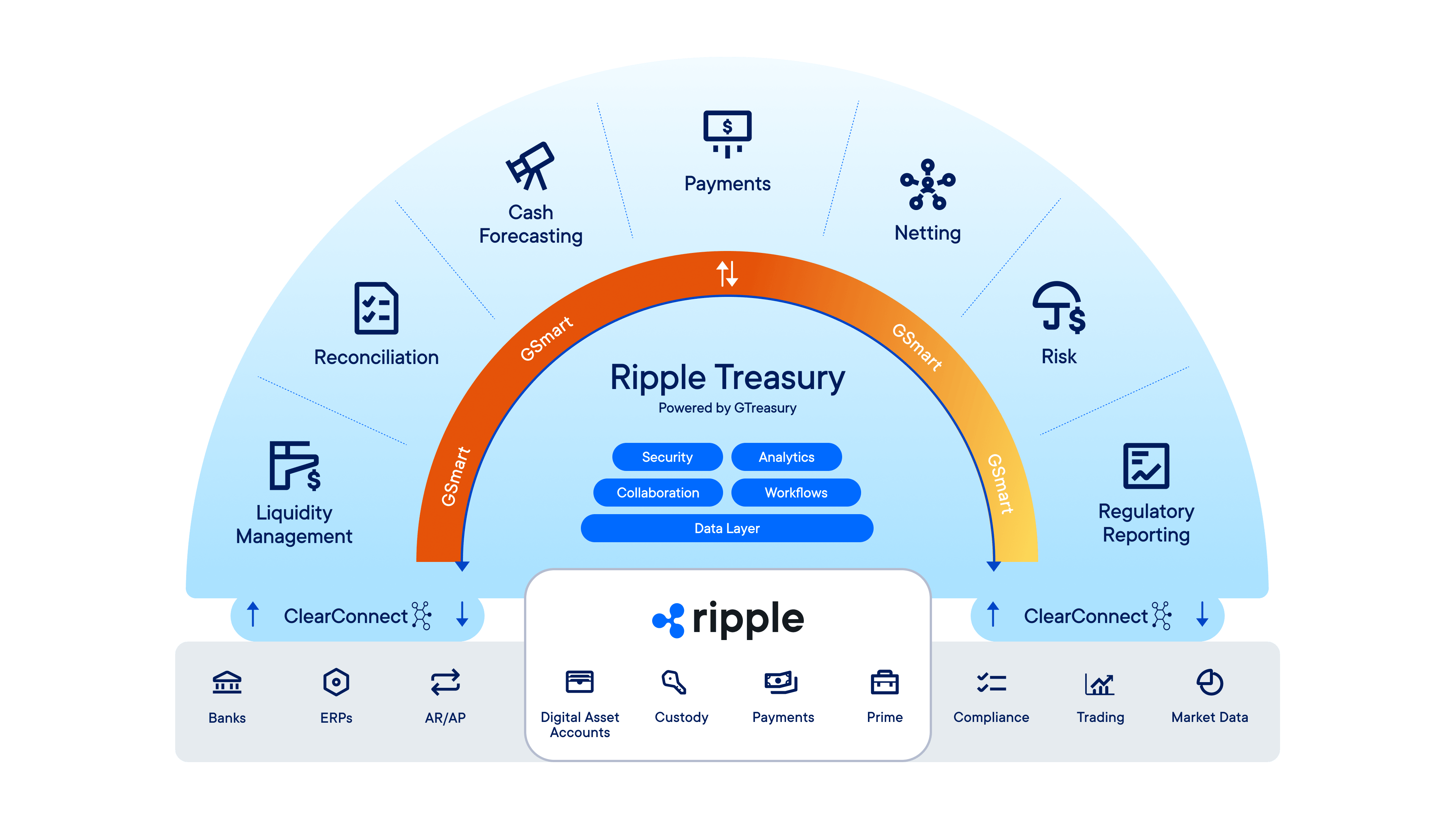
Transparent treasury analytics promise clarity, but several common pitfalls distort the view of real-world asset yield. Before relying on a dashboard or platform, check how it calculates implied yield. Some tools report nominal rates without adjusting for accrued interest or day-count conventions, which inflates the apparent return. Others use stale delivery basket data that no longer reflects current market deliverables, as seen in older CME Group user guides that list outdated security lists.
Onchain credit infrastructure adds another layer of risk. Many protocols claim "real-time" transparency, but their oracle feeds may lag or rely on single-source data. Verify that the yield source is audited and that the credit risk assessment includes off-chain collateral verification. If a platform hides its reserve proofs or oracle sources, treat the yield number as theoretical, not realized.
Finally, watch for weak options that bundle unrelated risks. A platform might offer high yield by combining low-grade credit exposure with leveraged treasury positions. This structure masks true risk. Always ask for the underlying asset breakdown and stress-test the yield against a baseline treasury rate. If the spread isn't justified by clear, auditable credit enhancement, it's likely a misleading claim.
Transparent treasury analytics: what to check next
Before adopting onchain credit infrastructure or real-world asset yield tracking, teams often face practical hurdles regarding data accuracy and regulatory alignment. This section addresses the most common objections to transparent treasury analytics, focusing on how to verify yield claims and ensure compliance with existing reporting standards.
No comments yet. Be the first to share your thoughts!