Transparent treasury analytics guide
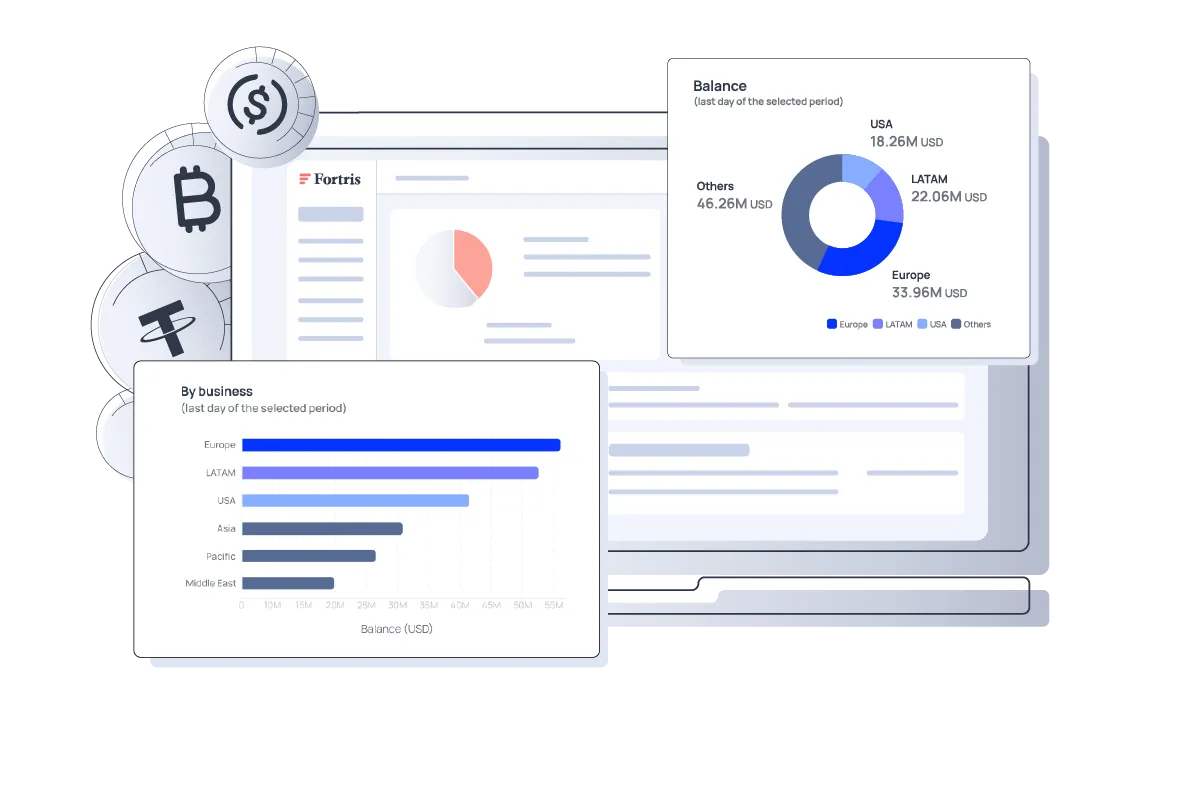
Treasury teams face a complex tracking problem. Onchain credit and tokenized real-world assets (RWA) move faster than traditional reporting cycles allow. Without transparent treasury analytics, you cannot verify collateral quality or monitor liquidity in real time. This guide focuses on the specific checks needed to track these digital assets effectively.
The core challenge is visibility. Traditional treasury management systems (TMS) are built for fiat bank accounts and off-chain bonds. They do not natively parse blockchain ledgers or smart contract states. When you tokenize a treasury bond, the asset exists on a public ledger, but the legal ownership and credit risk remain off-chain. Bridging this gap requires specialized analytics tools that can reconcile onchain data with off-chain financial records.
Consider the deliverable basket for Treasury futures contracts. CME Group’s QuikStrike tool provides analytics for these products, showing implied yields and security lists. While this is a traditional tool, the principle applies to tokenized RWAs: you need a single source of truth that aggregates yield data, collateral status, and counterparty risk. Without this transparency, your treasury operations are blind to half the picture.
To build a robust tracking system, you must prioritize three areas: data integrity, real-time verification, and regulatory compliance. Each area requires distinct technical checks. The following sections break down these checks into actionable steps for implementation.
Transparent treasury analytics choices that change the plan
Evaluating transparent treasury analytics requires balancing the desire for granular visibility against the operational realities of data infrastructure. As organizations move toward tracking onchain credit and tokenized real-world assets, the choice of analytics layer determines what is actually visible and what remains obscured.
The core tradeoff lies in completeness versus latency. Full-spectrum visibility often demands heavy integration with legacy banking APIs or onchain oracles, introducing delays that can obscure real-time liquidity positions. Conversely, lightweight, real-time trackers may skip deeper ledger layers, leaving blind spots in credit exposure or settlement risk.
Readers should compare platforms across these concrete dimensions:
| Factor | High Transparency | Low Transparency |
|---|---|---|
| Data Depth | Full ledger-level visibility including offchain and onchain layers | Aggregated balances only; underlying asset details hidden |
| Update Frequency | Real-time or near-real-time via direct API or oracle feeds | End-of-day or weekly snapshots; stale data risk |
| Auditability | Cryptographic proof or verifiable transaction hashes available | Summary reports only; no path to verify individual entries |
| Integration Cost | High; requires custom connectors for fragmented data sources | Low; plug-and-play dashboards with limited scope |
| Regulatory Fit | Supports detailed reporting for AML, KYC, and capital reserves | May fail strict audit requirements for tokenized RWAs |
When assessing these tradeoffs, consider your primary use case. If the goal is regulatory compliance and audit trails, high transparency is non-negotiable, even if it means accepting higher integration costs and slightly delayed aggregation. Tools like CME Group’s Treasury Analytics, for example, provide detailed deliverable basket analytics and implied yields, which are essential for understanding the underlying securities but require significant setup.
For operational liquidity management, low-transparency, high-frequency tools may suffice. If you only need to know your current cash position to make intra-day funding decisions, the overhead of full ledger transparency may not justify the cost. However, as tokenized RWAs become more prevalent, the line between operational and compliance needs blurs.
Ultimately, the right choice depends on where your risk lies. If your treasury holds volatile onchain assets or complex tokenized structures, lean toward high transparency. If your holdings are stable, fiat-heavy, and regulated, a lighter, faster analytics layer might be more efficient. Always verify that the transparency you’re buying actually covers the assets you hold, not just the ones the vendor supports.
Choose the next step
Transparent Treasury Analytics works best as a clear sequence: define the constraint, compare the realistic options, test the tradeoff, and choose the path with the fewest hidden costs. That order keeps the advice usable instead of decorative. After each step, pause long enough to check whether the recommendation still fits the reader's actual situation. If it depends on perfect timing, unusual access, or a best-case budget, include a simpler fallback.
Avoiding Weak Treasury Analytics Options
Treasury analytics platforms promise transparency, but many fail to deliver. The gap between marketing claims and onchain reality can cost your organization significant liquidity. Identify these common pitfalls before committing to a vendor.
Ignoring Data Latency
Real-time visibility is non-negotiable for active treasury management. Many platforms still rely on end-of-day batch processing. This delay hides intraday volatility and exposes your cash position to unexpected swings. Verify that the tool updates balances and credit exposures at sub-hourly intervals.
Overlooking Tokenized RWA Integration
Traditional analytics often treat tokenized real-world assets (RWA) as secondary or ignore them entirely. If your treasury holds tokenized debt or equity, you need a platform that tracks these onchain instruments alongside traditional bank balances. Fragmented data creates blind spots in your consolidated view.
Relying on Opaque Yield Calculations
Implied yield models vary wildly between providers. Some use simplified assumptions that ignore liquidity premiums or settlement delays. Always audit the methodology behind yield projections. Use tools like CME Group’s analytics to cross-check implied yields against actual market data before trusting the platform’s forecasts.
Transparent treasury analytics: what to check next
Transparent Treasury Analytics helps corporate treasurers and financial institutions monitor cash positions, manage liquidity, and assess risk by aggregating data from multiple banking and investment sources. Unlike traditional reporting that relies on batch processing, these platforms provide near-real-time visibility into bank balances and outstanding obligations using standard protocols like SWIFT MT940 messages.
What makes treasury analytics "transparent"?
Transparency in this context refers to the ability to see underlying data sources without black-box aggregation. Platforms expose the granular details of deliverable baskets, implied yields, and settlement statuses. This allows finance teams to audit discrepancies immediately rather than discovering errors during month-end close. The goal is to replace fragmented spreadsheets with a single source of truth.
How does it differ from standard cash visibility tools?
Standard cash visibility tools often stop at reporting current balances. Transparent Treasury Analytics goes further by layering predictive modeling and market analytics on top of that data. It identifies patterns, trends, and outliers in cash flow history to forecast future liquidity needs. This shift from reactive reporting to proactive planning helps treasurers optimize working capital and mitigate interest rate risk.
Can these tools integrate with tokenized assets?
Yes, modern analytics engines are adapting to track tokenized Real World Assets (RWA) alongside traditional fiat treasuries. By connecting on-chain data feeds with off-chain bank APIs, these systems provide a unified view of hybrid balance sheets. This integration is critical for organizations exploring decentralized finance (DeFi) instruments while maintaining compliance with traditional auditing standards.
What are the main risks of relying on automated analytics?
The primary risk is data integrity from disparate sources. If a bank API fails or a tokenized asset smart contract has a bug, the analytics platform may display inaccurate liquidity positions. Treasurers must implement robust reconciliation processes and maintain manual overrides. Additionally, over-reliance on predictive algorithms without human oversight can lead to missed contextual nuances in volatile markets.
Helpful gear
Use these product recommendations as a starting point, then choose the size, material, and price point that fit how you actually use the gear.


- Built for frequent use
- Useful beyond one recipe

As an Amazon Associate, we may earn from qualifying purchases.
No comments yet. Be the first to share your thoughts!