Transparent treasury analytics limits to account for
Transparent Treasury Analytics requires a clear sequence: define the constraint, compare realistic options, test the tradeoff, and choose the path with the fewest hidden costs. This order keeps advice usable rather than decorative.
After each step, verify whether the recommendation fits your actual situation. If a strategy depends on perfect timing, unusual access, or a best-case budget, include a simpler fallback.
Transparent treasury analytics choices that change the plan
The simplest approach is to write down the real constraint first, compare each option against it, and choose the path that still works outside ideal conditions.
| Factor | What to check | Why it matters |
|---|---|---|
| Fit | Match the option to the primary use case. | A good deal still fails if it does not fit the job. |
| Condition | Verify age, wear, and service history. | Hidden condition issues erase upfront savings. |
| Cost | Compare purchase price with likely upkeep. | The cheapest option is not always the lowest-cost option. |
How to choose the right treasury analytics platform
Treasury analytics involves collecting, processing, and analyzing data from multiple sources, including bank statements, cash flow statements, financial reports, and market data. For organizations managing tokenized RWAs or on-chain credit, the decision comes down to which platform best handles the specific friction points of your asset class.
Use this framework to evaluate vendors against your operational reality. Focus on the three pillars below rather than generic feature checklists.
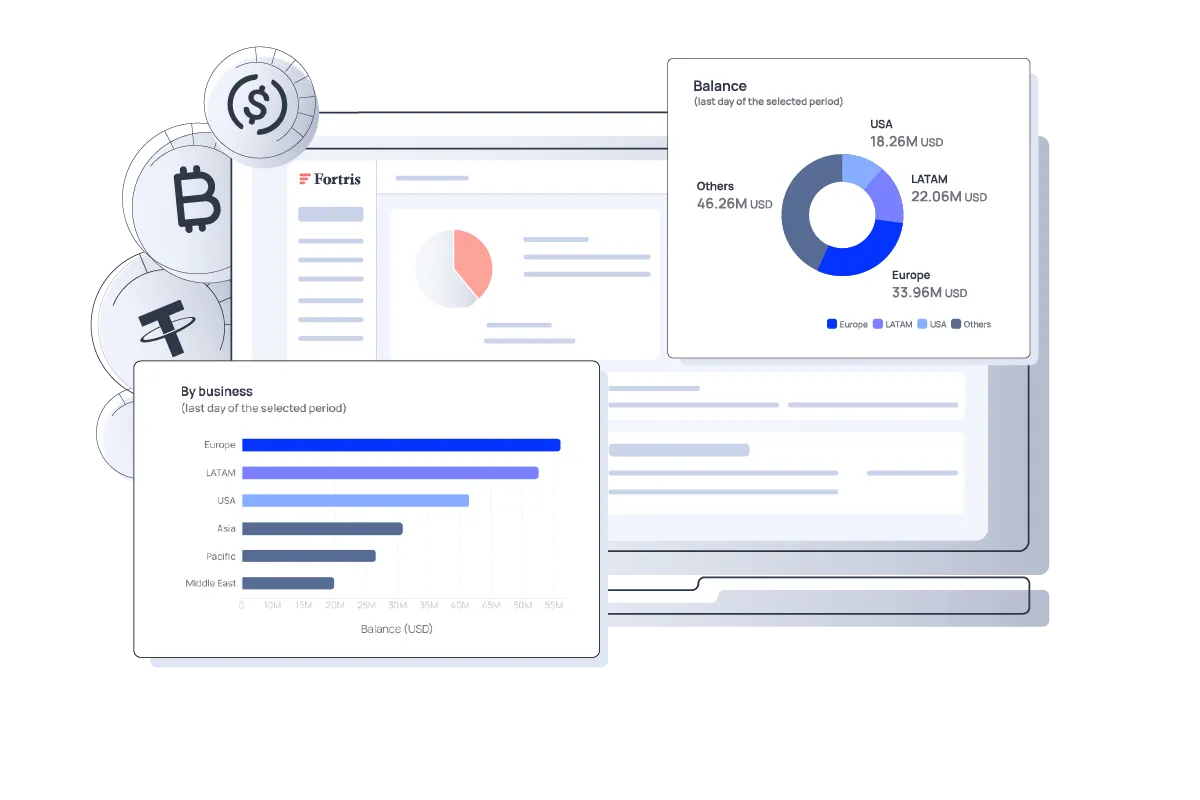
If your treasury interacts with futures or tokenized equivalents, the platform must surface the Cheapest to Deliver (CTD) in real time. CTD refers to the least expensive security deliverable on a futures contract's long position. The formula for CTD is Current Bond Price - Settlement Price x Conversion Factor. Without clear visibility into implied yields and conversion factors, you cannot accurately assess delivery costs or arbitrage opportunities.
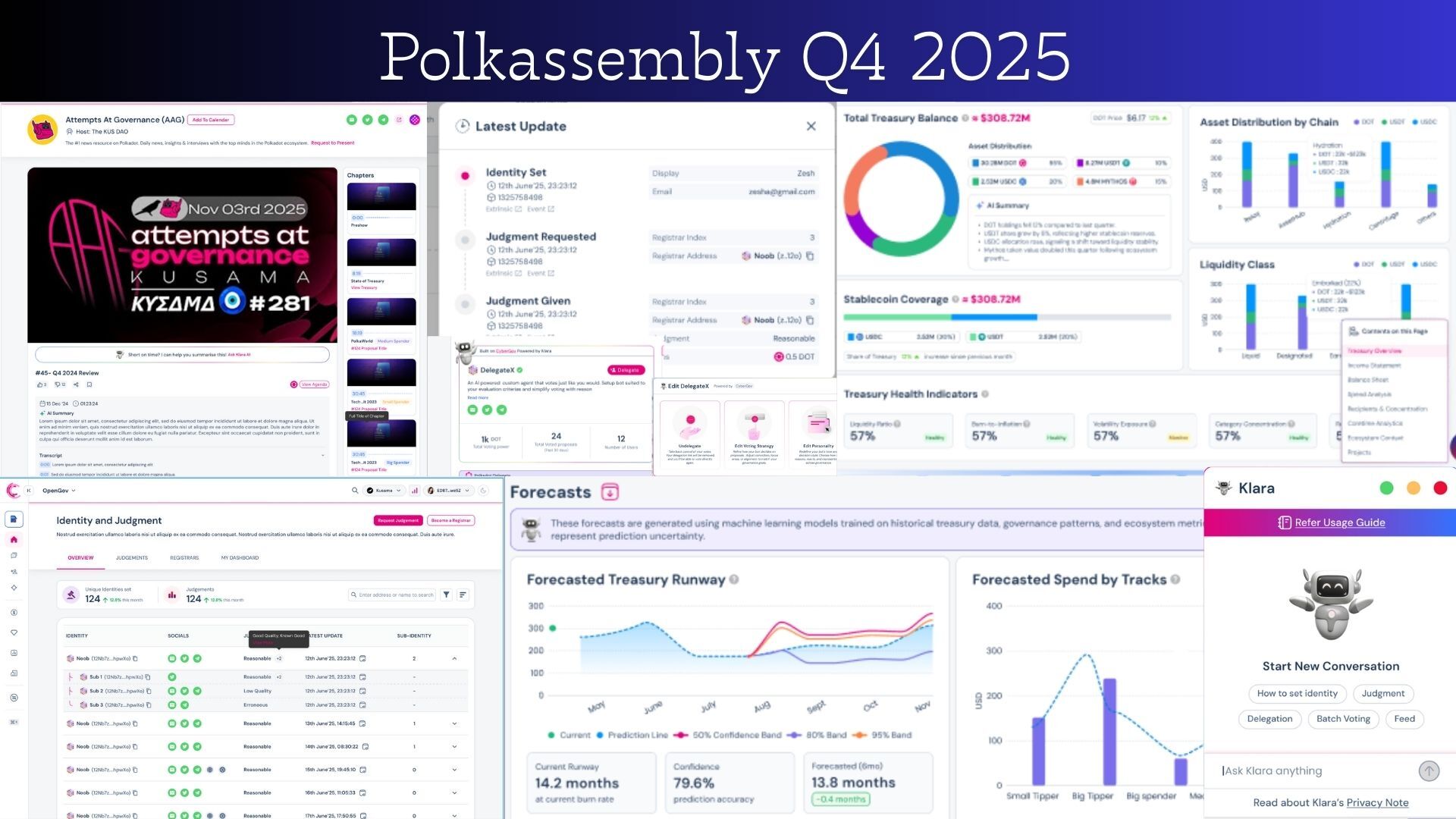
Modern treasuries sit at the intersection of legacy banking rails and on-chain ledgers. The right tool aggregates data from bank statements, market data feeds, and internal financial reports into a single view. Avoid siloed dashboards that require manual reconciliation between your custodian’s API and your on-chain wallet balances.
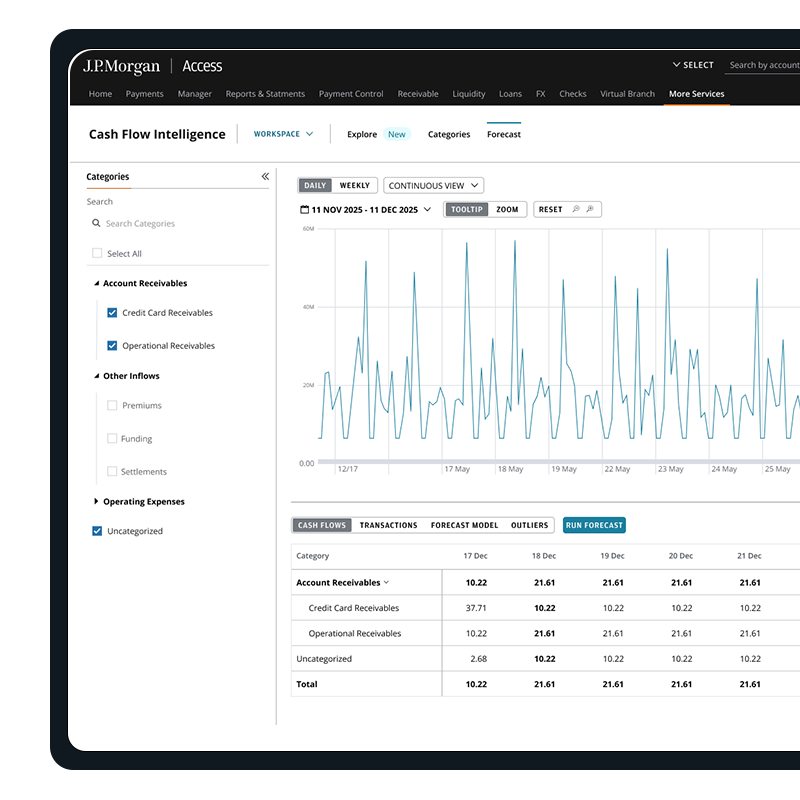
Tokenized real-world assets often exhibit different liquidity profiles than traditional securities. Your analytics platform should allow you to stress-test portfolios against sudden liquidity shocks or yield curve shifts. Look for tools that simulate how changes in interest rates or collateral haircuts impact your overall treasury health.
| Capability | Traditional Treasury | Tokenized RWA Treasury |
|---|---|---|
| Data Sources | Bank APIs, SWIFT | On-chain ledgers, Bank APIs |
| Valuation | Mark-to-model, daily | Real-time, continuous |
| CTD Visibility | Futures-focused, delayed | Implicit in smart contract logic |
The goal is to reduce the cognitive load on your analysts. Whether you are a treasury analyst in an entry-level role or a seasoned CFO, the tool should automate the heavy lifting of data collection so you can focus on strategic allocation.
Spotting Weak Treasury Analytics Options
Treasury analytics tools promise clarity, but many fail to distinguish between basic cash aggregation and complex derivatives modeling. When evaluating onchain credit and tokenized RWA infrastructure, you must look past marketing claims. The most common mistake is assuming a single dashboard can handle both spot cash flows and futures conversion factors.
The Cheapest to Deliver (CTD) mechanism in Treasury futures is often misunderstood. CTD refers to the least expensive security deliverable on a futures contract's long position. It is not a fixed asset; it shifts based on current bond prices, settlement prices, and conversion factors. If your analytics platform does not dynamically recalculate CTD in real-time, it is likely offering only historical reporting, not active trading support.
Another weak option is the "entry-level" dashboard that lacks institutional-grade data feeds. While treasury analyst roles are often entry-level, the data infrastructure supporting them is not. Many tools simply aggregate bank statements without integrating market data or implied yields. True analytics requires processing data from multiple sources, including cash flow statements, financial reports, and live market feeds.
Finally, be wary of platforms that ignore the nuances of tokenized assets. Traditional Treasury analytics tools are not built for onchain credit. They often lack the ability to track smart contract risks or verify the backing of tokenized RWA. Ensure your chosen tool can bridge traditional finance metrics with onchain verification to avoid blind spots in your treasury management.
Transparent treasury analytics: what to check next
Treasury analytics tools bridge the gap between raw onchain data and actionable corporate finance decisions. As 2026 brings stricter transparency mandates, understanding the mechanics behind these systems helps teams evaluate risk and compliance accurately.
No comments yet. Be the first to share your thoughts!