Transparent treasury analytics strategy limits to account for
Treasury teams managing Real World Assets (RWA) must balance the demand for onchain transparency with the need for strategic privacy. The shift from opaque, quarterly reports to real-time, verifiable ledgers changes how risk is priced and managed. A robust analytics strategy does not just display data; it defines what data is visible, how it is verified, and who can access it. Without clear boundaries, transparency can lead to front-running, counterparty risk, or regulatory exposure.
Start with the reader's actual constraint, then separate must-have requirements from details that are merely nice to have. A practical choice should survive normal use, maintenance, timing, and budget. If a recommendation only works in an ideal situation, call that out plainly and give the reader a fallback path.
The simplest way to approach this is to write down the must-have criteria first, then compare each option against those criteria before weighing nice-to-have features.
Transparent treasury analytics strategy choices that change the plan
A practical choice should survive normal use, maintenance, timing, and budget. If a recommendation only works in an ideal situation, call that out plainly and give the reader a fallback path.
| Factor | What to check | Why it matters |
|---|---|---|
| Fit | Match the option to the primary use case. | A good deal still fails if it does not fit the job. |
| Condition | Verify age, wear, and service history. | Hidden condition issues erase upfront savings. |
| Cost | Compare purchase price with likely upkeep. | The cheapest option is not always the lowest-cost option. |
Choose the next step
Transparent Treasury Analytics works best as a clear sequence: define the constraint, compare the realistic options, test the tradeoff, and choose the path with the fewest hidden costs. That order keeps the advice usable instead of decorative.
After each step, pause long enough to check whether the recommendation still fits the reader's actual situation. If it depends on perfect timing, unusual access, or a best-case budget, include a simpler fallback.
Avoid the weak options
The simplest way to approach this is to write down the must-have criteria first, then compare each option against those criteria before weighing nice-to-have features.
Transparent treasury analytics strategy: what to check next
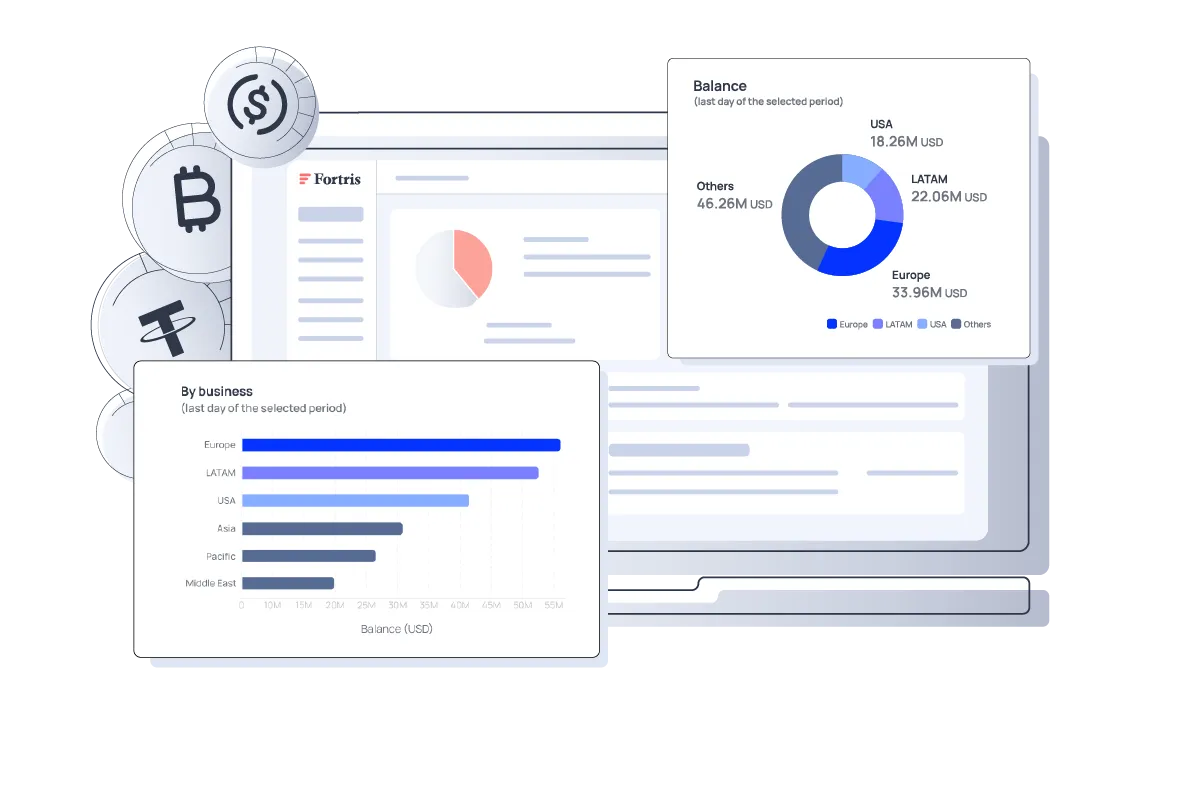
As onchain credit and RWA tokenization mature, treasury teams face new scrutiny. The shift from opaque ledgers to transparent analytics changes how risk is priced and managed. To implement this effectively, teams must address three critical areas: data granularity, verification mechanisms, and privacy preservation.
First, determine the level of data granularity required by stakeholders. Public blockchains offer full transparency, which can expose trading strategies to competitors. Private ledgers offer privacy but reduce trust for external auditors. The solution often lies in hybrid models or zero-knowledge proofs (ZKPs), which allow treasuries to prove solvency and compliance without revealing underlying asset details. For example, a treasury can prove it holds sufficient collateral for a loan without disclosing the specific tokens or their current market valuation to the public.
Second, establish continuous verification protocols. Traditional audits are periodic snapshots that can become outdated within days. In contrast, onchain analytics enable real-time monitoring of asset flows. Implementing automated oracles that feed verified offchain data (such as bank balances or property valuations) onto the blockchain ensures that the "transparent" ledger reflects reality. This reduces the information asymmetry that often leads to sudden credit freezes or liquidity crises.
Third, define clear access controls. Not all stakeholders need the same level of visibility. Institutional investors may require detailed breakdowns of risk exposure, while retail participants might only need aggregate performance metrics. Role-based access control (RBAC) within the analytics dashboard ensures that sensitive data is shared only with authorized parties. This balances the efficiency gains of automated settlement with the loss of strategic privacy.
Practical implementation steps
To move from strategy to execution, treasury teams should follow a phased approach. Start by mapping current data sources and identifying gaps in visibility. Next, select a blockchain infrastructure that supports the required privacy features, such as permissioned nodes or ZK-rollups. Then, integrate oracles to bring offchain data onchain, ensuring that the data feeds are tamper-proof and updated frequently. Finally, establish governance protocols for who can view, edit, and verify the data. This structured approach ensures that transparency enhances rather than hinders operational efficiency.
No comments yet. Be the first to share your thoughts!