Transparent treasury analytics limits to account for
Treasury analytics used to mean reconciling spreadsheets against bank statements. Today, the constraint is transparency. When assets move on-chain, the ledger is public, but the operational reality is hidden behind smart contracts and custodial layers. CFOs cannot simply pull a balance sheet; they must verify the integrity of the data stream itself.
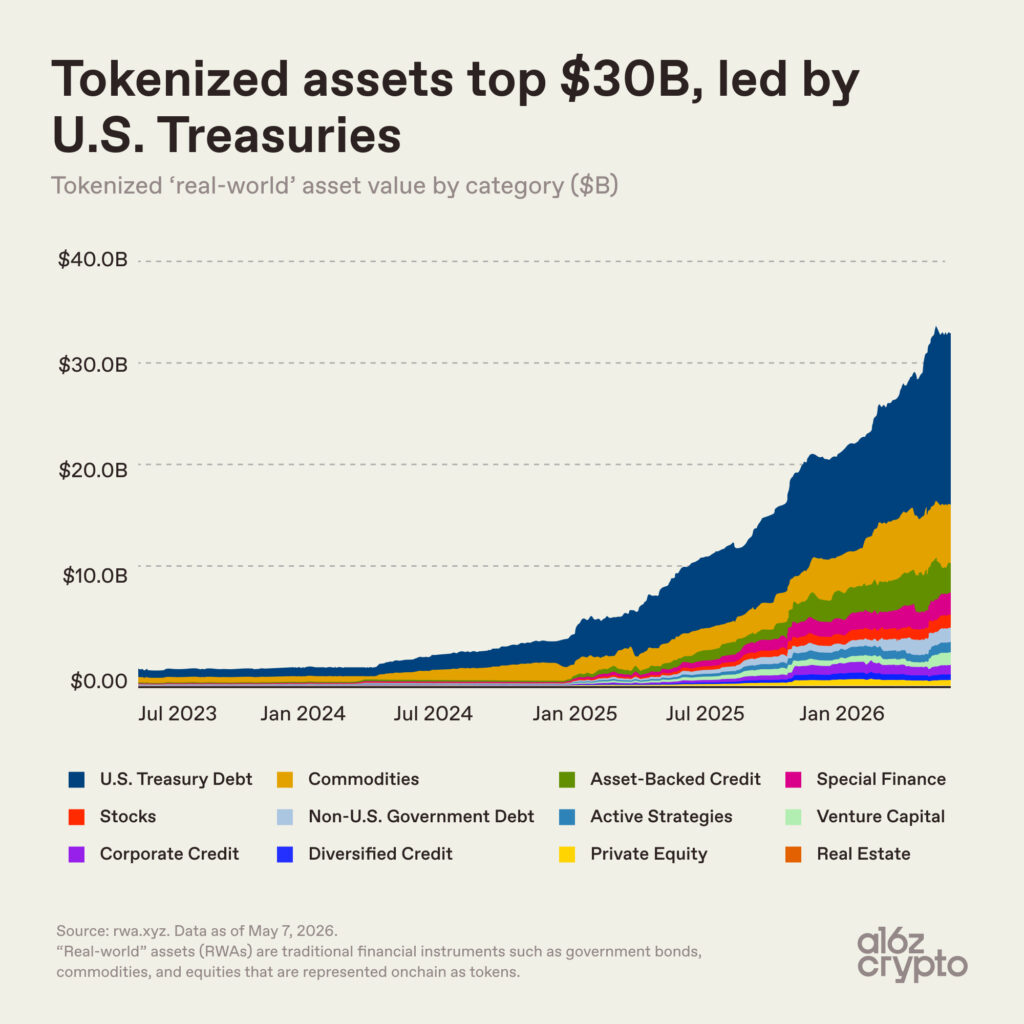
The primary challenge is distinguishing between tokenized representation and underlying value. A tokenized real-world asset (RWA) or onchain credit instrument is only as reliable as its oracle and custody proofs. If the off-chain collateral is opaque, the on-chain price is a ghost. This creates a new audit requirement: validating the bridge between traditional finance and blockchain infrastructure.
Traditional tools like CME Group’s treasury analytics focus on futures and deliverable baskets, providing implied yields and security lists. These are essential for hedging but insufficient for tracking spot tokenized assets. The constraint here is granularity. You need to see the actual cash flows, not just the derivative exposure. Without this visibility, treasury management becomes a guesswork exercise rather than a strategic function.
To manage this, organizations must adopt a dual-view approach. One view tracks the on-chain token status, including transfers and smart contract interactions. The other tracks the off-chain asset health, including credit ratings and collateral audits. Bridging these two views is the core of modern treasury analytics. It turns transparency from a technical feature into a financial control mechanism.
Transparent treasury analytics choices that change the plan
Transparent Treasury Analytics works best as a clear sequence: define the constraint, compare the realistic options, test the tradeoff, and choose the path with the fewest hidden costs. That order keeps the advice usable instead of decorative. After each step, pause long enough to check whether the recommendation still fits the reader's actual situation. If it depends on perfect timing, unusual access, or a best-case budget, include a simpler fallback.
| Factor | What to check | Why it matters |
|---|---|---|
| Fit | Match the option to the primary use case. | A good deal still fails if it does not fit the job. |
| Condition | Verify age, wear, and service history. | Hidden condition issues erase upfront savings. |
| Cost | Compare purchase price with likely upkeep. | The cheapest option is not always the lowest-cost option. |
Choose the next step
Transparent Treasury Analytics works best as a clear sequence: define the constraint, compare the realistic options, test the tradeoff, and choose the path with the fewest hidden costs. That order keeps the advice usable instead of decorative. After each step, pause long enough to check whether the recommendation still fits the reader's actual situation. If it depends on perfect timing, unusual access, or a best-case budget, include a simpler fallback.
Watch Out for These Weak Options
As tokenized real-world assets (RWA) and onchain credit infrastructure mature, the market is flooded with tools that claim transparency but deliver opacity. For CFOs and treasury teams, distinguishing between genuine analytics and marketing fluff is critical. Below are the most common pitfalls to avoid when evaluating these platforms.
Missing Deliverable Basket Transparency
Many platforms tout "real-time analytics" without disclosing the underlying composition of the deliverable basket. If a tool shows implied yields or pricing but hides which specific Treasury securities form the basket, it is unreliable. Official sources like CME Group provide clear visibility into the securities that make up these baskets; any third-party tool that obscures this data should be treated with suspicion.
Aggregated Data Without Source Attribution
Treasury data analytics requires ingesting data from bank statements, cash flow statements, and other financial sources. Weak options often aggregate this data into vague dashboards without allowing users to trace the numbers back to their source. Look for platforms that provide a clear audit trail. If you cannot verify where a cash flow projection originated, the analytics are likely derived from stale or unverified inputs.
Static Pricing Without Live Feeds
In a high-stakes environment, static pricing is a liability. Some platforms display prices that are delayed by hours or days, which is unacceptable for active treasury management. Ensure any tool you adopt uses provider-backed live feeds. If the pricing widget does not update in real-time or lacks a clear timestamp, it is not suitable for tracking volatile onchain credit instruments.
Transparent treasury analytics: what to check next
Treasury analytics have moved from back-office reporting to real-time decision-making, especially as tokenized real-world assets gain traction. If you are evaluating tools to track onchain credit infrastructure or manage treasury liquidity, these practical questions address the most common friction points.
Helpful gear
Use these product recommendations as a starting point, then choose the size, material, and price point that fit how you actually use the gear.

- Built for frequent use
- Useful beyond one recipe
As an Amazon Associate, we may earn from qualifying purchases.
No comments yet. Be the first to share your thoughts!