The transparent treasury analytics market limits to account for
The shift from traditional treasury management to onchain credit infrastructure reveals a significant gap in how institutions measure yield. While the transparent treasury analytics market has grown, it remains constrained by fragmented data sources and legacy reporting standards. Most treasury teams still rely on siloed spreadsheets or outdated enterprise resource planning (ERP) systems that cannot natively ingest blockchain ledger data.
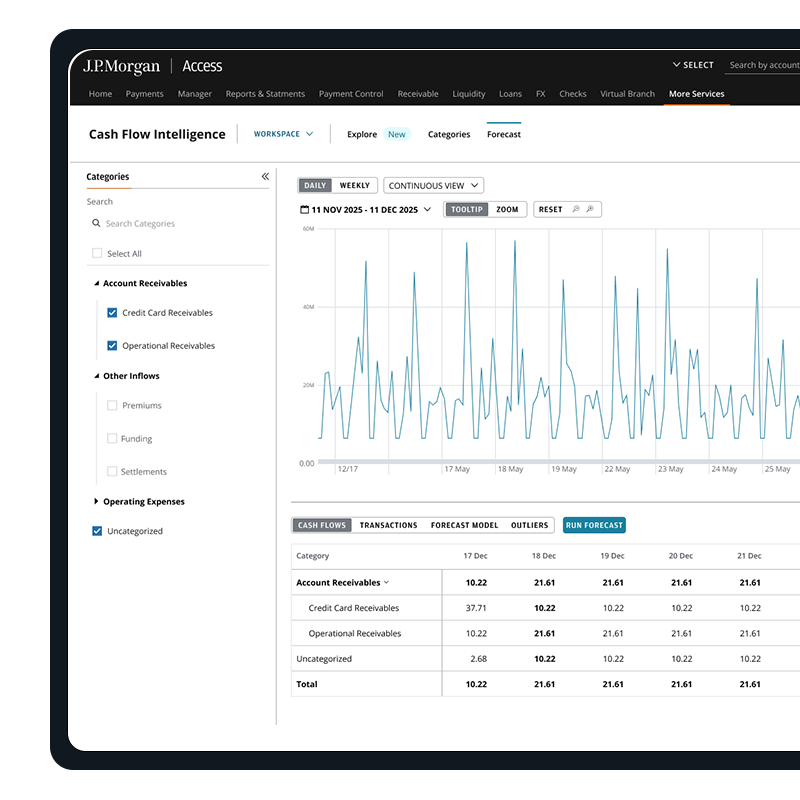
This fragmentation creates a visibility problem. CFOs can see cash balances in traditional banking ledgers, but they often lack real-time visibility into tokenized asset performance or onchain liquidity pools. Without a unified view, identifying patterns and predicting cash flow trends becomes speculative rather than analytical. As noted by Kyriba, effective treasury analytics requires identifying outliers across all data sources to make accurate predictions, a task that is nearly impossible when half the data lives off-chain.
The constraint is not just technical; it is structural. Onchain credit instruments offer programmable yield, but traditional treasury analytics tools were not built to track these dynamic variables. This disconnect forces treasurers to manually reconcile onchain transactions with offchain balance sheets, introducing latency and error. Until transparent treasury analytics platforms can bridge this gap, institutions will struggle to fully leverage the efficiency of real-world asset (RWA) yield strategies.
Transparent treasury analytics market choices that change the plan
Choosing a treasury analytics platform requires balancing data depth against implementation speed. Onchain credit infrastructure introduces new variables, particularly around real-time settlement data and smart contract verification. You must evaluate how each tool handles the gap between traditional offchain reporting and onchain truth.
The following comparison highlights the core tradeoffs between legacy enterprise systems and emerging onchain-native solutions. This framework helps you identify which metrics matter most for your specific RWA yield strategy.
| Evaluation Metric | Legacy Enterprise Systems | Onchain-Native Platforms |
|---|---|---|
| Data Latency | T+1 or batch-processed daily feeds | Real-time block verification and streaming data |
| Audit Trail | Centralized database logs with limited external access | Immutable public ledger records verifiable by third parties |
| Integration Complexity | High cost for custom API development and middleware | Standardized smart contract interfaces reduce setup time |
| Yield Attribution | Aggregated portfolio-level reporting with estimated allocations | Token-level granularity showing exact source of yield |
| Cost Structure | High upfront licensing and annual maintenance fees | Variable gas costs and lower initial software overhead |
When evaluating these options, consider the volatility of the underlying assets. Onchain platforms offer transparency but may expose you to smart contract risks that traditional systems do not. Legacy systems provide stability but often hide the true source of yield through opaque intermediaries.
The decision ultimately rests on your risk tolerance. If you prioritize regulatory compliance and established banking relationships, legacy systems remain the safer bet. If you seek maximum yield efficiency and real-time visibility, onchain analytics offer superior data fidelity despite higher technical complexity.
How to choose the next step for onchain credit infrastructure
Treasury analytics for real-world assets (RWA) have moved from theoretical backtesting to live onchain execution. The gap between traditional finance (TradFi) reporting and crypto-native transparency is closing, but only if you know where to look. Standard treasury dashboards often hide liquidity fragmentation or smart contract risk behind aggregated yield numbers.
To select the right infrastructure, you need a decision framework that prioritizes data verifiability over marketing claims. This section walks you through the specific checks required to validate an onchain credit strategy, ensuring you can distinguish between genuine transparency and opaque yield farming.
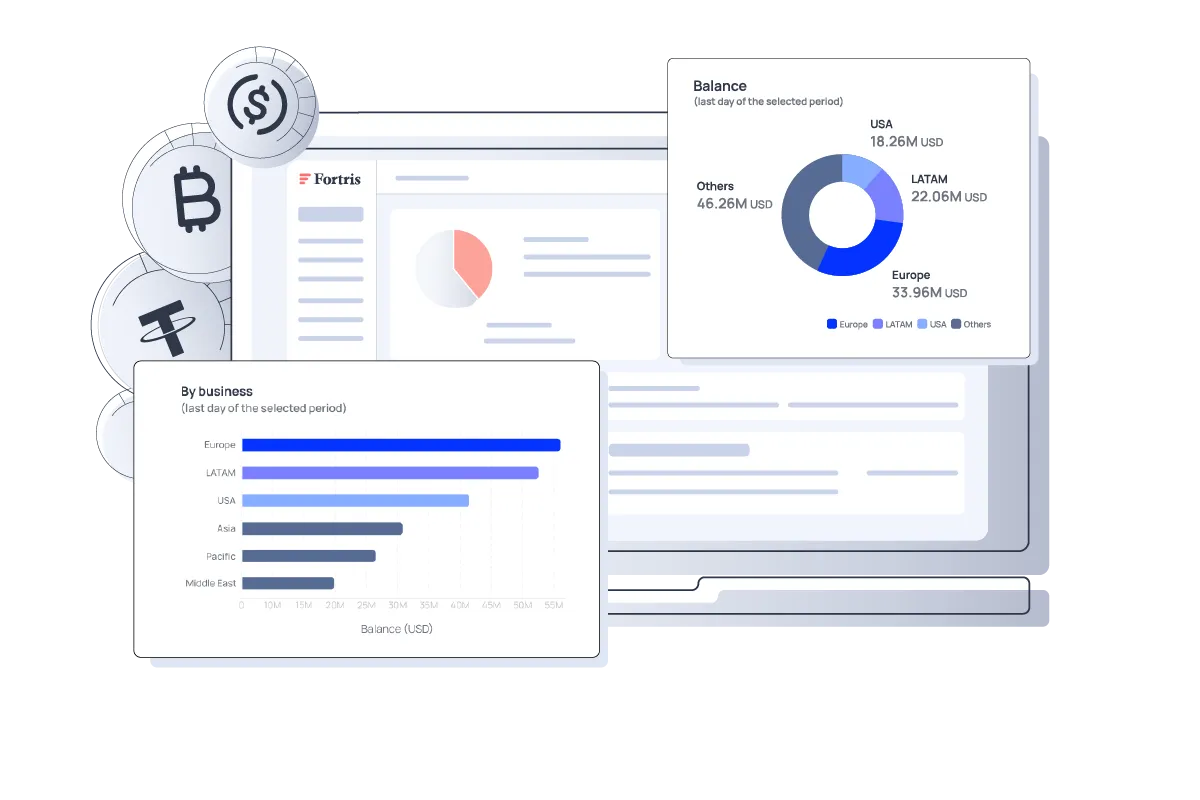
Start by confirming that the yield data is pulled directly from onchain sources, not aggregated from third-party APIs. Traditional treasury analytics tools often rely on delayed or estimated data. Look for protocols that publish raw transaction hashes or smart contract interactions. If the yield calculation cannot be traced to a specific onchain event, the data is likely synthetic. Direct onchain verification eliminates the risk of black-box reporting.
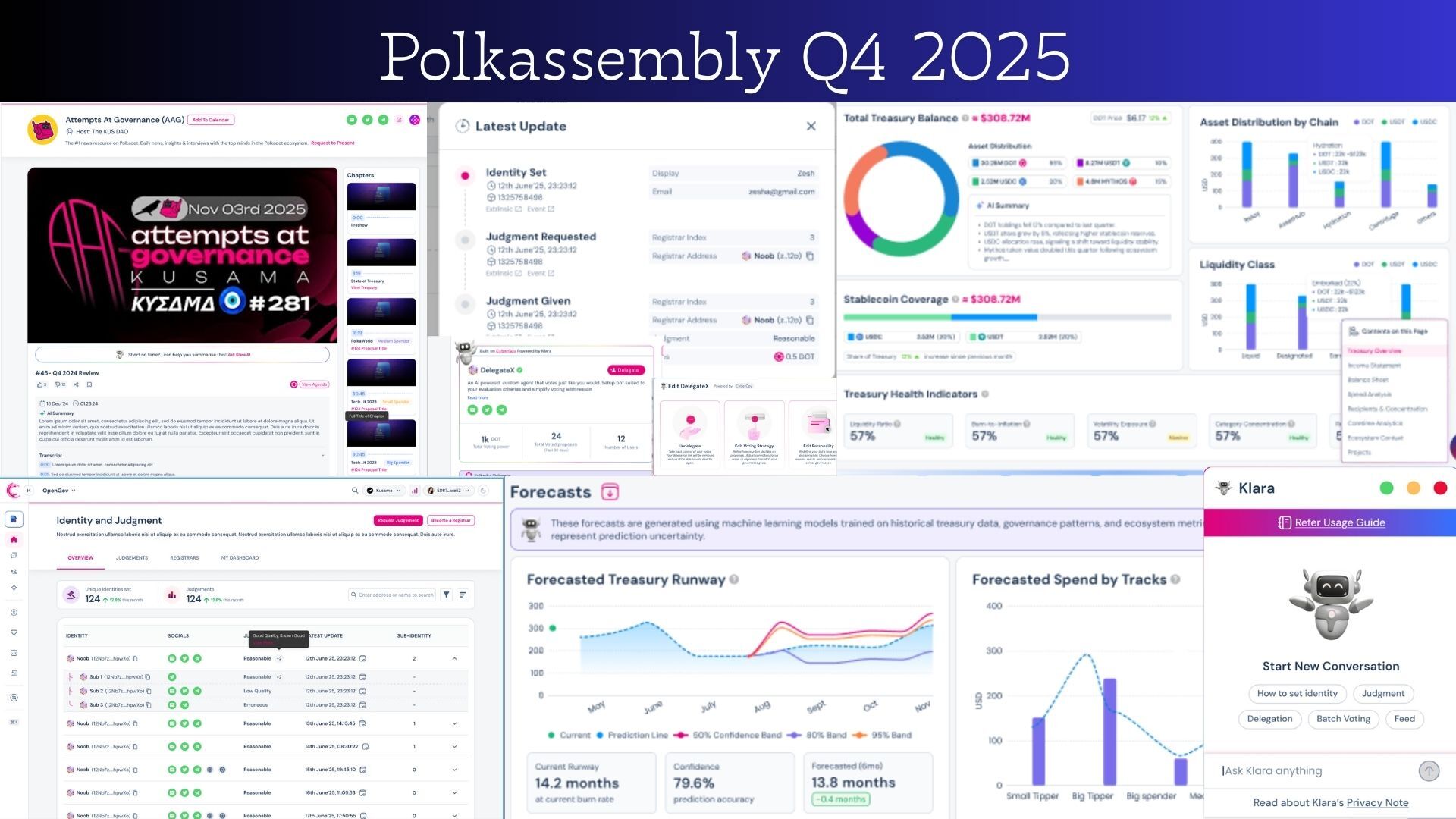
Onchain credit infrastructure relies on overcollateralization and liquidation thresholds, not traditional credit scores. Review the protocol’s collateral factors and liquidation penalties. A robust model should clearly define the debt-to-value ratio and the sequence of liquidations during a market crash. Avoid strategies that rely on unverified offchain oracle data for asset pricing. Transparent models publish their risk parameters in onchain governance proposals or technical documentation.
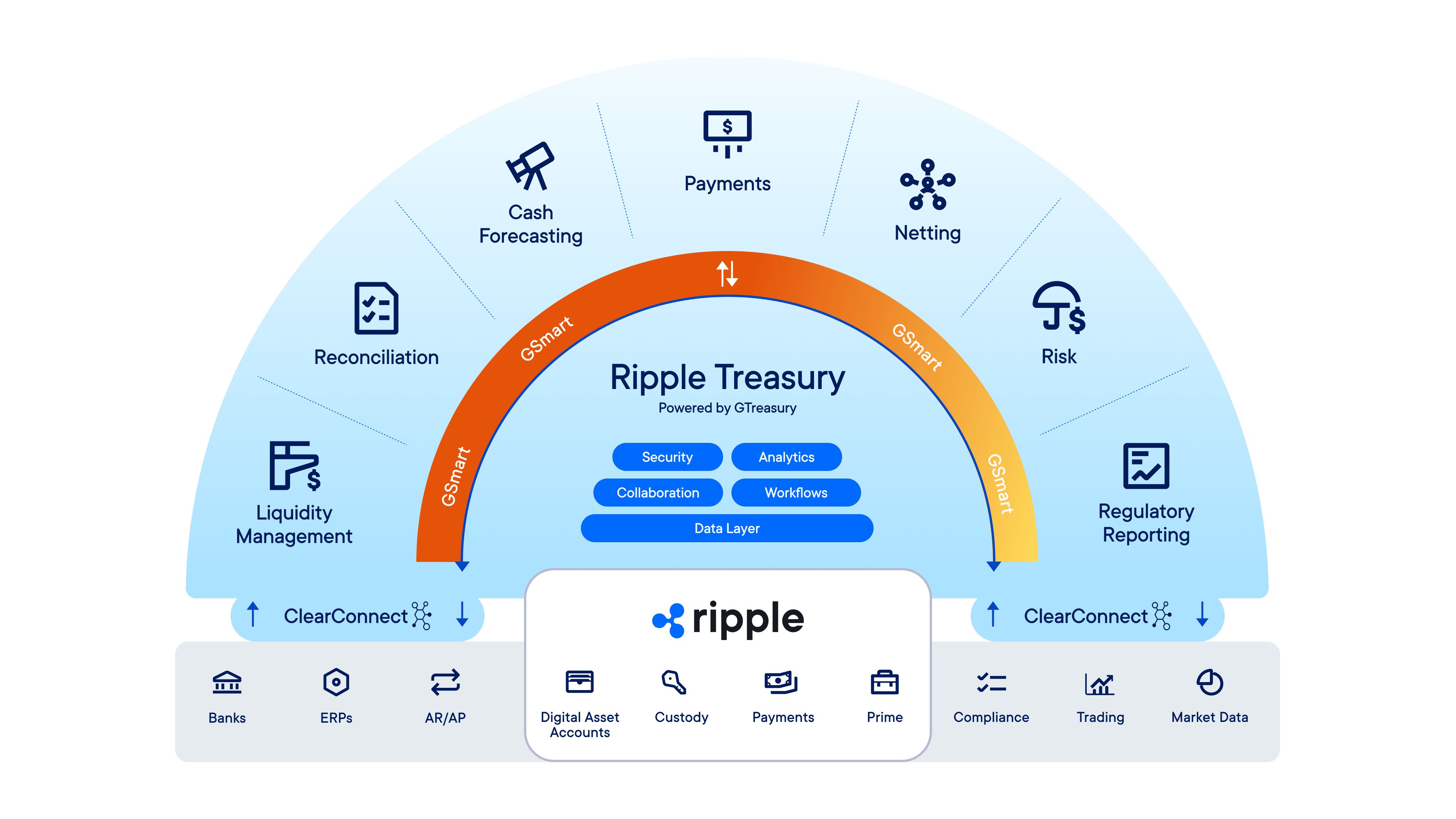
Yield is often highest where liquidity is thinnest. Analyze the depth of order books or liquidity pools supporting the RWA strategy. Fragmented liquidity across multiple chains or protocols increases slippage risk and execution costs. Use onchain explorers to check the total value locked (TVL) in the specific vaults or pools. A concentrated liquidity position is easier to audit but may suffer from higher impermanent loss. Diversified liquidity reduces single-point failure risks but complicates yield tracking.
No amount of transparent reporting matters if the underlying code is vulnerable. Check for recent, reputable audits from firms like OpenZeppelin, Trail of Bits, or CertiK. Look for post-audit bug bounties and active maintenance. A static audit report is insufficient; you need evidence of ongoing security monitoring. If the protocol has not disclosed its audit findings or has ignored critical vulnerabilities, the risk of a smart contract exploit is unacceptably high.
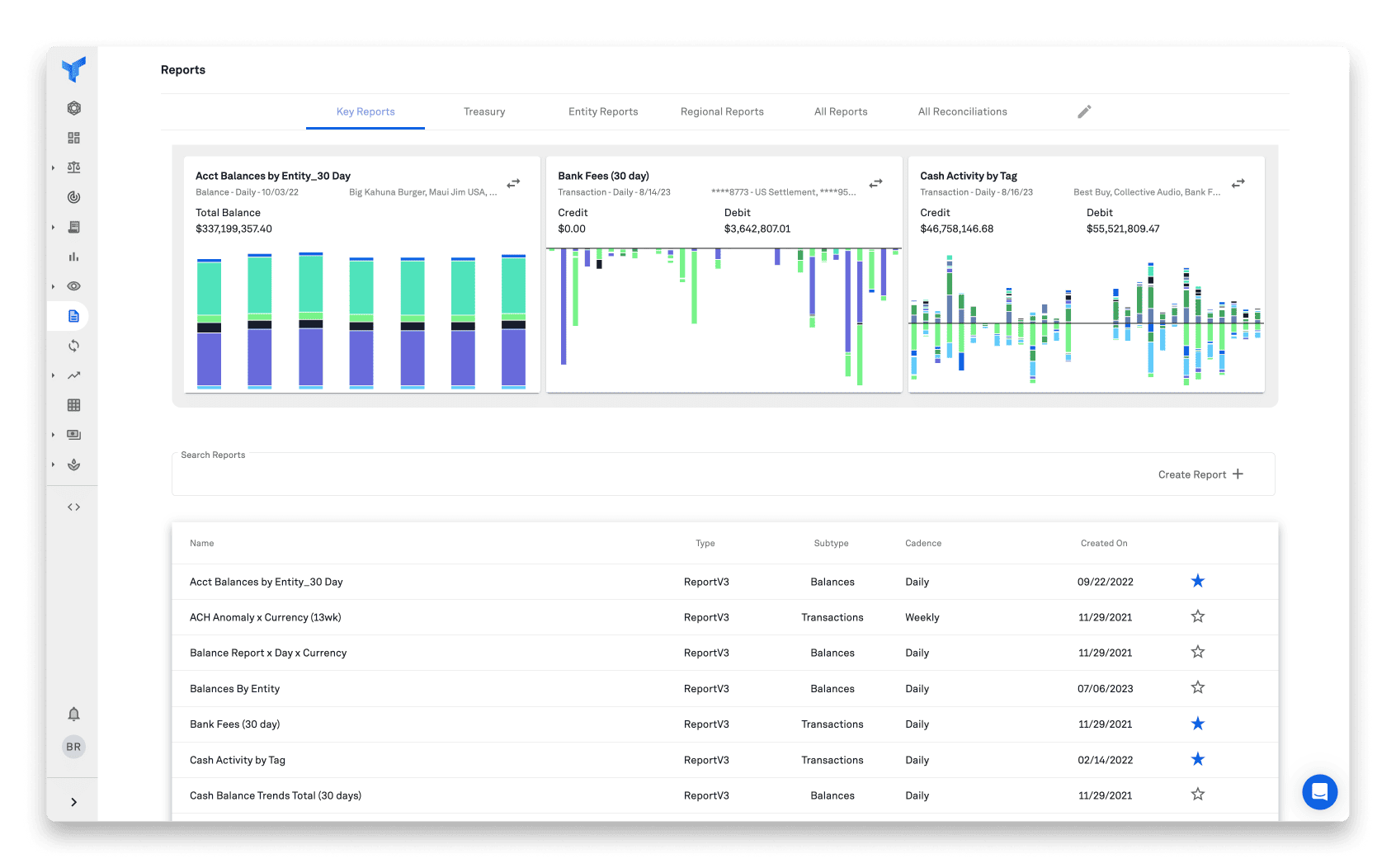
RWA strategies are increasingly subject to regulatory scrutiny. Ensure the protocol complies with relevant securities laws and KYC/AML requirements. Check if the protocol has disclosed its legal structure and jurisdiction. Non-compliant protocols face the risk of forced shutdowns or asset freezes. Transparent infrastructure providers often publish their compliance reports and legal opinions. This adds a layer of institutional-grade reliability to the strategy.
| Metric | TradFi Standard | Onchain RWA |
|---|---|---|
| Data Source | Internal ledgers, delayed | Smart contracts, real-time |
| Audit Frequency | Quarterly/Annual | Continuous onchain verification |
| Liquidity Visibility | Opaque, fragmented | Transparent, pooled |
| Regulatory Status | Established, complex | Evolving, jurisdiction-dependent |
The shift toward transparent treasury analytics is not just about better data; it is about better risk management. By following these steps, you can build a decision framework that withstands market volatility and regulatory changes. The goal is not to eliminate risk, but to make it visible and manageable.
Avoid the weak options
Use this section to make the Transparent Treasury Analytics decision easier to compare in real life, not just on paper. Start with the reader's actual constraint, then separate must-have requirements from details that are merely nice to have. A practical choice should survive normal use, maintenance, timing, and budget. If a recommendation only works in an ideal situation, call that out plainly and give the reader a fallback path.
The simplest way to use this section is to write down the must-have criteria first, then compare each option against those criteria before weighing nice-to-have features.
No comments yet. Be the first to share your thoughts!