Defining transparent treasury analytics
In the world of tokenized real-world assets, transparent treasury analytics is not just a buzzword; it is the fundamental mechanism that replaces trust with verification. Traditional treasury management often relies on periodic audits, internal reports, and opaque banking interfaces. You might know what a company holds, but you rarely see the ledger in real-time. Tokenization changes this dynamic by anchoring asset ownership and cash flows to a public blockchain, making every transaction and balance publicly verifiable.
This shift moves treasury analytics from a backward-looking administrative function to a forward-looking, real-time monitoring tool. When a treasury is transparent, investors and regulators can verify liquidity positions, debt covenants, and asset backing instantly. For high-stakes financial instruments, this immediacy reduces the risk of hidden insolvency or mismanagement. The analytics layer doesn't just report numbers; it provides the cryptographic proof that those numbers are accurate and current.
By leveraging this transparency, tokenized RWAs bridge the gap between traditional finance's rigor and blockchain's accessibility. It allows for a level of scrutiny that was previously impossible in private markets, ensuring that the assets backing the tokens are exactly as represented.
Tracking tokenized real-world assets
Treasury analytics tools act as the bridge between traditional finance and blockchain, allowing finance teams to monitor tokenized real-world assets in real time. Unlike opaque ledgers, these platforms provide a continuous stream of data that tracks performance, compliance, and risk exposure across both onchain and offchain environments.
The core challenge lies in reconciling the speed of blockchain transactions with the slower, periodic nature of traditional financial reporting. Analytics engines solve this by ingesting data from custodial wallets, smart contracts, and offchain oracle feeds. This integration allows CFOs to see exactly how much cash or bond exposure is tied up in tokenized structures at any given moment.
For high-stakes treasury management, visibility is non-negotiable. Teams need to verify that the tokens representing assets like U.S. treasuries are fully backed and compliant with regulatory standards. Without this granular tracking, the risk of settlement failure or regulatory breach increases significantly.
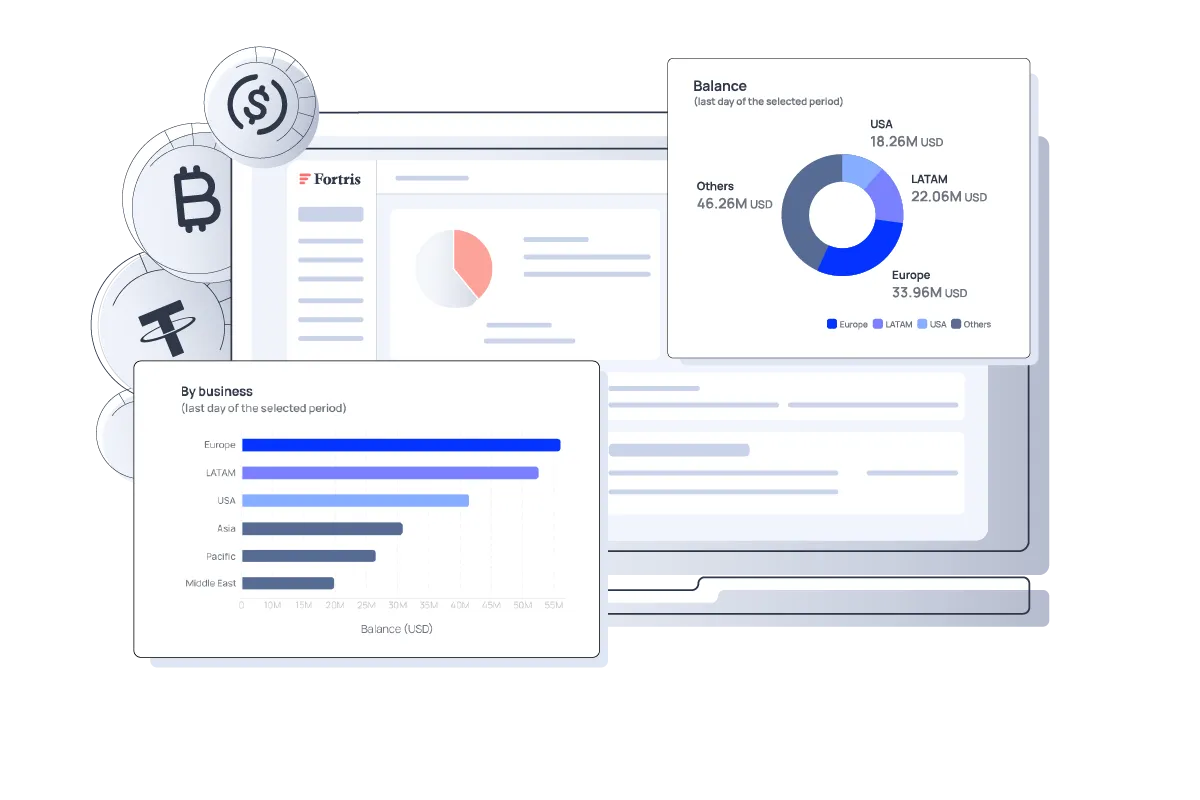
To understand the difference between legacy reporting and modern onchain tracking, compare the key metrics below.
| Metric | Traditional Treasury | Onchain RWA Tracking |
|---|---|---|
| Settlement Time | T+1 or T+2 | Near-instant |
| Audit Trail | Periodic, batched | Continuous, immutable |
| Liquidity Access | Limited to banking hours | 24/7 global markets |
| Compliance Checks | Manual or rule-based | Smart contract enforced |
| Data Granularity | Aggregate balances | Token-level detail |
Monitoring onchain credit infrastructure
Transparent Treasury Analytics for Tokenized RWA works best as a clear sequence: define the constraint, compare the realistic options, test the tradeoff, and choose the path with the fewest hidden costs. That order keeps the advice usable instead of decorative.
After each step, pause long enough to check whether the recommendation still fits the reader's actual situation. If it depends on perfect timing, unusual access, or a best-case budget, include a simpler fallback.
The simplest way to use this section is to write down the real constraint first, compare each option against it, and choose the path that still works outside ideal conditions.
Choosing the right analytics tools
Selecting a treasury analytics platform for tokenized real-world assets requires more than just comparing feature lists. You need a system that ingests official data sources directly, ensuring the numbers on your screen match the ledger. When dealing with high-stakes tokenized RWA, a discrepancy between your dashboard and the underlying asset registry isn't just an error; it is a compliance risk.
Start by verifying data lineage. The best platforms, like those from CME Group or Kyriba, integrate directly with primary market data feeds. This direct integration removes the middleman, reducing the chance of stale or manipulated data entering your treasury view. Look for tools that explicitly state their data provenance. If a vendor cannot point you to the exact API or official dataset they pull from, walk away.
Evaluation checklist
Use this checklist to vet potential treasury analytics platforms before committing to a contract.
-
Official Data Integration: Does the platform connect directly to primary sources (e.g., CME, government treasuries) rather than third-party aggregators?
-
Real-Time Sync: Can the system handle real-time updates for tokenized asset pricing and settlement?
-
Audit Trail: Does every data point include a timestamp and source ID for regulatory review?
-
Compliance Reporting: Are built-in reports aligned with current RWA regulatory frameworks?
-
Vendor Transparency: Does the vendor publish their data methodology and security certifications?
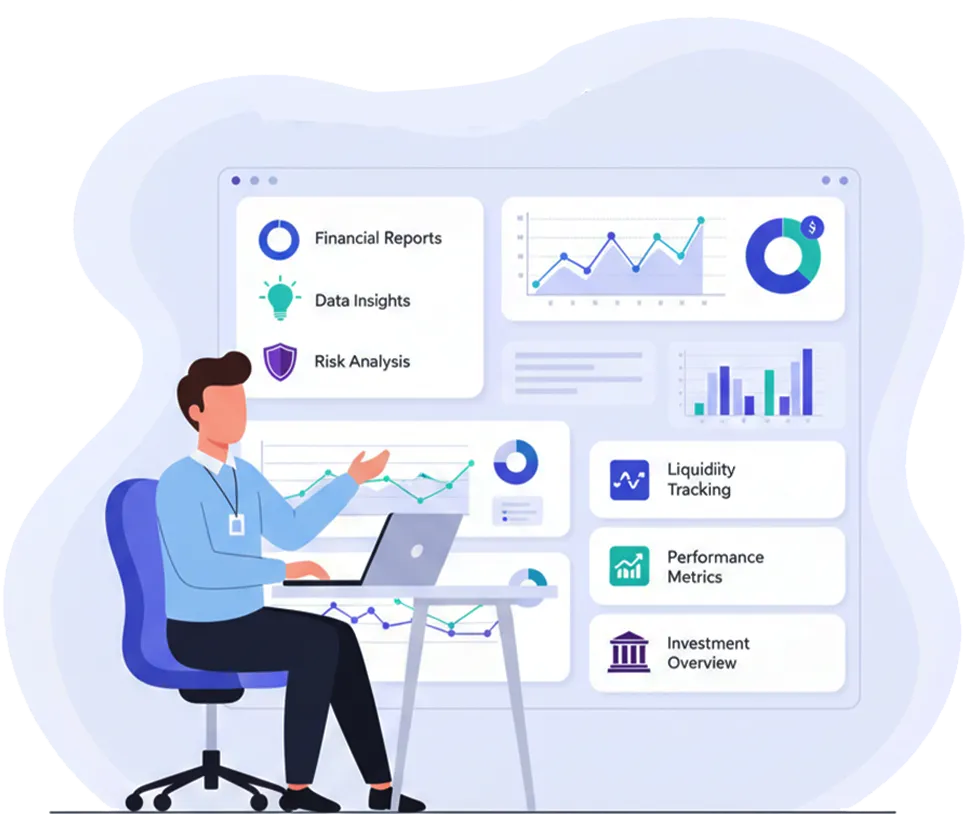
Key metrics for treasury transparency
Treasury analytics for tokenized real-world assets requires tracking specific data points to ensure the digital token accurately reflects the underlying financial position. Without these metrics, transparency is merely a claim rather than a verifiable fact.
Liquidity ratios remain the primary indicator of a token’s ability to meet redemption requests. For tokenized treasuries holding U.S. government debt, this means monitoring the ratio of cash-equivalent assets to outstanding token supply. If the ratio drops below 1:1, the treasury is over-leveraged relative to its tokenized liabilities, creating immediate solvency risk.
Yield spreads provide the second critical layer of insight. By comparing the yield of the tokenized asset against the benchmark Treasury yield for equivalent maturities, investors can assess whether the token is trading at a fair premium or discount. A widening spread often signals market distrust in the issuer’s reserve management or operational efficiency.
The CME Group’s treasury analytics tools highlight the importance of implied yields in assessing deliverable baskets. In the RWA context, this translates to ensuring the token’s yield calculation matches the actual weighted average yield of the underlying bond portfolio. Any discrepancy between the two indicates a failure in the oracle or reporting mechanism, which is a red flag for institutional investors.
No comments yet. Be the first to share your thoughts!