
Defining transparent treasury analytics
Transparent treasury analytics is the practice of using onchain data to provide a real-time, verifiable view of an organization’s assets and liabilities. Unlike traditional treasury management, which often relies on periodic bank statements and internal ledgers, this approach treats the blockchain as the source of truth. It shifts the focus from retrospective reporting to immediate visibility, allowing stakeholders to see exactly what is held, where it is staked, and how yields are generated without waiting for end-of-month reconciliations.
In the context of tokenized assets and real-world assets (RWAs), this transparency is not just a feature; it is the fundamental value proposition. Traditional corporate treasuries are opaque boxes. CFOs know what they have, but investors, regulators, and counterparties often do not, or they only know it after a lag. Transparent treasury analytics opens that box. It allows any participant to verify solvency and liquidity positions instantly, reducing the trust gap between the entity managing the funds and those relying on its financial health.
This distinction matters because it changes how risk is assessed. When treasury data is public and immutable, the cost of verifying financial health drops to near zero. This enables new forms of liquidity and credit, as lenders can trust the underlying collateral data without needing to conduct lengthy due diligence. For the "transparent treasury analytics guide" audience, understanding this shift is the first step toward leveraging tokenized assets for more efficient capital allocation.
Tracking tokenized real-world assets
Tokenizing real-world assets (RWA) moves treasury management from static spreadsheets to a living, verifiable ledger. When traditional assets like treasury bonds or real estate are represented on-chain, every transfer, interest payment, and ownership change is recorded immutably. This creates the "transparent" layer that defines modern treasury analytics. Instead of waiting for end-of-quarter reports, treasurers can see asset composition in real time.
The shift doesn't just digitize records; it standardizes them. On-chain RWA brings uniform data structures to fragmented markets. This allows analytics tools to aggregate data across different asset classes without manual reconciliation. The result is a clear view of exposure, liquidity, and risk that was previously hidden in siloed legacy systems.
To understand the scale of this shift, consider how traditional treasury analytics tools already handle complex calculations for deliverable baskets and implied yields. Platforms like CME Group provide detailed analytics for treasury products, showing the securities that make up specific baskets [src-serp-1]. Tokenization extends this level of granularity to a broader range of assets, making the underlying mechanics visible to anyone with access to the blockchain.
The contrast between legacy reporting and on-chain transparency is stark. Traditional methods often rely on periodic audits and manual data entry, which can lag behind market movements. On-chain RWA provides continuous verification. This section compares the two approaches to highlight why transparency matters for treasury health.
| Feature | Legacy Treasury | On-Chain RWA |
|---|---|---|
| Data Latency | End-of-day or weekly | Real-time |
| Audit Trail | Manual, paper-based | Immutable, public ledger |
| Asset Visibility | Siloed, opaque | Aggregated, transparent |
| Reconciliation | High friction, error-prone | Automated via smart contracts |
Analyzing onchain credit metrics
When you move treasury management onchain, you trade the opaque balance sheets of traditional finance for a ledger that anyone can verify. This shift doesn’t automatically make creditworthiness obvious; it just makes the data visible. To assess risk in decentralized finance, you need to look beyond surface-level liquidity and dig into the specific metrics that signal solvency and repayment capacity.
The first metric to track is the debt-to-asset ratio, but with a twist. In traditional finance, this is often calculated using historical cost. Onchain, you must use real-time market values. A protocol might show a low debt ratio if it holds assets that have recently crashed in value. This is why data availability matters. As the New York Fed notes in their research on transparency, the official sector relies on timely data to understand market activity across the board [src-serp-7]. Without real-time valuation updates, your credit assessment is based on yesterday’s news, which is a liability in a 24/7 market.
Next, look at the quality of collateral. Not all onchain assets are created equal. Some tokens are highly volatile, while others are pegged to stable assets. A robust treasury analytics guide will separate these assets to calculate a weighted risk score. If a protocol’s collateral is heavily weighted towards a single volatile token, its credit risk is high, regardless of its total asset size. This is where the concept of "transparent treasury analytics" becomes critical: you aren’t just looking at how much is there, but what it actually is.
Finally, consider the velocity of funds. High turnover can indicate active management and liquidity, but it can also signal instability if funds are being moved to cover shortfalls. By combining these metrics—real-time debt-to-asset ratios, collateral quality weights, and fund velocity—you create a dynamic picture of credit health. This approach mirrors the goals of traditional treasury transparency, where the aim is to foster a greater understanding of market activity [src-serp-8]. In DeFi, that understanding is your primary defense against risk.
The technical stack behind transparent treasury analytics
Building a transparent treasury analytics guide requires more than just public dashboards; it demands a robust infrastructure that connects on-chain data with real-world assets. This technical backbone ensures that every transaction is verifiable, immutable, and auditable in real time. Without this foundation, "transparency" is just a marketing term rather than a functional reality.
The first layer is the oracle network. Oracles act as the bridge between off-chain data sources—like bank statements or property records—and the blockchain. They feed external information into smart contracts, allowing the system to react to real-world events. For RWA, this means verifying that a bond exists or that a property title has transferred. If the oracle data is flawed or manipulated, the entire ledger becomes unreliable.
Next is the immutable ledger itself. This is where the actual record of ownership and transaction history lives. Unlike traditional databases, a blockchain ledger cannot be altered retroactively. Every entry is time-stamped and cryptographically signed by the participants. This creates a single source of truth that all stakeholders can trust. It eliminates the need for reconciliation between different parties' internal records, reducing friction and cost.
Settlement is the final piece of the puzzle. This is where the actual transfer of value occurs, often instantly and atomically. Smart contracts automate the settlement process, ensuring that funds and assets are exchanged only when all conditions are met. This reduces counterparty risk and speeds up the entire process. For treasury analytics, this means that the data you see is the data that has actually settled, not just a promise of settlement.
Together, these components form the infrastructure for crypto finance markets. They enable a level of transparency and efficiency that traditional systems struggle to match. By leveraging these technologies, organizations can build treasuries that are not only secure but also fully visible and auditable.
Best practices for transparent treasury analytics
Building a transparent treasury analytics system requires treating data as a continuous audit trail rather than a static snapshot. For CFOs managing onchain credit and real-world assets, the goal is to eliminate blind spots across bank statements, cash flow projections, and onchain ledgers. As Kyriba notes, effective treasury analytics involves collecting and processing data from multiple sources to provide a unified view of liquidity and risk [src-serp-2].
To achieve this, treasury managers should adopt a structured approach to validation and integration. The following steps outline the core practices for establishing a robust, transparent analytics infrastructure.
Before any analysis, confirm that data feeds from banks, custodians, and onchain oracles are authenticated and immutable. Transparent treasury analytics depends on the provenance of every transaction record. Implement automated reconciliation checks to flag discrepancies between offchain bank statements and onchain ledger entries in real time.
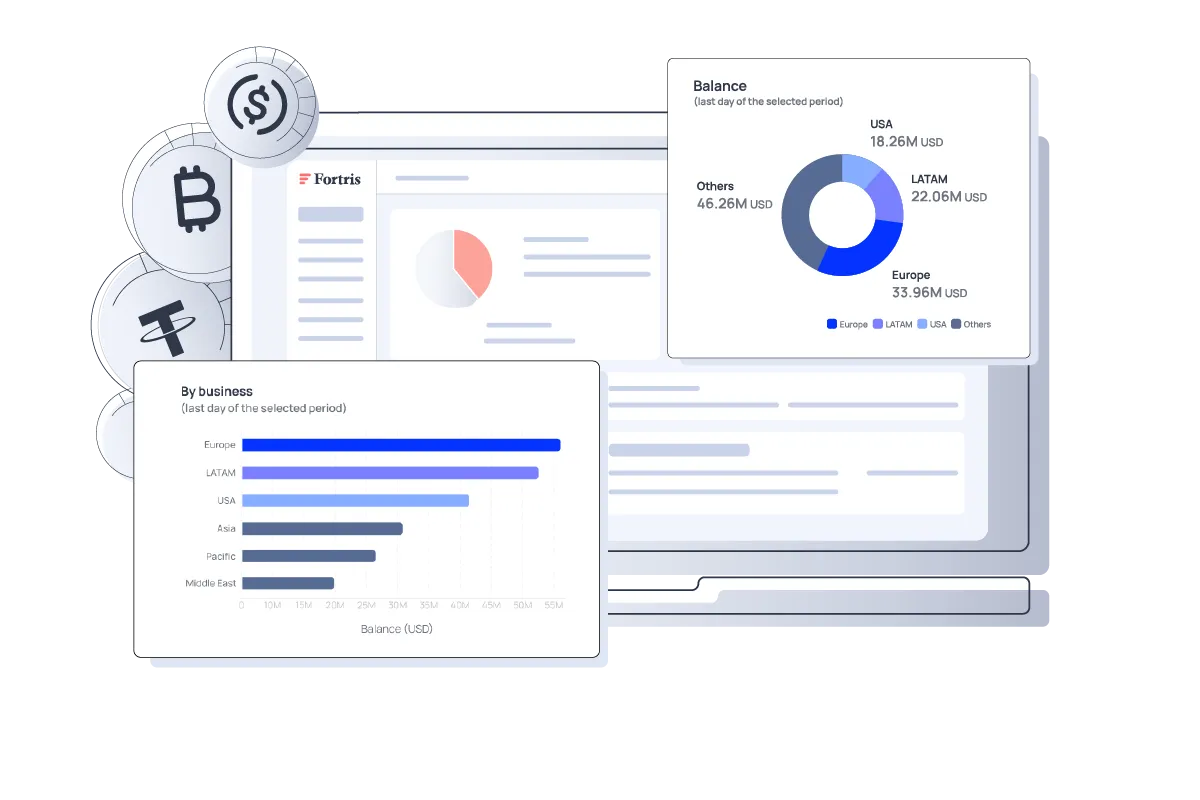
Align your internal KPIs with industry-wide standards for RWA valuation and onchain credit exposure. Consistent metrics allow for accurate benchmarking and clearer communication with auditors and investors. Ensure that your analytics dashboard translates complex onchain data into standardized financial language that CFOs and board members can interpret immediately.
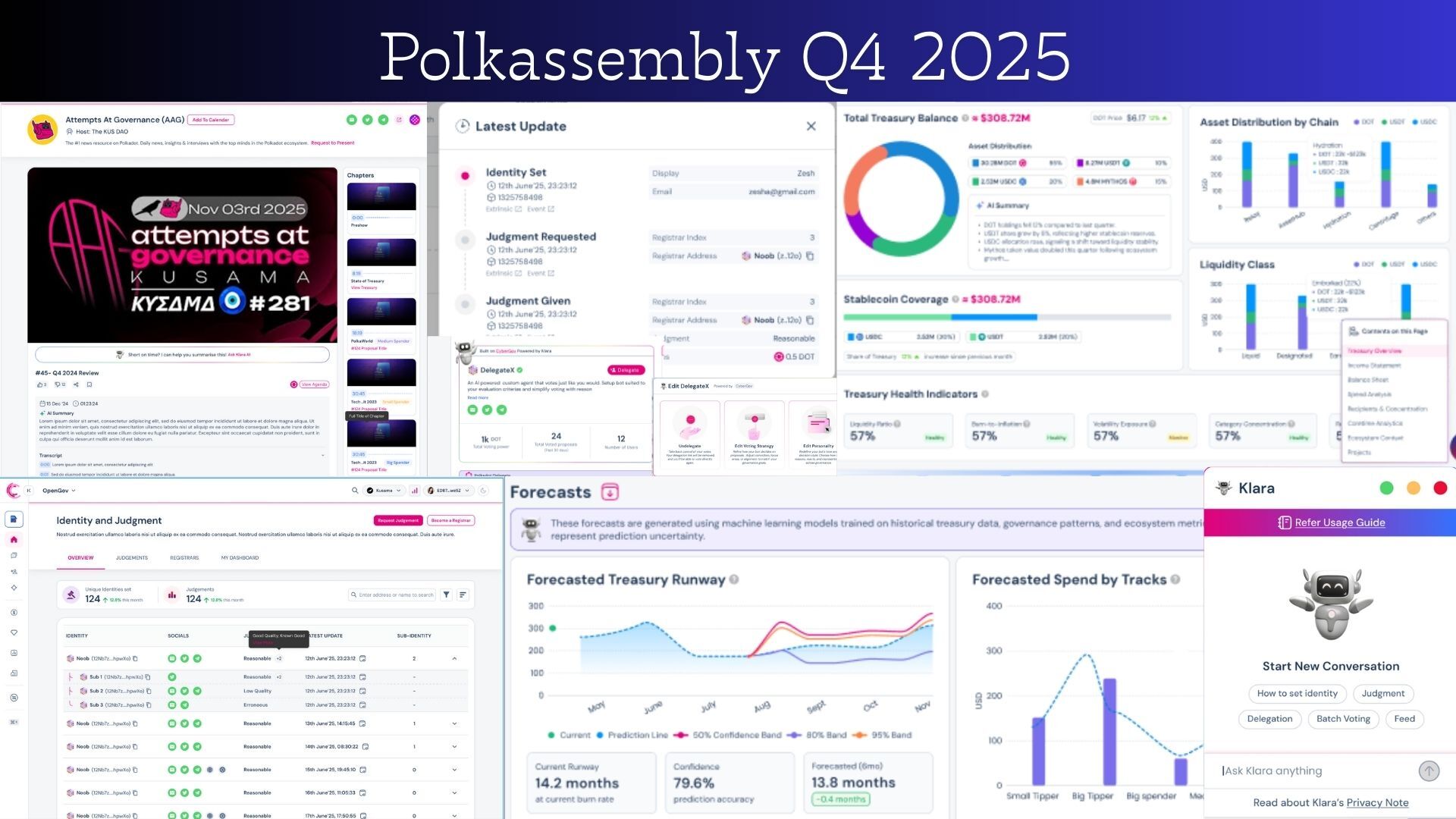
Transparency does not mean unrestricted visibility. Configure granular access permissions to ensure that sensitive treasury data is only available to authorized personnel. This practice protects against internal fraud and ensures that compliance officers can monitor data integrity without exposing proprietary trading strategies or liquidity positions to unauthorized staff.
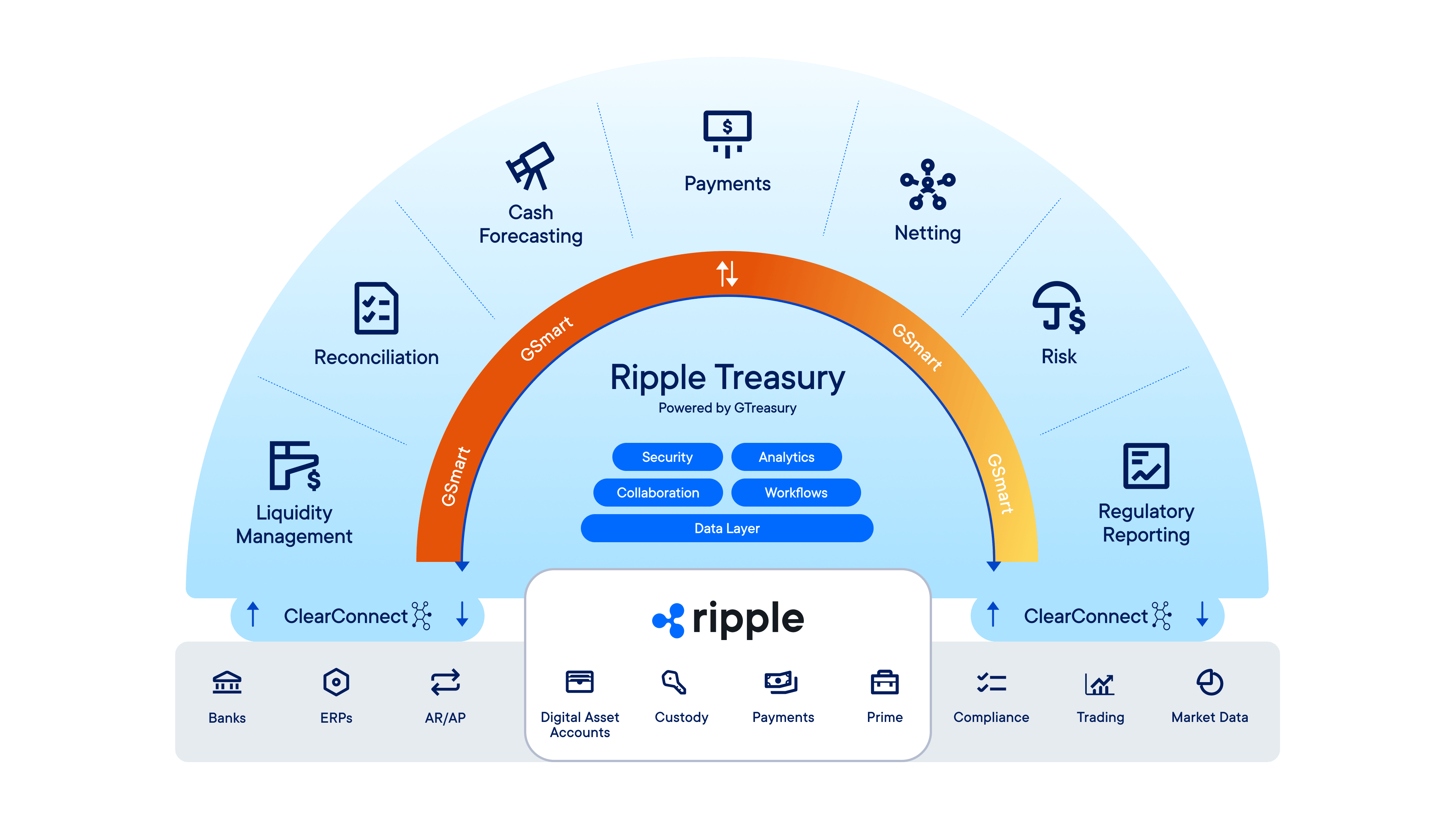
Leverage your analytics platform to automatically generate regulatory reports based on the validated data streams. Manual reporting introduces latency and error risks, particularly when dealing with cross-border RWA transactions. Automated workflows ensure that your treasury remains compliant with evolving financial regulations while maintaining the auditability required for institutional-grade transparency.
By following these practices, treasury systems move beyond simple tracking to become strategic assets. The result is a finance function that can respond to market shifts with confidence, backed by data that is both accurate and auditable.
Common questions on treasury analytics
Understanding onchain credit and real-world asset mechanics requires clarity on how traditional fixed-income data translates to decentralized systems. Below are answers to frequent questions about treasury analytics, conversion factors, and best practices for managing these complex portfolios.
What is treasury analytics?
Treasury analytics refers to the tools and methodologies used to measure the performance, risk, and liquidity of a treasury portfolio. In the context of CME Group’s analytics, this includes identifying the deliverable basket for futures contracts, calculating implied yields, and assessing the cost of carry. For RWA and onchain credit, these metrics help verify that the tokenized asset accurately reflects the underlying bond’s cash flows and yield profile.
What are CTD bonds?
CTD stands for "Cheapest to Deliver." In futures markets, the CTD bond is the specific security within the deliverable basket that is most economical for the short position to deliver. Identifying the CTD is critical for pricing accuracy because futures prices are heavily influenced by the CTD’s yield and conversion factor. In transparent treasury analytics, tracking CTD shifts helps traders understand when market dynamics are changing.
How do I calculate the CME futures conversion factor?
The conversion factor adjusts the price of a deliverable bond to standardize it against the futures contract’s hypothetical 6% coupon. It is calculated based on the bond’s remaining maturity, coupon rate, and settlement date. While the formula is standardized by the CME, manual calculation is prone to error. Most treasury analytics platforms automate this, providing real-time conversion factors to ensure accurate invoice price calculations.
What are the best practices for treasury systems?
Effective treasury systems prioritize data integrity and real-time visibility. Best practices include:
- Automated Reconciliation: Ensure onchain token balances match offchain custodial records daily.
- Real-Time Yield Tracking: Use analytics tools that update implied yields as market rates shift, rather than relying on static historical data.
- Risk Transparency: Provide clear visibility into the deliverable basket and CTD status to avoid settlement surprises.
These practices reduce operational risk and build trust in RWA structures.
No comments yet. Be the first to share your thoughts!