
Why transparency matters in 2026
The era of quarterly reporting is ending for tokenized assets. In 2026, real-time visibility is no longer a nice-to-have feature; it is the baseline requirement for institutional adoption of Real World Assets (RWA). Regulators and market participants now demand continuous, onchain verification of collateral and credit positions rather than relying on stale, periodic disclosures.
This shift is driven by the need for resilience in high-stakes financial infrastructure. As noted by industry analysts, corporate transparency now directly correlates with operational resilience and risk management capabilities LSEG Insights. Without live data streams, treasuries cannot accurately assess FX exposure or market intelligence, leaving them vulnerable to sudden liquidity crunches.
The move from batch reporting to real-time onchain verification is the critical threshold for institutional RWA adoption.
Historical precedents, such as the 2022 Federal Reserve notices on secondary market transparency, highlight the regulatory trajectory toward greater public scrutiny Federal Register. Today’s infrastructure must support this level of scrutiny natively. If your analytics platform cannot provide instant, auditable visibility into tokenized holdings, it is already obsolete.
Live Market Context
To understand the stakes, consider the volatility of the underlying assets. Real-time analytics are only valuable if they are anchored to current market data. Below is the live performance of a key benchmark asset, illustrating why delayed data is a liability in today’s market.
Tracking onchain credit metrics
Monitoring tokenized credit requires looking past the token price to the underlying ledger behavior. For RWA infrastructure, the health of the instrument is defined by three onchain signals: default rates, utilization of the credit facility, and the liquidity depth of the backing assets.
Measuring default and utilization
Unlike traditional bonds, onchain credit instruments often operate as dynamic lending pools. You can track default rates by monitoring the ratio of non-performing loans within the smart contract’s reserve account. High utilization rates—where the majority of the backing collateral is actively lent out—signal tighter liquidity conditions and higher yield potential, but also increased risk.
Assessing liquidity depth
Liquidity determines how easily these tokens can be exited without slippage. Check the order book depth on decentralized exchanges and the volume of tokenized bond transfers. Thin liquidity can mask underlying stress, making a seemingly stable default rate appear riskier during market volatility.
| Metric | Onchain Signal | High Risk Signal |
|---|---|---|
| Default Rate | Non-performing loan ratio in reserve | Sudden spike in uncollateralized debt |
| Utilization | Active loan volume vs. total capacity | >85% utilization for extended periods |
| Liquidity | DEX volume and bid-ask spread | Widening spreads during low volume |
The chart above visualizes the volatility of a short-term Treasury ETF, which serves as a proxy for the stability of the underlying RWA collateral. If the underlying asset is unstable, the tokenized credit instrument’s value will inevitably follow.
Infrastructure for Tokenized RWA
Building a tokenized Real World Asset (RWA) requires more than just smart contracts; it demands a technical stack that guarantees data integrity from the physical ledger to the blockchain. Without robust infrastructure, the "token" becomes a speculative wrapper rather than a reliable claim on underlying value. The system relies on three pillars: oracle feeds for real-time pricing, rigorous smart contract audits for security, and ledger transparency for trust.
Oracle Feeds and Data Integrity
Oracles act as the bridge between off-chain assets and on-chain logic. For RWAs, standard price feeds are insufficient; the system needs verified data on asset custody, legal ownership, and physical condition. Relying on a single oracle creates a single point of failure. Instead, a decentralized network of verified nodes validates the asset's state before any transaction is executed. This ensures that the token's value reflects the actual, audited worth of the underlying asset, not just market sentiment.
Smart Contract Audits
Smart contracts are immutable once deployed, making pre-deployment audits non-negotiable. Reputable firms conduct deep code reviews to identify vulnerabilities like reentrancy attacks or logic flaws that could drain funds. These audits are not a one-time event but part of an ongoing security posture. Regular re-audits after significant upgrades ensure that new features do not introduce new risks. This rigorous scrutiny is the primary defense against the exploits that have plagued the DeFi sector.
Ledger Transparency
Transparency in RWA infrastructure means every transaction and asset state change is recorded on an immutable ledger. This allows regulators, auditors, and investors to verify ownership and liquidity in real-time. Unlike traditional finance, where ledgers are private and siloed, blockchain-based transparency provides a single source of truth. This visibility reduces counterparty risk and builds the trust necessary for institutional adoption.
Comparing Infrastructure Providers
Not all RWA infrastructure providers offer the same level of security or compliance. When selecting a provider, evaluate their audit history, oracle diversity, and transparency mechanisms.
Implementing a transparency framework
Treasury teams must move beyond static reporting to integrate real-time analytics into daily operations. This shift is no longer optional; the 2026 transparency mandate requires resilience through data-driven decision-making. As noted by LSEG, corporate transparency now directly influences risk management and strategic agility.
Follow these steps to embed analytics into your existing workflows without disrupting core treasury functions.
Identify where critical treasury data resides. Map out disconnected spreadsheets, legacy ERP modules, and manual FX logs. Transparency begins with visibility; you cannot analyze what you cannot access. Consolidate these sources into a single source of truth to eliminate blind spots in your RWA infrastructure.
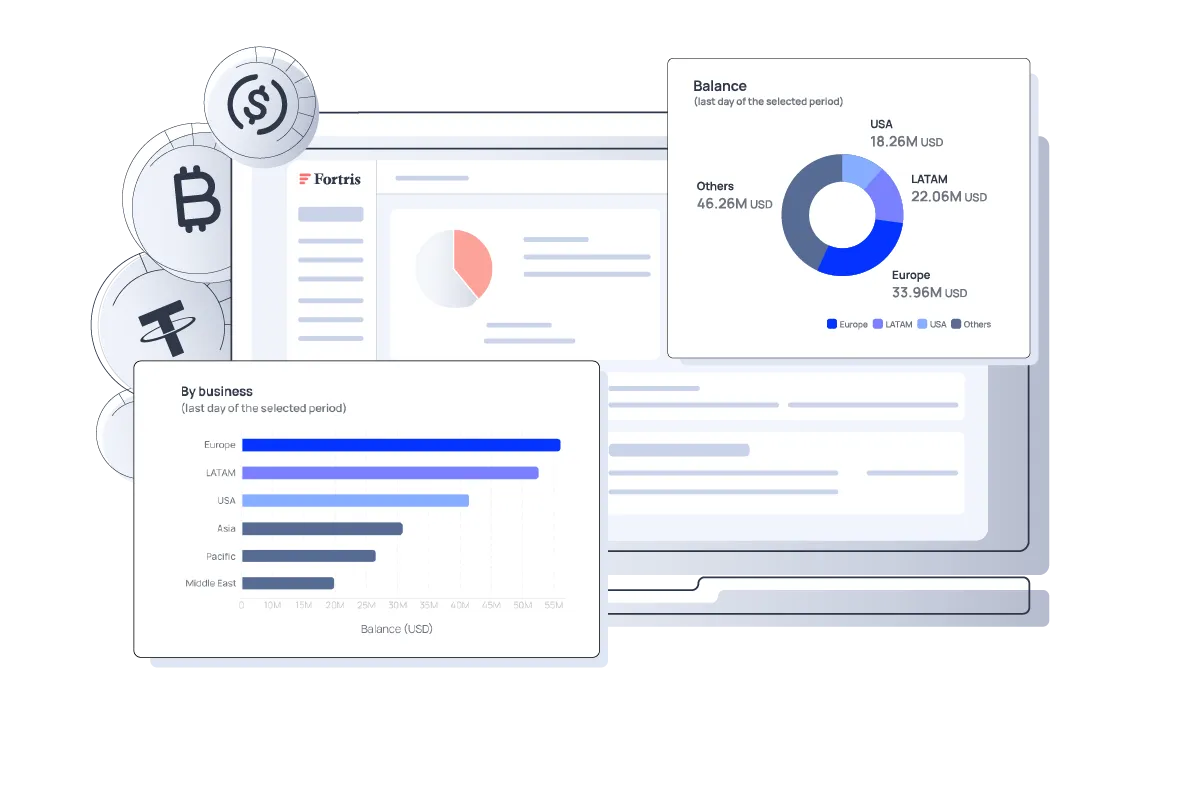
Establish automated pipelines for real-time data entry. Whether pulling from banking APIs or blockchain oracles, ensure data flows into your analytics platform without manual intervention. This reduces human error and ensures that your transparency framework reflects live market conditions rather than yesterday’s snapshot.
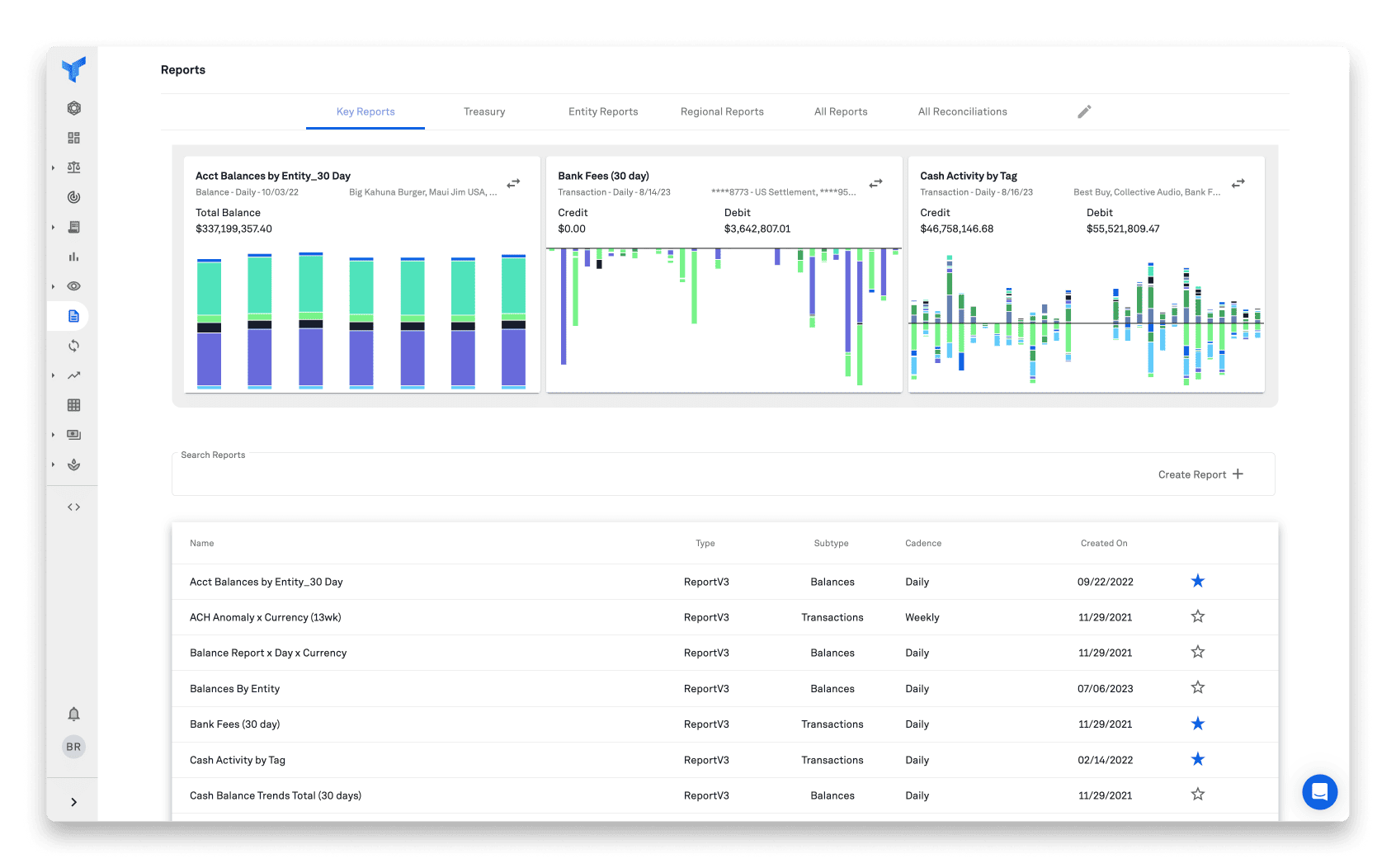
Select specific KPIs that demonstrate asset backing and liquidity. For RWA, this might include on-chain verification rates or reserve audit frequencies. Align these metrics with regulatory expectations and investor requirements. Clear metrics turn raw data into actionable intelligence for stakeholders.
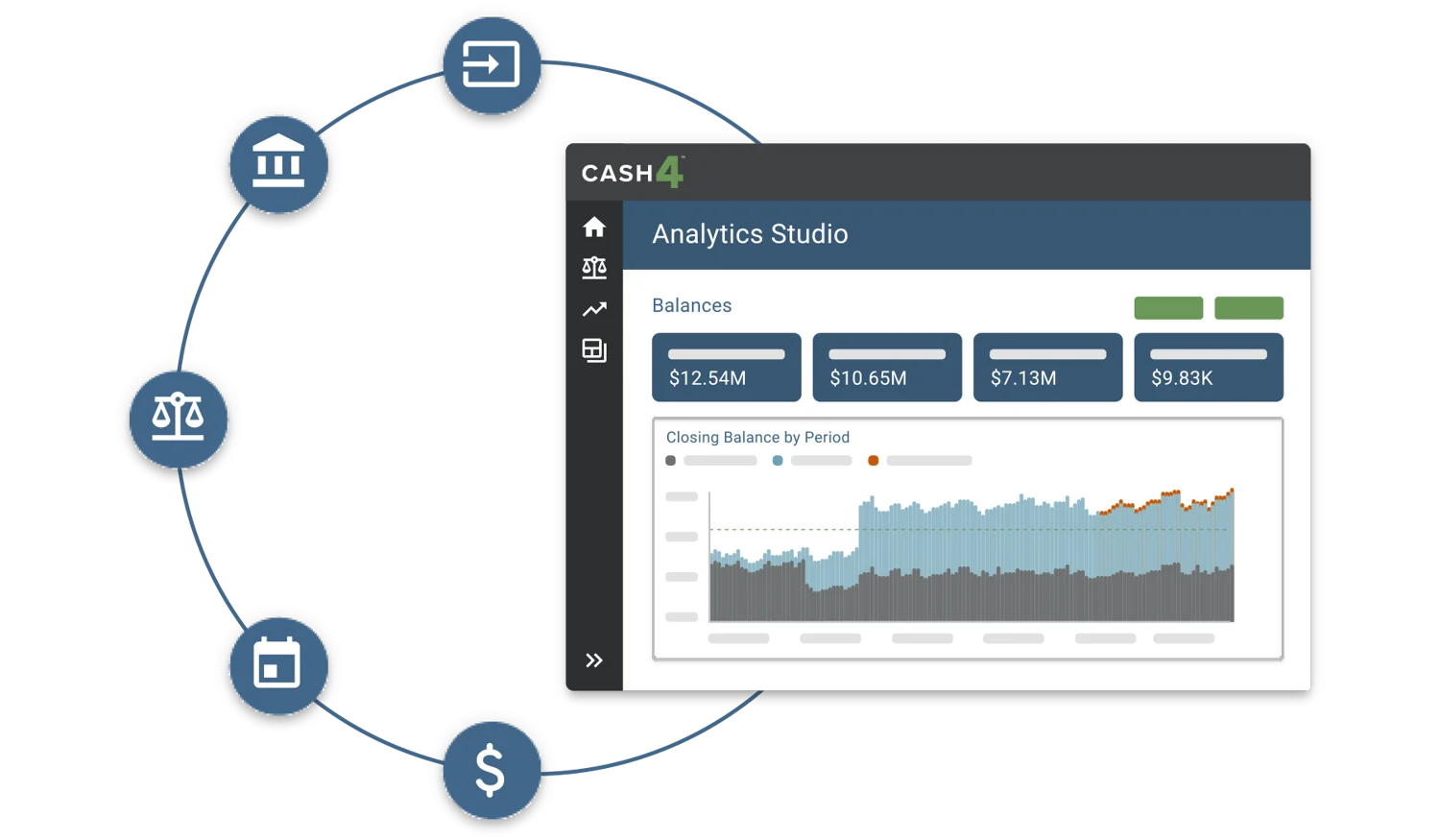
Build dashboards that offer granular visibility into treasury movements. Use tools that allow drill-down capabilities for auditors and internal teams. Visual clarity helps stakeholders quickly assess the health of RWA assets and identify anomalies before they become compliance issues.
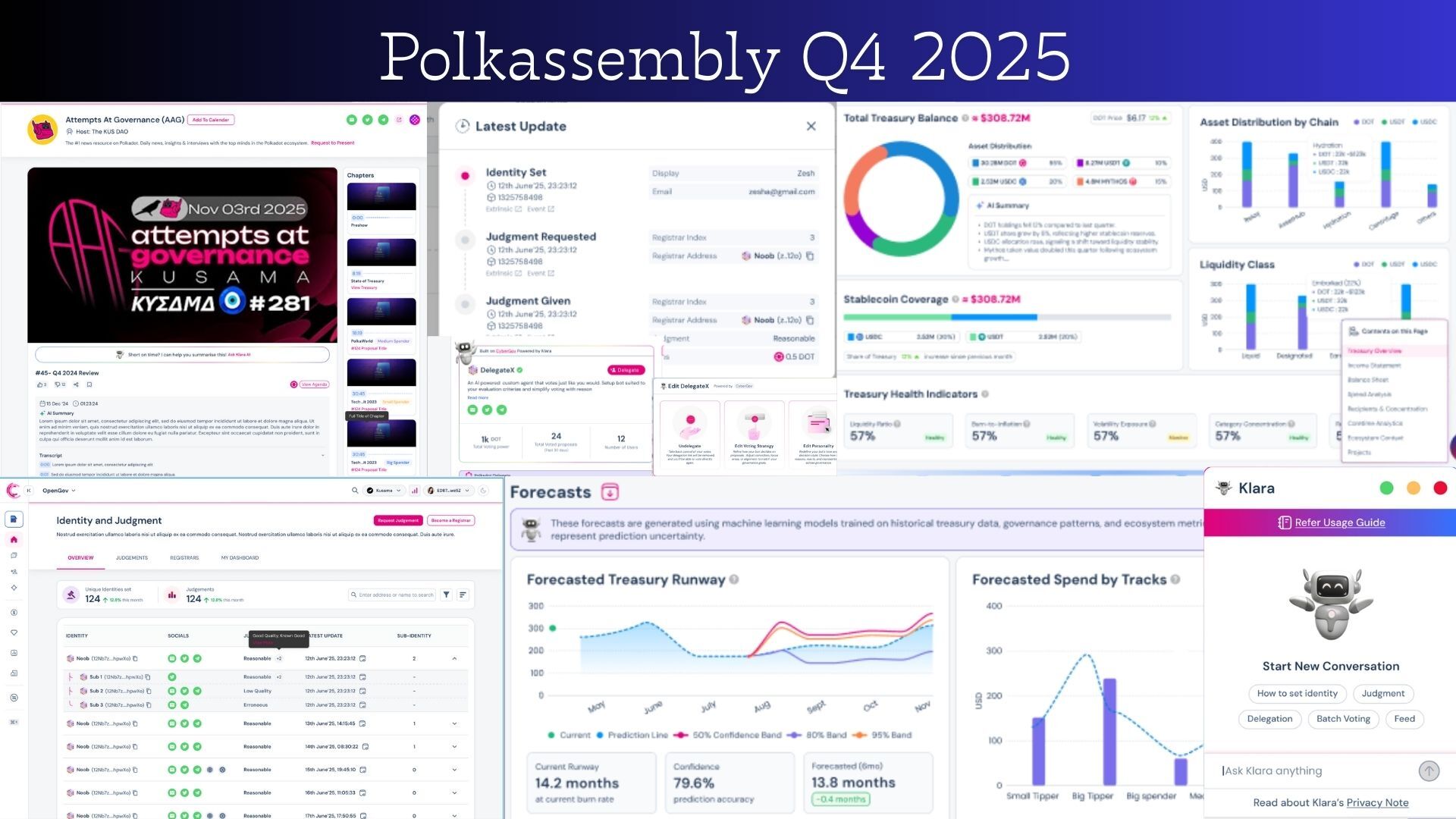
Connect your analytics output directly to compliance reporting tools. Automate the generation of regulatory filings and audit trails. This integration ensures that transparency is not just a reporting exercise but an operational reality, reducing the burden on your team during peak audit periods.
Common questions about RWA analytics
Treasury data analytics involves collecting, processing, and analyzing data from multiple sources, including bank statements, cash flow statements, and on-chain ledgers. When applied to Real World Assets (RWA), this process becomes critical for verifying that the digital token accurately reflects the underlying off-chain collateral.
How is data accuracy verified for tokenized assets?
Verification relies on continuous reconciliation between the blockchain ledger and traditional financial records. Unlike centralized systems, RWA infrastructure requires transparent proof of reserves. This often involves integrating oracle feeds that pull real-time bank balances or audited valuations directly onto the chain. Without this synchronization, the "transparent" claim of the treasury tool is merely a marketing label.
What regulatory compliance standards apply to RWA analytics?
Compliance is not a single standard but a patchwork of existing financial regulations. In the United States, the Federal Register has issued notices seeking public comment on additional transparency for secondary market transactions of government securities. This signals that regulators are actively scrutinizing how these assets move after issuance. Analytics tools must therefore track ownership transfers and KYC/AML status in real-time to remain compliant with evolving securities laws.
Which tools are best for 2026 RWA tracking?
Choosing a tool depends on whether you need operational treasury management or deep market analytics. For general treasury operations, platforms like Kyriba provide robust FAQs and frameworks for CFOs to understand data integration. For market-specific insights, you need providers that offer live, provider-backed widgets. These ensure your data is fresh and not stale, which is vital for high-stakes financial decisions involving tokenized treasuries.
No comments yet. Be the first to share your thoughts!