The 2026 transparency mandate
Transparency is no longer just a regulatory checkbox; it is a strategic mandate. In 2026, corporate treasuries must move beyond simple operational efficiency to provide deeper risk visibility across both traditional and tokenized asset classes. This shift is driven by the convergence of real-world assets (RWAs) and onchain credit, which require new levels of data granularity.
The integration of onchain data into treasury analytics demands a fundamental change in how financial health is reported. Traditional metrics are no longer sufficient to capture the real-time liquidity and collateral quality of tokenized instruments. Treasuries that fail to adopt this level of openness risk losing stakeholder trust and facing heightened regulatory scrutiny.
This mandate applies equally to legacy cash management and emerging digital asset holdings. By treating onchain credit and RWAs with the same rigor as traditional balance sheet items, organizations can build more resilient financial frameworks. The goal is not just compliance, but the ability to make faster, data-backed decisions in a volatile market.
Core Metrics for Tokenized RWA
Managing tokenized real-world assets (RWA) requires a shift from traditional balance sheet tracking to real-time on-chain visibility. Treasuries must monitor specific data points to ensure that the digital representation of an asset accurately reflects its underlying value and risk profile. The focus is on three primary pillars: yield efficiency, collateral health, and liquidity depth.
Yield and Collateralization
The most immediate metric to track is the yield generated by the underlying asset relative to the token’s performance. For tokenized treasuries, this often involves monitoring implied yields from deliverable baskets, a concept pioneered by institutions like CME Group to analyze Treasury products. In an on-chain context, you must verify that the yield distributed to token holders matches the actual cash flows generated by the real-world asset. Any deviation suggests a disconnect between the token and its collateral.
Collateralization ratios serve as the primary risk guardrail. Treasurers need to ensure that the value of the locked real-world assets consistently covers the token’s supply. A drop in collateralization can trigger liquidation events or depegging, especially in volatile markets. Regular audits of the collateral ratio provide early warnings before solvency issues arise.
Liquidity and Market Depth
Yield means little if you cannot exit the position. Liquidity depth measures how much volume is available to absorb trades without significantly impacting the token’s price. Treasurers should monitor the order book depth and the spread between buy and sell orders. Thin liquidity can lead to slippage, eroding returns during rebalancing or redemption events.
To visualize these market dynamics, it is helpful to track the price movement of relevant RWA indices or tokenized asset prices. This helps identify trends in market sentiment and liquidity availability over time.
Tracking On-Chain Data
Finally, transparency relies on accurate on-chain data. Treasuries must integrate analytics tools that pull live data from blockchain explorers and oracle networks. This ensures that the reported metrics—yield, collateral, and liquidity—are not lagging indicators but real-time reflections of the treasury’s health. By focusing on these core metrics, treasurers can maintain a clear, auditable view of their tokenized RWA portfolio.
Monitoring onchain credit infrastructure
Treasury analytics for real-world assets (RWA) and onchain credit requires a shift from static balance sheets to real-time, on-chain visibility. Traditional corporate treasuries rely on quarterly reports and bank statements, but onchain credit moves at the speed of the block. To manage default risk and counterparty exposure effectively, you must monitor the underlying smart contract infrastructure itself.
The primary focus is data availability and transparency. As noted in official sector analyses, market monitoring and surveillance are critical for promoting fair and orderly markets. In the onchain context, this means tracking liquidity pools, oracle feeds, and protocol reserves directly. If a protocol’s collateralization ratio drops below a safe threshold, the analytics engine should flag it before a liquidation cascade occurs. This proactive stance replaces reactive loss recovery.
Counterparty exposure in DeFi is often opaque. Unlike a bank loan where the borrower’s identity is KYC’d, onchain credit often involves anonymous addresses or complex multi-sig wallets. Treasury analytics tools must map these relationships. By tracing fund flows and identifying common ownership patterns, you can see if a single entity is over-leveraged across multiple protocols. This prevents concentration risk from turning a single default into a systemic shock.
Smart contract audit trails provide the final layer of defense. Every interaction—borrowing, repaying, or collateral swapping—is immutable. Integrating these logs into your treasury dashboard allows for forensic accounting in real time. You can verify that assets are truly reserved and that no unauthorized functions have been called. This level of scrutiny is essential for high-stakes RWA deployments where trust is derived from code, not contracts.
Common monitoring: what to check next
Data quality and self-service tools
Treasury analytics in 2026 relies on more than just access to data; it depends on the integrity of that data. When you point an AI model at raw treasury figures without proper context, it generates answers that read well but often fail under scrutiny. This is not a failure of the model, but a failure of the input. Without rigorous data quality checks, your self-service tools become engines for plausible but incorrect financial insights.
The solution is not to restrict access, but to enforce verification. Self-service platforms must include built-in validation layers that flag anomalies before they reach the analyst. This approach transforms data from a static asset into a dynamic, trusted resource. Treasury teams should prioritize tools that allow users to trace every number back to its source ledger, ensuring transparency and accountability.
Point AI at raw treasury data without that context and it returns answers that read well and do not hold up, which is the data-quality concern. — LinkedIn, The Road to Self-Service Analytics in Treasury
Callout: Point AI at raw treasury data without context and it returns answers that read well but do not hold up. Data quality is paramount.
To maintain this standard, treasury departments must treat data governance as a core function, not an afterthought. This means establishing clear ownership for data entry, implementing automated reconciliation processes, and regularly auditing data pipelines. By doing so, you ensure that your analytics are not just fast, but accurate.
For context on how these data flows impact broader market valuations, consider the current performance of major asset classes. The following chart illustrates recent volatility in key indices, highlighting why precise data is essential for accurate treasury modeling.
Implementing the analytics workflow
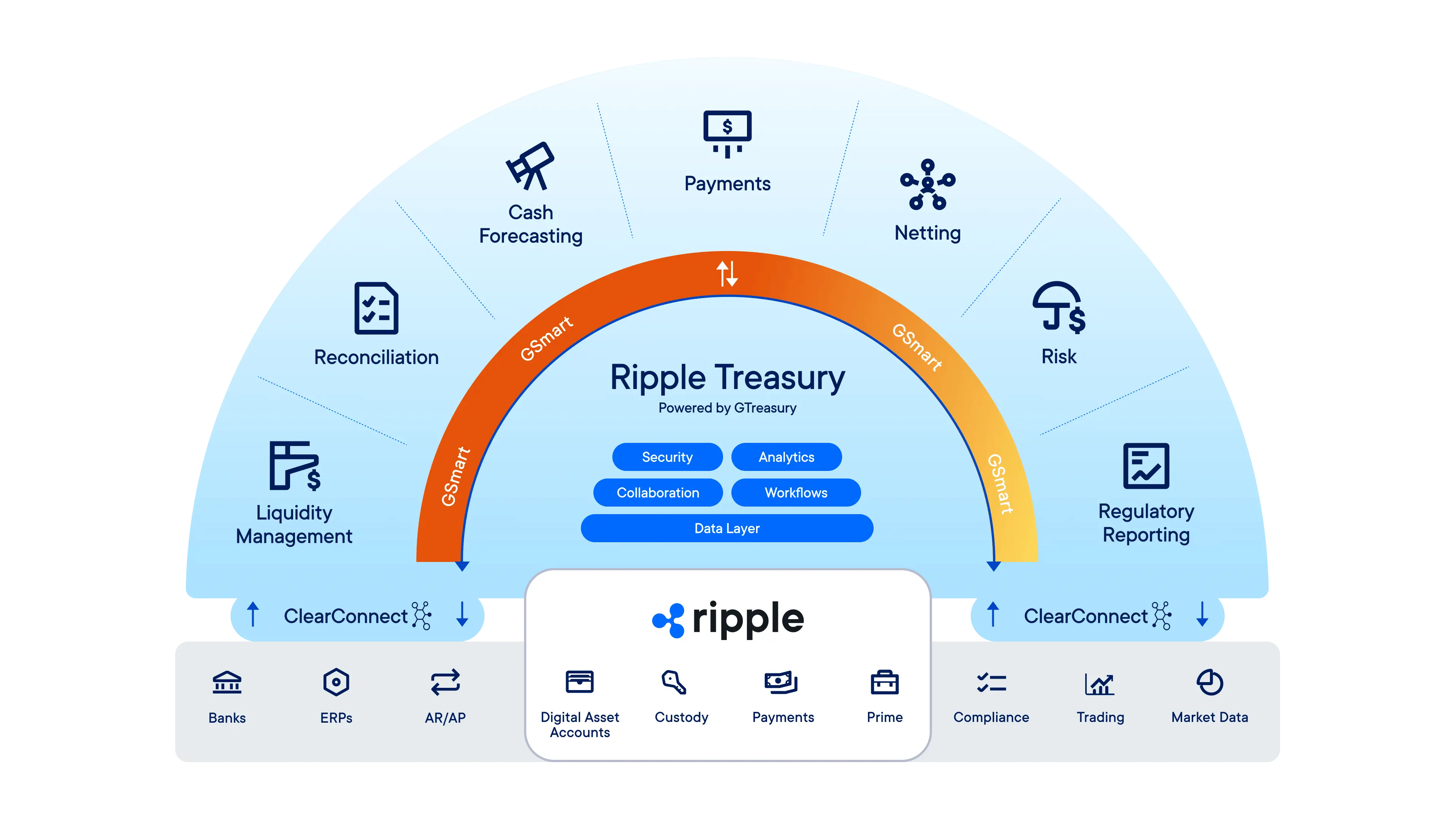
Treasury analytics only work when they are embedded in daily operations. The goal is to move from raw data collection to informed decision-making without adding manual overhead. This workflow connects your data sources, processing tools, and reporting dashboards into a single pipeline.
Start by aggregating data from all treasury systems. This includes cash positions, liquidity forecasts, and onchain credit positions. Use API integrations to pull data from your ERP, banking partners, and blockchain explorers into a central data lake. This eliminates silos and ensures every decision is based on a single source of truth.
Raw treasury data is often fragmented. Use analytics tools to clean, standardize, and normalize this data. This step involves mapping different currency codes, reconciling timestamps, and flagging outliers. By automating this process, you reduce the risk of human error and ensure that your analytics models are trained on accurate, consistent data.
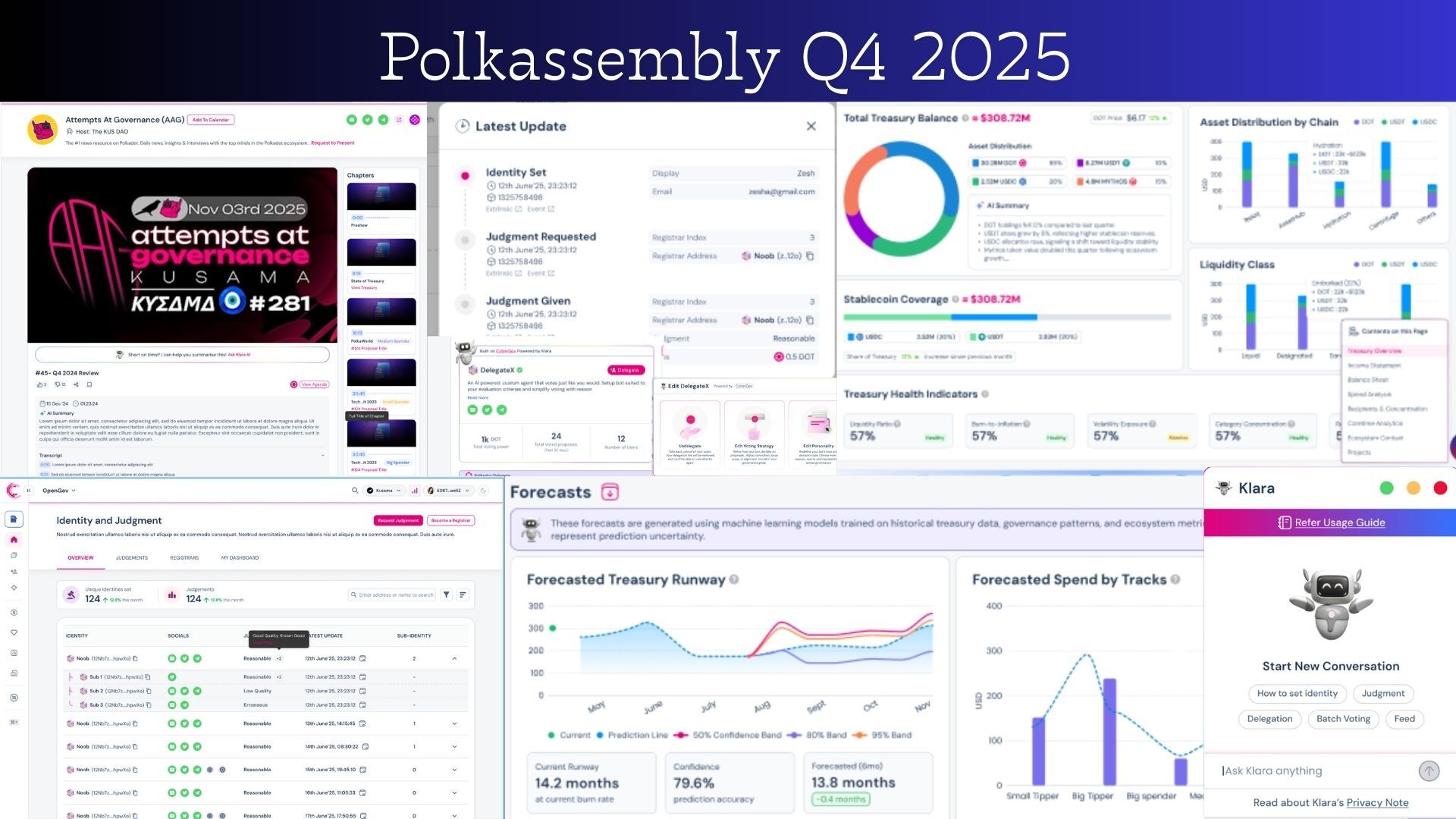
Apply analytical models to identify patterns, trends, and risks. This could involve forecasting cash flow shortfalls, assessing counterparty risk in RWA markets, or monitoring liquidity gaps. As Kyriba notes, these tools help treasurers identify patterns and make predictions about future market conditions, turning historical data into forward-looking insights.
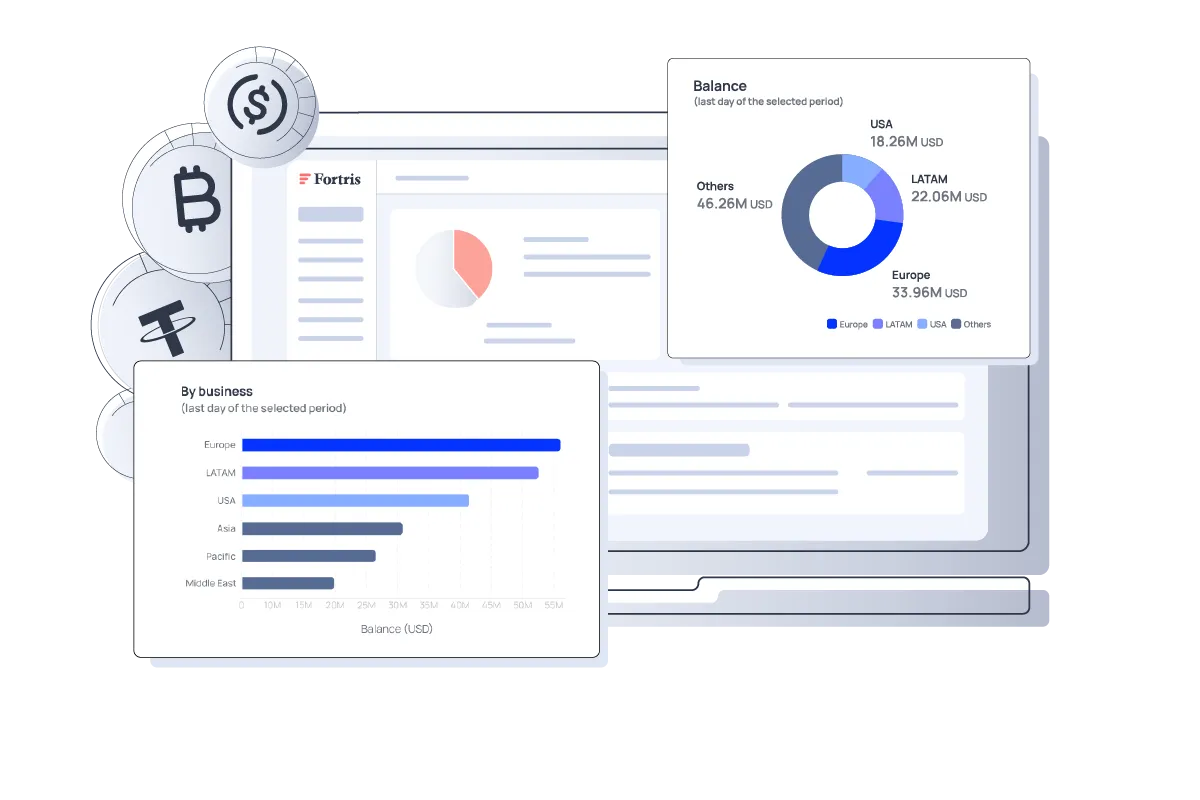
Present your findings through clear, interactive dashboards. Use visualizations to highlight key metrics like net liquidity, debt coverage ratios, and onchain exposure. Ensure that these reports are accessible to key stakeholders, including CFOs and risk officers, so they can act on the insights quickly. Transparency in reporting builds trust and aligns the treasury with broader corporate goals.
No comments yet. Be the first to share your thoughts!