What transparent treasury analytics actually tracks
Transparent treasury analytics moves beyond end-of-day reconciliation to capture real-time visibility into onchain credit and tokenized real-world assets (RWAs). For treasury teams managing digital assets, this means seeing liquidity, collateral usage, and counterparty risk as they happen, not after the fact. Traditional treasury data analytics involves collecting information from bank statements and cash flow reports, but onchain data is public, immutable, and instantaneous. This shift allows for continuous auditing rather than periodic snapshots.
The core challenge is interpreting this data correctly. Tokenized RWAs represent traditional assets like bonds or real estate on a blockchain. Tracking them requires understanding the underlying smart contract logic and the offchain oracle data that feeds them. Without transparent analytics, a treasury team might overstate its liquid assets by counting tokenized bonds that are locked in long-term vaults. Real-time tracking prevents this by showing exactly which assets are available for immediate deployment.
Onchain credit adds another layer. Lending protocols display health factors and liquidation thresholds publicly. Transparent analytics aggregates this data to show the true cost of leverage across multiple platforms. Instead of checking each protocol individually, a unified view reveals aggregate exposure. This prevents accidental over-leveraging when a treasury team is active across several DeFi lending markets simultaneously.
The goal is not just data collection, but actionable insight. By monitoring these flows in real time, treasuries can rebalance portfolios before market conditions change. This proactive approach reduces reliance on external audits and internal guesswork. It turns blockchain data from a static record into a dynamic management tool.
Transparent treasury analytics choices that change the plan
Choosing a transparent treasury analytics platform requires balancing visibility against operational friction. You are not just buying software; you are selecting a data architecture that will dictate how quickly your team can verify liquidity, manage risk, and report on tokenized real-world assets (RWAs). The following comparison breaks down the concrete factors that matter most when evaluating these systems.
| Evaluation Factor | Real-Time Speed | Implementation Cost | Integration Complexity | Data Risk Profile |
|---|---|---|---|---|
| Cloud SaaS | High (minutes) | Low | Low | Vendor lock-in |
| On-Premise | Variable | High | High | Internal silos |
| Hybrid | Medium | Medium | Medium | Sync delays |
| Blockchain-Only | Instant | Medium | High | Oracle manipulation |
Real-time speed determines how often you can act on market fluctuations. Cloud-based solutions typically offer the fastest updates, syncing with bank feeds and market data APIs within minutes. However, for high-frequency trading strategies involving tokenized RWAs, you may need blockchain-native verification, which introduces latency depending on the network's block time.
Implementation cost is often underestimated. On-premise systems demand significant upfront capital for hardware and security compliance. Cloud SaaS models shift this to operational expenses, but costs can scale unexpectedly as you add more data sources, such as multiple bank accounts or crypto wallets. Always calculate the total cost of ownership over three years, not just the monthly subscription.
Integration complexity dictates how long it takes to go live. Treasury analytics tools must connect to your ERP, banking portals, and potentially decentralized finance (DeFi) protocols. Hybrid solutions offer flexibility but require robust middleware to manage data synchronization between legacy systems and modern blockchains. Delays here often stem from poor API documentation or incompatible data formats.
Data risk profile is the final, critical tradeoff. Cloud vendors offer convenience but introduce third-party risk. On-premise systems keep data internal but require rigorous internal security practices. Blockchain-based analytics provide immutability but rely on oracles for off-chain data, which can be manipulated. Evaluate each vendor’s security certifications and data governance policies carefully.
Build a transparent treasury analytics workflow
Treasury data analytics involves collecting, processing, and analyzing data from multiple sources, including bank statements, cash flow statements, financial reports, and market data. For organizations managing tokenized RWAs and onchain credit, this process requires real-time visibility into both traditional and decentralized balance sheets. The following steps outline a practical framework for establishing this transparency, ensuring you can track credit exposure and asset liquidity as they happen.
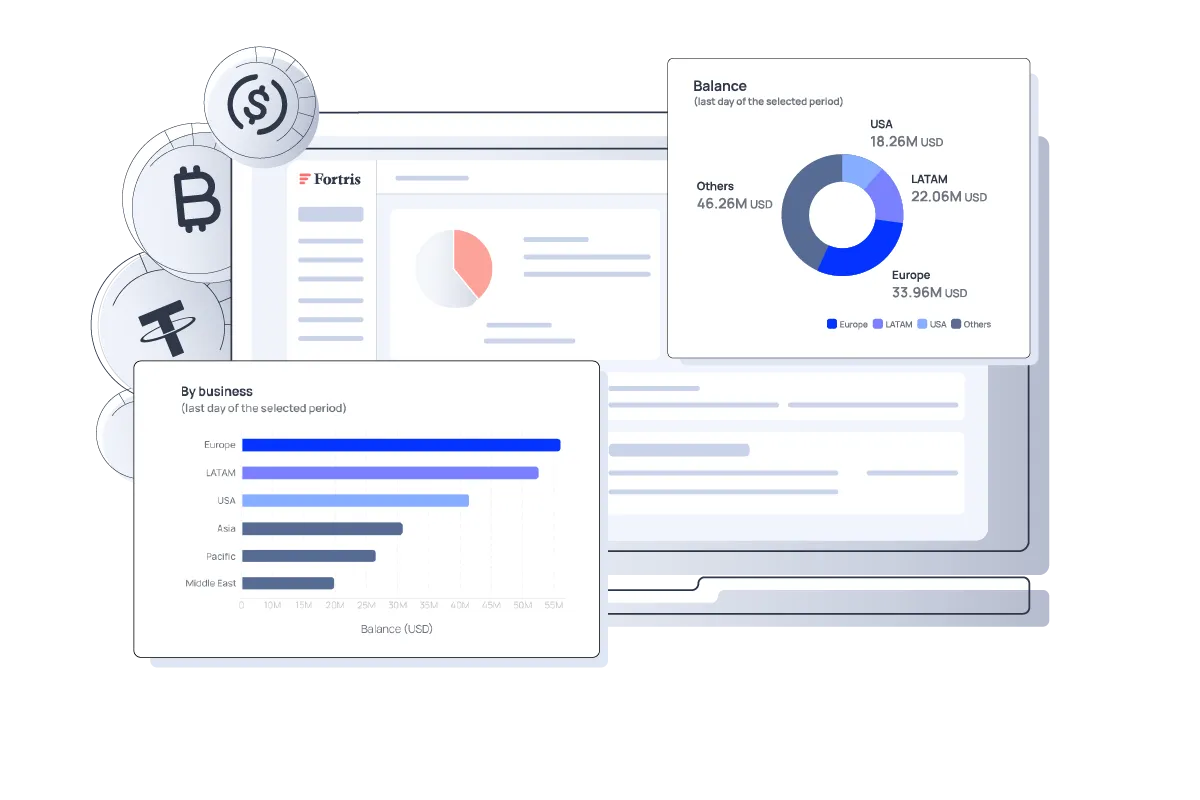
Begin by identifying every ledger, bank account, and onchain wallet that holds company assets. Create a master inventory that distinguishes between offchain fiat reserves and onchain tokenized assets. This mapping prevents "shadow treasury" scenarios where digital assets operate outside standard reporting controls.
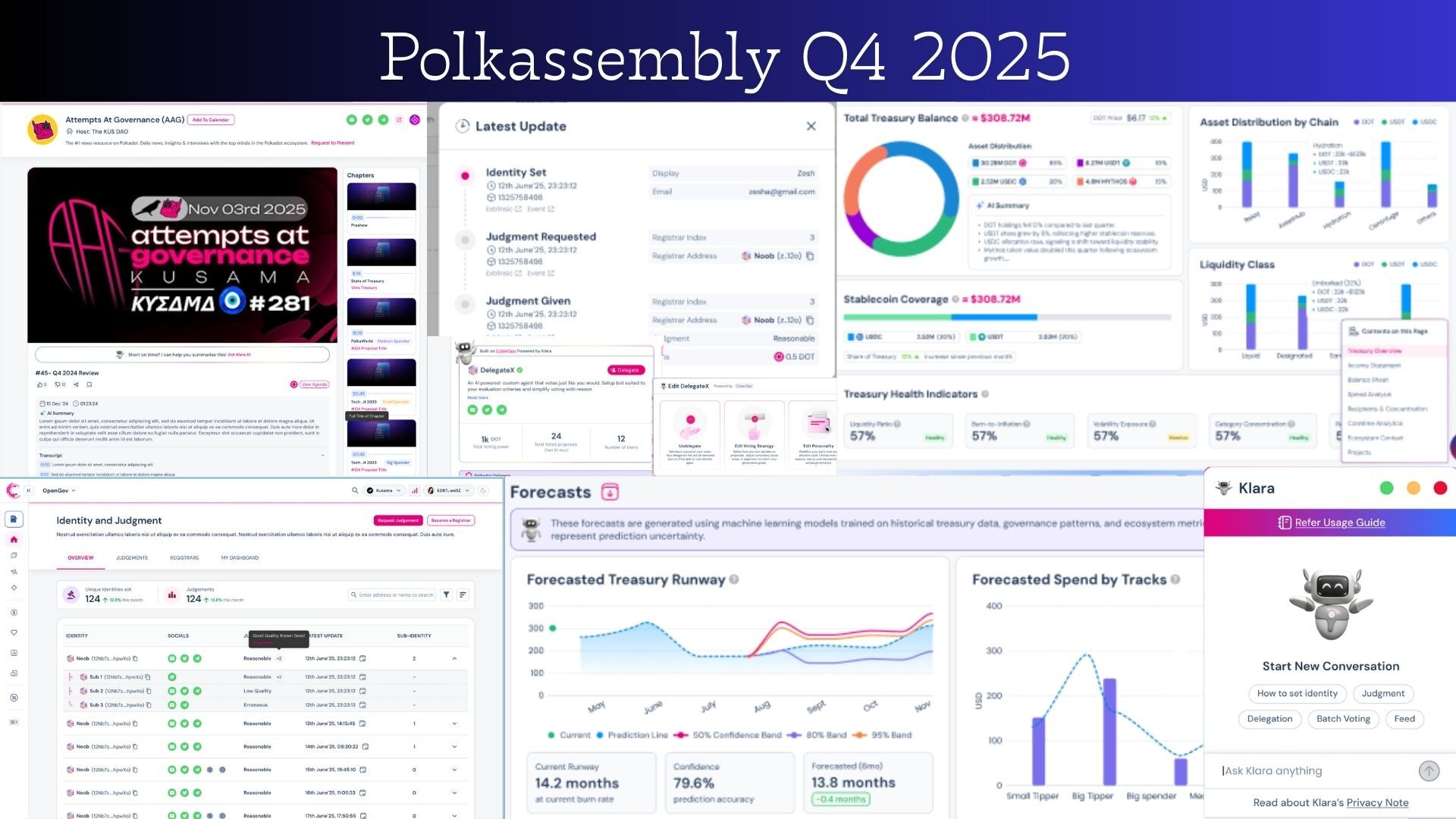
Treasury specialists manage a company's financial assets, cash flow, and risk, which can involve high-pressure decision-making and tight deadlines. To reduce this pressure, standardize how data flows from disparate sources into your analytics platform. Use APIs or secure data connectors to pull live balances from banks and blockchain explorers, eliminating manual spreadsheet updates that lag behind market movements.
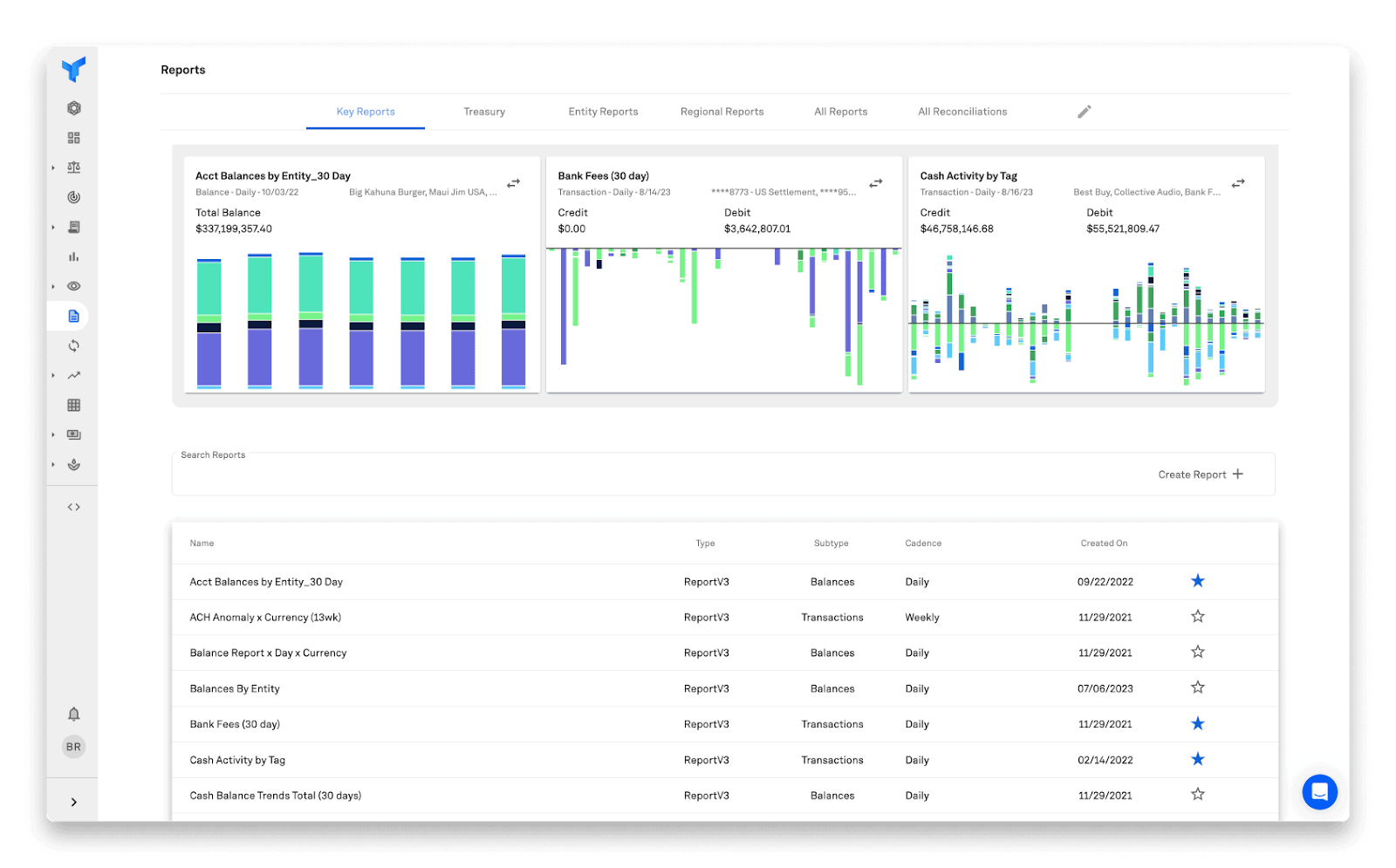
Monitor onchain credit facilities and tokenized real-world assets (RWAs) using block explorers and specialized analytics dashboards. Look for smart contract interactions that indicate collateral calls, debt issuances, or asset transfers. This step ensures you can verify the liquidity and backing of tokenized assets in real-time, rather than relying on end-of-day reconciliations.
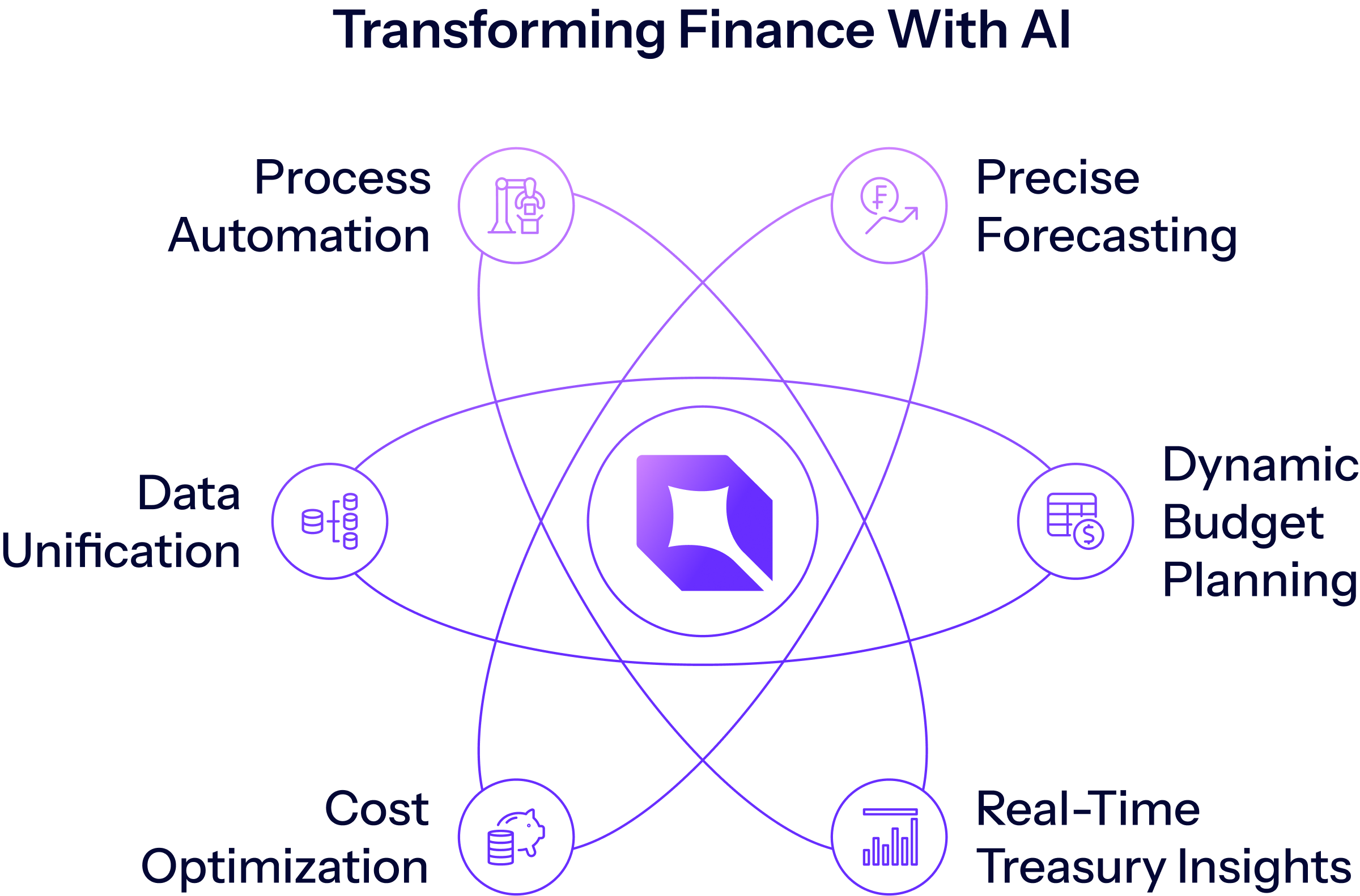
Set up automated alerts for threshold breaches, such as low stablecoin reserves or unusual onchain transaction volumes. These notifications allow treasury teams to react to market fluctuations or audit triggers immediately. By automating these checks, you reduce the cognitive load on analysts and ensure critical risks are flagged before they impact operational liquidity.
| Data Source | Update Frequency | Verification Level |
|---|---|---|
| Bank Statements | Daily | High |
| Blockchain Explorers | Real-time | High |
| Manual Spreadsheets | Weekly | Low |
Spotting Weak Options and Misleading Claims
As tokenized RWAs and onchain credit gain traction, the market is flooded with dashboards promising real-time visibility. However, not all analytics tools deliver the same level of transparency. Identifying misleading claims requires looking past marketing gloss to verify how data is sourced, updated, and audited. This section highlights common pitfalls and weak options to avoid when evaluating treasury analytics platforms.
Ignoring Data Latency and Source Integrity
Many platforms claim "real-time" tracking but rely on batch-processed data from off-chain sources. This latency can obscure critical risk exposures, especially during market volatility. Always verify if the analytics engine pulls directly from onchain nodes or relies on third-party aggregators with unknown refresh rates. Weak options often fail to disclose data provenance, making it impossible to audit the accuracy of credit metrics.
Overlooking hidden fees and liquidity limits to account for
Tokenized RWAs often come with complex fee structures that aren't immediately visible in the analytics UI. Some platforms hide management fees, transaction costs, or liquidity penalties within the net asset value calculations. This can distort performance metrics and mislead investors about true returns. Look for dashboards that break down costs transparently and provide clear liquidity terms before committing capital.
Failing to Verify Audit Trails
A robust treasury analytics solution must provide a complete, immutable audit trail for every transaction and data point. Weak options may offer snapshot views without historical context, making it difficult to trace discrepancies or compliance violations. Ensure the platform supports detailed logging and integrates with official verification sources, such as TFX or CME Group, to validate data integrity.
Skipping Stress Testing and Scenario Analysis
Real-time analytics are only useful if they help you anticipate risk. Many tools lack built-in stress testing capabilities, leaving users blind to potential downside scenarios. Strong platforms allow you to simulate market shocks, interest rate changes, or liquidity crunches to assess portfolio resilience. Without this feature, you're reacting to problems rather than preventing them.
Transparent treasury analytics: what to check next
Before committing to onchain credit tracking or RWA tokenization tools, it helps to separate the technical mechanics from the human realities of the role.
No comments yet. Be the first to share your thoughts!