Why treasury transparency matters for RWAs
Tokenized real-world assets (RWAs) are not just digital tokens; they are claims on physical infrastructure, commodities, or debt instruments. This bridge between the onchain and offchain worlds creates a unique vulnerability. If the underlying treasury data is opaque, the token’s value becomes speculative fiction rather than backed finance. Investors need to see the collateral in real time, just as they would audit a traditional bond prospectus.
Traditional finance relies on quarterly reports and annual audits to establish trust. That latency is fatal for onchain liquidity. When a tokenized asset trades 24/7, the treasury backing it must be visible 24/7. Transparent treasury analytics provide this continuous verification. They connect bank statements, cash flow statements, and market data directly to the blockchain, ensuring that the token’s price reflects the actual health of the underlying asset.
Without this rigor, RWA liquidity dries up. Institutional capital will not deploy funds into a black box. They require the same forensic level of scrutiny applied to corporate treasuries. By integrating advanced data analysis techniques, issuers can prove solvency and compliance instantly. This transparency is the foundation of resilience, transforming RWA tokens from experimental derivatives into credible financial instruments.
The mandate for transparency is shifting from a competitive advantage to a regulatory baseline. As seen in emerging corporate resilience frameworks, visibility into treasury operations is no longer optional. For RWAs to scale, the analytics must be as robust as the assets themselves, ensuring that every token represents a verifiable, liquid, and secure claim on real-world value.
Track onchain credit and yield
Traditional treasury reporting often feels like looking through a foggy window. You get quarterly summaries, lagging indicators, and a general sense of where things stand. Onchain credit markets flip that dynamic. By recording every transaction on a public ledger, these markets provide real-time visibility into the health of the underlying assets. This transparency is the core of transparent treasury analytics, replacing opaque traditional reporting with immediate, verifiable data.
When you tokenize a real-world asset (RWA), such as a treasury bill, you are not just moving a certificate; you are activating a live data stream. Every interest payment, principal repayment, or default event is visible to anyone with a wallet and a block explorer. This eliminates the guesswork that plagues offchain finance. Investors can see the exact yield being generated and the credit risk being assumed, rather than relying on a third-party audit from months ago.
This visibility extends to the complex mechanics of treasury management. Tools like the CME Group's Treasury Analytics demonstrate how professional markets already rely on granular data to track implied yields and deliverable baskets. Onchain, this level of detail is democratized. You can see the "cheapest to deliver" (CTD) dynamics in real time, understanding exactly which assets are being used to settle contracts and how their values fluctuate against the benchmark.
The result is a market that self-corrects faster and with greater accuracy. Price discovery happens continuously, not just at the close of business. For tokenized RWAs, this means that the credit rating of the underlying asset is constantly validated by market participants watching the chain. It turns treasury management from a passive administrative task into an active, data-driven strategy.
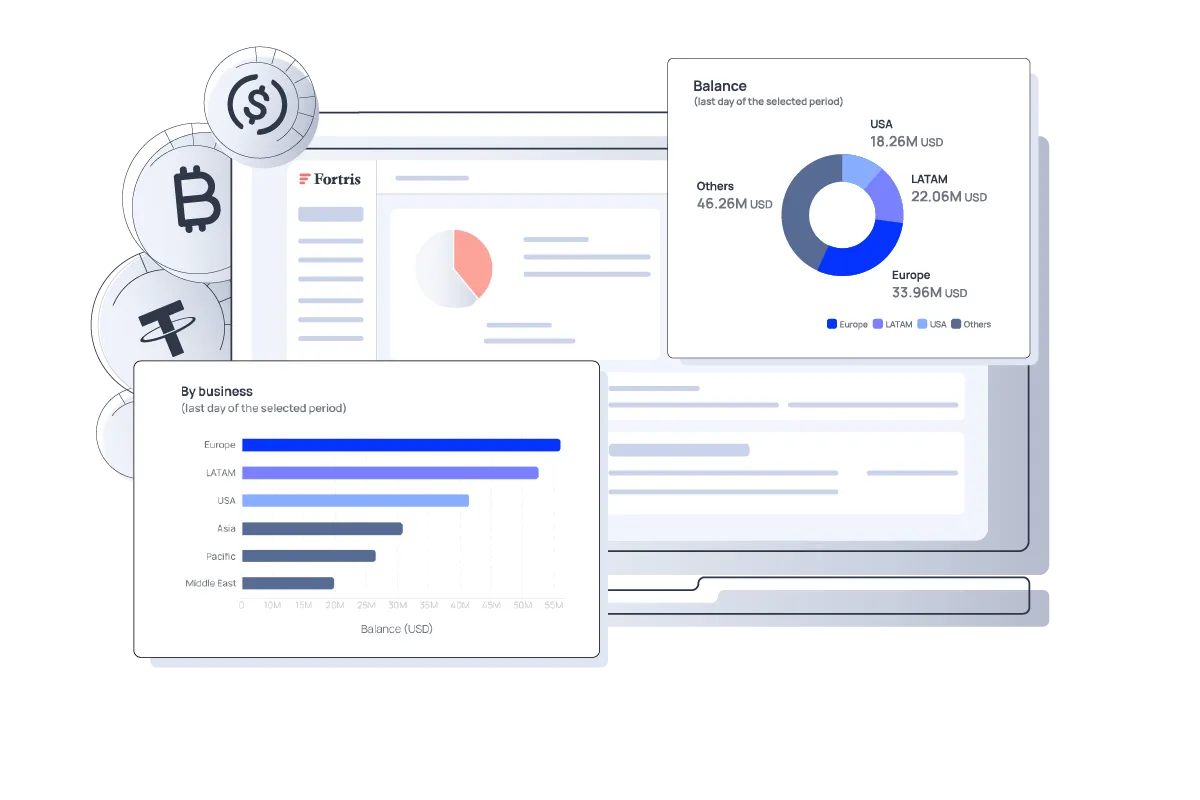
Comparing Treasury Analytics Platforms
Treasury data analytics involves collecting, processing, and analyzing data from multiple sources to identify patterns and predict future cash flows [[src-serp-2]]. When evaluating platforms for transparent treasury analytics, the goal is to find tools that offer self-service capabilities while maintaining rigorous security standards. The best systems allow treasury teams to shape data on demand, ensuring that insights are available exactly when decisions need to be made [[src-serp-4]].
To help you evaluate the landscape, we have compared three distinct approaches to treasury analytics. This comparison focuses on real-time data access, onchain integration capabilities, cost structure, and reporting depth. Understanding these differences is essential for selecting a tool that aligns with your organization's risk profile and technical infrastructure.
| Platform Type | Real-Time Data | Onchain Integration | Cost Model | Reporting Depth |
|---|---|---|---|---|
| Traditional TMS | Limited (Batch) | No | High (License) | Standard |
| Modern Cloud TMS | Yes | API-Based | Medium (SaaS) | Advanced |
| Onchain Analytics | Yes | Native | Variable (Gas) | Granular |
Build a transparent treasury strategy
Implementing transparent treasury analytics for tokenized real-world assets (RWAs) requires moving beyond simple balance sheets. You need a framework that treats onchain data as the primary source of truth, ensuring every asset is accounted for in real time. This approach reduces counterparty risk and builds trust with institutional investors who demand auditability.
Follow this four-step framework to structure your treasury operations for maximum visibility and compliance.
Start by cataloging every tokenized asset and its underlying real-world counterpart. Whether you hold tokenized treasury bills, private credit, or real estate, you must link each digital token to its legal and financial documentation. This creates a clear lineage that auditors can verify without relying on third-party representations. Use onchain explorers to confirm token supply matches the total value of the underlying assets held in custody.
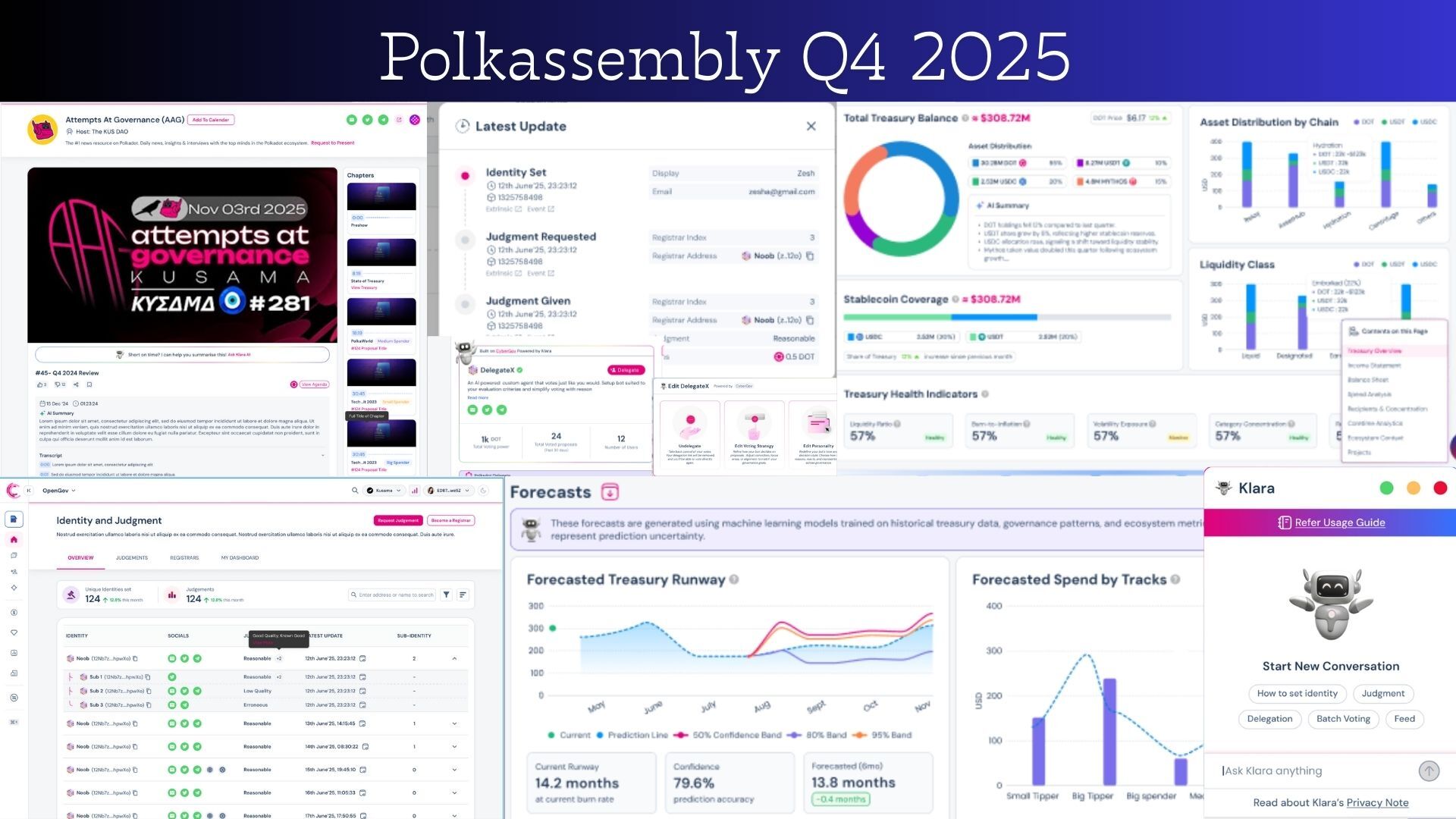
Transparency fails when onchain data diverges from offchain reality. Integrate direct API connections from your custodians and prime brokers into your analytics dashboard. This hybrid connectivity allows you to reconcile onchain token movements with actual bank balances and custody reports. According to treasury best practices, achieving comprehensive cash visibility through hybrid bank connectivity is essential for managing volatility and ensuring accurate reporting.
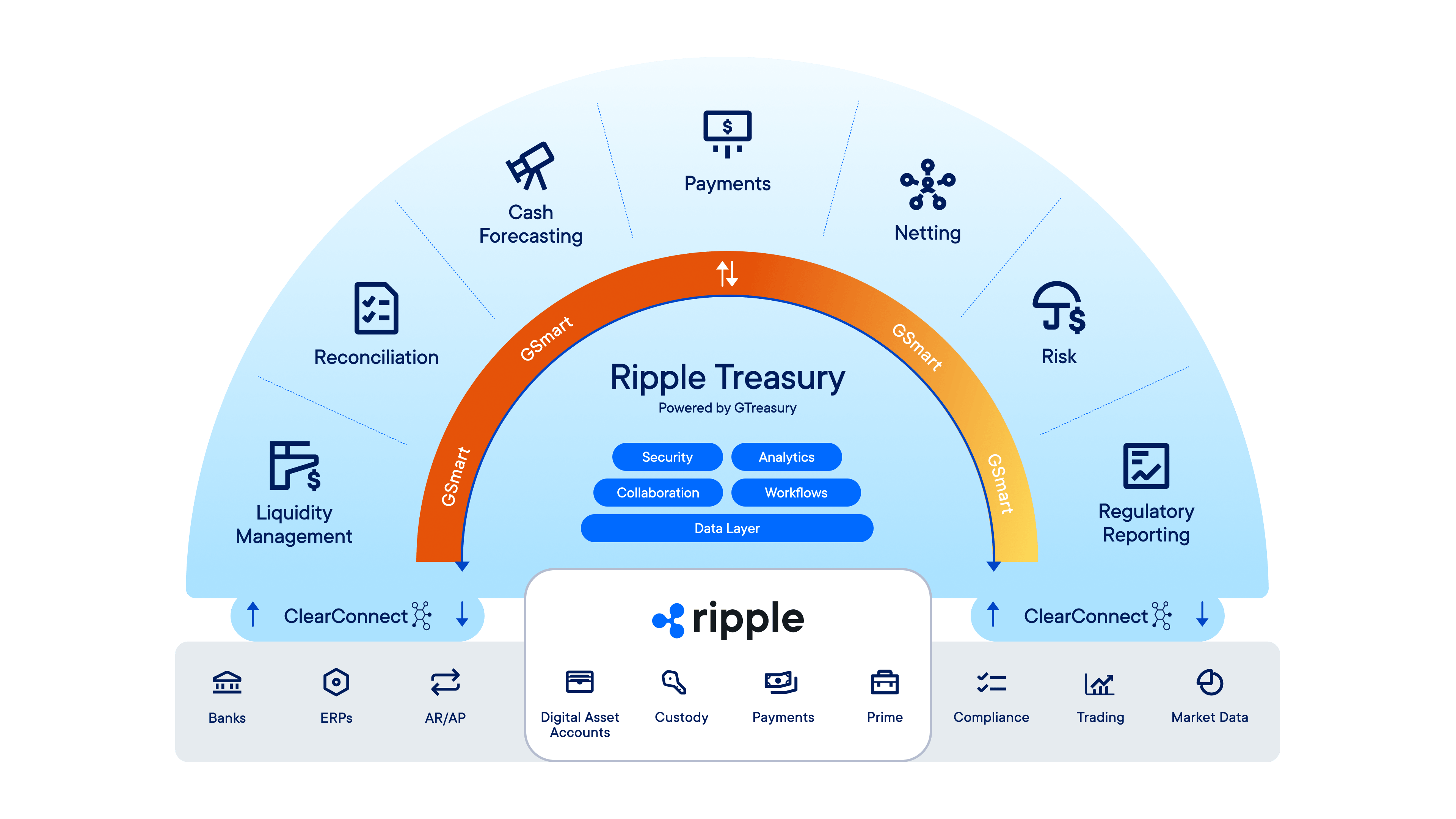
Manual reporting is too slow for high-stakes treasury management. Automate the generation of regulatory reports by linking your treasury analytics platform directly to compliance workflows. This ensures that every transaction is tagged with the necessary metadata for tax and regulatory purposes. Automation also helps you stay compliant with evolving trade policies and documentation requirements, reducing the risk of human error in high-volume environments.
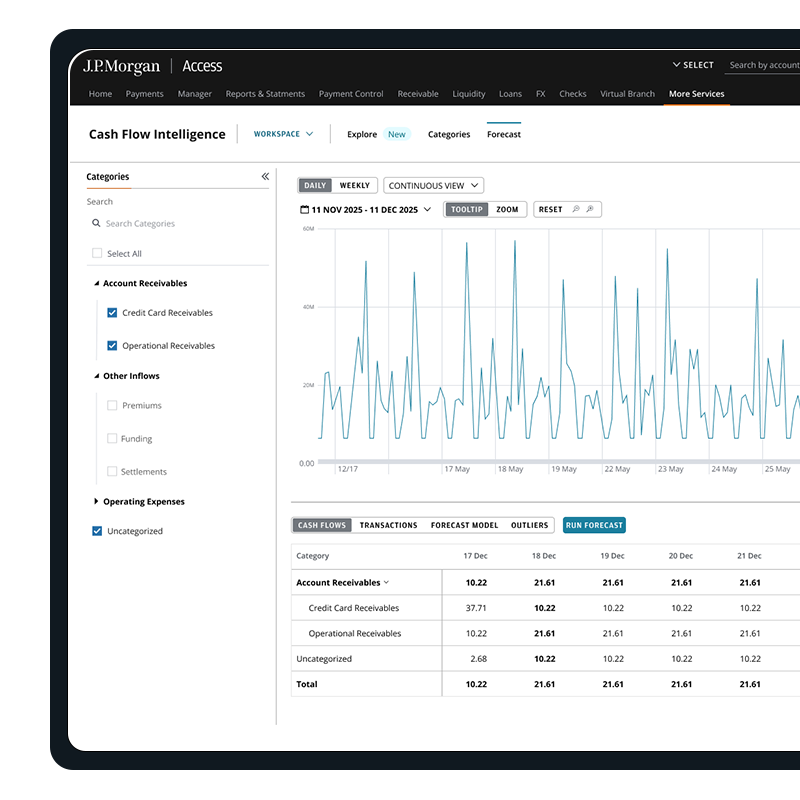
Tokenized RWAs often involve complex yield structures and liquidity constraints. Set up real-time alerts for liquidity pool changes, yield adjustments, and settlement delays. Use analytics tools to visualize cash flow forecasts and identify potential shortfalls before they impact operations. This proactive monitoring allows you to optimize liquidity allocation and maintain operational stability even during periods of market stress.
By following these steps, you create a treasury strategy that is not just transparent, but also resilient. The goal is to make your financial position as visible and verifiable as the blockchain itself.
- Verify all data sources are direct and auditable.
- Check that audit trails link onchain tokens to offchain assets.
- Monitor liquidity pools for unexpected changes.
- Review yield reports for accuracy and consistency.
Common questions about transparent treasury analytics
Treasury analytics tools collect and process data from bank statements, cash flow reports, and market feeds to identify patterns and predict future conditions. When applied to tokenized RWAs, this transparency allows treasurers to see real-time asset backing and liquidity positions on-chain, reducing the opacity that often complicates traditional treasury management.
The "cheapest to deliver" (CTD) concept is critical for Treasury bond futures. It refers to the specific security that is least expensive for the seller to deliver against a futures contract. Calculating CTD involves the formula: Current Bond Price minus (Settlement Price multiplied by the Conversion Factor). Understanding CTD helps treasurers optimize delivery options and minimize costs during settlement.
Best practices for modern treasury systems include moving beyond legacy infrastructure to achieve comprehensive cash visibility through hybrid bank connectivity. Automating cash pooling and FX risk management improves liquidity, while data-driven automation enhances forecast accuracy. These steps help close the books faster and reduce reconciliation errors, creating a more resilient financial operation.
No comments yet. Be the first to share your thoughts!