Transparent treasury analytics market limits to account for
Transparent treasury analytics faces a distinct hurdle: the industry lacks a single, unified definition. While the Office of Financial Research (OFR) standardizes data to promote financial stability, corporate treasury tools vary widely in how they define "transparency." Some vendors focus on real-time cash visibility, while others prioritize regulatory reporting or predictive liquidity modeling. This fragmentation makes it difficult for CFOs to benchmark their analytics capabilities against peers or industry standards.
The market is further constrained by the complexity of integrating onchain credit data with traditional banking infrastructure. Unlike public equity markets, where trade details are openly reported, treasury data often remains siloed within private ledgers or proprietary banking portals. Treasurers must manually reconcile these disparate sources to gain a holistic view of their financial position, a process that introduces latency and potential for human error.
To navigate these constraints, organizations must prioritize interoperability and standardized data formats. This involves moving beyond simple dashboards to adopt analytics platforms that can ingest and normalize data from both traditional banking APIs and emerging onchain protocols. By establishing clear internal definitions for what constitutes "transparent" data, companies can better evaluate vendor solutions and ensure their analytics infrastructure supports both immediate liquidity needs and long-term strategic planning.
How to build a transparent treasury analytics framework
Treasury analytics is no longer just about reporting what happened last month. It is the practice of using data analysis to gain real-time insights into cash, liquidity, and risk. For organizations managing on-chain credit or tokenized real-world assets (RWA), transparency is the primary control mechanism.
To move from opaque bookkeeping to verifiable transparency, follow this five-step decision framework. Each step addresses a specific layer of data integrity, from source verification to public auditability.
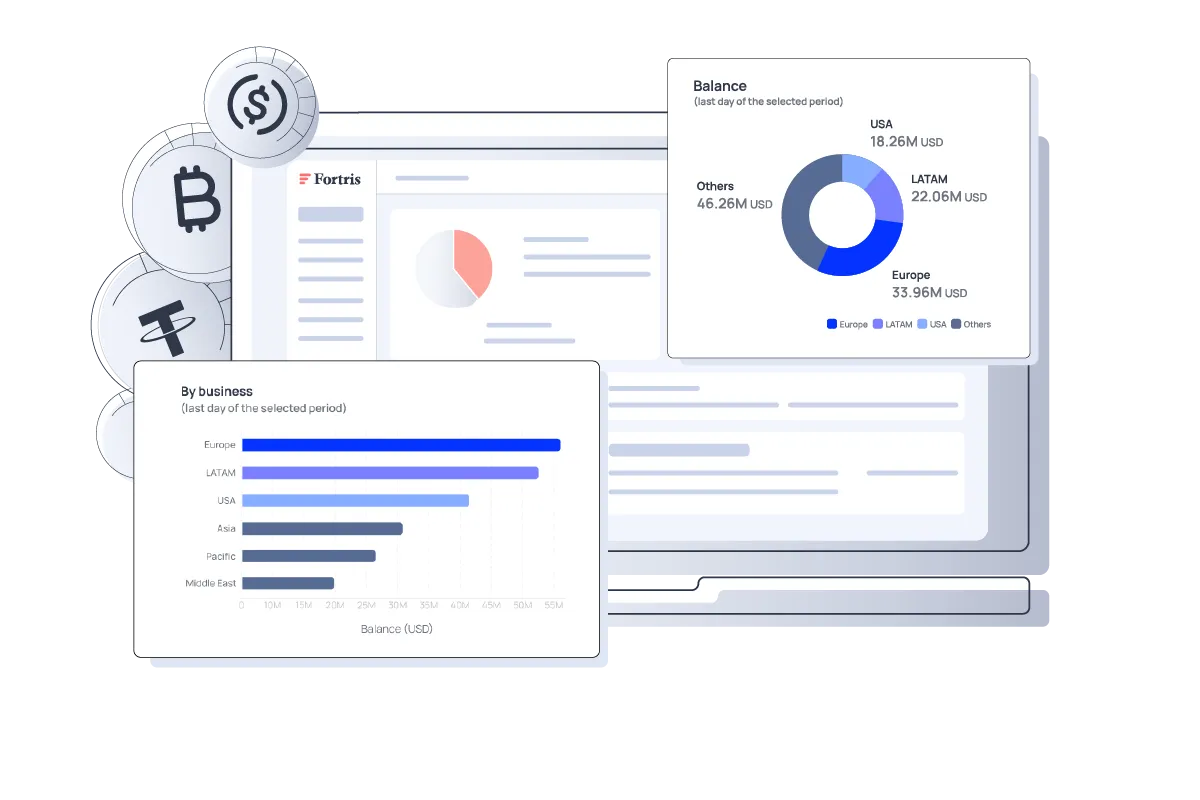
Begin by identifying every data source feeding your treasury dashboard. For traditional treasuries, this means bank feeds and ERP systems. For on-chain treasuries, it means smart contract addresses and oracle feeds. Document where each data point originates. If you cannot trace a balance back to its source transaction, it is not analytics—it is guesswork.
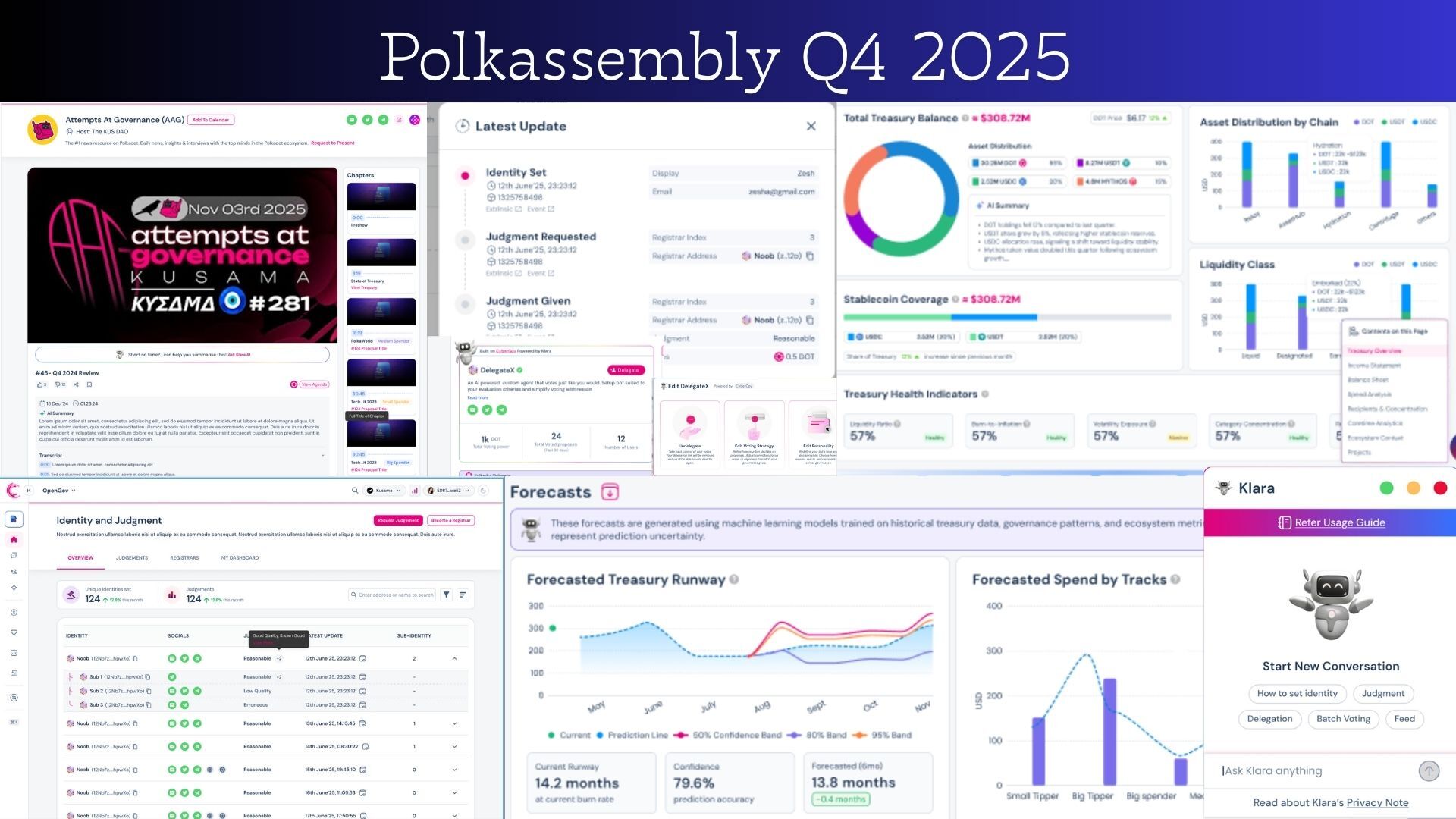
The Office of Financial Research (OFR) emphasizes that standardized data is essential for financial stability. Apply this same rigor to your internal metrics. Define exactly how you calculate liquidity coverage or exposure to volatile assets. Avoid custom, unverified formulas. Use industry-standard definitions so your data can be compared against external benchmarks and regulatory reports.
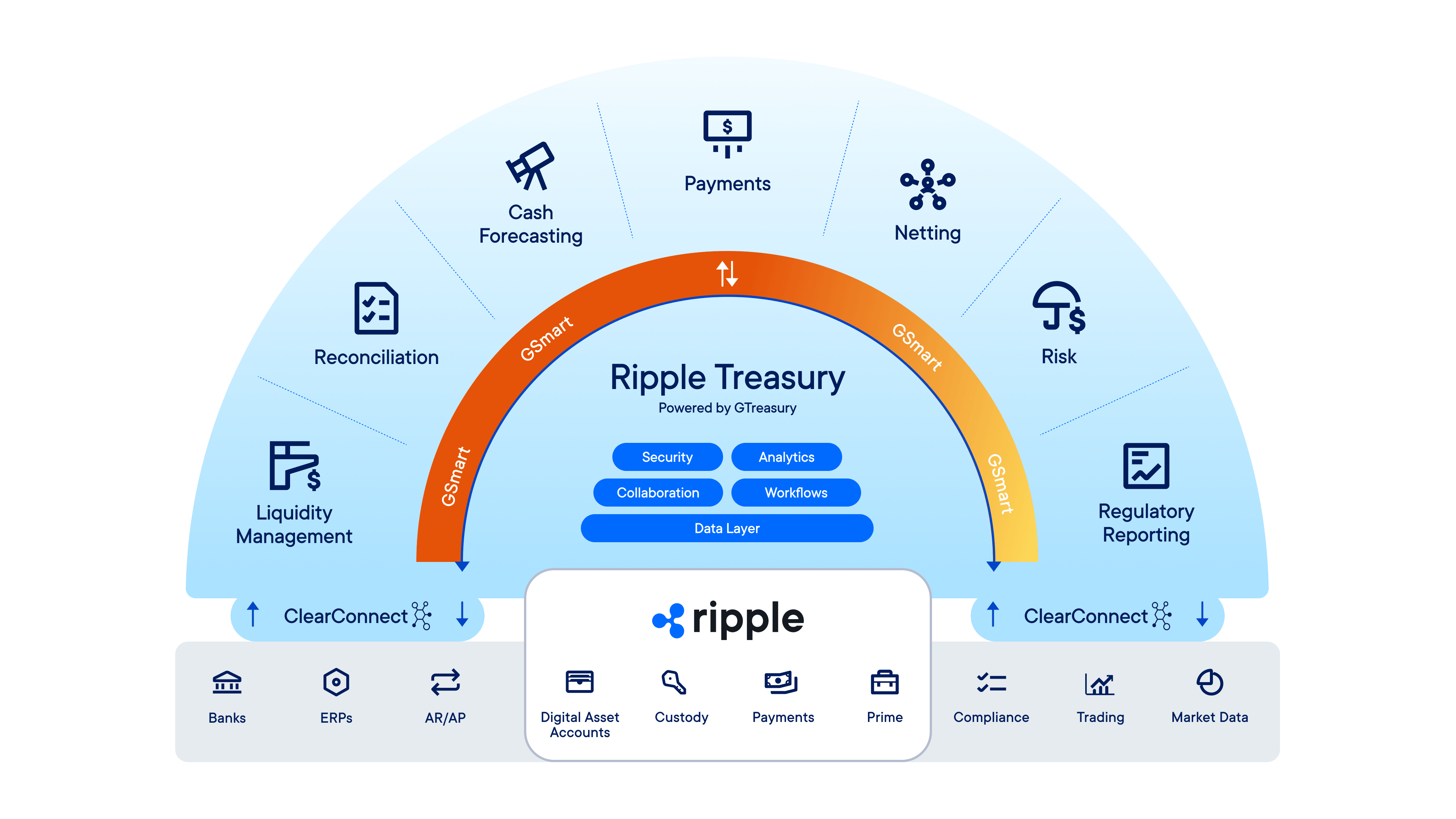
Manual reconciliation is the enemy of transparency. Implement automated scripts or treasury management systems that verify balances against on-chain ledgers or bank APIs in near real-time. This reduces the window for error or manipulation. When data is verified automatically, you shift from "trust but verify" to "verify continuously."
Transparency requires public or stakeholder-accessible proof. For tokenized RWA, this means publishing merkle proofs or contract verification status. For traditional entities, this means making detailed transaction logs available to auditors without delay. The goal is to make the "last-sale" details of your treasury operations visible, including price, quantity, and timing of all internal movements.

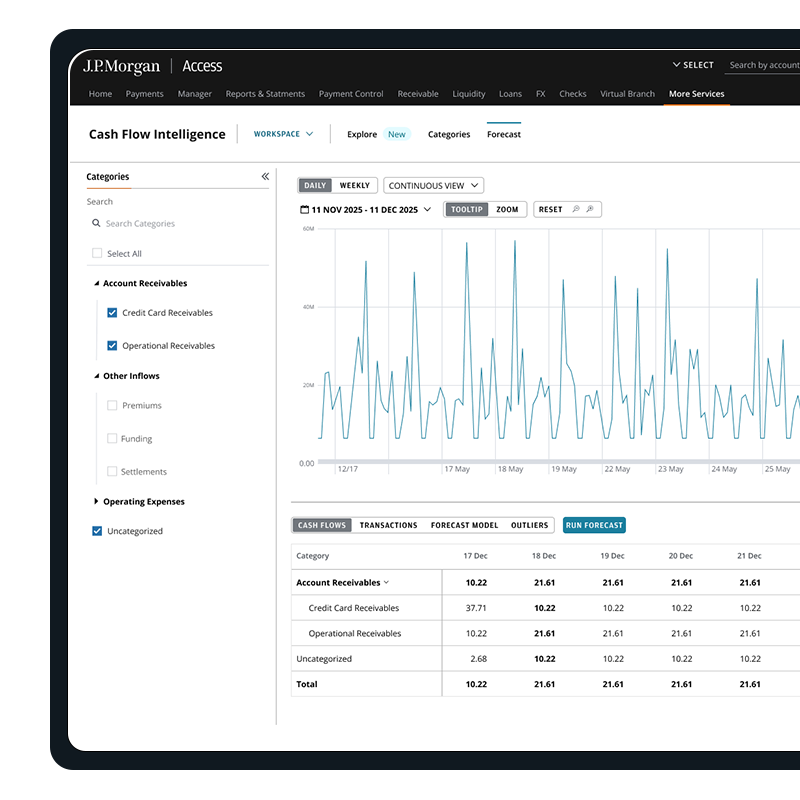
Finally, use your analytics to simulate market conditions. Treasury data analytics helps identify patterns and outliers in cash flow. Run scenarios where asset prices drop 20% or liquidity freezes. If your framework cannot predict the impact of these shocks, it is not robust enough for high-stakes decision-making. Adjust your reserves based on these simulated outcomes.
By following these steps, you build a treasury framework that is not only compliant but also resilient. Transparency becomes your competitive advantage, allowing you to attract institutional capital and manage risk with precision.
Avoid the weak options
Use this section to make the Transparent Treasury Analytics decision easier to compare in real life, not just on paper. Start with the reader's actual constraint, then separate must-have requirements from details that are merely nice to have. A practical choice should survive normal use, maintenance, timing, and budget. If a recommendation only works in an ideal situation, call that out plainly and give the reader a fallback path.
| Factor | What to check | Why it matters |
|---|---|---|
| Fit | Match the option to the primary use case. | A good deal still fails if it does not fit the job. |
| Condition | Verify age, wear, and service history. | Hidden condition issues erase upfront savings. |
| Cost | Compare purchase price with likely upkeep. | The cheapest option is not always the lowest-cost option. |
Transparent treasury analytics market research: what to check next
Before committing to onchain credit or tokenized RWA infrastructure, treasurers need to distinguish between legacy reporting and real-time visibility. The shift toward transparent markets is not just about compliance; it is about accessing liquidity that was previously hidden in fragmented silos. Understanding the foundational definitions helps separate marketing hype from operational reality.
No comments yet. Be the first to share your thoughts!