Why transparency matters in tokenized treasuries
Tokenized real-world assets (RWA) promise to bring the liquidity of public markets to private credit and government debt. But this promise collapses without rigorous audit trails. In traditional finance, treasury analytics rely on fragmented data streams and end-of-day reporting. Tokenization changes the game by making every transaction visible on-chain, but only if the underlying analytics are equally transparent.
The stakes are high. Regulators are already tightening the screws on post-trade transparency. FINRA recently enhanced its dissemination of individual transactions in active US Treasury securities to raise market transparency levels FINRA, 2024. The US Treasury itself emphasizes that data transparency is not just a compliance checkbox, but a fundamental requirement for accurate tax policy and market stability US Treasury.
For tokenized RWAs, "transparent treasury analytics" is the bridge between legacy compliance and on-chain efficiency. It is not merely a feature; it is a risk mitigation tool. Without it, tokenized assets remain opaque bundles of uncertainty, indistinguishable from the very inefficiencies they were designed to solve.
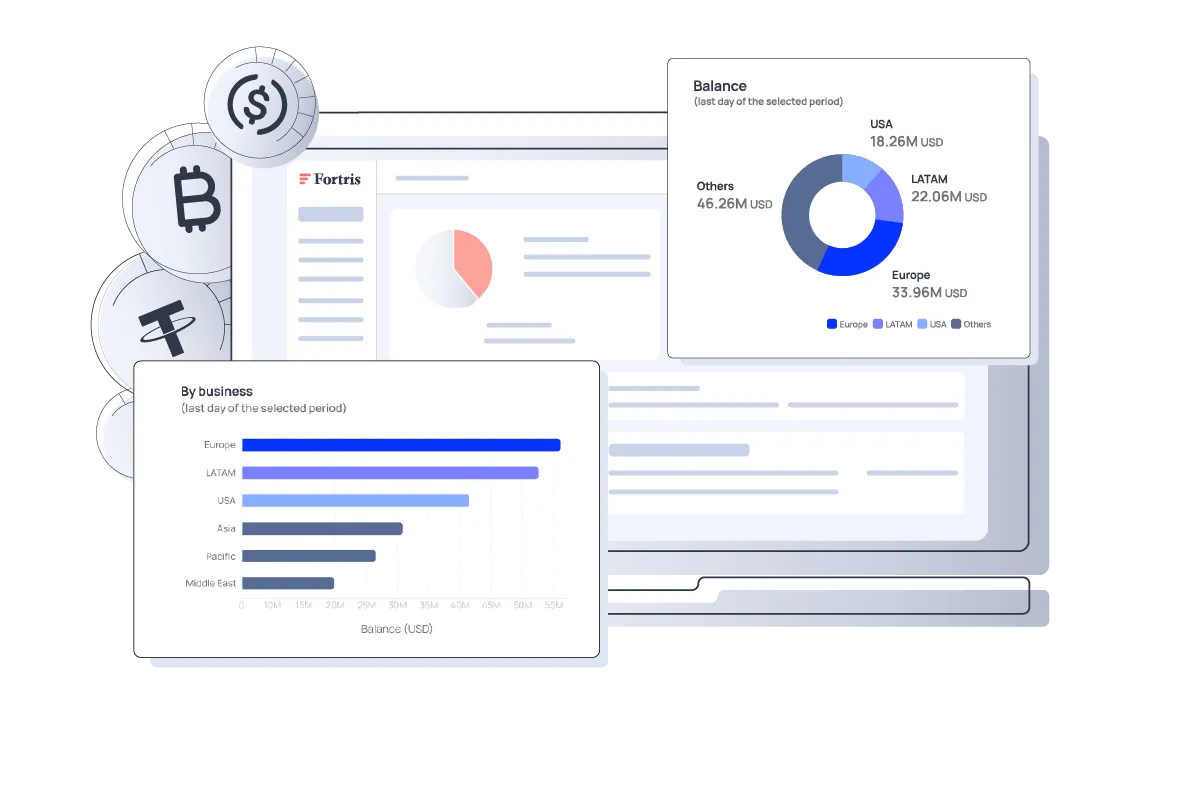
When you build a treasury dashboard for tokenized assets, you are not just displaying numbers. You are providing a live, verifiable proof of ownership and cash flow. This visibility allows investors to verify that the underlying asset exists, is properly segregated, and is generating the expected yield. It transforms the treasury from a black box into a glass house.
This shift requires a new approach to data integrity. Every token transfer must be traceable back to the source asset. Every yield payment must be reconciled with the underlying cash flows. This is where transparent treasury analytics becomes critical. It ensures that the tokenized representation matches the real-world asset in real-time, reducing counterparty risk and operational friction.
Core metrics for onchain treasury health
Transparent treasury analytics in tokenized RWA requires moving beyond standard corporate finance KPIs to verify the integrity of onchain assets. While traditional treasury management focuses on cash flow forecasting and liquidity buffers, tokenized assets demand proof of reserve frequency and smart contract audit status to ensure the digital token accurately reflects the underlying real-world asset.
The primary metric is reserve proof frequency. Unlike traditional audits that occur annually, tokenized RWA requires near-real-time or daily verification of collateral backing. This aligns with the CME Group’s approach to treasury analytics, which emphasizes the Cheapest to Deliver (CTD) bond mechanics and precise cash flow cost calculations to manage volatility. For tokenized assets, this means tracking the ratio of token supply to verified onchain reserves to prevent over-issuance.
Smart contract audit status is equally critical. The security of the tokenized asset depends on the code governing its transfer and redemption. Regular third-party audits and bug bounty programs serve as the technical equivalent of financial compliance checks. Without this, the asset’s value is contingent on unverified code, introducing counterparty risk that traditional treasury tools cannot mitigate.
Finally, yield attribution must be granular. In tokenized RWA, yield comes from the underlying asset (e.g., treasury bills, real estate rent). Analytics must trace exactly where each basis point of yield originates, distinguishing between asset performance and protocol fees. This transparency allows investors to assess whether the token’s return is driven by the asset’s fundamentals or by unsustainable incentive structures.
Top transparent treasury analytics tools
Choosing the right analytics platform is critical when managing tokenized real-world assets. The tools below specialize in transparent treasury analytics, providing the data visibility needed for high-stakes financial decisions. We have evaluated them based on data source integrity, visualization clarity, and regulatory reporting capabilities.
CME Group Treasury Analytics
CME Group offers a specialized user guide and analytics suite designed for Treasury Products. This platform is particularly valuable for understanding the mechanics of deliverable baskets and implied yields, which are essential for pricing tokenized debt instruments. The tool provides detailed analytics on Cheapest to Deliver (CTD) bonds, helping treasurers plan around the complexities of accrued interest and differing maturities. For official documentation on how these analytics function, refer to the CME Group Treasury Analytics User Guide.
Transparent Treasury Analytics
This platform focuses specifically on the intersection of crypto and real-world assets. It publishes clear research and practical guides for readers tracking tokenized RWA. Unlike generalist financial terminals, this tool offers market context tailored to the unique transparency requirements of blockchain-based treasuries. It serves as a dedicated resource for understanding the specific data points that matter in this niche sector.
Comparison of Key Features
The table below compares the core capabilities of these transparent treasury analytics solutions.
| Tool | Primary Data Source | Update Frequency | Cost Model | Regulatory Reporting |
|---|---|---|---|---|
| CME Group Treasury Analytics | CME Market Data | Real-time | Subscription-based | Institutional grade |
| Transparent Treasury Analytics | Proprietary Research & On-chain | Daily/Weekly | Freemium | Educational/Contextual |
Supporting Tools
For treasurers looking to build a comprehensive toolkit, certain hardware and software accessories can enhance your workflow. The following products are commonly recommended for financial professionals managing complex data sets.


As an Amazon Associate, we may earn from qualifying purchases.
Bridging Onchain Data and Traditional Treasury Systems
Integrating tokenized real-world assets into existing treasury management systems (TMS) requires more than just connecting APIs; it demands a unified view of liquidity and risk. Traditional treasuries rely on established metrics and regulatory reporting, while onchain data offers real-time transparency. The goal of transparent treasury analytics is to merge these two worlds, allowing treasury managers to monitor tokenized bonds with the same rigor as traditional cash positions.
The bridge between these systems often involves standardizing data feeds. Treasury analytics tools, such as those provided by the CME Group, offer detailed insights into Treasury products, including deliverable baskets and implied yields. By mapping these traditional analytics to onchain token states, treasury teams can maintain accurate records of asset ownership and yield accrual without manual reconciliation.
A critical component of this integration is understanding the Cheapest to Deliver (CTD) bond. In futures markets, the CTD is the specific bond within a deliverable basket that is most economical for the seller to deliver. When tokenizing these assets, the TMS must track which underlying bond is currently the CTD to accurately value the tokenized position and manage collateral requirements.
To contextualize the underlying asset performance, treasury managers can monitor live Treasury futures data. This provides immediate feedback on how macroeconomic shifts impact the tokenized portfolio, ensuring that risk parameters remain aligned with market realities.
Building a compliant analytics workflow
Implementing transparent treasury analytics for tokenized real-world assets requires bridging the gap between on-chain transparency and off-chain regulatory rigor. Finance leaders must move beyond simple balance sheet tracking to establish a workflow that satisfies both blockchain auditors and traditional financial regulators like FINRA or the US Treasury.
The goal is to create a system where every token movement is instantly reconcilable with the underlying asset. This means setting up automated alerts for liquidity shifts, maintaining immutable audit trails, and generating reports that translate complex on-chain data into formats familiar to off-chain stakeholders.
Configure your treasury management system to pull real-time data from blockchain oracles. This ensures you have immediate visibility into cash visibility percentage and funding buffers, which are critical KPIs for managing tokenized RWA liquidity. Without this real-time feed, you are operating with stale data that cannot support high-stakes financial decisions.

Set up automated notifications for threshold breaches. If a tokenized asset’s value drops or a smart contract interaction exceeds predefined risk limits, the system should immediately flag the event. This proactive approach aligns with best practices for treasury systems, focusing on improved certainty in cash flows and faster response times to market volatility.
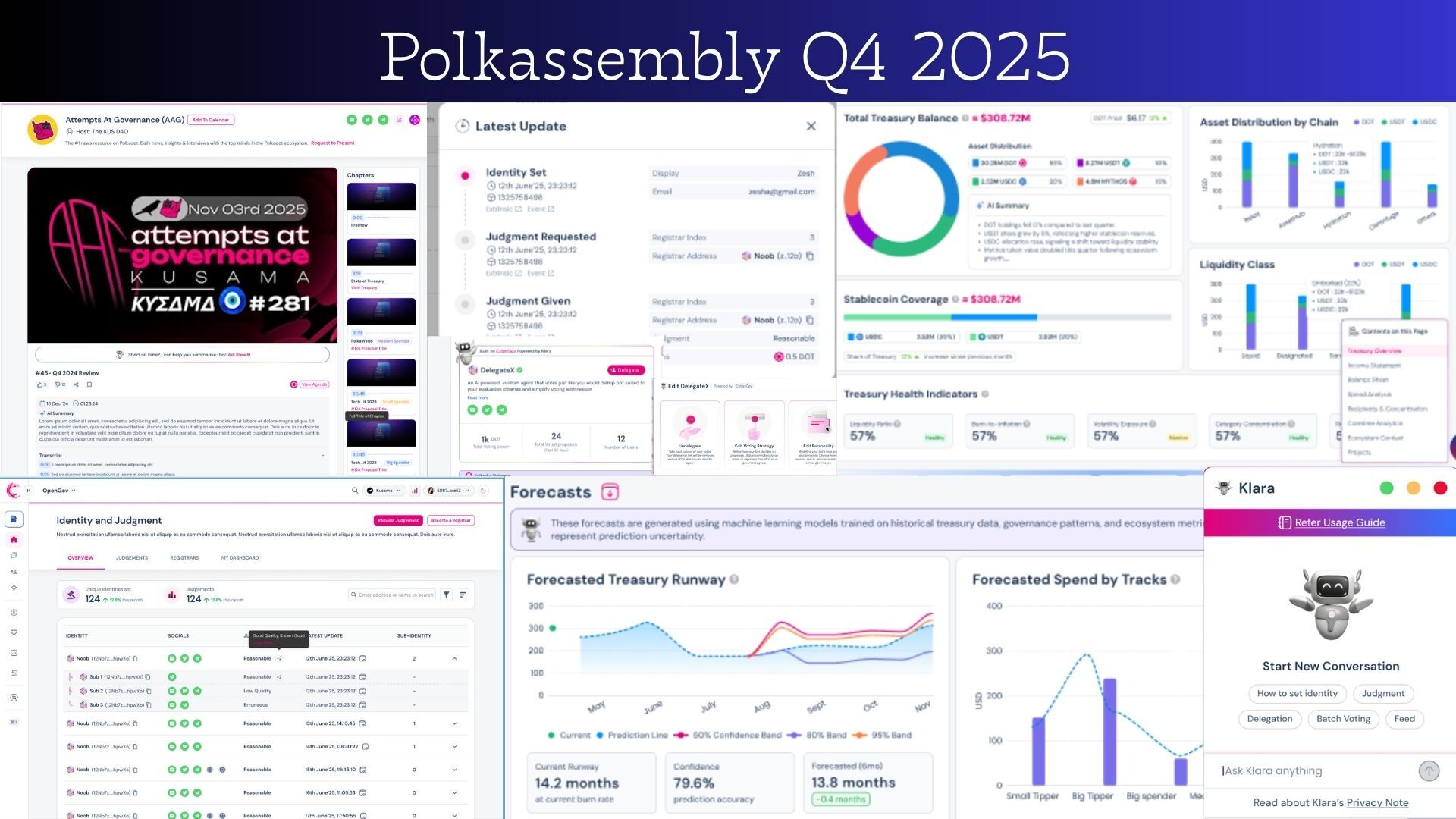
Ensure every transaction is logged in a way that is both on-chain and off-chain verifiable. This dual-layer documentation is essential for satisfying audits from bodies like the US Treasury. Use tools that can map on-chain hashes to off-chain legal records, creating a single source of truth that simplifies compliance reporting and reduces manual reconciliation errors.
Translate raw blockchain data into standardized financial reports. Your analytics workflow should output data in formats acceptable to traditional auditors, such as GAAP or IFRS-compliant statements. This step is crucial for bridging the trust gap, allowing off-chain investors and regulators to understand the health of your tokenized treasury without needing to read smart contracts.
By following these steps, you create a robust framework for transparent treasury analytics. This not only mitigates regulatory risk but also enhances investor confidence in the integrity of your tokenized assets.
No comments yet. Be the first to share your thoughts!