
Transparent Treasury Analytics
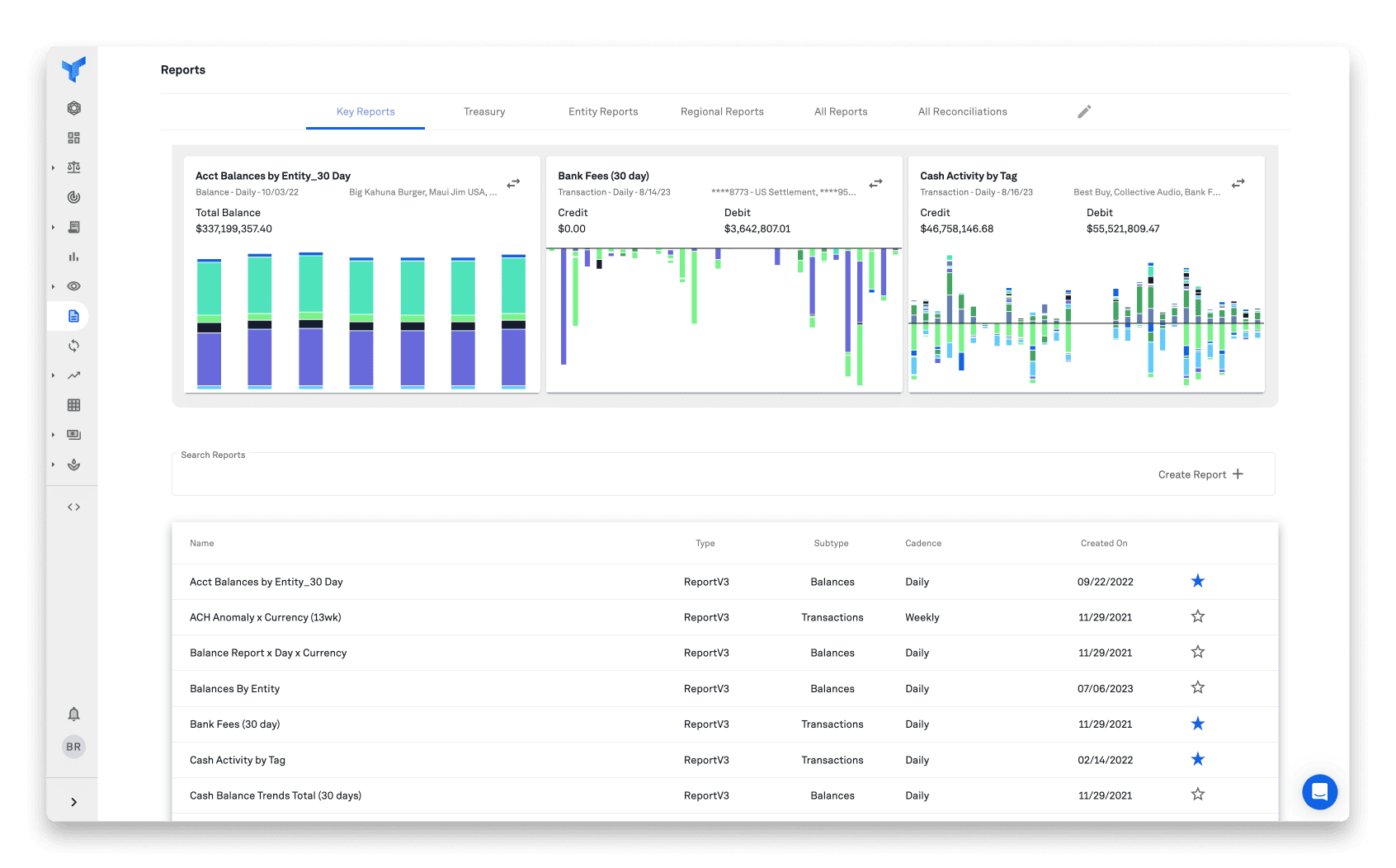
Transparent treasury analytics moves beyond simple balance reporting to reveal the mechanics of onchain credit and tokenized real-world assets (RWA). For treasury managers, this shift means replacing static spreadsheets with live, verifiable data streams that show exactly where capital sits and how it performs.
The core challenge is integration. Traditional treasury tools pull from bank statements and cash flow reports, but tokenized assets require onchain visibility. You need to see the deliverable baskets implied by CME Group analytics alongside the actual token balances held in custody. Without this dual view, you are managing risk blindfolded.
Why Transparency Matters Now
Tokenized RWAs are no longer theoretical. They are settling in real-time on public ledgers. This creates a new class of treasury data that is immutable but complex. A single asset might represent a fraction of a bond, a share in a real estate fund, or a tokenized commodity. Each layer adds complexity to your reporting.
The Data Gap
Most legacy systems cannot ingest onchain data natively. They rely on manual exports or third-party aggregators that may not update frequently enough for high-stakes decisions. This lag creates a gap between what you think you hold and what is actually settled. Transparent analytics bridges this gap by providing a single source of truth.
Key Components of a Transparent Stack
- Onchain Data Feeds: Real-time access to token balances and smart contract states.
- Traditional Treasury APIs: Bank and cash flow data from legacy providers.
- Analytics Engine: A layer that normalizes and correlates both data sources.
- Compliance Layer: Automated reporting for regulatory requirements.
Without these components, your treasury remains fragmented. You might know your cash balance but miss a tokenized bond maturing in the same wallet. Transparency ensures you see the whole picture.
Practical Implementation
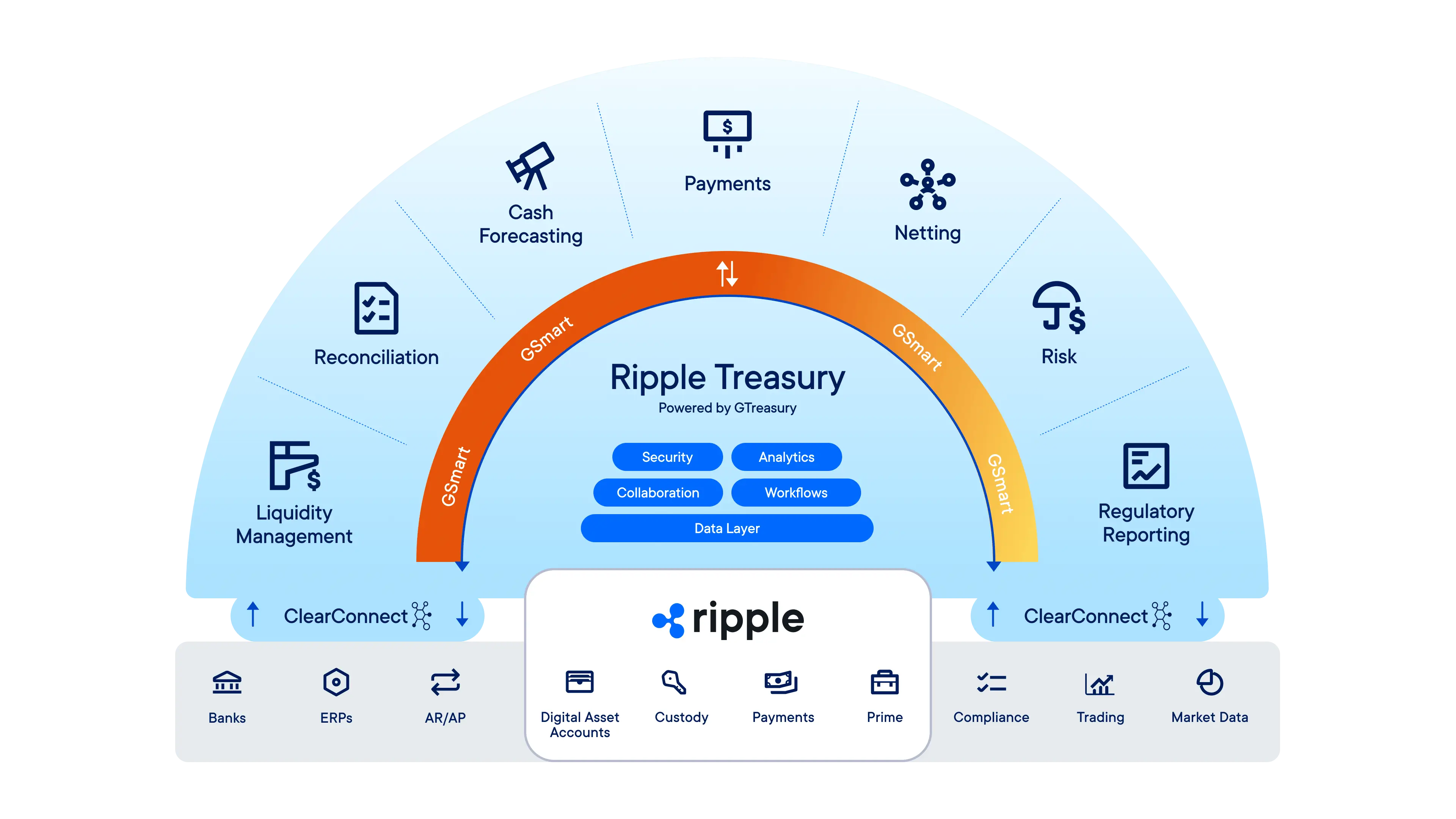
Start by identifying your most complex tokenized assets. Map their onchain behavior to your traditional accounting records. Use tools like Kyriba’s treasury analytics frameworks to structure this data. The goal is not just visibility, but actionable insight. You need to know not just what you hold, but how it moves.
The Bottom Line
Transparent treasury analytics is not a luxury. It is a necessity for managing tokenized RWAs. Without it, you risk operational errors, compliance failures, and missed opportunities. The tools exist. The data is available. The question is whether you are ready to see it all.
Tradeoffs in Transparent Treasury Analytics
Choosing a treasury analytics platform requires balancing visibility against operational friction. The shift toward onchain credit and tokenized real-world assets (RWA) introduces new variables that traditional spreadsheets cannot handle. You must evaluate how each tool manages data latency, security boundaries, and reporting granularity.
Latency and Settlement Speed
Onchain settlement offers near-instant finality, but analytics layers often lag behind the blockchain. Traditional bank reporting may take T+1 or T+2 days, creating blind spots during volatile markets. Platforms that aggregate both onchain and offchain data in real-time reduce this exposure. However, real-time aggregation increases infrastructure costs and complexity. You must decide whether the speed gain justifies the technical overhead. A delayed view of liquidity can lead to poor hedging decisions, while an overly complex system may fail during peak stress.
Data Granularity and Privacy
Transparency is not binary. Full public visibility on a blockchain exposes strategy to front-running or competitive intelligence. Private ledgers or permissioned channels protect strategy but reduce auditability. The best platforms offer tiered visibility: detailed data for internal risk teams, summarized views for auditors, and anonymized aggregates for public reporting. Consider how the tool handles sensitive counterparty data. If the platform cannot mask PII (Personally Identifiable Information) while preserving analytical integrity, it is not suitable for institutional use. The tradeoff lies in how much data you are willing to expose to gain better risk insights.
Integration Complexity
Tokenized RWAs require connecting to multiple data sources: blockchain oracles, custodian APIs, and traditional ERP systems. A platform that requires custom middleware for every new asset class will slow down deployment. Look for pre-built connectors for major tokenization standards (ERC-3643, ERC-1400) and banking protocols (ISO 20022). The more modular the architecture, the easier it is to swap out components as regulations change. However, modularity often comes at the cost of unified reporting. You may need to reconcile data across different dashboards. Evaluate whether the tool provides a single source of truth or forces you to build one.
Cost vs. Compliance Coverage
Advanced analytics tools charge based on transaction volume, data storage, or user seats. As your treasury grows, costs can scale unpredictably. Simpler tools may offer flat fees but lack the depth needed for regulatory reporting (e.g., SEC Rule 17a-4, MiCA). Ensure the platform supports automated audit trails and immutable logging. The cost of non-compliance far outweighs the subscription fee. Compare the total cost of ownership, including implementation and training, against the risk of manual errors. A cheaper tool that fails to capture onchain nuances may cost more in the long run through remediation and lost opportunities.
| Tradeoff Factor | Onchain-First | Hybrid Approach | Traditional |
|---|---|---|---|
| Settlement Speed | Near-instant | Real-time sync | T+1 to T+2 |
| Data Privacy | Public by default | Permissioned layers | Internal only |
| Integration Effort | High (custom oracles) | Medium (pre-built connectors) | Low (APIs) |
| Compliance Automation | Limited/Nascent | Robust | Standard |
| Cost Scalability | Variable (gas/data) | Predictable | Fixed |
Choose the right treasury analytics path
Deciding between onchain credit monitoring and tokenized RWA infrastructure depends on whether your priority is real-time liquidity visibility or asset issuance capability. Treasury analytics for tokenized real-world assets (RWA) requires a different evaluation framework than traditional cash flow reporting.
Use this checklist to select the appropriate infrastructure:
Traditional treasury tools like those from Kyriba aggregate cash positions across bank statements. Onchain analytics requires tracking specific token balances and smart contract interactions. If your treasury operates primarily in fiat, start with centralized bank data aggregation before layering onchain visibility.
Tokenized RWAs offer near-instant settlement compared to traditional T+2 cycles. If your strategy relies on moving capital quickly across borders or between entities, onchain infrastructure reduces friction. However, this requires managing private keys and wallet security protocols that centralized systems do not demand.
Onchain data is public by default. Tokenized RWA projects must implement privacy layers or permissioned ledgers to meet KYC/AML standards. Traditional analytics tools already integrate with compliance reporting for fiat transactions. Choose infrastructure that aligns with your current regulatory reporting obligations.
The choice ultimately rests on your operational tempo. Treasury analytics for tokenized assets is not just a tech upgrade; it is a structural shift in how value moves and is verified.
Watch out for these common mistakes
Treasury analytics platforms often oversimplify the complexity of onchain credit and tokenized real-world assets. When monitoring infrastructure, you must look past marketing claims to verify the underlying data integrity and reporting accuracy.
Ignoring the deliverable basket composition Many tools display generic yield metrics without breaking down the specific securities in the deliverable basket. This omission hides concentration risks and liquidity constraints within the underlying treasury products. Verify that the platform explicitly lists the constituent securities and their relative weights.
Relying on aggregated cash flow statements Treasury data analytics require granular visibility into individual bank statements and transaction-level cash flows. Aggregated reports smooth out anomalies, making it difficult to spot fraudulent activity or operational bottlenecks. Demand access to raw, transaction-level data rather than high-level summaries.
Overlooking offchain-to-onchain reconciliation Tokenized RWA infrastructure depends on accurate bridging between traditional finance systems and blockchain ledgers. If a platform does not provide clear audit trails for every token mint or burn event, the data is unreliable. Ensure the system maintains a immutable record of all offchain asset transfers.
Transparent treasury analytics: what to check next
Before committing to onchain credit or tokenized RWA infrastructure, it helps to separate the marketing language from the actual mechanics of data visibility and risk.
No comments yet. Be the first to share your thoughts!