Get transparent treasury analytics right
Before building a dashboard for real-world asset tokenization or onchain credit, establish a baseline of traditional treasury visibility. Transparent treasury analytics correlates onchain balances with offchain liquidity and regulatory requirements. Skipping foundational checks leaves risk models blind to the actual cost of capital.
Define your primary keyword cluster: the specific instruments you are tokenizing. Are you tracking US Treasuries, private credit, or real estate? Your analytics stack must mirror this specificity. For Treasury products, understand the mechanics driving futures pricing, particularly the concept of the Cheapest to Deliver (CTD). The CTD is the cash security with the lowest cash flow cost for delivery, determined by accrued interest and maturity differences. Ignoring this variable when tokenizing Treasury-backed assets leads to significant valuation errors.
Audit your data sources. Relying on internal spreadsheets is insufficient for high-stakes environments. Use official sources like CME Group’s QuikStrike or primary regulatory filings to validate implied yields and conversion factors. This external validation ensures onchain credit risk assessments are grounded in market reality, not just internal assumptions.
Identify key performance indicators (KPIs) before writing code. Common treasury KPIs include cash visibility percentage, forecast error rates, and funding buffer levels. These metrics provide the "truth" against which your tokenization analytics are measured. Without them, you are building a mirror that reflects nothing but noise.
Work through the steps
Monitoring the intersection of traditional treasury instruments—like Treasury futures—and their onchain representations requires moving beyond simple balance checks. This process ensures that tokenized assets backing positions remain solvent and that underlying credit risk is accurately priced.
Follow this sequence to build a reliable monitoring framework.

Start by identifying the Cheapest to Deliver (CTD) security. In Treasury futures, the CTD is the bond with the lowest cash flow cost to deliver, calculated as the current bond price minus the settlement price multiplied by the conversion factor. If you are tracking tokenized versions of these futures, failing to identify the CTD means your onchain risk models will be mispriced. Use official sources like CME Group’s QuikStrike tools to verify the current deliverable basket and implied yields. This is the foundation of any accurate treasury analytics workflow.
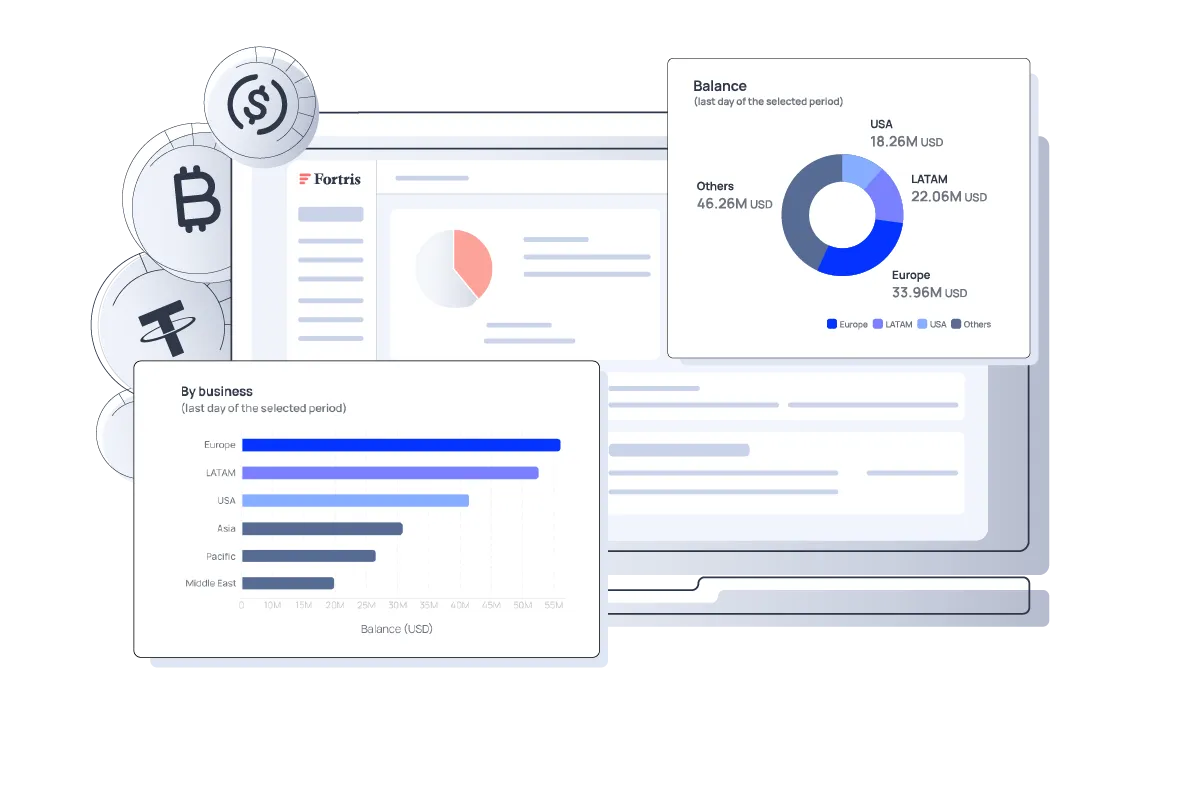
Tokenized assets rely on oracles to bridge offchain Treasury data with onchain smart contracts. Check the latency between the official settlement price and the oracle update. High latency creates a window for arbitrage and mispricing, which can expose your portfolio to sudden credit risk spikes. Ensure your analytics dashboard flags any deviation between the onchain price and the CME settlement price. If the deviation exceeds a set threshold, pause trading or hedging activities until the oracle syncs.
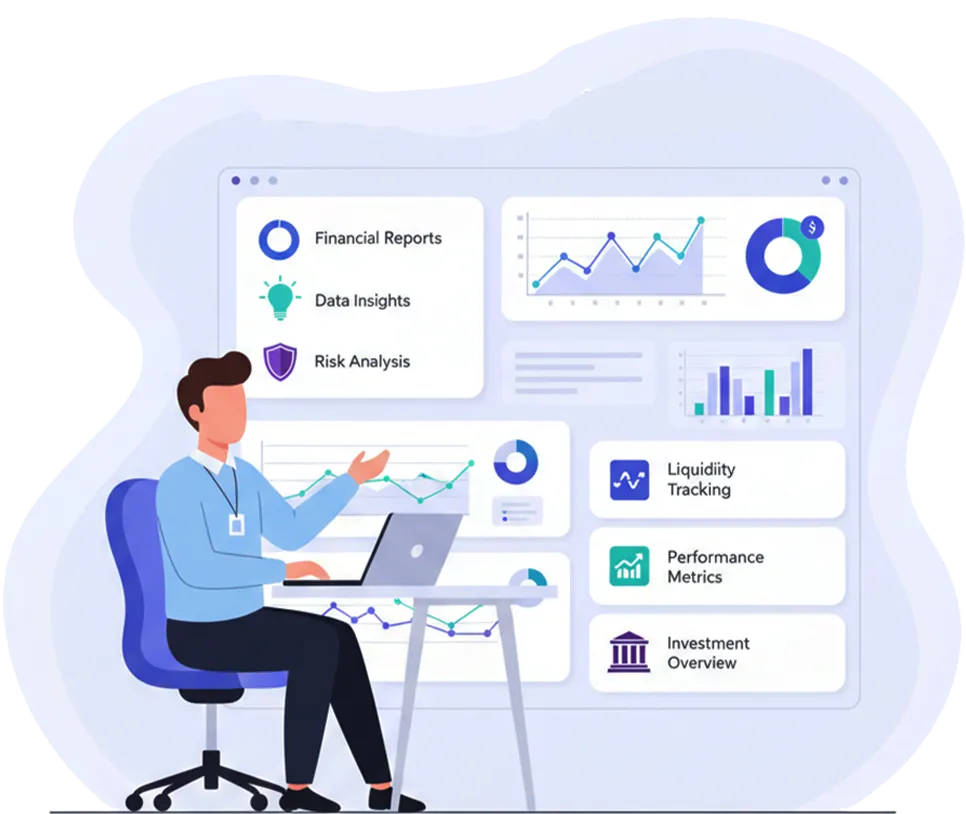
Move beyond simple price tracking. Monitor specific Key Performance Indicators (KPIs) that signal treasury health. These include cash visibility percentage, the percentage of payments succeeding on the first attempt, and forecast error rates by business unit. For tokenized assets, add onchain metrics like the ratio of tokenized supply to underlying collateral. These KPIs provide a clearer picture of operational risk than price alone. Use these metrics to adjust your hedging ratios dynamically.
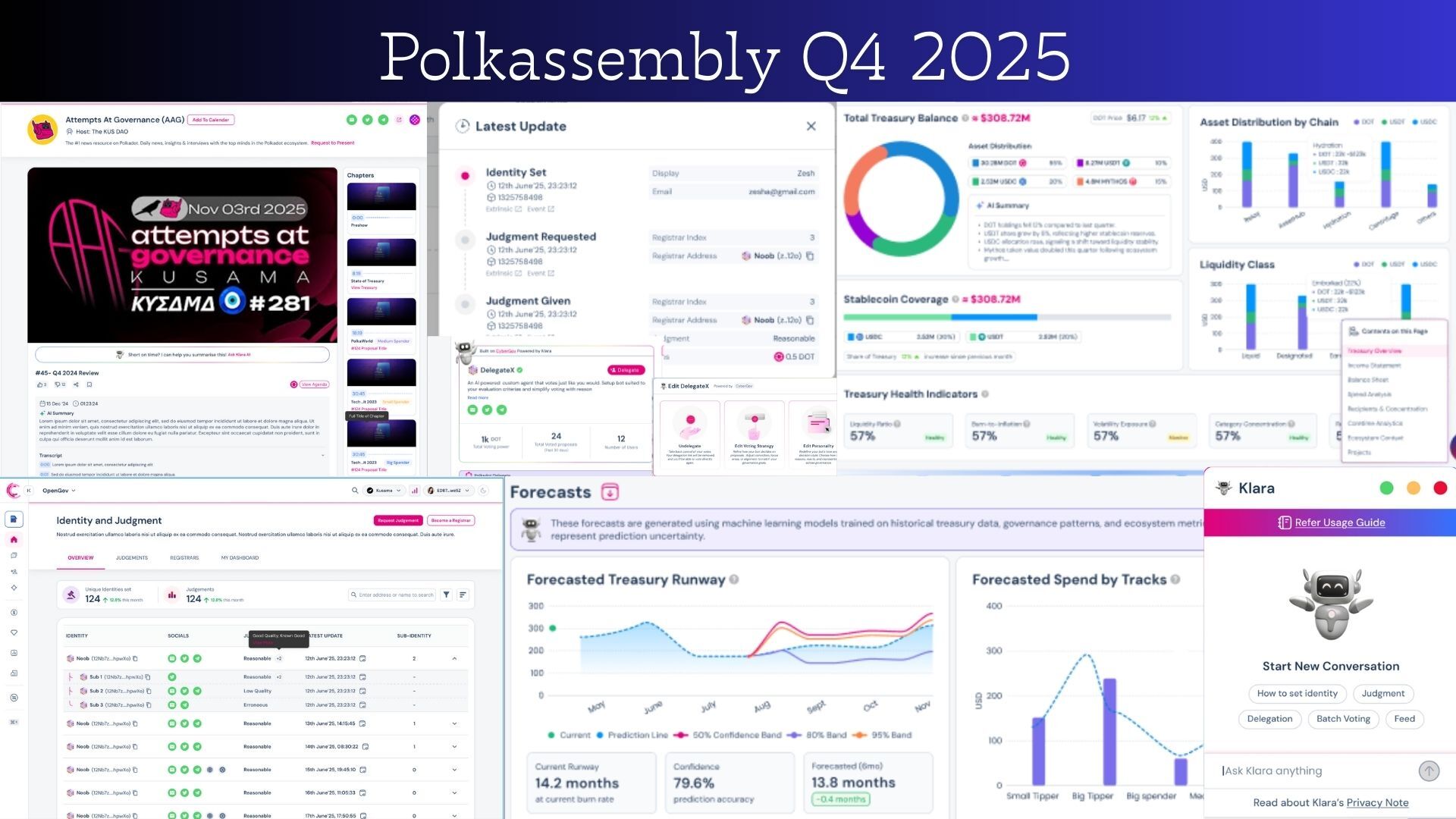
Tokenization introduces new regulatory layers. Ensure your analytics platform automates regulatory adjustments for trade-related transactions. This includes verifying that the tokenized asset complies with current securities laws and that all documentation is properly stored on-chain or in a linked immutable ledger. Failure to automate these checks can lead to compliance breaches, especially when dealing with cross-border Treasury products. Regularly audit these automated logs to ensure no manual overrides have introduced risk.
After completing these steps, you will have a robust framework for monitoring real-world asset tokenization. This approach minimizes credit risk exposure by ensuring that onchain prices accurately reflect offchain Treasury realities.
Common mistakes in treasury analytics
Treasury analytics tools provide the data, but misinterpreting that data leads to costly errors. When tracking real-world asset tokenization and onchain credit risks, teams often confuse raw yield metrics with actual delivery costs. This section outlines the specific errors that undermine accuracy and how to correct them.
Ignoring the Cheapest to Deliver (CTD) dynamic
A frequent error is treating all deliverable securities in a futures basket as equal. The Cheapest to Deliver (CTD) is the specific bond with the lowest cash flow cost to the seller, determined by the formula: Current Bond Price minus Settlement Price multiplied by the Conversion Factor. Assuming uniform delivery costs ignores the volatility inherent in conversion factors. If your analytics dashboard does not dynamically recalculate CTD based on real-time yield curves, your hedging strategy will be mispriced. Always verify that your tool updates CTD status as yields shift, rather than relying on static historical data.
Overlooking accrued interest in tokenized settlements
When tokenizing treasury assets, teams often focus on the principal value while neglecting accrued interest. This omission creates a gap between the onchain balance and the actual cash flow obligation. Unlike traditional off-chain settlements where interest accrues continuously, blockchain transactions may settle at discrete intervals, creating reconciliation mismatches. Ensure your analytics platform accounts for the exact day-count convention used by the underlying asset. Failing to isolate accrued interest leads to incorrect P&L attribution and potential compliance flags during regulatory audits.
Treating forecast error as a black box
Many finance leaders rely on aggregate forecast error percentages without drilling down by business unit. A 5% overall error rate might hide a 40% error rate in a specific subsidiary or currency pair. This lack of granularity prevents targeted intervention. Use treasury KPIs like "Percentage forecast error by business unit" to identify weak links in your cash visibility. If your analytics tool only provides a top-level view, you are flying blind. Demand breakdowns that allow you to trace variance to its source, whether it is a timing mismatch or a structural funding gap.
Transparent treasury analytics: what to check next
Treasury analytics tools help finance teams monitor cash flow, manage risk, and ensure regulatory compliance. When tracking real-world asset tokenization, these systems provide the visibility needed to assess onchain credit risks before they impact the balance sheet. Understanding the core mechanics of these tools is essential for accurate forecasting.
No comments yet. Be the first to share your thoughts!