Transparent treasury analytics strategy limits to account for
Tokenized real-world assets change how treasuries operate. Liquidity moves faster, and settlement happens on-chain. This speed creates a transparency requirement that legacy tools cannot meet. A strategy constraint is not a suggestion; it is a structural necessity to prevent operational failure.
Without a defined constraint, tokenized flows become opaque. You cannot reconcile on-chain activity with off-chain general ledgers in real time. The constraint forces your analytics infrastructure to prioritize visibility over speed. It ensures every token movement is traceable, auditable, and compliant before it settles.
Start by defining the single source of truth for your treasury data. This means integrating on-chain explorers with your core banking APIs. The goal is to eliminate manual reconciliation. When your analytics platform automatically flags discrepancies between token supply and bank balances, you reduce risk. This constraint turns transparency from a buzzword into an operational baseline.
Transparent treasury analytics strategy choices that change the plan
Building a tokenized asset treasury requires choosing an analytics layer that matches your operational reality. The gap between traditional cash management and on-chain liquidity is widening. You must evaluate which metrics matter most for your specific portfolio structure.
The primary decision involves balancing real-time visibility against regulatory compliance and data integrity. Each approach carries distinct implications for reporting accuracy and operational speed. The following factors define the core tradeoffs.
Data granularity and frequency
Real-time transaction tracking provides immediate visibility into cash flows but increases computational load. Batch processing reduces costs but introduces latency that can obscure short-term liquidity risks. For these assets, settlement finality often dictates the necessary update frequency.
Regulatory reporting alignment
Tokenized assets require analytics that map directly to existing financial reporting standards. Some platforms offer native integration with GAAP or IFRS frameworks, while others require custom data mapping. Misalignment here creates audit risks that outweigh the benefits of speed.
Liquidity forecasting accuracy
Predictive models for tokenized treasuries must account for blockchain network congestion and smart contract execution times. Traditional forecasting models often fail to capture these on-chain variables. Choose systems that incorporate network-specific latency into their projections.
Integration complexity
Legacy treasury systems often struggle to ingest on-chain data streams without middleware. The cost of building and maintaining these bridges can erode the efficiency gains of tokenization. Prioritize platforms with established API connectors to your existing ERP or TMS.
| Factor | Real-Time | Batch Processing |
|---|---|---|
| Data Latency | Minimal (seconds) | Hours to days |
| Computational Cost | High | Low |
| Regulatory Fit | Requires custom mapping | Native standard support |
| Liquidity Risk | Low visibility lag | High visibility lag |
| Integration Effort | Complex middleware needed | Standard API connectors |
Build a Transparent Treasury Analytics Decision Framework
Tokenized assets require a shift from static reporting to continuous, programmatic verification. As a Treasury manager, you need a decision framework that validates asset authenticity, monitors liquidity in real time, and ensures regulatory compliance without manual reconciliation.
Use this five-step framework to structure your infrastructure and strategy.
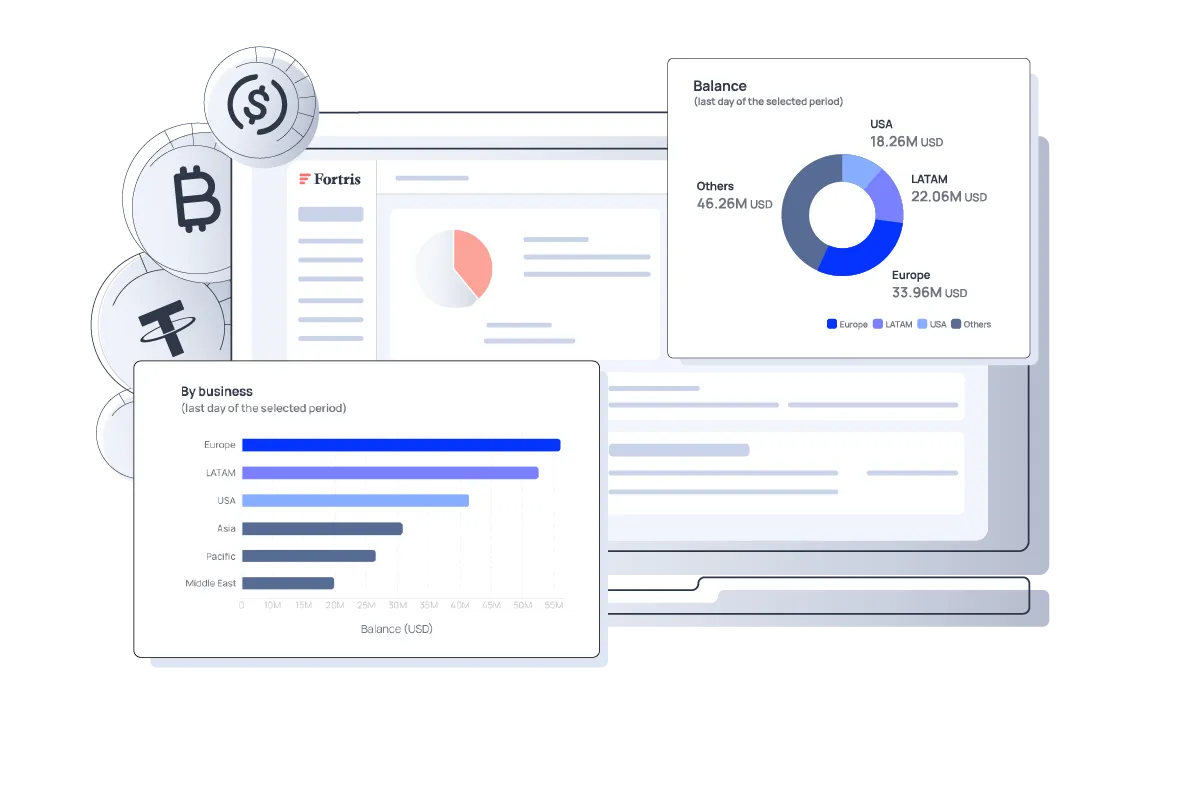
Start by identifying the primary data sources for your tokenized portfolio. This includes on-chain smart contract states, oracle feeds for price discovery, and off-chain custodial records. Ensure these layers are synchronized so that the digital token always reflects the underlying legal ownership. Without this foundation, analytics will only show noise rather than truth.
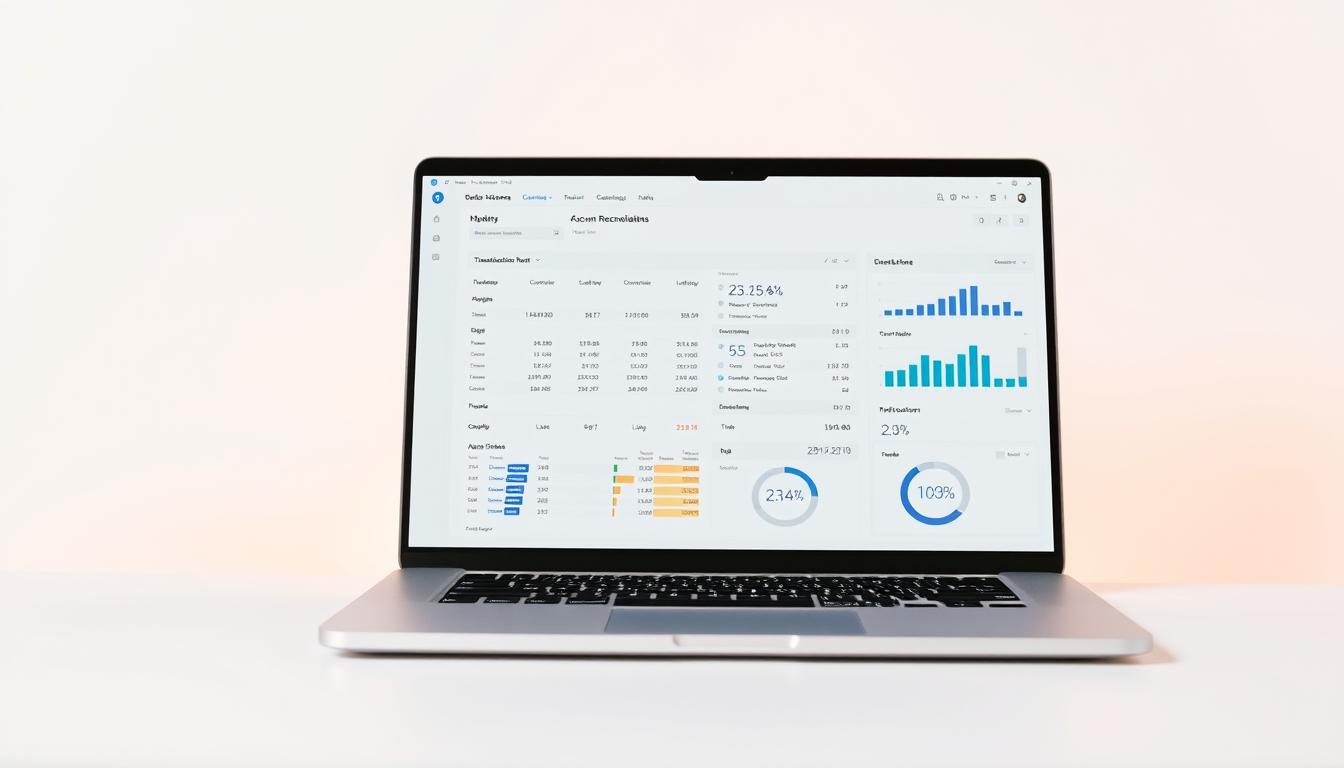
Choose protocols that automate the proof of reserves. Look for systems that can generate real-time attestations of asset backing. This step is critical for tokenized assets, where the value depends on the legal enforceability of the underlying claim, not just market price. Automation reduces the risk of human error in reporting.
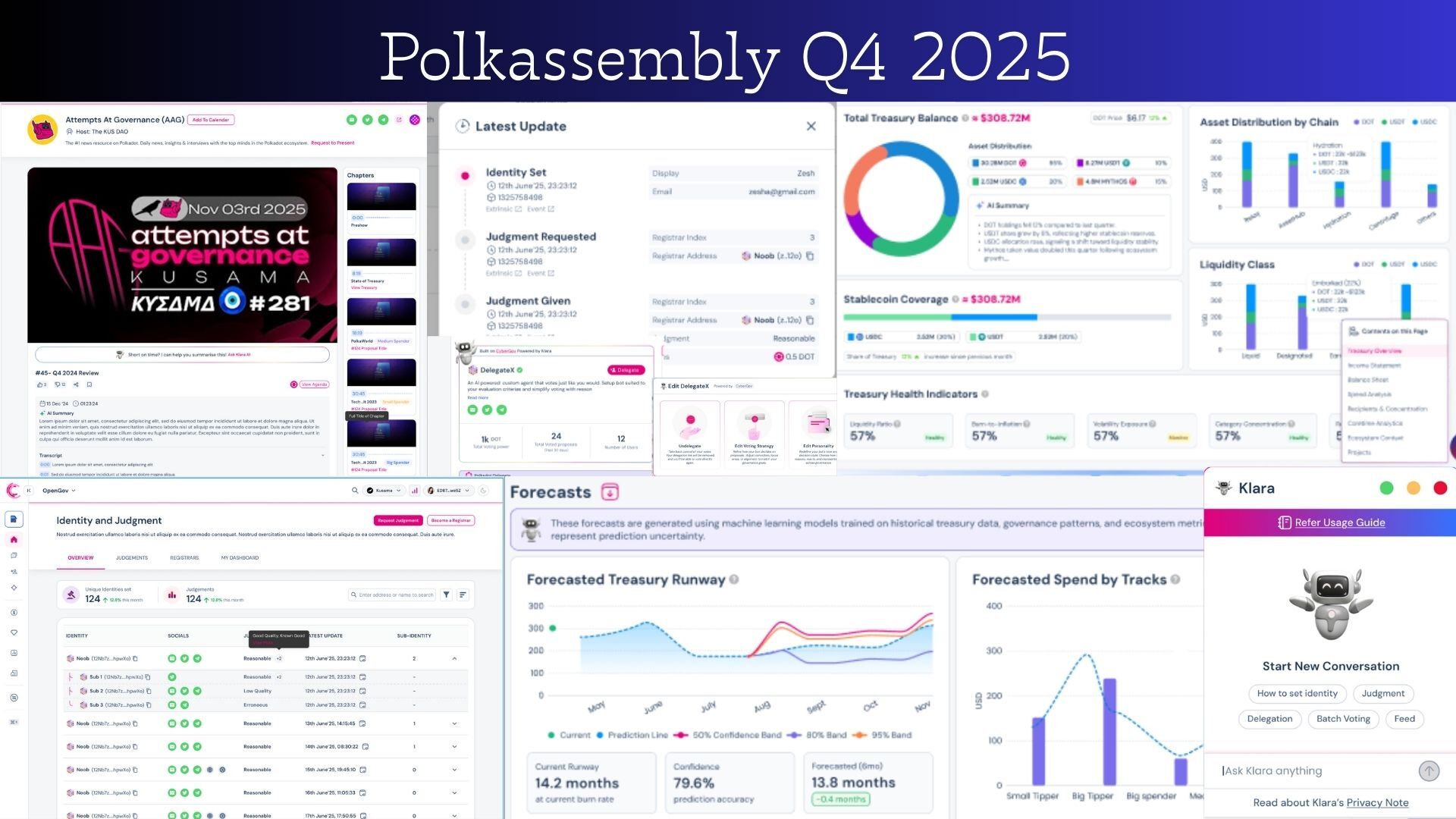
Embed risk indicators directly into your dashboard. Track liquidity depth, smart contract exposure, and counterparty concentration. For tokenized treasuries, liquidity is often fragmented across multiple chains or protocols. Your analytics must surface these fragmentation risks before they impact your ability to rebalance or exit positions.
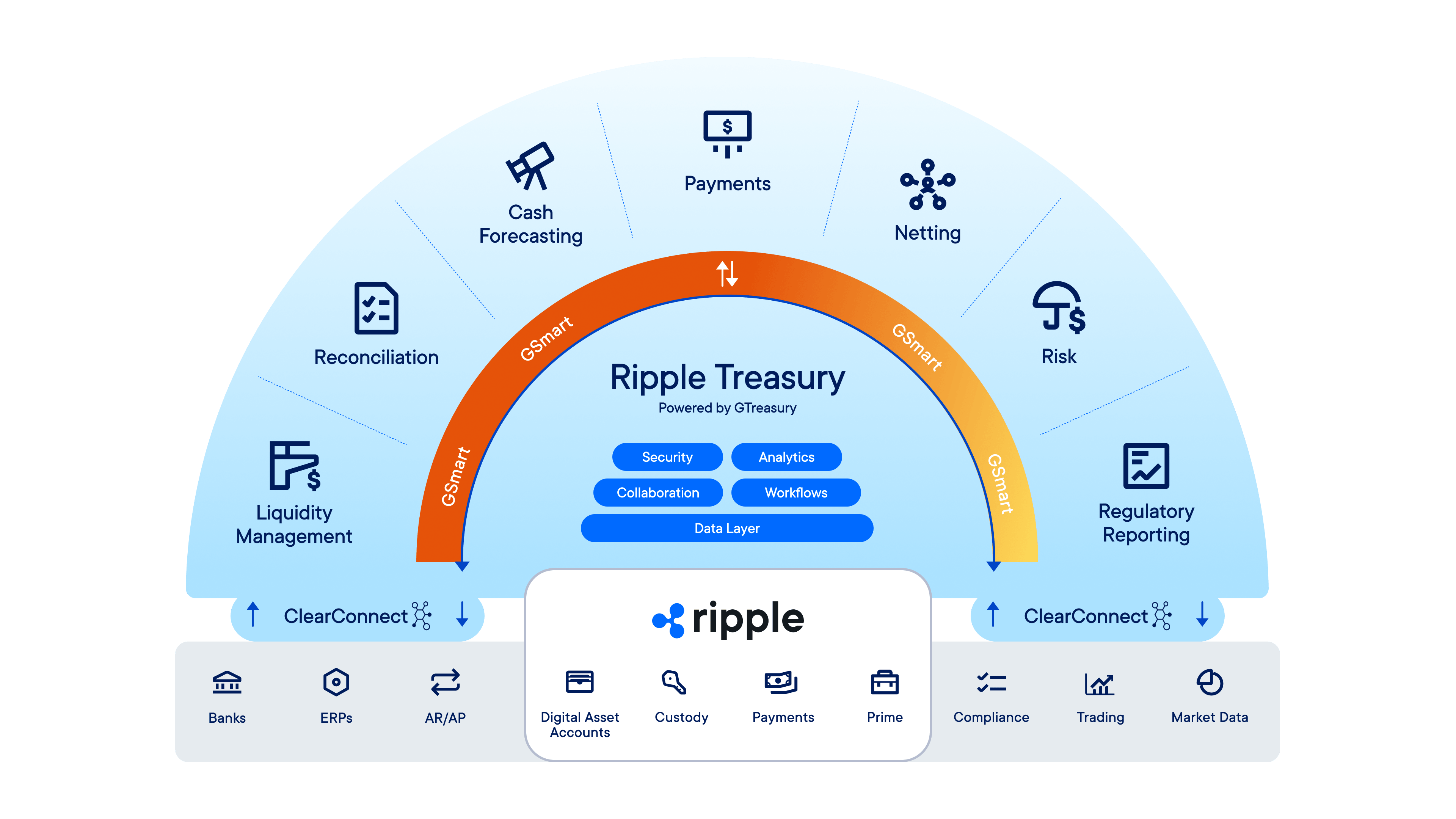
Replace manual audit trails with programmable compliance checks. Your framework should automatically flag transactions that violate jurisdictional rules or internal policy limits. This is especially important for tokenized assets that may cross borders, ensuring that every transfer is vetted against the latest regulatory requirements.
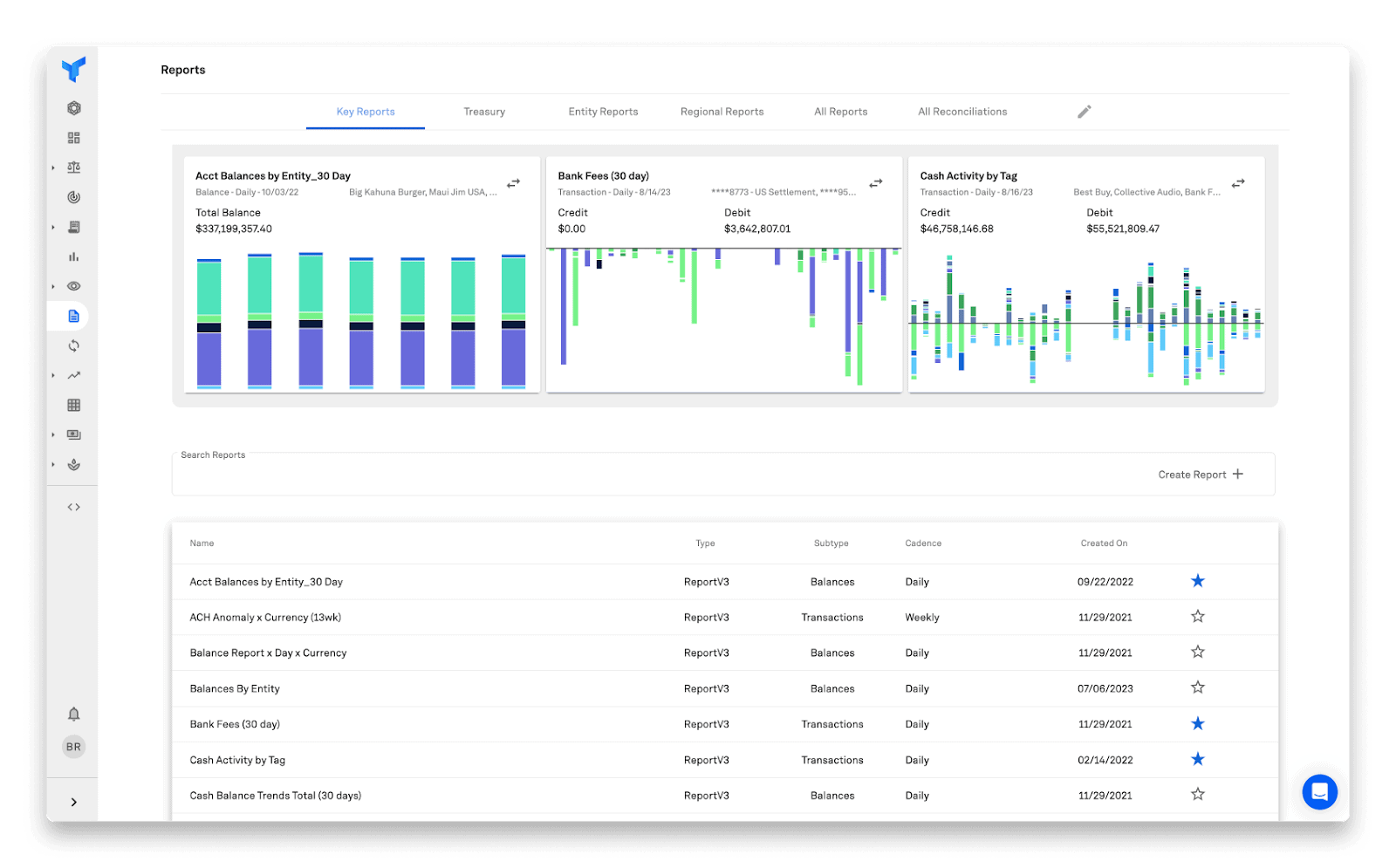
Finally, create a mechanism for continuous improvement. Use the data collected to refine your forecasting models and risk parameters. Regular reviews of your analytics performance will help you adapt to changes in the market, such as new token standards or shifts in regulatory focus.
Building this framework is not just about technology; it is about creating a culture of transparency. By following these steps, you ensure that your tokenized treasury is not only efficient but also trustworthy to stakeholders and regulators alike.
Pitfalls in Tokenized Treasury Analytics
Treasury teams adopting tokenized assets often stumble on three specific infrastructure and strategy errors. These missteps delay deployment and expose portfolios to unnecessary risk.
Ignoring Oracle Latency
Tokenized assets rely on oracles to bridge off-chain treasury data with on-chain smart contracts. Many teams assume standard price feeds suffice, but treasury analytics require granular, real-time balance verification. If the oracle update frequency lags behind settlement cycles, your portfolio valuation becomes stale. This latency creates a mismatch between reported net asset value and actual liquidity, leading to failed automated rebalancing or incorrect compliance reporting. Verify that your oracle infrastructure supports sub-minute updates for high-volume asset streams.
Overlooking Regulatory Data Silos
Tokenization does not automatically solve data fragmentation. A common mistake is treating the blockchain ledger as the single source of truth while ignoring off-chain regulatory reporting requirements. Treasury analytics must correlate on-chain transaction hashes with off-chain KYC/AML records and tax reporting data. If these systems remain siloed, you create reconciliation bottlenecks during audits. Ensure your analytics layer can ingest and cross-reference both on-chain events and traditional treasury ERP data in real time.
Underestimating Smart Contract Upgrade Risks
Treasury strategies evolve, but immutable smart contracts do not. Teams often deploy initial token contracts without a clear upgrade path or governance mechanism for future regulatory changes. This rigidity forces costly migrations or forks when compliance rules shift. Implement a modular contract architecture with clear upgrade protocols from day one. This allows your treasury analytics to adapt to new standards without disrupting the underlying asset settlement layer.
Transparent treasury analytics strategy: what to check next
Implementing transparent treasury analytics for tokenized assets requires addressing specific operational, regulatory, and technical hurdles. Below are the most common practical questions finance leaders face when moving from traditional ledger systems to on-chain visibility.
Transitioning to this model demands a shift in mindset from retrospective reporting to proactive, data-driven decision-making. The goal is not just visibility, but the ability to act on treasury data in real time to optimize liquidity and manage risk effectively.
No comments yet. Be the first to share your thoughts!