
What transparent treasury analytics means in 2026
For decades, corporate treasuries operated behind closed doors. Financial health was measured in quarterly reports, with liquidity positions and asset allocations visible only after the fact. In 2026, that era is ending. Transparent treasury analytics is not just a technological upgrade; it is a structural shift toward real-time, onchain visibility for tokenized assets and traditional cash equivalents alike.
This model replaces retrospective accounting with live settlement data. By anchoring treasury operations to onchain ledgers, organizations can now track liquidity, risk exposure, and asset composition as they happen. The result is a treasury that functions less like a back-office function and more like a dynamic, responsive engine.
The value proposition is straightforward: visibility reduces risk. When treasury data is transparent and accessible via onchain infrastructure, compliance becomes automated, and strategic decisions are based on current realities rather than lagging indicators. For legal and regulatory audiences, this shift offers a clear audit trail, transforming how corporate resilience is built and verified.
Core infrastructure for tracking tokenized RWAs
Building a transparent treasury analytics system for tokenized real-world assets (RWAs) requires more than just on-chain visibility. You need a technical stack that bridges the gap between blockchain ledgers and off-chain financial reality. This infrastructure ensures that the digital token accurately reflects the underlying asset, whether it’s a US Treasury bill, a corporate bond, or real estate equity.
The foundation rests on three layers: oracle feeds for price discovery, ledger verification for ownership, and custody solutions for asset security. Without this triad, tokenized RWAs remain speculative derivatives rather than regulated financial instruments. For treasury teams, the goal is to replicate the rigor of traditional finance within a decentralized environment.
Oracle feeds and price verification
Price feeds are the lifeblood of RWA analytics. Oracle networks like Chainlink or official exchange feeds (e.g., CME Group’s Treasury Analytics) provide the off-chain data that on-chain smart contracts rely on. These feeds must be robust enough to handle the unique settlement cycles of traditional assets.
For example, Treasury futures require tracking the "Cheapest to Deliver" (CTD) bond, which changes based on yield curves and conversion factors. Oracle feeds must update these metrics in near real-time to prevent arbitrage opportunities and ensure accurate collateral valuation. If the oracle lags, the on-chain value of your tokenized asset drifts from its real-world counterpart.
Ledger verification and reconciliation
Once the price is established, the ledger must verify ownership. This involves linking on-chain token balances to off-chain custodial records. Regular reconciliation is not optional; it is a regulatory requirement for any transparent treasury system.
Tools like Coupa’s treasury management software illustrate how automated reconciliation works in traditional finance. The same logic applies to RWAs: every mint, burn, or transfer on the blockchain must match a corresponding entry in the off-chain general ledger. This creates an audit trail that regulators can follow, ensuring that the token supply never exceeds the underlying asset held in custody.
Custody solutions and asset segregation
The final layer is custody. Tokenized RWAs are only as trustworthy as the entity holding the underlying asset. Institutional-grade custody solutions provide multi-signature wallets and segregated accounts, ensuring that assets are not commingled or misused.
For legal and regulatory compliance, custody providers must offer proof of reserves and regular attestation reports. This transparency allows treasury analytics platforms to display not just the token’s value, but its actual backing. Without verified custody, the token is just a digital IOU with no real-world anchor.
Onchain credit tracking and risk models
Transparent Treasury Analytics works best as a clear sequence: define the constraint, compare the realistic options, test the tradeoff, and choose the path with the fewest hidden costs. That order keeps the advice usable instead of decorative. After each step, pause long enough to check whether the recommendation still fits the reader's actual situation. If it depends on perfect timing, unusual access, or a best-case budget, include a simpler fallback.
| Factor | What to check | Why it matters |
|---|---|---|
| Fit | Match the option to the primary use case. | A good deal still fails if it does not fit the job. |
| Condition | Verify age, wear, and service history. | Hidden condition issues erase upfront savings. |
| Cost | Compare purchase price with likely upkeep. | The cheapest option is not always the lowest-cost option. |
Regulatory compliance and data transparency
The regulatory landscape for corporate transparency is tightening, with 2026 marking a significant shift in how transparent treasury analytics must operate. Finance leaders can no longer rely on siloed data; they need systems that automate regulatory adjustments and ensure proper documentation of every transaction. This shift is not just about avoiding penalties—it is about building trust through verifiable, onchain-ready data trails.
Treasury analytics now serve as a critical bridge between traditional finance and new regulatory expectations. By automating the collection and processing of data from bank statements, cash flow reports, and market sources, organizations can maintain compliance in real time. This automation reduces the risk of human error and ensures that audit trails are complete and accurate, which is essential for meeting the stricter standards expected in 2026.
The U.S. Department of the Treasury has emphasized data transparency as a cornerstone of modern financial policy. Their methodologies for determining eligibility for programs like Opportunity Zones highlight the need for precise, auditable data. As regulations evolve, the ability to provide clear, transparent insights into treasury operations will become a competitive advantage, allowing organizations to demonstrate compliance and integrity to stakeholders and regulators alike.
How to Choose a Transparent Treasury Analytics Provider
Selecting a vendor for your Transparent Treasury Analytics requires a rigorous audit of three pillars: data integrity, regulatory alignment, and technical integration. Because treasury data often feeds directly into compliance reports and risk models, the margin for error is slim. You need a system that treats data accuracy as a non-negotiable baseline, not an afterthought.
Start by tracing the origin of every data point. Does the provider pull directly from bank APIs and onchain ledgers, or do they rely on third-party aggregators? Direct connectivity reduces latency and the risk of transcription errors. For Transparent Treasury Analytics, you need to see the raw source, not just the polished output.
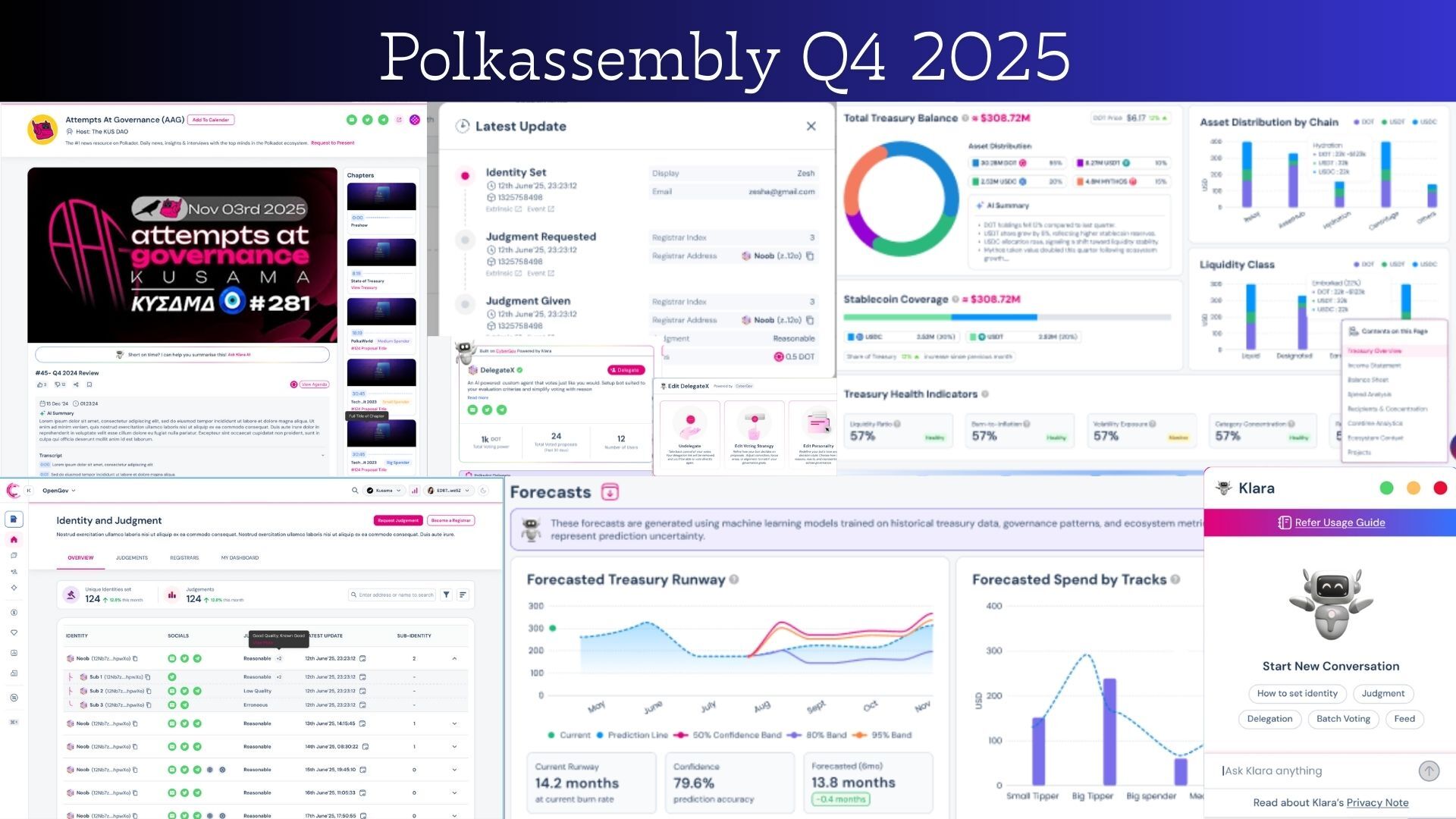
Ensure the platform’s reporting structures match your jurisdiction’s requirements. Whether you are dealing with SEC filings, GDPR data privacy, or local tax codes, the software must allow for customizable audit trails. A provider that forces you to export data into external spreadsheets for compliance introduces unnecessary security risks.
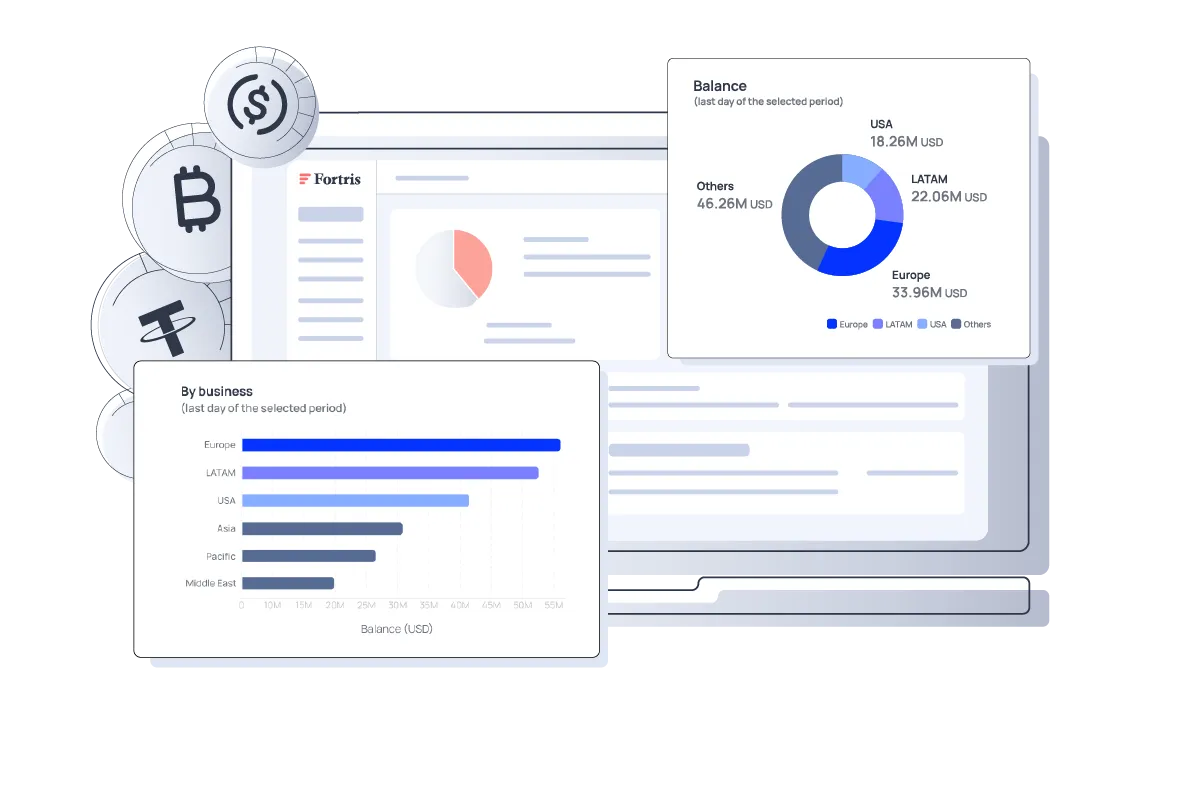
Evaluate how the tool fits into your existing stack. Does it offer robust APIs for your ERP or blockchain nodes? Seamless integration means less manual reconciliation. If the vendor requires significant engineering effort to connect, the long-term operational cost will outweigh the initial subscription savings.
Frequently asked questions about treasury analytics
What is treasury analytics?
Treasury analytics involves collecting, processing, and analyzing data from multiple sources, including bank statements, cash flow statements, financial reports, and market data. These tools help treasurers identify patterns, trends, and outliers to predict future cash flows and market conditions. In the context of a Transparent Treasury Analytics guide, this means leveraging onchain data to provide real-time visibility rather than relying on delayed, siloed reports.
What is the cheapest to deliver (CTD)?
"Cheapest to Deliver" (CTD) refers to the least expensive security deliverable on a futures contract's long position. CTD is commonly associated with Treasury bond futures, allowing delivery flexibility based on maturity and coupon rates. The formula for CTD is Current Bond Price - Settlement Price x Conversion Factor. Understanding CTD dynamics is essential for accurate risk assessment in fixed-income portfolios.
What are the best practices for treasury systems?
Best practices include achieving comprehensive cash visibility through hybrid bank connectivity, optimizing liquidity via automated cash pooling and FX risk management, and enhancing forecast accuracy through data-driven automation. Additionally, closing the books faster by automating general ledger reconciliation ensures that financial reporting remains accurate and timely. These steps reduce manual errors and provide a clearer view of an organization's financial health.
How does onchain data improve treasury transparency?
Onchain data provides an immutable, real-time record of transactions, eliminating the need for manual reconciliation. By integrating onchain analytics, treasuries can verify asset ownership and transaction history instantly. This transparency reduces counterparty risk and enhances regulatory compliance, as all movements are visible and auditable without relying on third-party confirmations.
No comments yet. Be the first to share your thoughts!