How to Analyze Transparent Treasury Analytics
Transparent treasury analytics analysis requires moving beyond simple cash balance tracking to examine the underlying data quality and liquidity mechanics. For organizations managing real-world asset (RWA) tokenization or onchain credit positions, the integrity of treasury data determines whether digital claims match actual off-chain reserves.
This analysis focuses on three practical steps: verifying data sources, assessing liquidity constraints, and monitoring onchain settlement risks.
1. Verify Data Source Integrity
Start by auditing the provenance of every data point feeding your treasury dashboard. Official sources, such as the U.S. Department of Treasury’s data transparency portals, provide verified benchmarks for sovereign debt and tax credit eligibility [src-serp-1]. For private entities, rely on direct bank feeds and audited cash flow statements rather than third-party aggregators that may introduce latency or errors [src-serp-2].
2. Assess Liquidity and RWA Alignment
Tokenized assets often appear liquid on-chain but may face settlement delays or regulatory holds off-chain. Compare the tokenized supply against verified reserve reports. If a treasury holds $100M in tokenized commercial paper, ensure the underlying credit risk is transparent and the issuer’s liquidity buffer can cover redemptions during market stress.
3. Monitor Onchain Credit Risks
Track smart contract exposures and oracle reliability. A sudden drop in collateral value or a failed price feed can trigger liquidations even if the underlying asset remains sound. Set up alerts for onchain metrics that deviate from off-chain fundamentals.
Common Mistakes to Avoid
- Ignoring settlement latency: Assuming onchain balances reflect immediate cash availability.
- Over-relying on aggregated data: Using third-party dashboards without verifying the source bank feeds.
- Neglecting regulatory changes: Tokenized RWA rules evolve quickly; outdated compliance checks can invalidate treasury models.
Proof Checks
Before finalizing your treasury report, cross-reference onchain token supply with audited reserve certificates. Ensure all credit exposures are mapped to their underlying legal entities and that data pipelines are logged for audit trails.
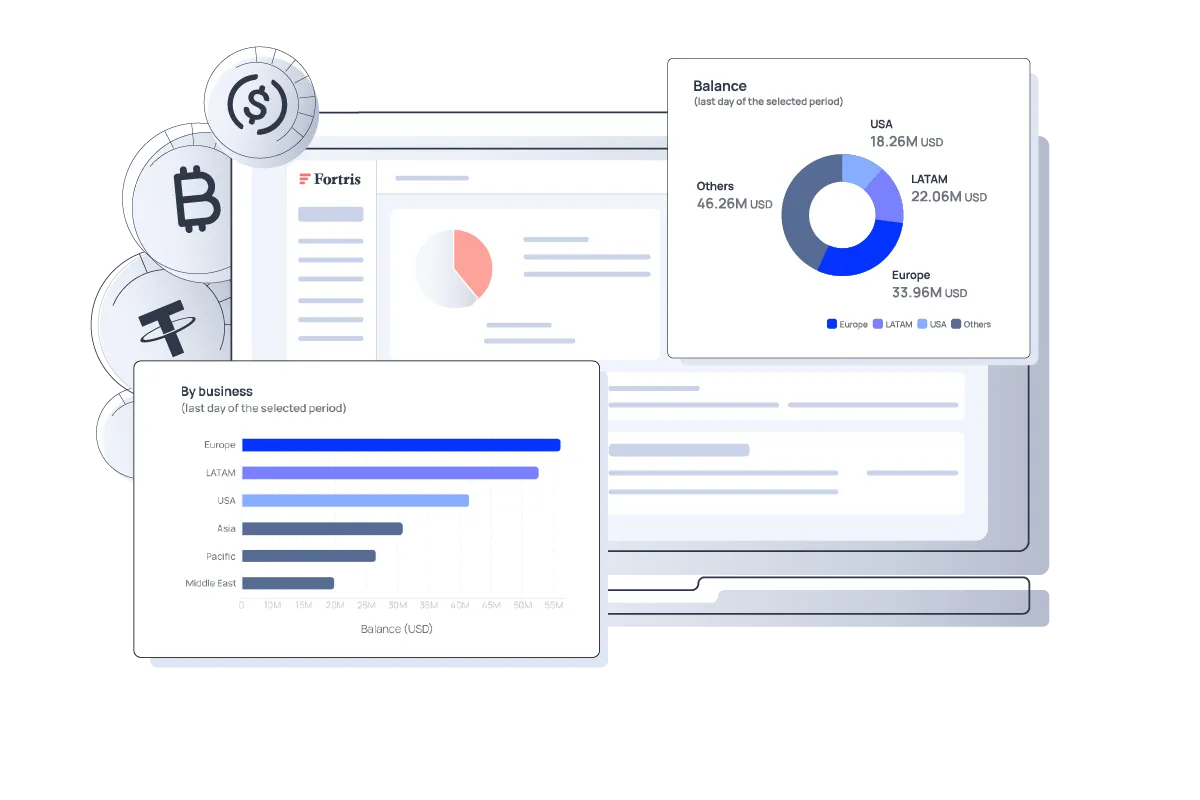
This chart illustrates how major financial institutions track liquidity trends, providing a reference for how traditional treasury analytics can inform onchain risk assessment.
Transparent treasury analytics analysis choices that change the plan
Use this section to make the Transparent Treasury Analytics decision easier to compare in real life, not just on paper. Start with the reader's actual constraint, then separate must-have requirements from details that are merely nice to have. A practical choice should survive normal use, maintenance, timing, and budget. If a recommendation only works in an ideal situation, call that out plainly and give the reader a fallback path.
| Factor | What to check | Why it matters |
|---|---|---|
| Fit | Match the option to the primary use case. | A good deal still fails if it does not fit the job. |
| Condition | Verify age, wear, and service history. | Hidden condition issues erase upfront savings. |
| Cost | Compare purchase price with likely upkeep. | The cheapest option is not always the lowest-cost option. |
Choose the next step
Transparent Treasury Analytics works best as a clear sequence: define the constraint, compare the realistic options, test the tradeoff, and choose the path with the fewest hidden costs. That order keeps the advice usable instead of decorative. After each step, pause long enough to check whether the recommendation still fits the reader's actual situation. If it depends on perfect timing, unusual access, or a best-case budget, include a simpler fallback.
Spotting Weak Options in Treasury Analytics
Treasury data analytics involves collecting and processing information from bank statements and cash flow records to guide financial decisions. However, the market is flooded with tools that promise real-time clarity while delivering stale reports. When evaluating transparent treasury solutions for real-world asset tokenization, you must look past marketing promises to verify the underlying data mechanics.
The "Real-Time" Trap
Many platforms claim instant visibility into onchain credit risks. In practice, these systems often rely on batched updates rather than true streaming data. This delay can obscure liquidity crunches or smart contract failures until it is too late. Always check if the dashboard updates on every block or only at set intervals.
Ignoring Offchain Verification
Tokenized assets are only as reliable as their offchain backing. Weak options often skip the verification step, assuming the token price reflects the asset's true value. This creates a dangerous disconnect during market volatility. Ensure the platform explicitly links onchain tokens to audited offchain reserves.
Overlooking Credit Risk Layers
Onchain credit is not binary. Weak analytics dashboards treat all debt positions equally, failing to distinguish between senior and junior tranches. This oversight hides the true risk exposure of your treasury. Look for tools that break down credit risk by collateral type and hierarchy.
The Verification Checklist
Before committing to a treasury analytics provider, run these three checks:
- Data Source Audit: Verify that the platform pulls directly from primary sources, not third-party aggregators.
- Latency Test: Measure the time between an onchain event and its appearance in your dashboard.
- Risk Granularity: Confirm that the tool separates tokenized asset risk from traditional credit risk.
Live Market Context
Track the performance of related assets to understand the broader market sentiment influencing your treasury decisions.
Transparent treasury analytics: common: what to check next
Treasury teams face complex decisions when integrating real-world asset tokenization and onchain credit risk into existing frameworks. Below are practical answers to frequent objections regarding data integrity, regulatory alignment, and operational security.
No comments yet. Be the first to share your thoughts!