Why tokenized treasuries need better data
Traditional treasury management relies on periodic reports from custodians and banks. These statements are static snapshots, often delayed by days, that show what happened in the past. They do not reveal the real-time status of assets or the immediate impact of market movements. This lag creates a blind spot that is unacceptable for high-stakes financial decisions.
Tokenized real-world assets (RWAs) change the game. Because these assets live on-chain, their existence and movement are public and verifiable. However, raw on-chain data is noisy and difficult to interpret without proper context. Treasurers need analytics that bridge the gap between opaque custodial reports and real-time onchain verification.
Better data analytics transform this raw visibility into actionable intelligence. They allow treasurers to monitor liquidity, assess risk, and verify compliance in real time. This shift is not just about technology; it is about gaining the clarity required to manage tokenized assets with the same rigor as traditional finance.
Tracking yield and duration in real time
Static APY claims often obscure the true mechanics of tokenized treasuries. Because these assets are backed by underlying securities, their value fluctuates with interest rate movements and credit spreads. Transparent analytics bridge the gap between the token’s price and the actual performance of the bond portfolio it represents.
Rather than relying on a single annualized percentage, investors should monitor two core metrics: yield and duration. Yield tells you the current income generation, while duration measures sensitivity to interest rate changes. Understanding both allows you to assess risk more accurately than a headline rate ever could.
For instance, tools like the CME Group’s Treasury Analytics provide detailed views of deliverable baskets and implied yields, offering a level of granularity that tokenized products should mirror. By integrating similar data feeds, you can see how changes in the broader treasury market directly impact your tokenized holdings.
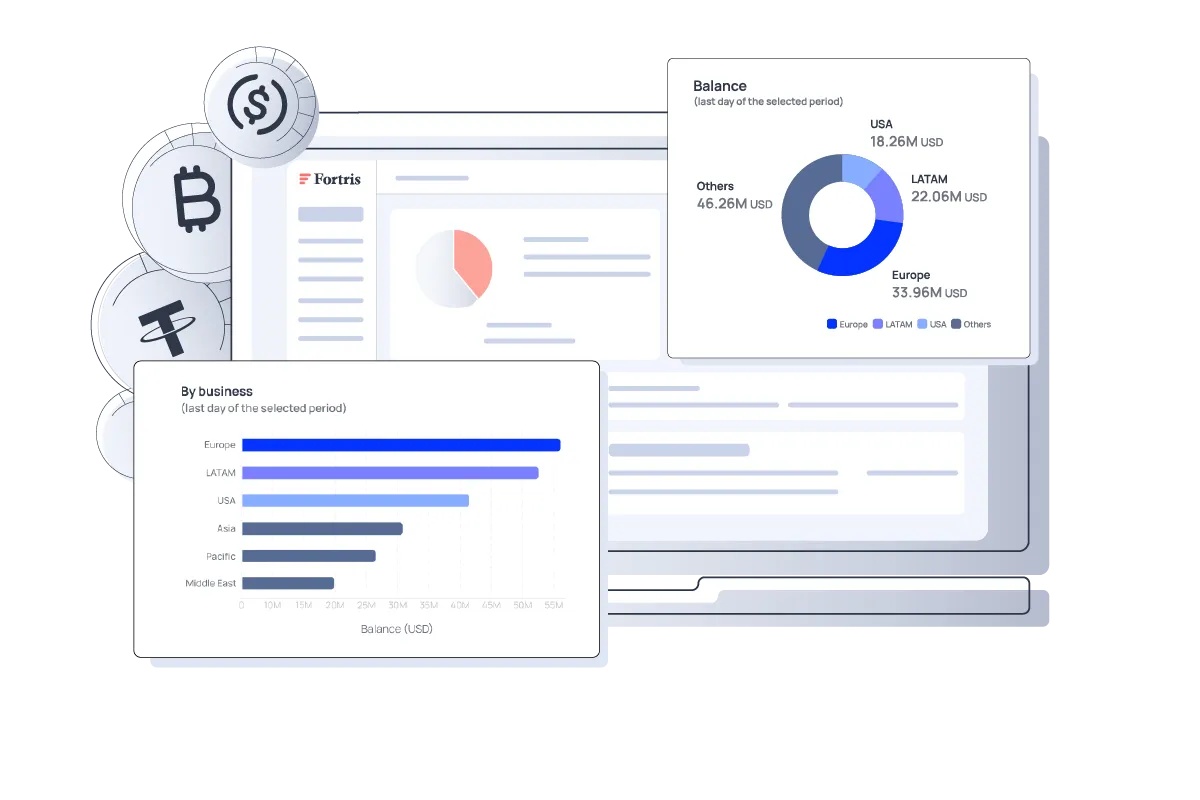
This approach moves beyond marketing hype. It treats tokenized treasuries with the same rigor as traditional fixed-income instruments, ensuring that every yield claim is backed by observable, real-time data from the underlying market.
Verifying reserves and custody layers
Transparent Treasury Analytics for Tokenized RWA works best as a clear sequence: define the constraint, compare the realistic options, test the tradeoff, and choose the path with the fewest hidden costs. That order keeps the advice usable instead of decorative.
After each step, pause long enough to check whether the recommendation still fits the reader's actual situation. If it depends on perfect timing, unusual access, or a best-case budget, include a simpler fallback.
The simplest way to use this section is to write down the real constraint first, compare each option against it, and choose the path that still works outside ideal conditions.
Managing liquidity and trade policy risk
Cross-border tokenized assets move at the speed of code, but trade policies move at the speed of bureaucracy. When a new tariff hits or an export control list updates, the liquidity in your tokenized treasury can vanish or freeze before you can execute a trade. Treasury analytics bridges this gap by turning regulatory noise into quantifiable risk signals.
Analytics platforms ingest real-time trade policy data—tariff rates, customs delays, and sanctions lists—and overlay it against your asset liquidity profiles. Instead of reacting to news headlines, you see exactly which tokenized bonds or real estate shares are exposed to a specific jurisdiction’s changing rules. This visibility allows you to rebalance before the market prices in the friction.
Liquidity constraints are the silent killer of tokenized RWAs. A trade policy shift doesn’t just change the cost; it changes the buyer pool. If a new regulation restricts foreign ownership of certain assets, the secondary market for those tokens dries up instantly. Analytics models simulate these scenarios, showing you the potential slippage and the depth of order books under stress conditions.
By monitoring these dynamics, finance leaders can maintain liquidity buffers where they matter most. The goal isn’t to eliminate policy risk—that’s impossible—but to ensure your treasury has enough liquid, unencumbered assets to weather the volatility without forced, fire-sale liquidations.
Choosing the right analytics provider
When selecting a transparent treasury analytics provider for tokenized real-world assets (RWAs), prioritize tools that pull directly from official, primary sources. Aggregated data often introduces latency or reconciliation errors that can obscure the true state of your treasury. In high-stakes financial decisions, the source of truth matters more than the elegance of the dashboard.
Look for providers that connect to on-chain ledgers, custodian APIs, and regulatory reporting feeds rather than relying on third-party scrapers. This ensures your metrics reflect real-time liquidity, accurate collateral ratios, and immediate compliance status. A provider’s credibility is tied to its data lineage; if you cannot trace a metric back to its origin, it is not suitable for treasury management.
The following checklist outlines the essential criteria for vetting a provider. Focus on data freshness, source transparency, and auditability.
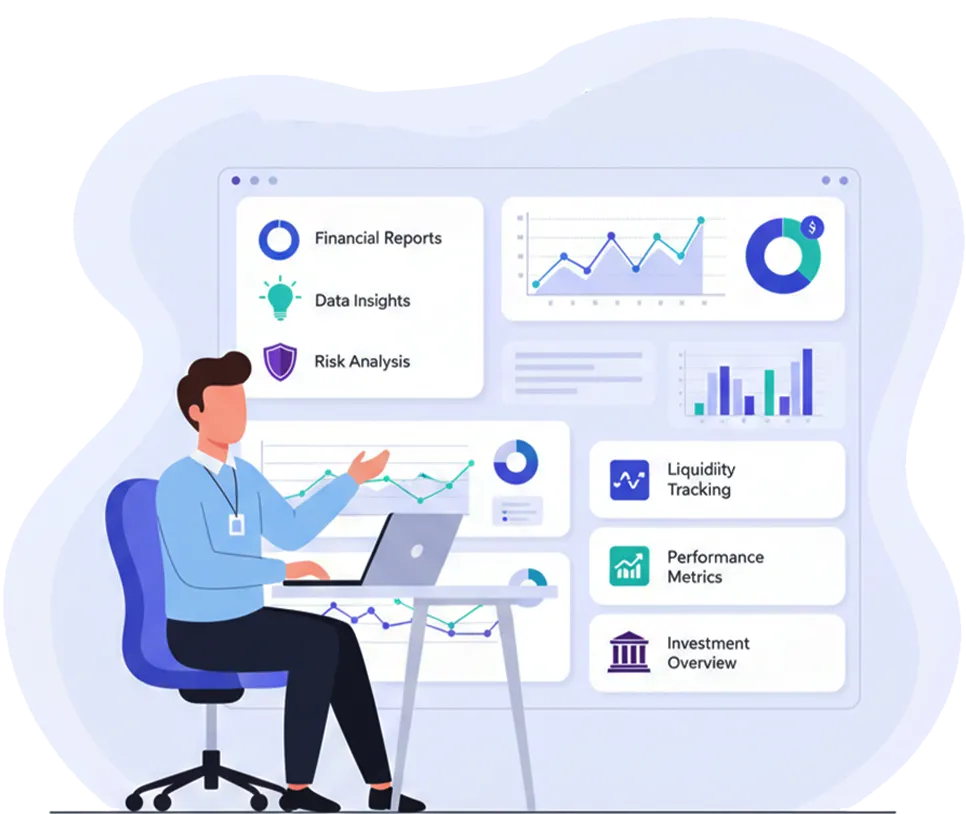
- Primary Source Integration: Does the platform connect directly to blockchain explorers, custodians, or banking APIs? Avoid providers that rely on manual data entry or delayed feeds.
- Data Lineage Transparency: Can you view the raw transaction or ledger entry behind every aggregated metric? Transparency requires visibility into the underlying data.
- Real-Time Updates: How frequently is data refreshed? For RWA tokenization, near-real-time updates are critical for managing liquidity and collateral requirements.
- Audit Trail: Does the provider maintain an immutable log of data changes? This is essential for regulatory compliance and internal audits.
- Security Standards: Are data connections encrypted and access-controlled? Verify that the provider adheres to industry-standard security protocols for financial data.
Selecting a provider with these features ensures your treasury analytics are not just informative, but actionable and reliable. The cost of poor data far exceeds the investment in a robust, primary-source analytics platform.
No comments yet. Be the first to share your thoughts!