Transparent treasury analytics strategy
As corporate transparency shifts from a voluntary best practice to a regulatory mandate in 2026, treasury teams must move beyond simple operational efficiency. The goal is now deeper risk visibility and real-time data integrity across tokenized real-world asset (RWA) portfolios. This shift requires a fundamental rethinking of how treasury data is collected, verified, and reported.
A transparent treasury analytics strategy rests on three non-negotiable pillars: data lineage, real-time reconciliation, and audit-ready reporting. Without these, tokenized assets remain opaque liabilities rather than strategic assets. The following framework outlines the specific checks and infrastructure components needed to build this transparency.
1. Immutable data lineage tracking
Every tokenized RWA transaction must be traceable from origin to current holder. This means integrating blockchain explorers with traditional treasury management systems (TMS) to create a single source of truth. If a data point cannot be traced back to its source contract, it should be flagged for manual review. This prevents "garbage in, garbage out" scenarios that plague fragmented treasury data.
2. Real-time multi-asset reconciliation
Treasury teams can no longer rely on end-of-day batch processing. Tokenized assets settle in seconds, not days. Your analytics strategy must reconcile on-chain balances with off-chain bank accounts in near real-time. Discrepancies should trigger immediate alerts, not monthly audit findings. This requires API-first integrations between your TMS and blockchain nodes.
3. Audit-ready reporting dashboards
Transparency is meaningless if it cannot be proven. Build dashboards that output standardized, timestamped reports compliant with emerging RWA regulations. These reports should automatically aggregate data from multiple chains and custodians, reducing manual effort and minimizing the risk of human error during regulatory audits.
Technical Context: Market Volatility Impact
Transparent analytics also require understanding how market volatility affects your tokenized holdings. Real-time price feeds are essential for accurate treasury valuation.
Figure 1: S&P 500 ETF (SPY) 1-day candlestick chart with volume. This chart illustrates the volatility environment in which tokenized RWA portfolios must operate. Treasury analytics must account for these fluctuations in real-time to maintain accurate valuation.
Conclusion
Implementing a transparent treasury analytics strategy is not just about technology; it is about governance. By enforcing data lineage, real-time reconciliation, and audit-ready reporting, treasury teams can turn tokenized RWA portfolios into transparent, resilient, and compliant assets. The cost of inaction is higher than the cost of implementation.
Transparent treasury analytics strategy choices that change the plan
Choosing a treasury analytics approach for tokenized RWA portfolios requires balancing real-time visibility against data granularity and cost. In 2026, transparency is no longer just about reporting; it is a strategic mandate for resilience. You must evaluate how different analytics layers handle the unique volatility and settlement speeds of on-chain assets.
The core tradeoff lies in choosing between predictive depth and operational speed. Some systems prioritize forecasting cash flows under trade policy uncertainty, while others focus on immediate risk detection for digital asset holdings. Your strategy should align with whether your primary need is mitigating market risk or ensuring regulatory compliance.
Below is a comparison of common analytics approaches for tokenized RWA portfolios.
| Analytics Approach | Primary Strength | Key Limitation | Best Use Case |
|---|---|---|---|
| Real-Time Liquidity Monitoring | Instant visibility into on-chain cash positions | High infrastructure cost and data noise | High-frequency trading desks |
| Predictive Cash Flow Modeling | Identifies trends and outliers for forecasting | Lags behind sudden market shocks | Strategic treasury planning |
| Regulatory Compliance Reporting | Automates audit trails for tokenized assets | Limited flexibility for custom risk metrics | Corporate finance leaders |
| Risk-Adjusted Yield Analysis | Compares RWA yields against traditional treasuries | Requires complex data normalization | Portfolio optimization |
When implementing these strategies, consider the source of your data. Official sources and primary market data providers offer higher trust scores for treasury analytics than aggregated third-party feeds. This distinction becomes critical when tokenized assets are tied to traditional treasury products, where implied yields and deliverable baskets must be calculated accurately.
Start by mapping your existing treasury workflows to the specific capabilities of each analytics approach. If your team struggles with trade policy volatility, predictive modeling may offer more value than real-time monitoring. Conversely, if your portfolio is heavily weighted toward liquid tokenized assets, real-time visibility is non-negotiable. The goal is to build a resilient treasury infrastructure that can adapt to both on-chain and off-chain market dynamics.
Build a decision framework for tokenized treasury analytics
Treasury data analytics has moved from an operational convenience to a strategic mandate. For 2026, corporate treasurers managing tokenized Real World Assets (RWA) need a framework that prioritizes transparency, risk resilience, and predictive accuracy. The following steps outline how to structure this infrastructure.

Tokenized assets settle faster than traditional instruments, requiring analytics that track liquidity in real-time. Instead of end-of-day reports, implement dashboards that show instant cash flow positions across blockchain networks and traditional banking rails. This visibility allows treasurers to identify funding gaps before they impact operations.
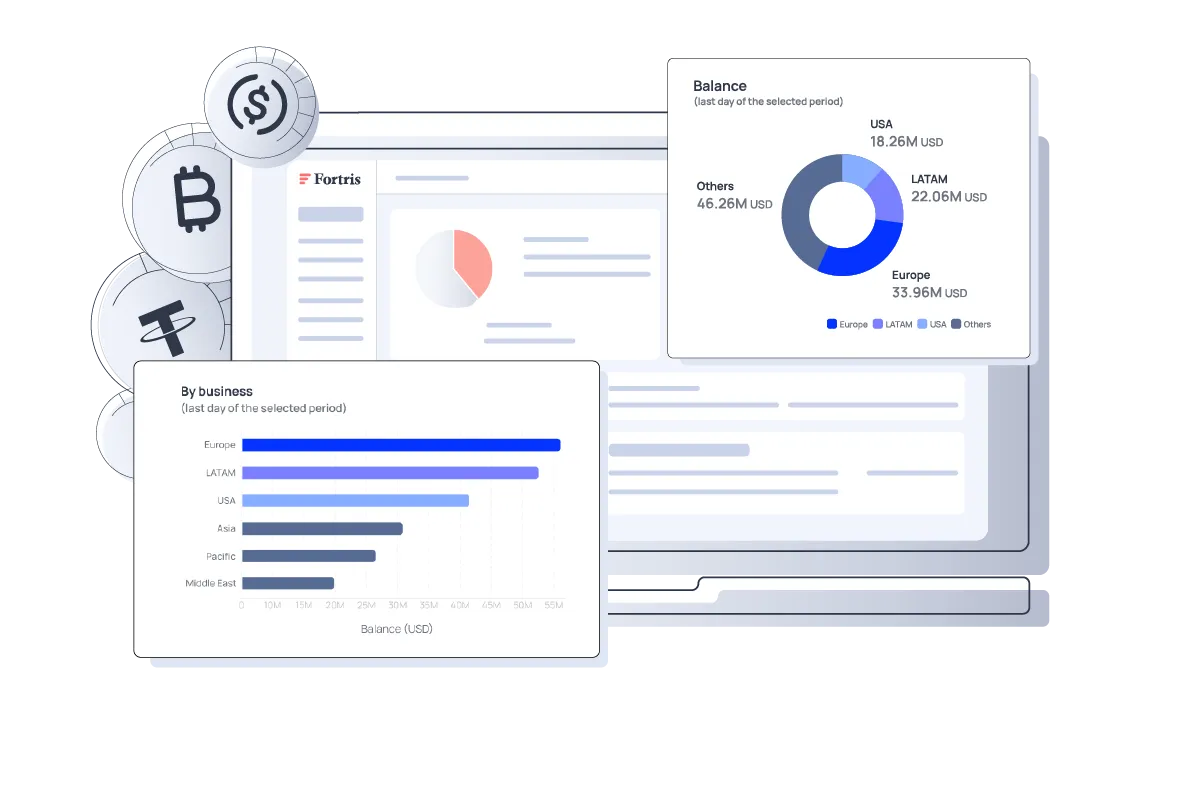
RWA portfolios exist at the intersection of blockchain ledgers and traditional finance. Your analytics stack must unify on-chain transaction data with off-chain banking statements. This hybrid view prevents data silos and ensures that compliance reports reflect the true state of the portfolio, including both digital and fiat holdings.
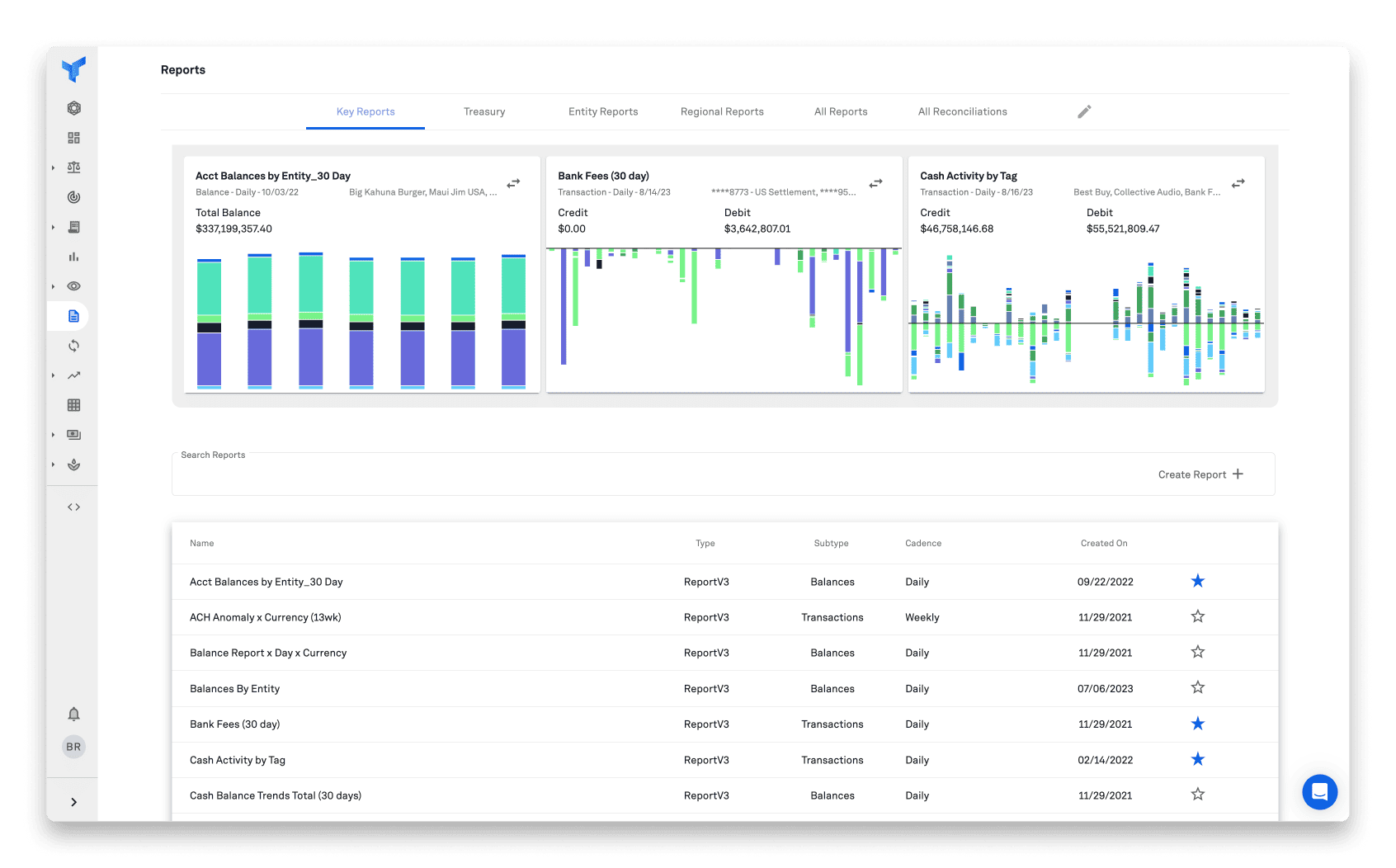
Use machine learning tools to identify patterns and outliers in your treasury data. Predictive analytics help forecast future cash flows and market conditions with greater accuracy. For tokenized RWAs, this means modeling how smart contract risks or blockchain network congestion might impact asset liquidity and valuation.
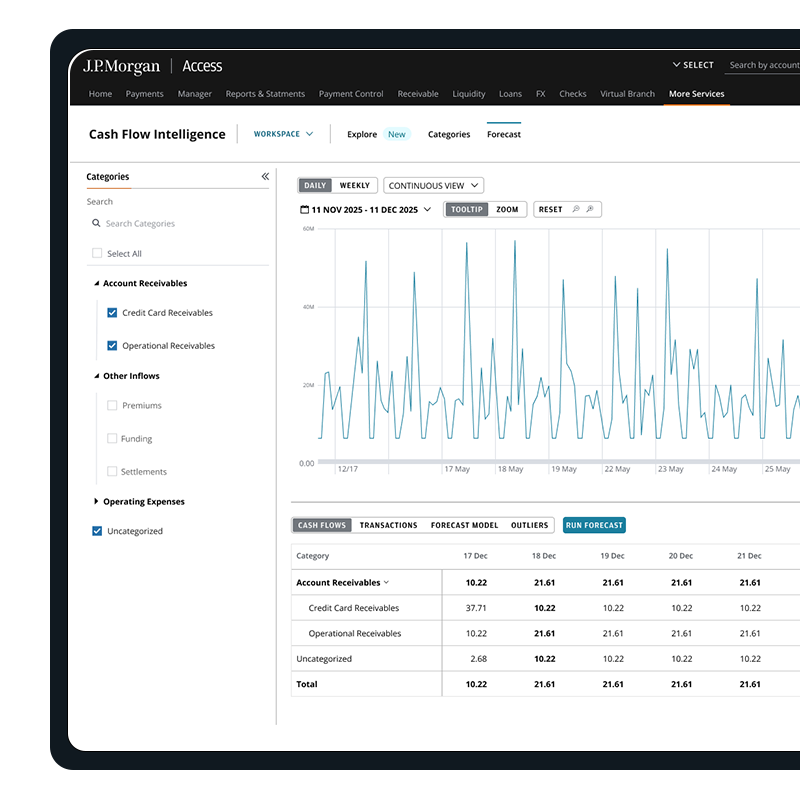
Transparency is now a regulatory requirement. Build automated reporting workflows that generate audit-ready trails for both digital and traditional assets. This reduces manual effort and ensures that your treasury operations meet the evolving transparency mandates expected for corporates in 2026.
Spotting weak options in transparent treasury analytics
As tokenized RWA portfolios scale, the gap between marketing promises and operational reality widens. Many platforms claim full transparency but fail to deliver the granular, real-time data required for high-stakes treasury decisions. Identifying these weak options early prevents costly integration errors and compliance gaps.
Vague "Real-Time" Claims
Many vendors use "real-time" loosely, meaning delayed batch updates rather than true streaming data. In 2026, treasury analytics must handle volatile crypto-asset price swings and settlement finality risks. If a platform updates RWA valuations only at day-end, it cannot support intraday liquidity management. Demand proof of sub-second latency for price feeds and on-chain event triggers.
Opaque On-Chain Data Aggregation
Transparency fails when the source of truth is hidden behind proprietary aggregators. A robust system must expose the raw on-chain transactions or API endpoints used to calculate portfolio metrics. If you cannot trace a reported balance back to a specific blockchain explorer or oracle, the data is suspect. Look for platforms that provide direct links to source hashes or allow custom oracle integration.
Limited Audit Trails for Tokenized Assets
Tokenized RWAs involve complex legal wrappers and custody layers. Weak analytics dashboards often flatten these structures, showing only a net value. Effective platforms maintain a detailed audit trail that distinguishes between the underlying asset, the tokenized instrument, and the custodial layer. This granularity is essential for regulatory reporting and resolving disputes. Without it, you are managing risk blindfolded.
Poor Integration with Legacy Treasury Systems
Transparency is useless if the data cannot flow into your existing ERP or treasury management system. Many new analytics tools are standalone silos that require manual exports. Prioritize platforms with robust, documented APIs that integrate seamlessly with your current stack. The best solutions act as a transparent layer over existing workflows, not a replacement that forces new operational habits.
Transparent treasury analytics strategy: what to check next
Implementing transparent treasury analytics for tokenized real-world assets (RWA) requires navigating complex data integrity and regulatory alignment issues. The following questions address the most common practical objections and technical hurdles encountered during deployment.
Key Takeaways for Implementation
- Verify the Bridge: Ensure your oracle or bridge mechanism is audited and transparent.
- Expect Mandates: Prepare for increased regulatory scrutiny on data visibility.
- Govern AI Inputs: Never trust AI outputs without manual validation of underlying data.
- Forecast Volatility: Use analytics to anticipate trade policy impacts on cash flow.
No comments yet. Be the first to share your thoughts!