Define your transparency goals
Transparency in tokenized treasuries isn't just about publishing more data; it's about changing who sees the data and when. Traditional corporate treasury reporting is backward-looking, often delayed by quarterly cycles, and buried in dense PDFs. Onchain RWA (Real World Asset) transparency is immediate, granular, and accessible to anyone holding a token.
Before you build your analytics dashboard, decide what "transparency" means for your use case: regulatory compliance, investor confidence, or operational efficiency. This dictates your data strategy.
Step 1: Map your data sources
Identify every source of truth for your treasury assets. For tokenized treasuries, this typically includes:
- On-chain smart contracts: For token supply, minting/burning events, and fee distribution.
- Off-chain custodians: For the actual U.S. Treasuries or money market funds held in reserve. You need API access or verified attestations from these custodians.
- Oracle feeds: For real-time pricing data if your analytics involve dynamic valuation.
Step 2: Define key metrics
Choose 3-5 metrics that matter most to your audience. Common choices for RWA treasuries include:
- Collateralization Ratio: The percentage of token value backed by real assets.
- Yield Distribution: How and when yield is paid out to token holders.
- Asset Age & Quality: The duration and credit quality of the underlying bonds.
Step 3: Set update frequency
Decide how often your data updates. Real-time is ideal but expensive. Daily snapshots are often sufficient for stablecoin-pegged treasuries. Weekly updates may suffice for longer-duration bond tokens. Be explicit about your update schedule in your documentation.
Step 4: Establish verification protocols
How will users verify your claims? Consider integrating with third-party auditors or using decentralized oracle networks to bridge off-chain data to the blockchain. This adds a layer of trust that purely on-chain data cannot provide.
Select Infrastructure for Onchain Data Verification
Choosing the right data infrastructure is the difference between a treasury dashboard that offers clarity and one that generates noise. For Real World Asset (RWA) markets, this means building a stack that bridges traditional banking data with onchain ledger truth. You are not just picking software; you are selecting the layers of trust that validate every transaction.
The goal is to ensure that the data feeding your treasury analytics is both accurate and tamper-proof. This requires a careful selection of oracles, ledgers, and data providers. Each component must serve a specific function in the verification chain. If one link is weak, the entire analysis becomes suspect.

Start by mapping your existing offchain data streams. Treasury analytics relies on bank statements, cash flow reports, and payment histories. Identify which of these sources are digitized and accessible via API. Legacy systems often require middleware to extract clean data. Without this foundation, onchain verification has nothing to anchor to.
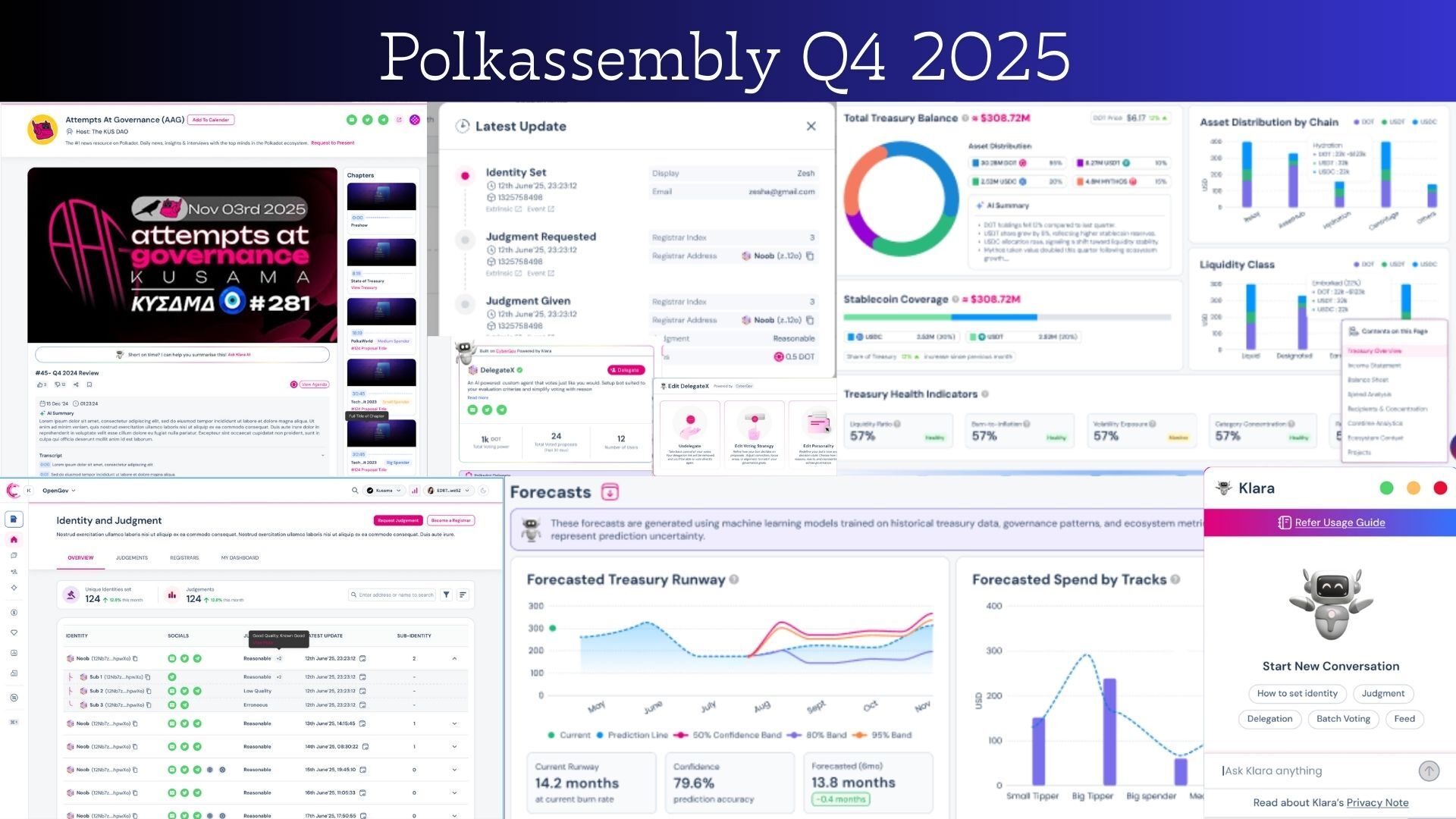
Oracles act as the bridge between offchain reality and onchain execution. For treasury analytics, you need reliable oracles that can fetch and verify external data points like interest rates or asset prices. Choose networks with a proven track record of security and decentralization. This prevents single points of failure from corrupting your treasury data.
The ledger is where your treasury records live. For RWAs, this often means a permissioned blockchain or a high-throughput public chain with strong audit trails. Ensure the ledger supports transparent querying. You need to be able to trace any entry back to its source transaction. This transparency is what allows stakeholders to verify the integrity of the treasury in real time.
Finally, implement verification protocols that cross-check data from multiple sources. This could involve smart contracts that automatically validate incoming oracle data against known benchmarks. Regular audits of these verification layers ensure they remain effective. This step closes the loop, ensuring that your analytics are based on truth, not assumptions.

As an Amazon Associate, we may earn from qualifying purchases.
Choose treasury analytics tools for RWA
Selecting the right analytics stack is the difference between guessing your exposure and knowing it. In RWA markets, where tokenized assets often rely on off-chain collateral, visibility is everything. You need tools that bridge the gap between traditional finance data and on-chain transparency.
Evaluate dashboard capabilities
Start with visualization tools that aggregate data from multiple sources. Platforms like CME Group’s Quikstrike offer robust analytics for treasury products, showing deliverable baskets and implied yields CME Group. For RWA, look for dashboards that can ingest both traditional bond yields and on-chain treasury balances in one view. This prevents siloed data and gives you a single source of truth.
Assess risk modeling depth
Risk models must handle the unique volatility of tokenized assets. Generic financial models often fail to account for smart contract risk or oracle manipulation. Ensure your chosen tool allows for custom scenario analysis, such as what happens to your RWA portfolio if a specific collateral type de-pegs or if a lending protocol halts withdrawals.
Verify compliance tracking
Regulatory compliance in RWA is still evolving. Your analytics provider should offer built-in tracking for KYC/AML status of token holders and automated reporting for tax or regulatory bodies. Without this, you risk manual errors that could lead to severe penalties.
Compare tool categories
| Feature | Traditional Dashboards | On-Chain Risk Models | Compliance Trackers |
|---|---|---|---|
| Data Sources | Centralized APIs | Blockchain Explorers | KYC Providers |
| Real-Time Updates | Yes | Yes | Variable |
| Custom Scenarios | Limited | High | Low |
| Regulatory Reporting | Moderate | Low | High |
Recommended resources
Building this expertise takes time. These books and technical resources can help you deepen your understanding of treasury analytics and RWA structures.


As an Amazon Associate, we may earn from qualifying purchases.
Final checklist
Before committing to a vendor, run through this list:
-
Does the tool integrate with your existing treasury wallet addresses?
-
Can it handle both ERC-20 and other token standards used in your RWA?
-
Is there a clear audit trail for all data changes?
-
Does the support team understand RWA-specific compliance needs?
Integrate market data and price feeds
Connecting your treasury analytics platform to live market data is the difference between a static ledger and a living financial instrument. Without accurate, real-time pricing, tokenized real-world assets (RWAs) are just digital IOUs. You need a direct line to the underlying markets to ensure that every token minted or redeemed reflects current economic reality.
Step 1: Identify primary price sources
Start by mapping which markets drive the value of your specific RWA. Treasury analytics rely on authoritative data feeds. For government-backed assets, official sources like the CME Group’s Treasury Analytics provide the deliverable basket lists and implied yields necessary for precise valuation. For broader market context, live price widgets for major indices or treasury instruments offer immediate visibility into volatility and trend direction.
Step 2: Select a reliable API provider
Not all data feeds are created equal. In high-stakes finance, latency and accuracy are non-negotiable. Choose an API provider that offers historical depth and real-time updates with minimal downtime. Verify their service level agreements (SLAs) and data lineage. You need a provider that can handle the volume of requests your treasury platform will generate during peak trading hours without dropping packets or delaying quotes.
Step 3: Implement data validation logic
Raw data is rarely clean. Before it hits your valuation engine, implement a validation layer. Check for outliers, missing ticks, or stale prices. If a feed drops for more than a few seconds, your system should flag the asset for manual review rather than silently propagating bad data. This step protects your treasury from oracle failures and market manipulation attempts.
Step 4: Set up automated reconciliation
Connect your internal ledger to the external price feed in an automated loop. This reconciliation process should run continuously or at defined intervals (e.g., every block or every minute). Compare the on-chain token supply against the off-chain asset value. Any discrepancy should trigger an alert. This ensures that your transparent treasury analytics remain trustworthy to investors and auditors alike.
Essential tools for treasury integration
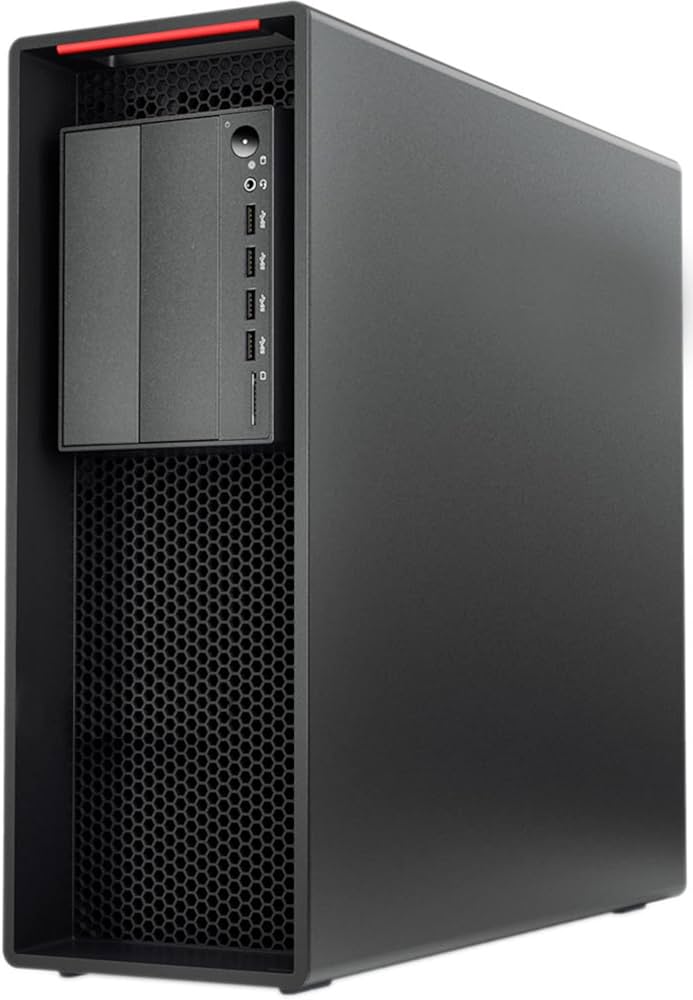
Building a robust integration requires the right hardware and software stack. While software licenses are the primary cost, having reliable local infrastructure for running nodes and processing data can prevent bottlenecks.

As an Amazon Associate, we may earn from qualifying purchases.
Final checklist for integration
Before going live, run through this list to ensure your price feed integration is solid.
-
Source Verification: Confirm your data provider is an official or primary source (e.g., CME, Bloomberg, or direct exchange feeds).
-
Latency Test: Measure the time between market event and data receipt in your system. It should be under 100ms for most RWA applications.
-
Failover Protocol: Ensure your system has a backup data source if the primary feed goes offline.
-
Audit Trail: Verify that all price changes are logged with timestamps for future auditing.
-
Reconciliation Check: Run a manual reconciliation against a known market price to confirm your engine’s accuracy.
Validate data accuracy and audit trails
Before trusting any dashboard, you need to prove the numbers match reality. In RWA markets, a discrepancy between the token and the underlying asset isn't just a bug—it's a liability. Use this sequence to verify that your analytics output is grounded in fact.
To help you standardize this verification process, consider these essential tools for maintaining rigorous records:


As an Amazon Associate, we may earn from qualifying purchases.
Use this final checklist before going live:
-
Onchain total matches custodian ledger
-
Audit trail hashes are immutable
-
Sample reconciliation completed with zero errors
-
Discrepancy protocol is documented
No comments yet. Be the first to share your thoughts!