Why transparency matters in tokenized treasuries
Tokenized real-world assets promise to bring the efficiency of blockchain to traditional finance, but they currently lack a critical feature: post-trade visibility. In the traditional U.S. Treasury market, transparency is not just a nicety; it is the foundation of liquidity and trust. Institutional investors rely on clear, auditable records of who holds what, at what price, and when. Without this visibility, tokenized treasuries remain opaque, creating significant risk for the very institutions they aim to serve.
The traditional market has spent decades building robust transparency frameworks. FINRA, for instance, has enhanced its dissemination of individual Treasury transactions, providing end-of-day data that helps market participants understand pricing and volume trends FINRA. Similarly, organizations like PIFS advocate for mandatory real-time post-trade transparency to reduce information asymmetry and improve market stability PIFS. These mechanisms allow traders and regulators to see the true state of the market, preventing anomalies and ensuring fair pricing.
Tokenized equivalents, however, often operate in silos. Trades may settle on-chain, but the broader market context—such as aggregate holdings, cross-platform liquidity, and real-time pricing impact—is frequently hidden. This opacity makes it difficult for institutional adopters to perform due diligence, manage risk, or comply with regulatory reporting requirements. Until tokenized treasuries can offer the same level of post-trade transparency as their traditional counterparts, widespread institutional adoption will remain stalled.
Bridging this gap requires more than just moving assets on-chain. It demands the integration of transparent data layers that mirror or exceed the clarity of traditional finance. Without it, tokenized treasuries risk becoming isolated experiments rather than the next evolution of global capital markets.
Core components of treasury analytics infrastructure
A transparent treasury stack relies on three technical pillars: real-time pricing, yield curve modeling, and credit rating integration. These elements form the foundation for tracking onchain credit and tokenized assets with the precision required for high-stakes financial decisions.
Real-time pricing and yield curves
Accurate valuation starts with live data feeds. Treasury products require granular visibility into implied yields and deliverable basket compositions. Platforms like CME QuikStrike provide essential analytics for these instruments, showing the specific securities that make up the deliverable basket and their implied yields. This level of detail is necessary to model the yield curve accurately and assess the true cost of carry.
Credit rating integration
Onchain assets often lack the traditional credit history found in offchain markets. To bridge this gap, analytics infrastructure must integrate independent, quantitatively driven credit ratings. Providers such as Transparency Analytics offer ratings for corporate issuers across both private and public credit markets. These ratings allow treasury managers to assess counterparty risk and asset quality without relying on opaque or outdated legacy data.
Comparing traditional and onchain tools
The shift toward tokenized assets requires a clear understanding of how traditional tools compare to emerging onchain platforms. Traditional systems like CME QuikStrike are built for standardized futures and options, while onchain platforms prioritize transparency and real-time settlement data.
| Feature | Traditional (e.g., CME QuikStrike) | Onchain Analytics Platforms |
|---|---|---|
| Data Source | Exchange-reported futures/options | Direct smart contract and ledger data |
| Credit Visibility | Limited to public corporate bonds | Integrated private and public issuer ratings |
| Settlement Tracking | Batched or T+1 settlement cycles | Real-time or near-instant settlement |
| Asset Scope | Standardized Treasury futures baskets | Tokenized assets and diverse onchain credit |
This comparison highlights why a hybrid approach is often necessary. Traditional tools provide deep liquidity analysis for standardized instruments, while onchain platforms offer the transparency needed for newer, tokenized asset classes. Combining both ensures a complete view of the treasury's exposure.
Assessing Credit Risk for Tokenized Assets
Tokenizing real-world assets does not erase the underlying credit risk. It simply moves it onto a ledger where it can be tracked in real time. For treasury professionals, the challenge is translating on-chain activity into traditional credit metrics like default probability and loss given default.
Independent rating models have emerged to bridge this gap. Platforms like Transparency Analytics provide quantitative credit ratings for issuers across private and public credit markets. These models analyze cash flow stability, collateral quality, and issuer history to assign a score that mirrors traditional bond ratings. This allows investors to assess the creditworthiness of a tokenized treasury bill or private debt instrument without relying solely on the issuer’s self-reported data.
Real-time tracking is the primary advantage of on-chain monitoring. Unlike quarterly bond reports, on-chain data offers continuous visibility into an asset’s health. Smart contracts can automatically trigger alerts if collateral ratios drop below a certain threshold or if payment delays occur. This immediacy allows for faster risk mitigation, though it requires robust infrastructure to interpret the data correctly.
The integration of these tools means that credit risk is no longer a static snapshot. It is a dynamic variable that can be monitored, modeled, and managed with the same precision as any other market risk. For high-stakes treasury decisions, this level of transparency is becoming a standard requirement rather than a luxury.
Choosing the right analytics provider
Selecting a vendor for transparent treasury analytics is less about feature checklists and more about infrastructure integrity. In high-stakes finance, your data sources must be as reliable as the capital they track. You need a provider that prioritizes data source quality, regulatory compliance, and seamless integration capabilities.
Start with data provenance. Your analytics layer should pull directly from official, primary sources—Treasury reports, FINRA filings, and CME benchmarks—rather than aggregating secondary, potentially stale feeds. If a provider cannot clearly trace a data point to its origin, it introduces unnecessary risk into your credit and asset tracking.
Compliance is non-negotiable. Ensure the vendor adheres to strict regulatory standards, particularly if you are handling sensitive financial instruments. Look for providers that offer audit trails and transparent data governance policies. This isn't just about avoiding penalties; it's about maintaining the trust of your stakeholders and regulators.
Integration capabilities determine how quickly you can act on insights. The best analytics platform should fit into your existing tech stack without requiring extensive custom development. Check for robust API support and compatibility with common treasury management systems. A clunky integration will bottleneck your team's ability to respond to market shifts.
Consider the total cost of ownership, not just the subscription fee. Hidden costs often arise from data refresh rates, API call limits, or premium support tiers. Evaluate the provider's pricing model against your expected usage volume. A scalable solution should grow with your needs without unexpected financial surprises.
Finally, prioritize transparency in the vendor's own operations. A provider that is open about its data sourcing, error rates, and update schedules is more likely to deliver consistent, high-quality service. Look for case studies or references from similar financial institutions that have successfully implemented their platform.
Implementation checklist for treasury teams
Before integrating tokenized assets, audit your current analytics stack to ensure it can handle onchain data alongside traditional ledgers. This process mirrors the rigor required by federal agencies when reporting to the U.S. Department of the Treasury, where data integrity is non-negotiable.
Start by verifying data lineage. Confirm that your current vendors can trace every data point back to an official source, similar to how the Treasury Financial Experience (TFX) guides agencies on what data to report and how to submit it. If a vendor cannot explain the origin of their onchain metrics, treat it as a compliance risk.
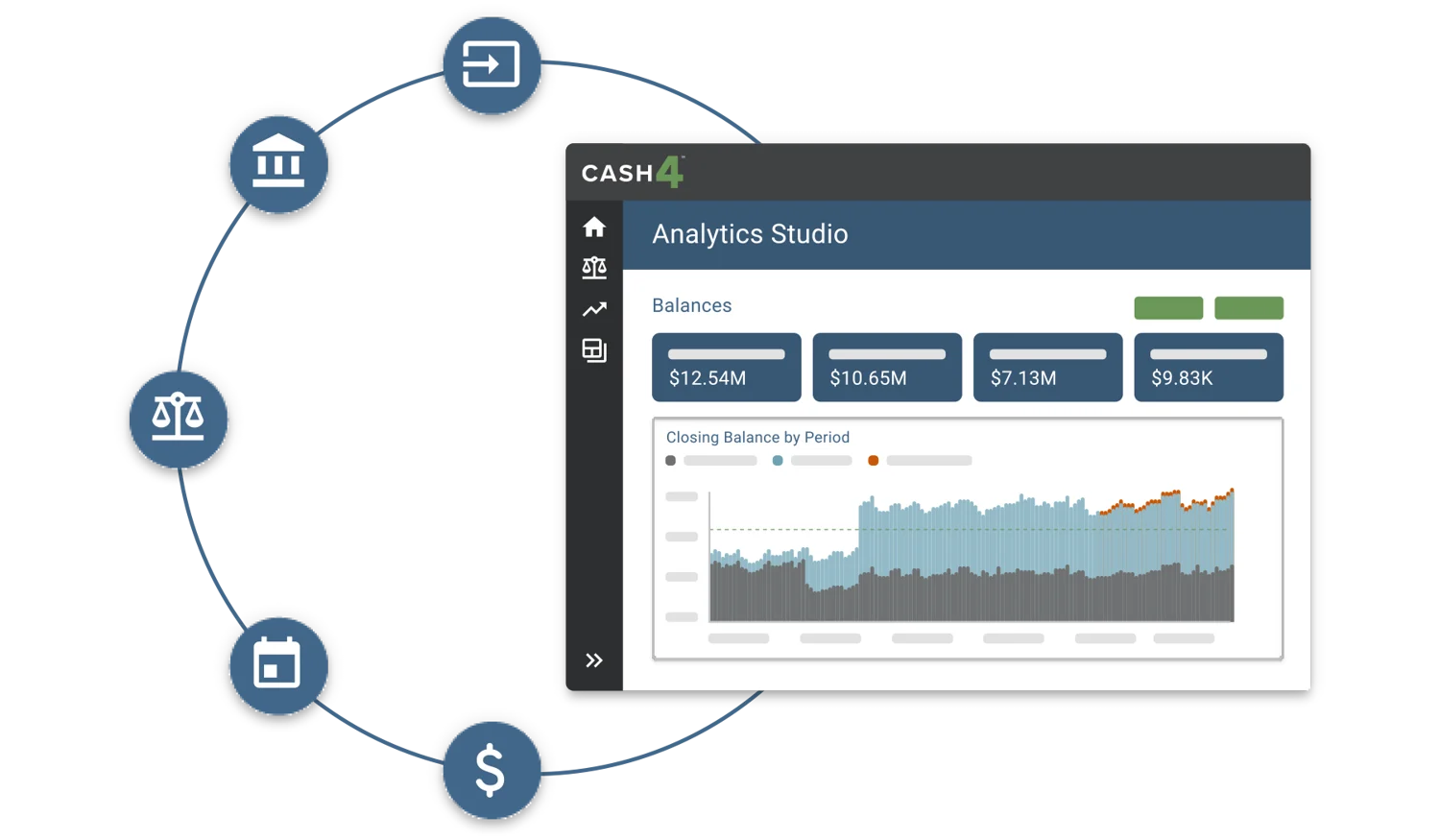
Next, assess your infrastructure’s readiness for hybrid reporting. Tokenized assets require real-time reconciliation between offchain bank balances and onchain token states. Ensure your treasury management software can ingest these streams without manual intervention.
Finally, test your vendor’s reliability under stress. Just as the Treasury’s data transparency policies demand clear methodologies for eligibility and reporting, your analytics provider must demonstrate uptime and accuracy during high-volume market events. Do not rely on anecdotal evidence; request third-party audit reports or SLA guarantees.
- Verify Data Lineage: Ensure every metric traces back to an official, auditable source.
- Assess Hybrid Infrastructure: Confirm your stack handles both offchain and onchain data streams.
- Test Vendor Reliability: Require proof of uptime and accuracy during peak market volatility.
No comments yet. Be the first to share your thoughts!