Why treasury analytics matter for tokenized assets
Treasury analytics has long served as the nervous system for corporate liquidity, tracking cash positions, funding costs, and working capital cycles. Traditionally, this meant reconciling bank statements, monitoring foreign exchange exposure, and optimizing the cash conversion cycle across fragmented offchain systems. For CFOs, the goal was visibility: knowing exactly where money sat and how fast it moved.
The emergence of tokenized real-world assets (RWA) and onchain credit markets has shifted that goal from visibility to verifiability. When treasury operations move onchain, every transaction becomes a public or permissioned ledger entry. This transparency eliminates the reconciliation lag that often plagued traditional treasury management, but it introduces new complexities. Treasury analytics must now bridge offchain regulatory requirements with onchain liquidity visibility, ensuring that tokenized instruments like tokenized treasuries or private credit notes are properly valued, settled, and reported.
In this new environment, the metrics that matter have expanded. It is no longer enough to track cash balances; treasury teams must monitor onchain settlement finality, smart contract risk, and the real-time liquidity of tokenized assets. This shift demands a more rigorous approach to data analysis, one that combines historical performance with predictive insights specific to blockchain networks.
Consider the case of tokenized short-term government debt. Unlike traditional bonds, where settlement can take days (T+1 or T+2), tokenized versions can settle instantly. However, this speed requires treasury systems to analyze collateral efficiency and funding buffers in real-time. Without robust analytics, the speed of onchain settlement can amplify risk rather than mitigate it. Treasury analytics provides the framework to manage this velocity, ensuring that liquidity is not just visible, but actionable.
Tracking onchain credit infrastructure
Transparent Treasury Analytics works best as a clear sequence: define the constraint, compare the realistic options, test the tradeoff, and choose the path with the fewest hidden costs. That order keeps the advice usable instead of decorative.
After each step, pause long enough to check whether the recommendation still fits the reader's actual situation. If it depends on perfect timing, unusual access, or a best-case budget, include a simpler fallback.
The simplest way to use this section is to write down the real constraint first, compare each option against it, and choose the path that still works outside ideal conditions.
Measuring RWA liquidity and yield
Transparent Treasury Analytics works best as a clear sequence: define the constraint, compare the realistic options, test the tradeoff, and choose the path with the fewest hidden costs. That order keeps the advice usable instead of decorative.
After each step, pause long enough to check whether the recommendation still fits the reader's actual situation. If it depends on perfect timing, unusual access, or a best-case budget, include a simpler fallback.
| Factor | What to check | Why it matters |
|---|---|---|
| Fit | Match the option to the primary use case. | A good deal still fails if it does not fit the job. |
| Condition | Verify age, wear, and service history. | Hidden condition issues erase upfront savings. |
| Cost | Compare purchase price with likely upkeep. | The cheapest option is not always the lowest-cost option. |
Essential tools for crypto finance transparency
Building a transparent treasury in crypto requires more than just holding assets; it demands rigorous, real-time verification. Unlike traditional finance, where audits might happen quarterly, onchain RWA and credit markets move instantly. To manage this velocity, treasury professionals need software that bridges the gap between traditional accounting standards and decentralized ledgers. The goal is to retrieve, review, and analyze large volumes of financial data without manual reconciliation errors.
Treasury Management Platforms
Modern treasury management platforms are evolving to support digital assets alongside fiat. These systems provide the "360-degree view" necessary to track liquidity across multiple chains and stablecoin issuers. Look for tools that offer API integrations with major custodians and onchain data providers. This connectivity allows for automated cash visibility and real-time forecasting, which are critical for maintaining healthy working capital in volatile markets. The best platforms treat onchain transactions with the same rigor as bank wires, ensuring that every tokenized asset is accounted for in your primary ledger.
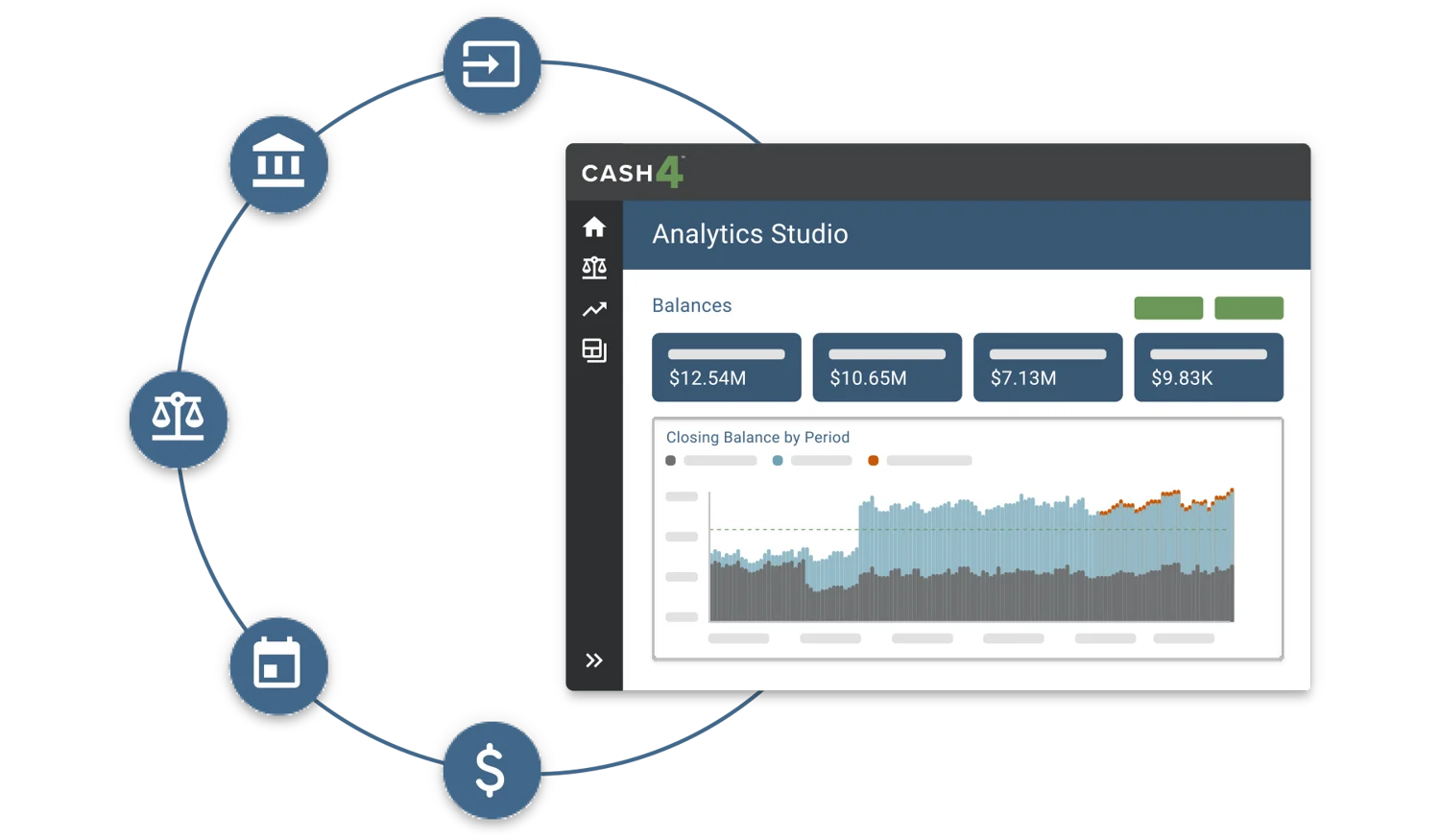
Onchain Analytics Dashboards
For deeper granular visibility, specialized onchain analytics dashboards are indispensable. These tools visualize the flow of tokenized treasuries, allowing you to monitor exposure to specific RWA protocols or credit instruments. They help answer critical questions: Where is the liquidity sitting? Is there sufficient funding buffer against potential smart contract risks? By tracking metrics like cash conversion cycles and funding costs in real time, you can identify inefficiencies before they impact your bottom line. This level of transparency is not just about compliance; it is about operational efficiency in a high-stakes environment.
Portfolio Tracking Software
Finally, robust portfolio tracking software ensures that your treasury holdings match your internal records. In the crypto space, self-custody and multi-sig wallets introduce complexity that generic spreadsheets cannot handle. Dedicated tools automate the reconciliation of onchain balances with your corporate treasury system, flagging discrepancies immediately. This is particularly important when dealing with complex instruments like tokenized bonds or private credit notes, where ownership records must be immutable and auditable. Choosing software that supports both traditional and digital asset classes creates a unified view of your financial health.


As an Amazon Associate, we may earn from qualifying purchases.
Best practices for transparent treasury systems
Building a treasury system for tokenized real-world assets (RWA) requires more than just onchain visibility; it demands rigorous data integrity and risk controls. Unlike traditional cash management, onchain credit instruments introduce smart contract risk and liquidity fragmentation that standard analytics often miss. To maintain credibility, your system must prioritize primary data sources and clear audit trails.
Start by ensuring every data point traces back to an immutable onchain source. For tokenized treasuries, this means linking portfolio holdings directly to the underlying smart contract state. Avoid aggregators that obscure their data lineage; if you cannot verify the source transaction hash, the metric is unreliable for high-stakes decisions.

Track key performance indicators specific to onchain credit, such as over-collateralization ratios and liquidation thresholds. Traditional treasury KPIs like cash visibility are insufficient here. You need real-time monitoring of borrower health and collateral value fluctuations to prevent insolvency events in volatile markets.
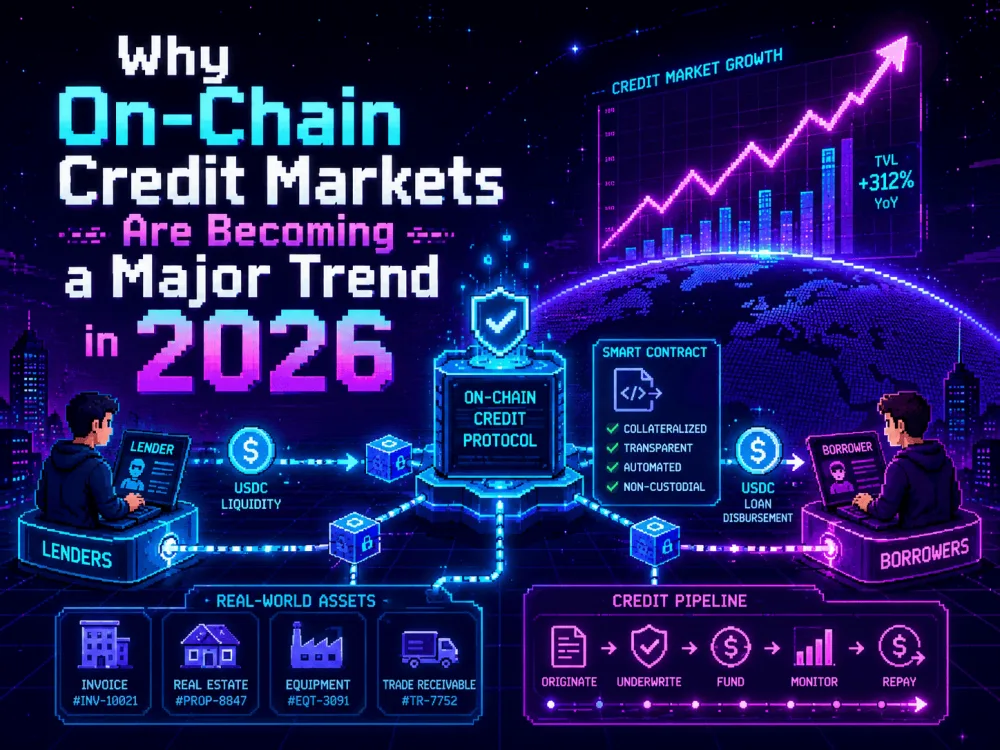
Regular third-party audits of your treasury smart contracts are non-negotiable. These audits should cover both code security and data accuracy. Treat audit reports as living documents; update your risk models whenever new vulnerabilities or data discrepancies are identified. This practice builds trust with investors and regulators alike.
No comments yet. Be the first to share your thoughts!