Why treasury transparency matters now
For years, the stability of real-world asset (RWA) tokens and stablecoins relied on quarterly PDF reports and manual audits. That model is breaking. Investors and regulators no longer trust static snapshots of bank balances. They demand real-time proof that reserves exist and are fully backed.
Onchain verification changes the game. Instead of waiting for an auditor to sign off, anyone can check the wallet balances and smart contract logic instantly. This shift from opacity to transparency isn't just a technical upgrade; it's a survival mechanism for digital assets.
The stakes are high. When billions of dollars in tokenized assets depend on trust, any hint of hidden liabilities or insufficient reserves can collapse the entire structure. Transparent treasuries provide the only durable foundation for long-term adoption.
Tracking stablecoin reserve composition
Verifying the actual assets backing stablecoins requires moving beyond marketing claims and looking at primary reserve data. The distinction between cash, short-term Treasury bills, and commercial paper is critical for understanding liquidity and risk. When a stablecoin holds US Treasuries, it is effectively lending to the government with high collateralization. Commercial paper, however, introduces corporate credit risk that can evaporate during market stress.
To track this composition accurately, you should rely on official attestation reports and onchain analytics platforms that pull directly from reserve wallets. These tools allow you to distinguish between liquid assets (cash and T-bills) and less liquid exposures (commercial paper). For high-stakes decisions, assume that any reserve asset not easily convertible to cash within 24 hours carries significant depegging risk during a panic.
The scale of these reserves is massive, often exceeding the market capitalization of the stablecoin itself due to over-collateralization strategies. Understanding the ratio of liquid assets to outstanding tokens is the primary metric for safety.
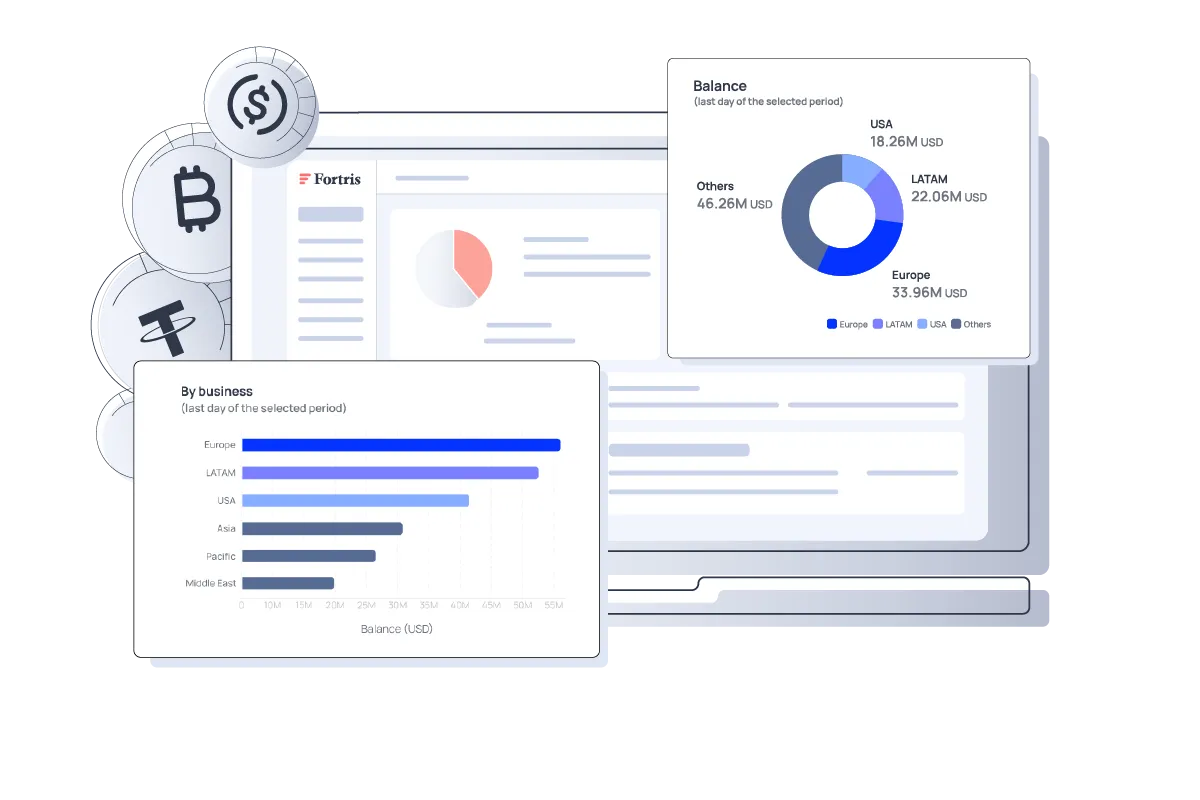
Reserve Asset Breakdown
The following table compares the primary asset classes found in stablecoin reserves, highlighting their liquidity profiles and risk factors based on current market standards.
| Asset Class | Liquidity | Primary Risk | Typical Share |
|---|---|---|---|
| Cash & Equivalents | Instant | Near Zero | 10-20% |
| US Treasury Bills | High | Interest Rate | 60-80% |
| Commercial Paper | Medium | Credit Default | 0-10% |
| Corporate Bonds | Low | Market Volatility | <5% |
Monitoring Tools and Metrics
For real-time visibility into these reserves, technical charts of stablecoin market cap and reserve ratios provide essential context. A diverging market cap from the reported reserve value often signals a loss of confidence or hidden liabilities. Similarly, price widgets for key reserve assets like US Treasury bills help you correlate stablecoin performance with broader interest rate environments.
Analyzing Onchain Credit Risk for RWAs
Tokenized real-world assets (RWAs) bring traditional credit structures onchain, but the transparency of the ledger doesn't automatically mean the underlying asset is safe. Assessing creditworthiness requires looking beyond the token price to the health of the reserve and the legal enforceability of the collateral. Unlike opaque off-balance-sheet vehicles, onchain analytics allow us to verify coverage ratios and default histories in real time.
The two primary metrics for this assessment are default rates and collateral coverage. Default rates track historical performance across similar RWA protocols, providing a baseline for expected loss. Collateral coverage measures the ratio of high-quality liquid assets held in reserve against the tokenized liability. A protocol with 100% coverage and a low default rate is fundamentally different from one relying on leveraged exposure or illiquid private credit.
To compare these risks, we can look at how different RWA categories perform. Tokenized treasuries typically show near-zero default rates due to the backing of sovereign debt, while private credit tokens carry higher yields but also higher variance in coverage.

| RWA Category | Typical Default Rate | Collateral Coverage | Asset Liquidity |
|---|---|---|---|
| Tokenized Treasuries | <0.1% | 100%+ | High |
| Private Credit | 1-3% | 110-130% | Low |
| Real Estate | Variable | 70-80% | Very Low |
Verifying these metrics requires accessing onchain data directly. Tools like Kyriba’s treasury analytics frameworks emphasize the importance of integrating cash flow forecasting with risk mitigation to manage volatility. By monitoring these onchain signals, investors can distinguish between genuine credit risk and mere market price fluctuation.
Essential tools for treasury verification
Verifying a transparent treasury isn't about trusting a single dashboard; it's about triangulating data across multiple independent sources. The most reliable analytics platforms provide raw onchain visibility rather than aggregated summaries, allowing you to audit reserve composition in real time. When evaluating these tools, prioritize those that offer direct API access to wallet addresses and smart contract states, as this minimizes the risk of data manipulation or reporting lag.
Start with established blockchain explorers and specialized treasury analytics firms. Platforms like Arkham Intelligence or Nansen provide labeled wallet tracking, which is critical for distinguishing between operational funds and locked reserves. For stablecoin-specific verification, tools like DeFi Llama offer deep dives into reserve compositions, showing exactly how much USDC or USDT is held by each protocol. These sources allow you to cross-reference reported reserves against actual onchain balances, a practice that has become standard for high-stakes financial decisions.
| Platform | Primary Focus | Data Type |
|---|---|---|
| Arkham Intelligence | Wallet labeling | Onchain transaction flow |
| DeFi Llama | Protocol reserves | Real-time TVL and asset composition |
| Nansen | Smart money tracking | Token holder behavior |
| Glassnode | Market metrics | Macro onchain statistics |
For broader treasury performance insights, consider resources from major financial institutions. HSBC and Ripple Treasury provide guides on modernizing treasury management, though their tools are often geared toward traditional finance integration. However, their whitepapers and case studies offer valuable frameworks for understanding how data-led decisions can enhance transparency. When using these resources, focus on their methodologies for integrating onchain data with traditional accounting standards.
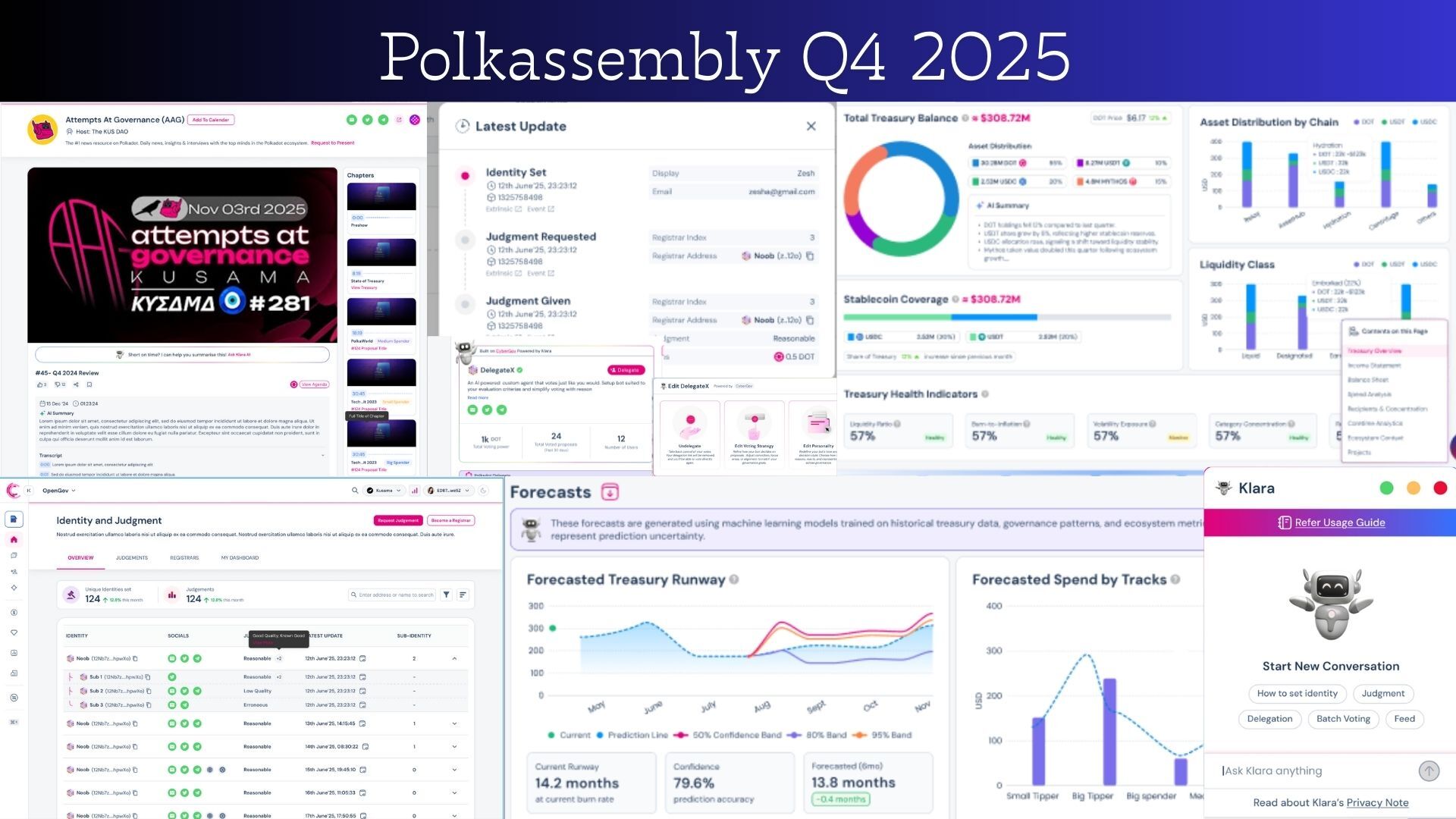
Finally, leverage live widgets to monitor current market conditions. Understanding the volatility of the assets in your treasury is just as important as verifying their existence. The following chart shows the current performance of a major stablecoin, providing context for how reserve values might fluctuate.
As an Amazon Associate, we may earn from qualifying purchases.
Verification checklist
Before integrating any RWA protocol or stablecoin, treat the treasury like a public ledger, not a black box. A rigorous audit workflow separates projects with genuine reserve backing from those relying on opaque accounting. Use this step-by-step checklist to verify transparency and structural integrity.
Start by inspecting the primary reserve wallets using block explorers like Etherscan or Solscan. Confirm that the assets listed in the project’s whitepaper match the onchain holdings exactly. Look for the specific token addresses and ensure the reserves are held in multisig wallets with transparent governance, not in centralized exchange accounts.
Download the latest third-party attestation or audit report from the project’s official site. Compare the total supply of the token against the audited reserve balance. Pay close attention to the auditor’s scope; ensure they have verified the actual holdings, not just the legal structure or internal accounting processes.
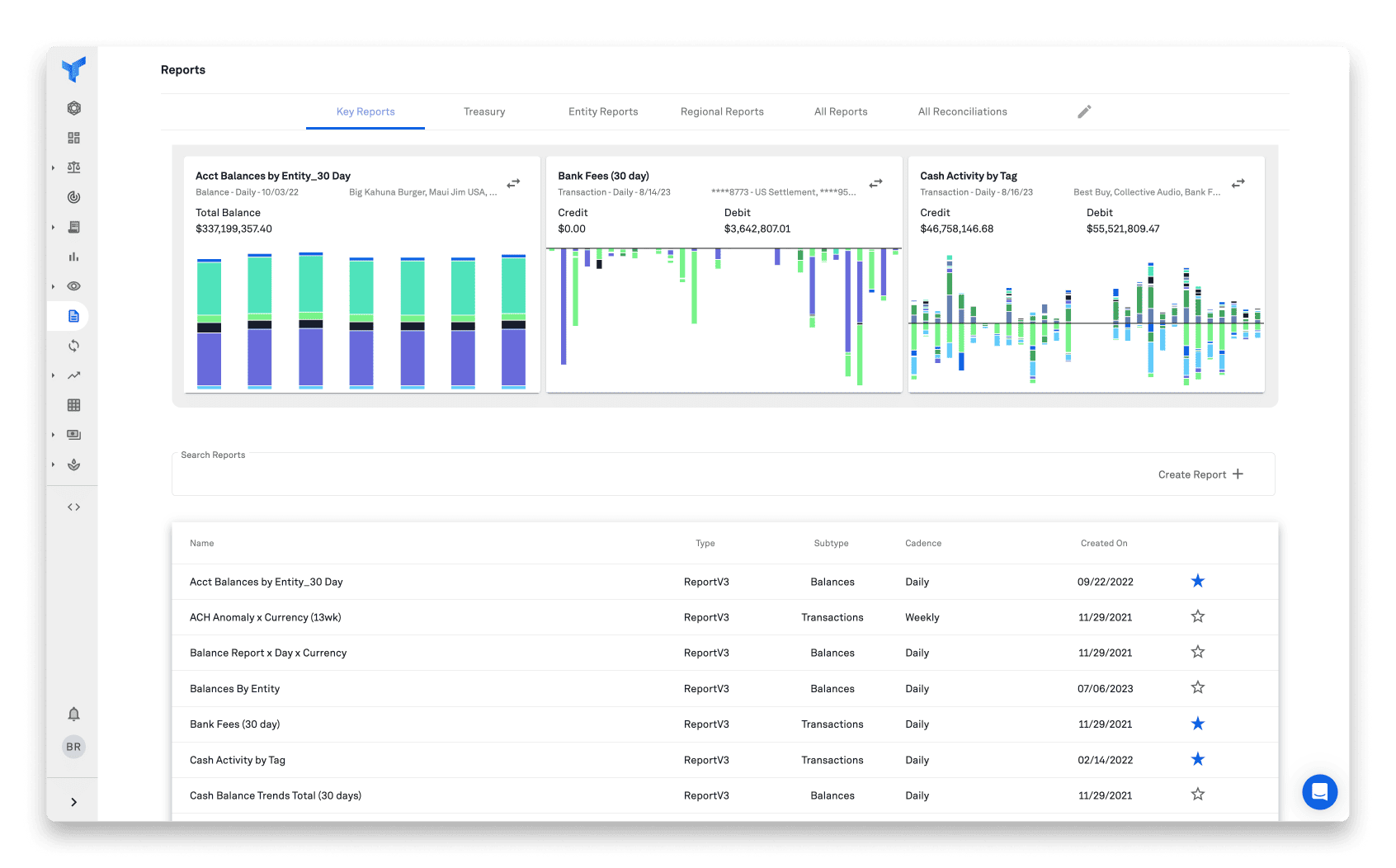
Review the legal entity behind the treasury to ensure it complies with relevant financial regulations. Check if the project has published its legal opinions or compliance frameworks. A transparent treasury should clearly disclose how it handles user funds and meets external rules, providing a clear line of accountability for investors and regulators alike.
By following these steps, you can build a reliable verification checklist that minimizes risk and ensures you are interacting with projects that prioritize genuine transparency.
No comments yet. Be the first to share your thoughts!