Defining transparent treasury analytics infrastructure
Transparent treasury analytics infrastructure is the backbone of modern financial decision-making. It bridges the gap between raw, siloed transactional data and actionable, real-time insights. Unlike traditional reporting, which often looks backward, this infrastructure provides a clear, unobstructed view of liquidity, risk, and compliance across the entire organization.
At its core, the system relies on rigorous data integrity. As noted by the Data Foundation, effective data infrastructure investments must be paired with oversight and transparency to prevent fraud and ensure accuracy. Without this foundation, analytics are merely guesses. The goal is to eliminate the "black box" effect where data enters a system and emerges as an opaque report. Instead, every figure should be traceable to its source.
This approach transforms treasury from a reactive accounting function into a strategic partner. By leveraging advanced analytics, finance teams can monitor, evaluate, and optimize operations in real time. This shift allows for proactive cash management and working capital optimization, turning data into a competitive advantage rather than a compliance burden.
The four pillars of transparent treasury analytics infrastructure
Modern treasury management rests on four distinct pillars: talent, technology, partnership, and compliance. Data must weave through each of these areas, turning isolated functions into a cohesive, visible system.
Talent and data literacy
Treasury teams need more than just accounting skills; they require the ability to interpret real-time data streams. When staff understand how to read live liquidity dashboards, they can deploy cash faster and spot inefficiencies before they become problems. This shift from periodic reporting to proactive management is what drives true transparency.
Technology as the backbone
The technology layer connects disparate bank accounts and ERP systems into a single source of truth. Advanced analytics platforms aggregate this data to provide predictive insights, allowing finance leaders to navigate trade policy volatility and market shifts with confidence. Without this technological enablement, data remains siloed and opaque.
Strategic business partnership
Treasury should not operate in a vacuum. By sharing transparent, data-backed forecasts with other departments, treasury teams become strategic partners rather than just custodians of cash. This collaboration ensures that financial decisions are aligned with broader business goals, supported by accurate, up-to-the-minute analytics.
Control and compliance
Transparency is the ultimate compliance tool. When every transaction and cash movement is tracked and visible through a unified analytics infrastructure, audit trails become cleaner and regulatory reporting more accurate. This visibility reduces risk and ensures that the organization remains compliant with evolving financial standards.
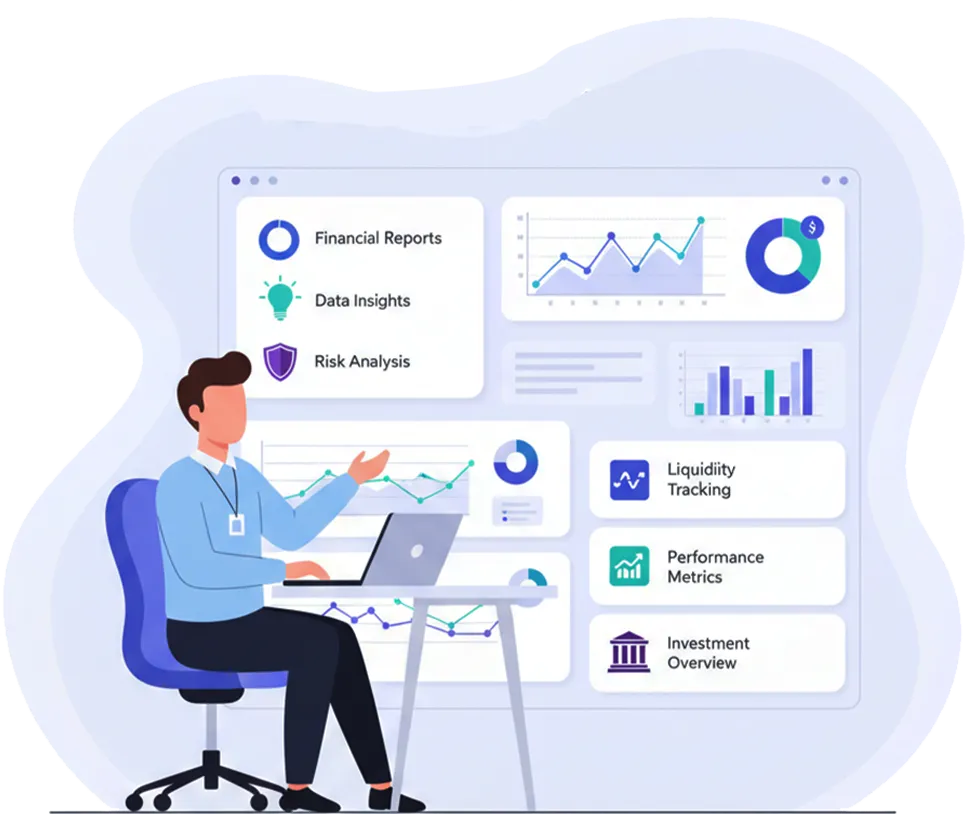
Technical requirements for analytics infrastructure
A robust stack must move beyond simple record-keeping to active data governance. The Federal Reserve and the U.S. Treasury have long emphasized that data availability and transparency are not just IT concerns but core components of market surveillance and financial stability [[src-serp-4]]. For modern enterprises, this means adopting a cloud-first architecture that supports the scale and security demands of real-time treasury operations.
Cloud adoption is the foundation of this shift. The U.S. Treasury’s own cloud strategy report highlights the need for a detailed strategic implementation approach to manage data, infrastructure, and application landscapes effectively [[src-serp-5]]. This move allows organizations to break down silos, ensuring that liquidity data flows seamlessly across global entities. Without a unified cloud backbone, analytics remain fragmented, making true transparency impossible.
Connectivity and intelligence form the next critical layer. APIs must provide real-time access to bank data, while AI-driven cleaning processes ensure that incoming information is accurate and actionable. Platforms like Trovata illustrate how connecting banks, financial data, and treasury workflows on an AI-powered infrastructure can deliver the real-time cash visibility required for high-stakes decisions [[src-serp-6]]. This combination of robust connectivity and automated data hygiene is what transforms raw financial data into a transparent, reliable asset.
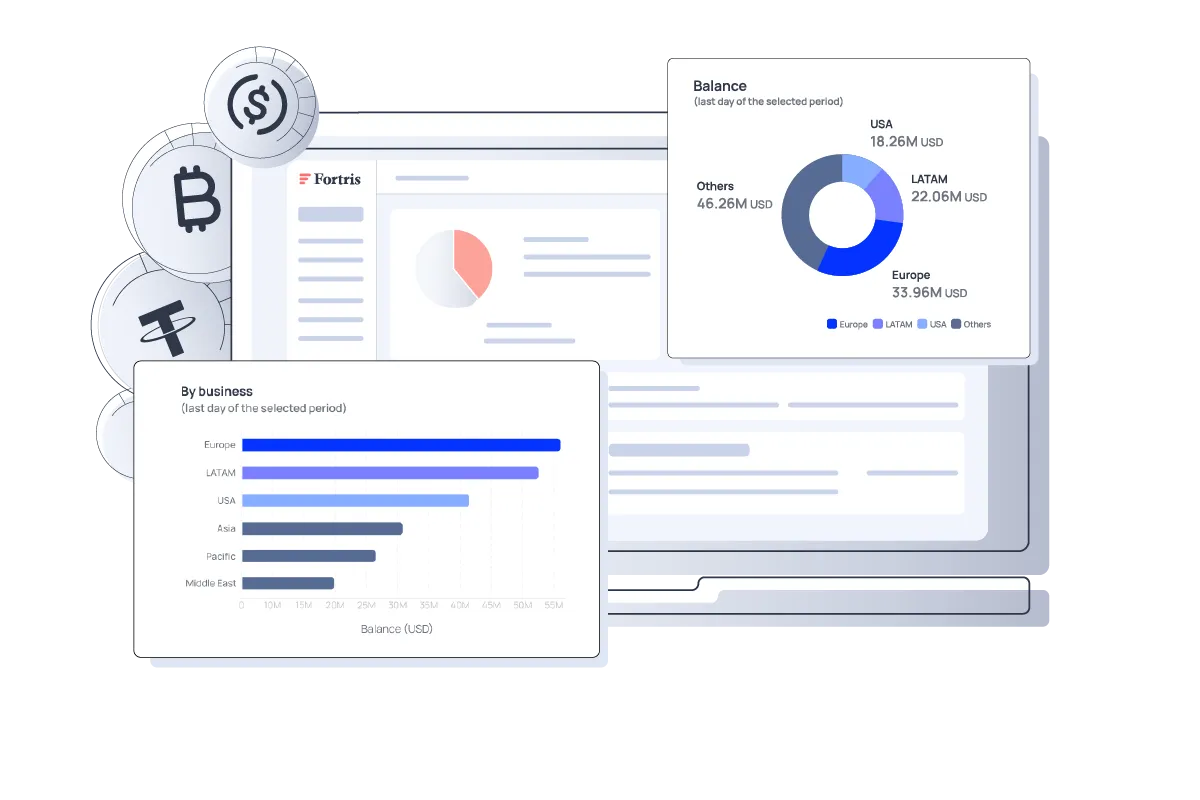
The integration of these technical requirements creates a resilient analytics environment. By prioritizing cloud scalability, API-driven connectivity, and AI-enhanced data quality, treasury teams can build infrastructure that supports both regulatory compliance and strategic agility. This technical rigor ensures that every financial decision is backed by a clear, unobstructed view of the organization’s financial health.
Compare treasury platforms side-by-side
Choosing the right transparent treasury analytics infrastructure requires matching your specific liquidity and reporting needs to the right vendor. While Kyriba, Oracle, and FIS dominate the enterprise landscape with decades of established functionality, newer entrants like Trovata are reshaping the market with AI-first architectures. This comparison highlights where each platform excels, helping you evaluate trade-offs between legacy robustness and modern agility.
The following table breaks down the core capabilities of four leading treasury management systems. Use these criteria to assess which infrastructure best supports your real-time visibility and automation goals.
| Platform | Core Focus | AI & Automation | Global Connectivity |
|---|---|---|---|
| Kyriba | Enterprise liquidity management | Predictive analytics & forecasting | Extensive bank connectivity |
| Oracle | Integrated ERP treasury | Embedded process automation | Deep ERP ecosystem integration |
| FIS | Risk & compliance management | Regulatory reporting automation | Broad traditional bank support |
| Trovata | AI-driven cash visibility | Real-time AI data processing | Modern API-first architecture |
Implementing transparent analytics workflows
Implementation requires more than just software; it demands a disciplined workflow that treats data access and fraud prevention as foundational elements. When you structure your operations around clear governance, you reduce the risk of silent failures and ensure that every dollar is accounted for in real time.
Start by establishing secure, programmatic connections to your banking partners and internal ERP systems. Modern infrastructure relies on clean data pipelines that eliminate manual entry errors. This connectivity is the bedrock of any transparent analytics system, allowing you to pull live liquidity positions without lag or distortion.
Embed fraud detection rules directly into your payment approval workflows. As noted by the Data Foundation, rigorous oversight and transparency must accompany data infrastructure investments to prevent loss. By validating payee details and transaction patterns before funds move, you create a defensive layer that protects your treasury from unauthorized disbursements.
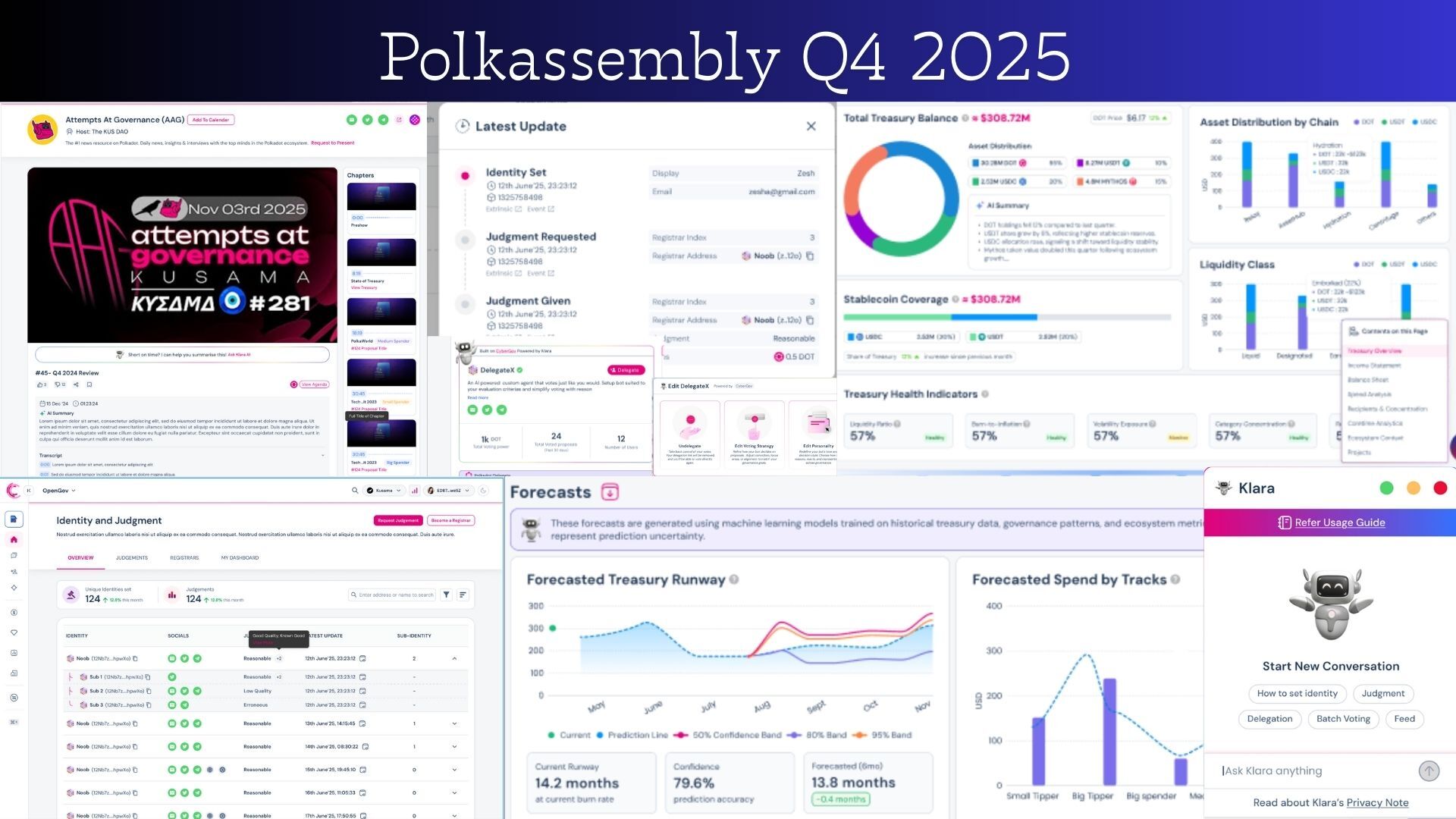
Define who can access, modify, and approve treasury data at every stage. Clear governance ensures that audit trails are immutable and that roles are strictly separated. This structure prevents conflicts of interest and provides the accountability needed for high-stakes financial decisions, ensuring that your analytics remain trustworthy and compliant.
By following these steps, you create a resilient framework where transparency is not an afterthought but a built-in feature of your treasury operations.
Frequently asked questions about treasury analytics
What is the difference between traditional reporting and transparent treasury analytics?
Traditional reporting typically aggregates historical data on a monthly or quarterly basis, providing a backward-looking view of financial health. Transparent treasury analytics infrastructure processes data in real-time, offering immediate visibility into liquidity positions, cash flow forecasts, and risk exposures. This shift enables proactive decision-making rather than reactive accounting.
How does cloud architecture impact treasury data transparency?
Cloud-based infrastructure breaks down data silos by centralizing liquidity information from multiple banks and ERP systems into a single source of truth. As highlighted in U.S. Treasury cloud strategy reports, a unified cloud backbone ensures that data flows seamlessly across global entities, enabling accurate, real-time consolidation that on-premise legacy systems often struggle to achieve.
What role does AI play in maintaining data integrity?
AI-driven data cleaning processes automatically reconcile incoming bank data with internal records, identifying discrepancies and anomalies before they impact reporting. This automation reduces manual entry errors and ensures that the data underlying your analytics is accurate, actionable, and trustworthy for high-stakes financial decisions.
How do I evaluate treasury platforms for transparency?
When evaluating platforms like Kyriba, Oracle, or Trovata, prioritize those with robust API-first architectures and real-time connectivity. Look for features that provide granular audit trails, predictive cash forecasting, and seamless integration with existing ERP systems to ensure your infrastructure supports both compliance and strategic agility.
No comments yet. Be the first to share your thoughts!