Why transparency matters in 2026
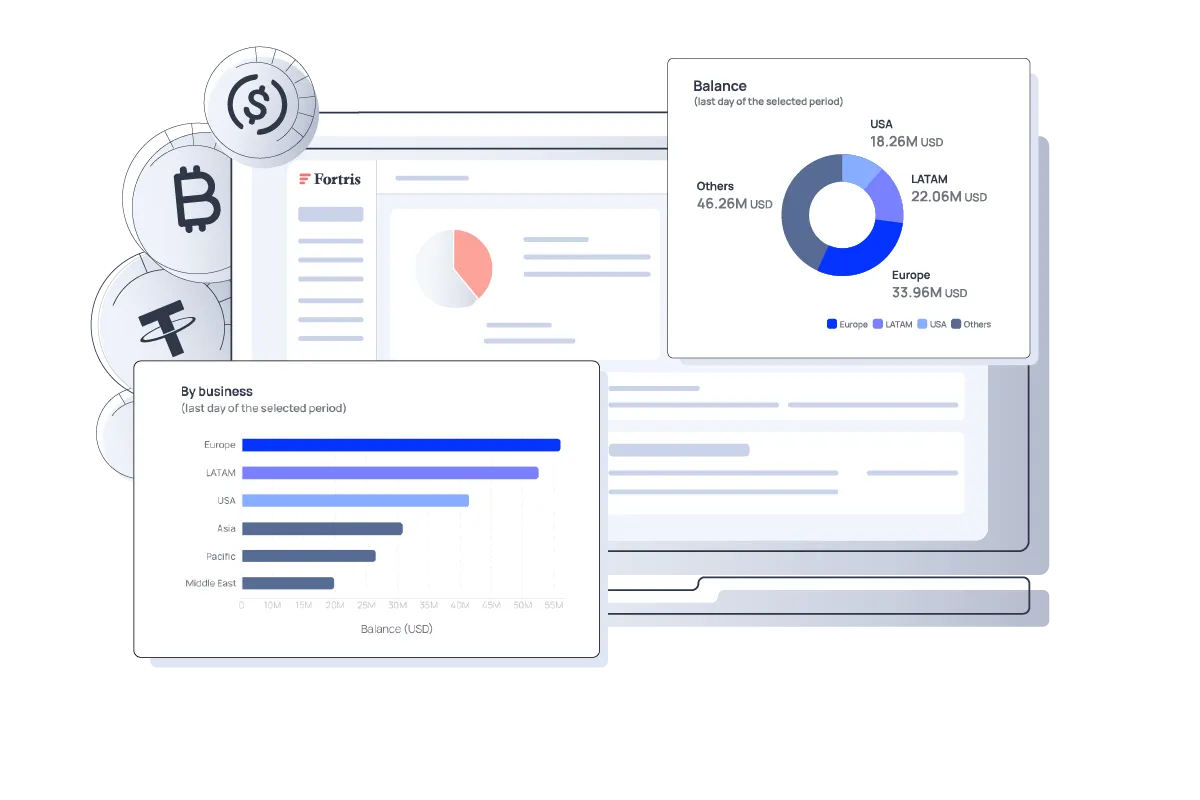
Corporate treasury is no longer just about keeping the lights on. In 2026, transparency has shifted from a nice-to-have reporting feature to a strategic mandate. Regulatory bodies and market participants now demand real-time visibility into how capital is deployed, particularly as real-world assets (RWAs) and onchain credit enter the mainstream.
This shift requires treasurers to move beyond operational efficiency. The old model of siloed, end-of-month reporting is too slow for today’s risk environment. Investors and regulators are looking for deeper, continuous data streams that show exactly where funds are at risk and how they are performing.
The rise of tokenized assets makes this shift inevitable. When treasury functions begin integrating onchain instruments, the expectation for immutable, auditable records grows. This isn't just about compliance; it's about building trust in a market where liquidity is increasingly digital and fragmented.
Treasury teams that cling to legacy reporting will find themselves at a disadvantage. The market rewards those who can provide clear, immediate insights into their financial health. For 2026, the goal is simple: make the invisible visible.
Core components of the analytics infrastructure
Transparent treasury analytics in 2026 requires more than just reporting tools; it demands a foundational shift in how data is collected, integrated, and governed. The goal is to move away from fragmented spreadsheets and siloed legacy systems toward a unified data environment that supports real-time decision-making. This infrastructure serves as the backbone for regulatory compliance, risk management, and strategic liquidity planning.
Data modernization and consolidation
The first step is consolidating disparate data sources. Treasury operations often rely on inputs from banking portals, ERP systems, and payment platforms, which can lead to data fragmentation. Modernizing this infrastructure involves implementing automated data pipelines that extract, transform, and load (ETL) data into a central repository. This consolidation reduces manual errors and provides a single source of truth for all financial transactions.
Integration and interoperability
Seamless integration between treasury management systems (TMS) and other enterprise applications is critical. APIs and standardized data formats like ISO 20022 enable real-time connectivity, allowing treasury teams to access up-to-date information without manual intervention. This interoperability ensures that cash positions, liquidity forecasts, and risk exposures are always current, supporting agile responses to market volatility.
Governance and security
Robust data governance frameworks are essential to maintain the integrity and security of treasury data. This includes defining clear data ownership, establishing access controls, and implementing audit trails for all data modifications. Compliance with regulations such as GDPR, SOX, and local data sovereignty laws must be embedded into the infrastructure design to mitigate legal and reputational risks.
Monitoring and performance metrics
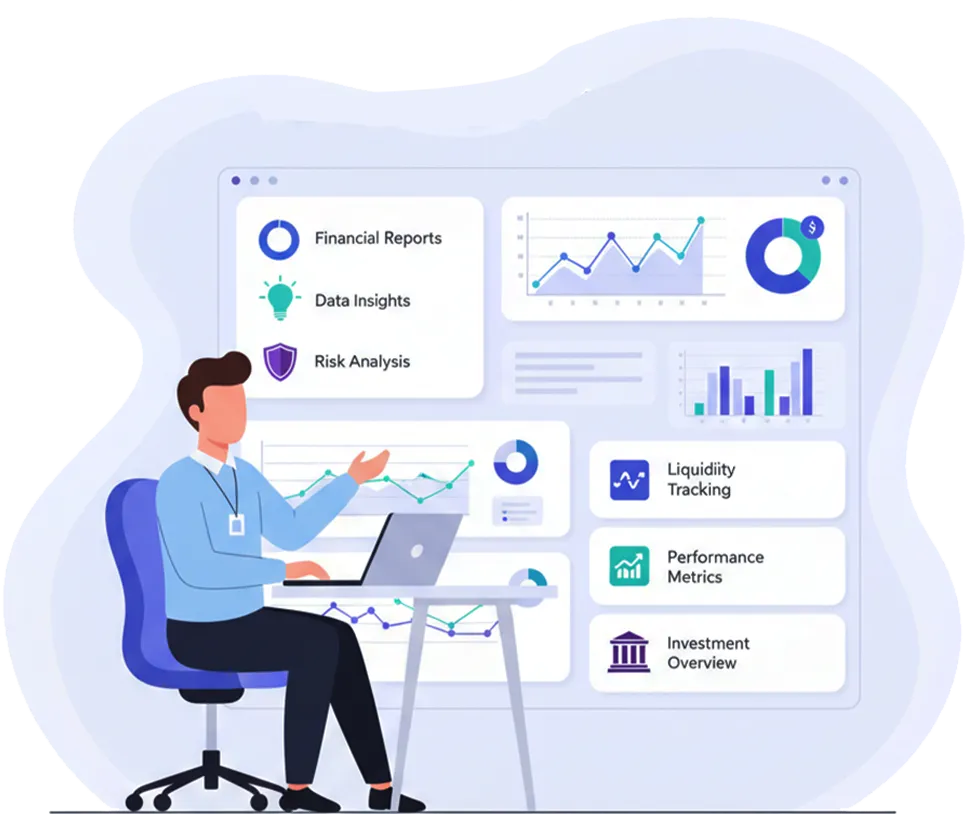
Continuous monitoring of the analytics infrastructure ensures its reliability and performance. Key metrics include data latency, system uptime, and query response times. Regular audits and performance tuning help identify bottlenecks and optimize data flow, ensuring that the infrastructure can scale with the organization’s growing data needs and complexity.
Tools for risk management and forecasting
Treasury teams in 2026 are moving beyond static spreadsheets to manage the compounding volatility of trade policy and foreign exchange. The core challenge is no longer just recording transactions, but simulating how sudden tariff shifts or currency swings impact liquidity days or weeks in advance. Modern analytics platforms now integrate real-time regulatory feeds with predictive cash flow models, allowing finance leaders to stress-test scenarios before they hit the balance sheet.
Traditional treasury management systems (TMS) excel at transaction processing and compliance reporting but often lack the computational agility required for dynamic risk simulation. They typically rely on historical data, which can be misleading when market structures shift abruptly due to new trade agreements or sanctions. In contrast, AI-driven analytics platforms ingest unstructured data—such as legislative text, news sentiment, and macroeconomic indicators—to forecast potential disruptions with greater granularity.
The following comparison highlights the functional differences between legacy infrastructure and modern predictive tools. Understanding these distinctions helps treasury directors select the right stack for a high-stakes regulatory environment.
| Feature | Traditional TMS | AI-Driven Analytics | Risk Impact |
|---|---|---|---|
| Data Sources | Structured internal ERP data | Internal ERP + unstructured external feeds | AI captures external shocks earlier |
| Forecasting Method | Historical trend extrapolation | Predictive scenario simulation | AI models non-linear policy shifts |
| FX Risk Management | Static hedging ratios | Dynamic real-time adjustment | AI reduces exposure to sudden volatility |
| Trade Policy Integration | Manual rule updates | Automated regulatory parsing | AI ensures compliance with new tariffs |
For teams building out their tooling stack, selecting the right software components is critical. Below are key resources often cited by treasury professionals for implementing these strategies.



As an Amazon Associate, we may earn from qualifying purchases.
While software provides the engine, the data feeds power the accuracy. Treasury leaders should prioritize platforms that offer direct API connections to primary data sources, such as central bank rates or official trade policy databases. This reduces the latency between a policy announcement and its financial impact assessment, ensuring that risk mitigation strategies are deployed while there is still time to act.
Onchain credit and tokenized RWA markets
Treasury transparency is no longer confined to traditional banking ledgers. As tokenized real-world assets (RWA) and onchain credit markets mature, they introduce a new layer of visibility that traditional analytics can now monitor. This shift allows treasuries to track liquidity and credit exposure in real time, moving beyond the quarterly reporting cycles that have long defined corporate finance.
The U.S. Treasury Department’s strategic plan for 2022–2026 explicitly calls for increasing the quality and sharing of financial data to promote accountability. While this framework targets federal spending, the underlying principle applies directly to private sector treasuries. By adopting similar standards for tokenized assets, organizations can align their internal analytics with broader regulatory expectations for open data.
Onchain credit instruments offer a unique advantage: every transaction is immutable and publicly verifiable. This means treasury teams can audit credit lines and collateral positions instantly. Instead of relying on third-party confirmations, analytics platforms can pull directly from the blockchain, reducing reconciliation errors and providing a single source of truth for risk management.
To understand the scale of this shift, consider the broader digital asset market. The following widget tracks live price data for a relevant tokenized asset benchmark, illustrating the liquidity and volatility treasuries must now account for in their analytics models.
As these markets grow, the line between traditional treasury operations and decentralized finance (DeFi) will continue to blur. Treasuries that integrate onchain data into their analytics strategies will be better positioned to manage risk, ensure compliance, and capitalize on new liquidity opportunities in 2026 and beyond.
Common questions about treasury analytics
Treasury analytics is shifting from a back-office reporting tool to a strategic mandate for 2026. As regulatory transparency tightens, the focus moves beyond operational efficiency toward deeper risk management and real-time decision support.
No comments yet. Be the first to share your thoughts!