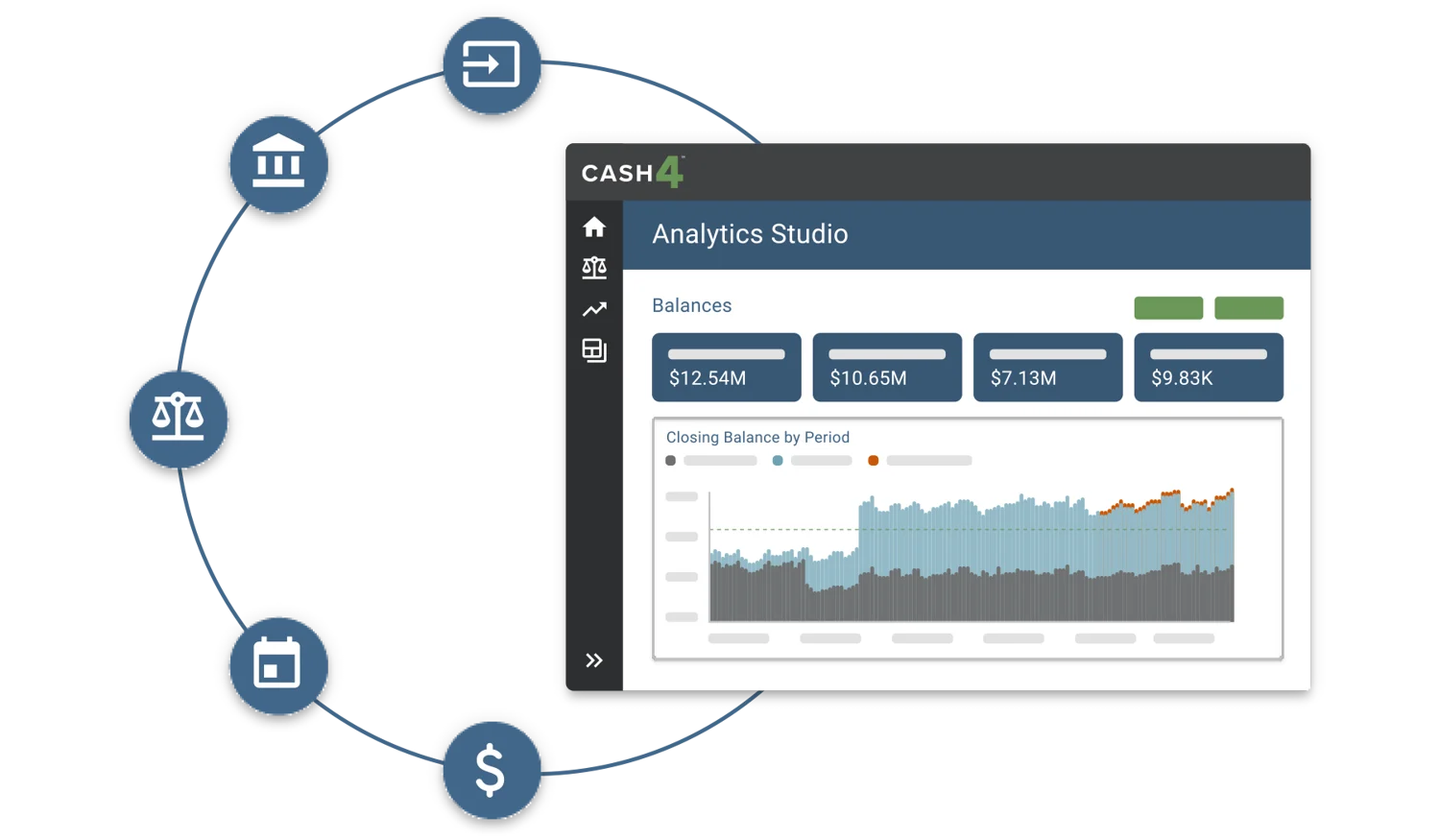
Why treasury analytics matter for tokenized assets
Traditional treasury management relies on fragmented data streams and delayed reporting, creating a lag between actual asset states and financial positions. As the financial landscape shifts toward tokenized real-world assets (RWA), this opacity becomes a liability, as regulators and investors demand real-time visibility that off-chain spreadsheets cannot guarantee.
The core challenge is data verifiability. In legacy systems, proving asset existence requires manual reconciliation across banks and custodians. For tokenized assets, this lag is unacceptable because their integrity depends on immediate cryptographic proof of underlying value reflected in treasury analytics.
This shift redefines the treasury function. It is no longer sufficient to report historical data; the treasury must demonstrate current holdings. By integrating onchain verification, organizations eliminate the reconciliation gap, ensuring every tokenized asset is backed by verifiable data that aligns with modern regulatory standards.
Core components of a transparent analytics strategy
Building a transparent treasury strategy requires separating must-have requirements from nice-to-have features based on real-world constraints like budget, maintenance, and timing. A practical choice must survive normal operational friction.
Start by defining strict criteria for data integrity and latency tolerance. Compare potential solutions against these criteria before evaluating secondary features. If a recommendation only works in an ideal scenario, identify the fallback path explicitly.
Infrastructure requirements for onchain transparency
Effective onchain transparency requires infrastructure that bridges traditional banking data with blockchain nodes. This integration must support real-time data ingestion without compromising legacy system integrity.
Key requirements include:
- API-First Architecture: Enables seamless connection between Treasury Management Systems (TMS) and on-chain data streams.
- Immutable Logging: Ensures every transaction and valuation change is timestamped and recorded for audit trails.
- Scalable Cloud Computing: Supports complex simulations and stress tests without impacting daily operations.
Market research findings on RWA adoption trends
The shift toward transparent treasury analytics in the RWA sector is moving from experimental pilots to structured infrastructure. Financial institutions are focusing on integration strategies that maintain legacy system integrity while adopting new tools. The primary driver is the need for real-time visibility into asset-backed securities and tokenized treasuries, where opacity creates regulatory and counterparty risk.
Current market data indicates a strong correlation between transparency levels and institutional adoption rates. Treasury departments implementing granular data availability frameworks report faster settlement times and reduced reconciliation errors. This efficiency is critical as tokenized asset volumes scale. The Federal Reserve’s recent white paper on data availability underscores that transparent, standardized reporting is becoming a prerequisite for market surveillance and fair trading practices [1].
Growth is most pronounced in fixed-income RWAs, where yield generation depends on accurate, auditable cash flow tracking. Analytics platforms providing live dashboards of underlying collateral performance are seeing increased uptake among asset managers. These tools allow portfolio managers to monitor asset quality and liquidity in real time, rather than relying on quarterly reports.
The following widget illustrates the current market context for a major RWA-adjacent asset, reflecting the liquidity and pricing transparency that drives this adoption.
Navigating regulatory compliance and data privacy
Treasury analytics for tokenized assets operate in a high-stakes environment where transparency and privacy must coexist. The challenge is demonstrating compliance without exposing sensitive counterparty data or proprietary strategies to public view. Infrastructure must allow regulators to audit the ledger while keeping commercial secrets secure.
Regulators are increasingly demanding granular visibility into post-trade activities. For instance, FINRA has enhanced post-trade transparency in the U.S. Treasury securities market by disseminating individual transactions at the end of the day. Treasury analytics must generate audit-ready reports that align with these standards without leaking sensitive data points.
To balance this, implement privacy-preserving technologies like zero-knowledge proofs or secure multi-party computation. These tools allow proof of regulatory compliance (such as anti-money laundering checks) without revealing underlying transaction details. This approach satisfies the Treasury Department’s goal of increasing data quality and sharing for accountability, while protecting the confidentiality required by institutional investors.
Frequently asked: what to check next
How do you ensure data integrity for tokenized asset reporting?
Transparency starts with the source. Modern treasury analytics platforms integrate directly with custodians and blockchain nodes, pulling real-time data on tokenized assets. This automation reduces human error by verifying that on-chain reserves match off-chain ledger entries without constant manual reconciliation.
What are the main regulatory hurdles for transparent treasury reporting?
Regulators focus on proof of reserves and auditability. The primary challenge is ensuring the analytics stack produces immutable, timestamped records that satisfy standards like SOX or emerging digital asset frameworks. Systems must log every transaction and valuation change to create an auditable trail demonstrating how treasury values were calculated.
Which technology stack supports real-time treasury analytics best?
A robust stack combines a core Treasury Management System (TMS) with specialized data analytics layers. Look for API-first architectures that connect traditional banking data with on-chain streams. Cloud-based solutions are preferred for scalability, enabling complex simulations and stress tests without impacting daily operations.
How does analytics improve liquidity management for tokenized assets?
Analytics transforms liquidity management from reactive to proactive. By modeling cash flows and asset tokenization schedules, you can predict funding gaps before they occur. For example, if treasury funds are locked in long-term instruments, analytics can alert you to potential short-term cash shortages, allowing you to optimize idle cash and meet operational needs or margin calls efficiently.
No comments yet. Be the first to share your thoughts!